- Home
- Trend
- Weight Loss Strategies
- Acne Tips
- Hair Health Information
- Blemish Removal Tips
- Acne Scar Removal Tips
- Muscle Building Techniques
- Intimate Care Tips
- Postpartum Intimate Care
- Eye Bags Wiki
- Tips for Face Slimming
- Secret of Permanent Hair Removal
- Breast Enlargement Tips
- Cure to Snoring
- Marionette Lines
- Skin-Tightening Secrets

What exactly are age spots? We often see brownish patches of various sizes on the faces, arms, or hands of older people. These are commonly known as age spots. Because of this, many assume they only occur in the elderly. But that’s not entirely true! In fact, more and more people in their 20s and 30s are developing age spots. So what causes age spots? How can you identify them? And if you want to avoid premature signs of aging, what are the best ways to prevent and treat them? Keep reading for all the answers.

What Are Age Spots? Can They Grow Larger?
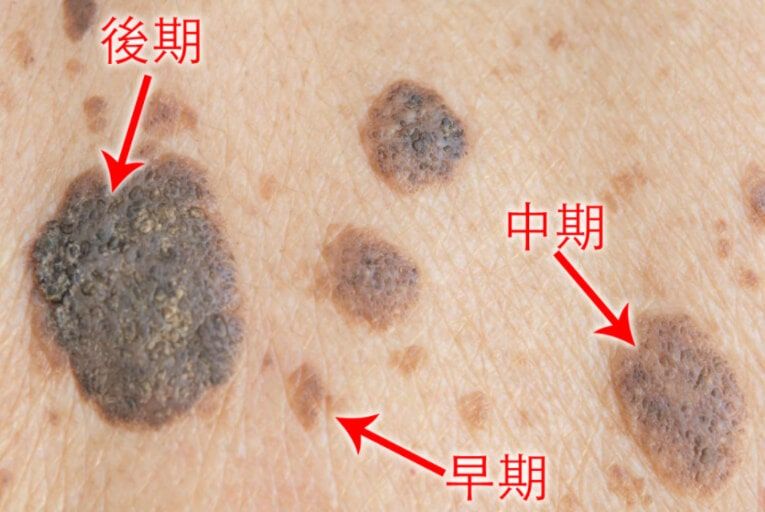
Age spots, also called seborrheic keratosis in medical terms, are benign skin tumors. They range in color from light brown to dark brown or even black, and can be as small as a soy bean or larger. Their shape varies — they can be slightly raised, smooth and flat, or irregularly shaped. One thing is certain: they commonly appear on sun-exposed areas such as the face, backs of the hands, chest, upper back, and neck.
Age spots often appear alongside sunspots, which can make them hard to distinguish from other pigmentation types. In the early stages, age spots may look similar to freckles — lighter in color, with well-defined edges and a flat surface. However, over time, they may darken, become raised, and grow larger, making them more noticeable and unsightly, especially on the face. That’s why many women choose to have them treated.
How To Tell The Difference Between Age Spots, Freckles, And Melasma?
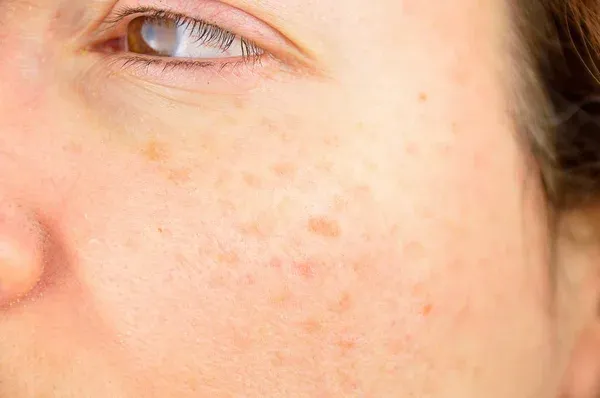
Freckles vs. Age Spots
Freckles and age spots often get confused, especially in their early stages. Both are brownish and appear on sun-exposed areas. However, freckles are usually 2–3 mm in diameter, round, flat, and have clearer edges than age spots. Their color may also darken during sunny spring and summer months.
Melasma vs. Age Spots
Melasma (also known as hormonal spots or chloasma) is another common type of pigmentation. Like age spots, melasma often appears on sun-exposed skin — particularly on the cheeks, forehead, and around the eyes. But unlike age spots, melasma is typically darker and more patchy in shape, with poorly defined borders. Its causes include genetics, sun exposure, and irregular sleep patterns.
免費體驗
PicoCure Pigmentation Removal Treatment
1 Minute Self-Registration
Date should not be before minimal date
What Causes Age Spots?
Cause 1: Skin Aging
As we age, skin cell turnover slows down, and our ability to eliminate free radicals decreases. Changes in diet and lifestyle contribute to the buildup of lipofuscin — a brown pigment that accumulates in the basal skin layer, causing age spots. Over time, benign keratin buildup may also occur, leading to thicker, rougher, and more noticeable age spots.
Cause 2: Sun Exposure
Sun damage is one of the primary culprits behind age spots. Long-term UV exposure triggers melanin production. Over time, this melanin builds up, eventually surfacing as visible spots. This explains why age spots frequently appear on areas regularly exposed to sunlight.
Cause 3: Genetic Factors
While some age spots are caused by environmental factors, others are hereditary. Some people may naturally be more sensitive to UV rays or have slower skin metabolism, making them prone to pigmentation at a younger age.
Age Spots Aren’t Just for the Elderly!
Despite the name, age spots can affect people of all ages. While studies show that 70% of people with age spots are over 40 and 90% are over 50, some younger individuals in their 20s and 30s also experience them — especially if they have certain genetic or lifestyle factors.
Seborrheic keratosis results from excess keratin growth and pigmentation. It’s a common skin condition — technically a benign skin tumor — and its progression varies from person to person. Don’t assume that being young protects you. Age spots can appear much earlier than expected.
Can Age Spots Turn Into Skin Cancer?
Age spots are typically benign and not dangerous to your health. However, because their appearance can resemble early signs of skin cancer, it’s wise to be cautious. Dermatologists recommend seeking medical advice if you notice:
1. A sudden breakout of dozens or even hundreds of spot-like lesions within 1–2 months, especially on the scalp, neck, or abdomen. This may signal a gastrointestinal-related malignancy.
2. Patches resembling age spots but with uneven color, rough texture, peeling, or persistent wounds. These could be signs of actinic keratosis — an early form of skin cancer often mistaken for age spots.
免費體驗
PicoCure Pigmentation Removal Treatment
1 Minute Self-Registration
Date should not be before minimal date
How To Prevent Age Spots Effectively?
Prevention Tip 1: Daily Sun Protection
UV exposure is a major trigger for pigmentation. Always apply sunscreen (SPF 30 or higher) when outdoors, and reapply every two hours. Wear protective clothing, hats, and use umbrellas to reduce sun damage.
Prevention Tip 2: Anti-Pigmentation Diet
Traditional Chinese Medicine links age spots to internal imbalances and toxin buildup. Certain foods may help detox and promote blood circulation:
• Ginger – Contains antioxidants that neutralize free radicals and prevent pigmentation.
• Green Tea – Rich in catechins, which protect the skin from UV damage and boost immunity.
• Tomatoes – Packed with lycopene, which suppresses melanin formation.
• Carrots – High in provitamin A, which supports healthy, smooth skin.
• Kiwifruit – Contains vitamin C, fiber, folate, and vitamin E to prevent aging and pigmentation.
• Mushrooms – Help reduce cholesterol, sugar, and signs of aging.
Prevention Tip 3: Regular Exercise
Exercise improves metabolism, enhances skin renewal, and supports detox — all of which help prevent pigmentation.
Prevention Tip 4: Balanced Sleep Routine
Lack of sleep increases internal heat and affects the body's ability to eliminate toxins, contributing to pigmentation.
Prevention Tip 5: Avoid Skin Irritation
Avoid rubbing skin aggressively, bathing with overly hot/cold water, or using unknown skincare products — all of which may weaken your skin’s barrier and accelerate aging.
4 Common Treatments for Age Spots
Treatment 1: Prescription Creams
Topical treatments prescribed by dermatologists can fade mild pigmentation, but they are less effective for thickened or raised lesions caused by keratin buildup. Creams usually take 6–12 months to work and are best for early-stage spots.
Treatment 2: Cryotherapy
Liquid nitrogen (-196°C) is used to freeze and destroy surface cells. The area scabs over and eventually falls off. This method is safe but only works on superficial spots.
Treatment 3: Electrosurgery
High heat is used to destroy age spots. It usually takes 1–2 sessions. Best for small areas, though post-treatment care is crucial to avoid pigmentation issues.
Treatment 4: Laser Removal
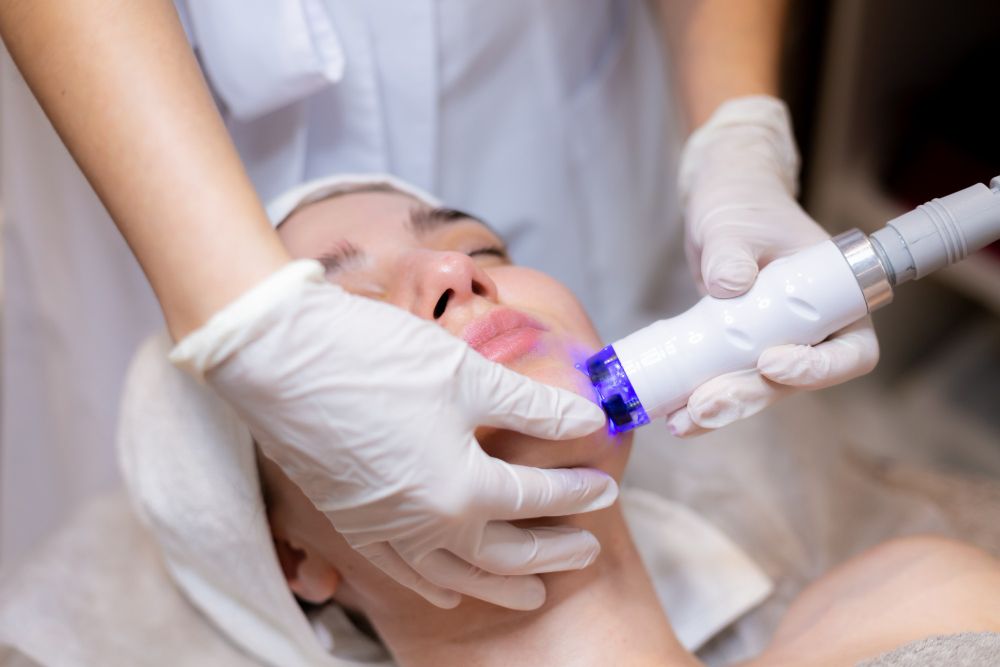
Laser treatment is more effective for deeper or widespread spots. New technologies like PicoCure Pigmentation Removal Treatments offer faster, more comfortable treatment with minimal risk of scarring or post-inflammatory hyperpigmentation.
Safe and Effective: PicoCure Pigmentation Removal Treatment Treatment by Perfect Medical
Perfect Medical’s PicoCure laser combines picosecond and nanosecond technology with four unique wavelengths (1064nm, 650nm, 585nm, 532nm) that penetrate various skin layers. It breaks up melanin clusters 1,000 times faster than traditional lasers and helps the body eliminate them naturally.
It doesn’t just target age spots — it’s also effective for freckles, sunspots, hormonal melasma, birthmarks like Ota nevus, and even scarring. The high-energy pulses also stimulate collagen regeneration, enhancing elasticity and skin tone while reducing wrinkles and fine lines.
Best of all, PicoCure is FDA-cleared and CE-certified, non-invasive, virtually painless, and doesn’t require downtime — so you can resume work and daily life immediately after.
Ready to get rid of age spots? One session already shows visible results, and it also boosts collagen — making it a two-in-one treatment!
Special Offer: Try the PicoCure Laser Treatment for FREE! Click the link below to register for a free trial at Perfect Medical!
免費體驗
PicoCure Pigmentation Removal Treatment
1 Minute Self-Registration
Date should not be before minimal date
FAQ

Do age spots pose a health risk?
Age spots are generally harmless and mainly caused by UV exposure, aging, or genetics. In most cases, they don’t develop into cancer. However, a condition called actinic keratosis may look similar and carries a risk of becoming cancerous. If in doubt, see a dermatologist early.
Can young people get age spots?
Yes. While age spots are more common after age 40 or 50, genetics and skin sensitivity also play a role. If you have a family history of pigmentation, you may develop spots earlier than your peers.
Who is most at risk of developing age spots?
People over 40–50, and those frequently exposed to the sun — such as outdoor workers or sunbathers — are at higher risk, especially without proper sun protection.
Can prescription creams remove age spots?
Topical creams may help fade mild pigmentation but are less effective for thicker, raised lesions. For more severe cases, laser or other treatments are recommended.
Is there a recommended laser treatment?
Yes — the PicoCure Pigmentation Removal Treatment by Perfect Medical. It combines advanced laser wavelengths for precise treatment of all pigmentation types. It’s fast, safe, and effective, with visible results from the very first session.