- Home
- Trend
- Weight Loss Strategies
- Acne Tips
- Hair Health Information
- Blemish Removal Tips
- Acne Scar Removal Tips
- Muscle Building Techniques
- Intimate Care Tips
- Postpartum Intimate Care
- Eye Bags Wiki
- Tips for Face Slimming
- Secret of Permanent Hair Removal
- Breast Enlargement Tips
- Cure to Snoring
- Marionette Lines
- Skin-Tightening Secrets

We’ve all heard of hyaluronic acid—but do you really know what it does for your skin? This powerful hydrating molecule comes in three main forms: topical, oral, and injectable. But how do they differ, and what should you know before getting a hyaluronic acid injection? Let’s take a closer look.

What Exactly Is Hyaluronic Acid?
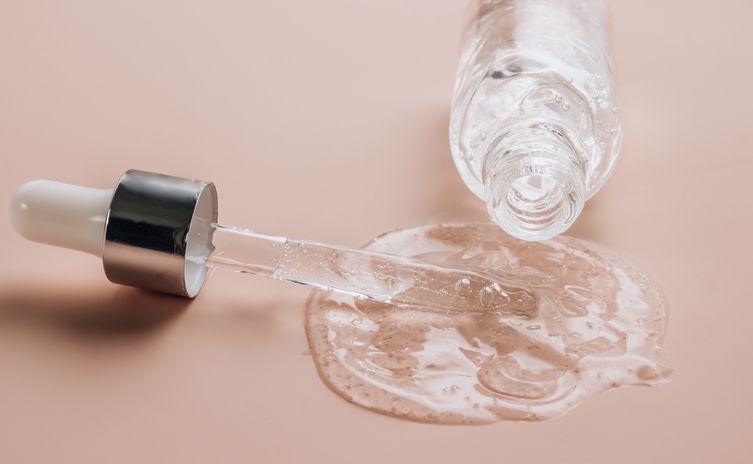
Many skincare products and facial masks proudly feature hyaluronic acid as their star ingredient—praised for its hydrating power, elasticity-boosting benefits, and ability to relieve dryness. But what is it, really?
Hyaluronic acid (also known as HA or sodium hyaluronate) is a natural component found within the dermal layer of human skin. Its main function is to attract and retain moisture, keeping skin plump and hydrated. It was first discovered in the vitreous body of a cow’s eye, and later found in various parts of the human body, including the skin, connective tissues, joints, and eye fluid.
Known for its exceptional ability to hold up to 1,000 times its own weight in water, hyaluronic acid is widely used not only in skincare and aesthetics but also in medical treatments—for example, in ophthalmology (to treat cataracts), orthopedics (to relieve joint pain), and cosmetic surgery (as a dermal filler).
Four Major Benefits of Hyaluronic Acid—Even for Joint Health!

When we think of hyaluronic acid, we immediately think of hydration—but that’s not all it offers. Its benefits go far beyond skincare:
1. Locks in Moisture
With its spiral molecular structure, HA traps and retains water effectively, ensuring skin stays hydrated and supple. When the dermis contains enough hyaluronic acid, the skin looks fuller, smoother, and more elastic—helping to prevent dryness and sagging.
2. Delays Skin Aging
By forming a thin protective barrier around skin cells, hyaluronic acid shields against pollutants, UV rays, and bacteria. This barrier helps defend against premature aging and keeps the skin looking youthful and fresh.
3. Stimulates Collagen Production
Many people confuse hyaluronic acid with collagen, but they’re different substances that work hand in hand. Collagen provides structure (like steel in a building), while HA fills and hydrates the spaces (like cement). Together, they maintain firmness and elasticity. HA also helps stimulate new collagen growth, reducing wrinkles and improving cell renewal.
4. Supports Joint Function
Beyond skincare, hyaluronic acid plays a critical role in cushioning joints. It acts as a lubricant and shock absorber between bones, reducing friction and preventing joint pain. When HA levels decline, movement becomes stiff or painful—sometimes even leading to arthritis.
免費體驗
Thermage FLX 5th Generation Face Lift Treatment
1 Minute Self-Registration
Date should not be before minimal date
Why Is Hyaluronic Acid So Important—and What Happens When You Lose It?
Around age 25, your metabolism and skin regeneration start to slow down, and both collagen and hyaluronic acid begin to decline. By the age of 30, you have only about 65% of your childhood HA levels left—and by 60, that number drops to 25%. The result? Wrinkles, sagging, and dullness become more visible.
Here’s what happens when HA levels drop:
1. Wrinkles Appear
Loss of HA reduces dermal support, causing the skin to sag and form fine lines. Gravity, UV damage, and age all accelerate this process.
2. Dryness and Tightness
HA is the skin’s main moisture reservoir. Without it, the skin loses its ability to retain water, becoming dry and rough. Many people focus on adding moisture but forget that without HA’s “locking” function, hydration quickly evaporates.
3. Loss of Elasticity
HA and collagen are skin’s best partners in elasticity. HA fills the spaces between collagen fibers, supporting the skin’s structure. Once HA depletes, the skin loses firmness and bounce.
Three Ways to Replenish Hyaluronic Acid—Which One Works Best?
As HA levels decline, there are three main methods to replenish it: topical, injectable, and oral supplementation. Each works differently:
1. Topical Hyaluronic Acid
Topical HA is commonly found in moisturizers, serums, and masks. Most use sodium hyaluronate, a smaller and more stable form of HA that penetrates the skin’s surface layers for hydration and plumping.
However, because topical HA molecules are small and water-soluble, they can’t carry large amounts of moisture deep into the skin. They provide temporary hydration but are easily lost through evaporation.
2. Injectable Hyaluronic Acid
Injectable HA—popular in aesthetic medicine—is directly delivered into the dermis for immediate hydration and plumping. Larger HA molecules can be injected to smooth wrinkles, enhance cheekbones, contour the chin, or lift the nose bridge.
Since HA is naturally produced by the human body, the results look natural but are not permanent—the filler gradually dissolves over time. Typically, the effects last around 6–12 months, depending on skin type and injection depth.
3. Oral Hyaluronic Acid
In recent years, oral HA supplements have become a convenient option for hydration from within. Research shows that orally consumed HA can survive stomach acid and be absorbed by the body with up to 95% efficiency, improving skin hydration, joint flexibility, and even reducing stiffness.
Since HA is naturally present in the body, oral supplements are generally safe and can be effectively absorbed after being broken down by gut-friendly bacteria.
8 Common Questions About Hyaluronic Acid Injections—Will It Make You Look “Plastic”?
Injectable HA treatments are gaining massive popularity due to their immediate, visible effects and safety compared to other injectables. Still, many people have concerns—here are the answers to 8 common questions:
1. Can Hyaluronic Acid Injections Be Used for “Mini” Cosmetic Enhancements?
Yes! Cross-linked HA fillers are thicker and more structured than hydrating ones, allowing them to reshape facial contours naturally. They’re ideal for enhancing the cheeks, chin, jawline, and nose bridge without implants.
2. What Skin Issues Can Be Improved with HA Injections?
In addition to shaping, HA fillers can smooth wrinkles, hydrate the skin deeply, and improve issues like dullness, enlarged pores, acne scars, and sagging.
3. How Long Do the Results Last?
Generally, 6 to 12 months depending on your metabolism and product type. Since HA is biodegradable, the effects fade gradually.
4. Are There Side Effects?
When performed correctly by professionals, side effects are rare. However, incorrect injection techniques or poor-quality fillers can cause complications like vascular blockage, infection, or tissue damage.
5. What Should You Avoid After Treatment?
Mild swelling or redness is normal. Use cold compresses, avoid touching or massaging the area, and stay away from saunas or high-heat environments for a few days to prolong results.
6. Who Should Avoid HA Injections?
Pregnant or breastfeeding women, those with skin inflammation, or allergies should avoid injectable treatments.
7. Topical vs. Injectable: Which Is More Effective?
Topical HA is safe and easy to use, but results are surface-level. Injectable HA delivers visible, longer-lasting improvements in elasticity and hydration—but comes with mild swelling or bruising risks.
8. What Should You Watch Out for When Choosing an HA Treatment?
Always select licensed clinics and authentic HA products. Cheap or unverified fillers can cause infections or poor results. For facial contouring, choose experienced medical professionals—precision matters.
免費體驗
Thermage FLX 5th Generation Face Lift Treatment
1 Minute Self-Registration
Date should not be before minimal date
Hyaluronic Acid Fillers Aren’t the Only Option—A Safer, Non-Invasive Alternative for Lifting and Firming
While many women turn to hyaluronic acid to smooth wrinkles and fight aging, injections may not appeal to everyone. For those seeking a needle-free, non-invasive lifting treatment, Thermage FLX 5th Generation Face Lift Treatment offers a powerful alternative.
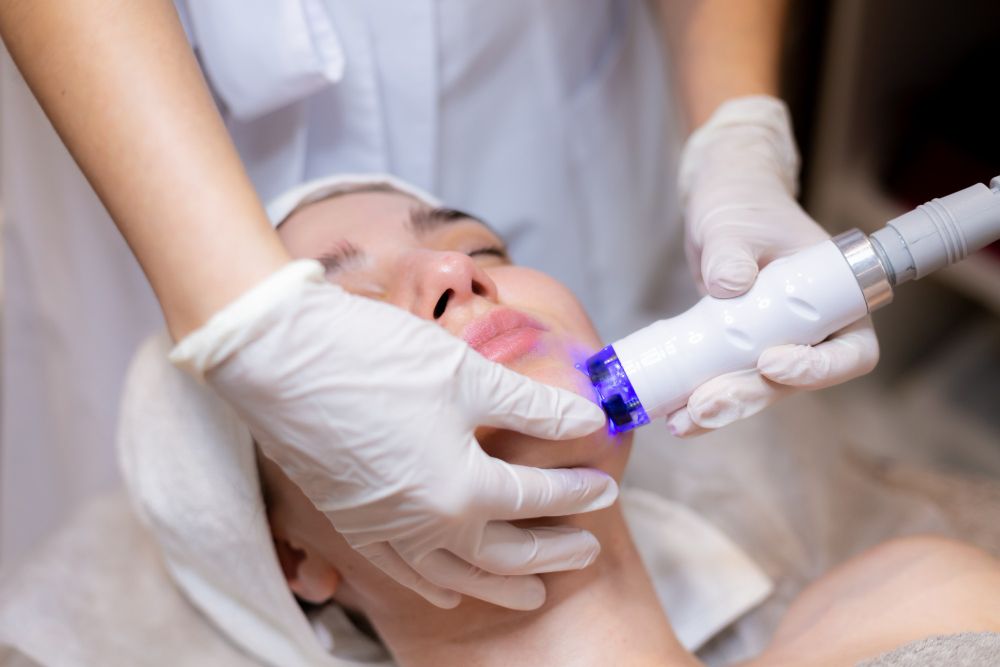
The 5th-generation Thermage FLX by Perfect Medical uses advanced monopolar radiofrequency energy to tighten facial contours, stimulate collagen renewal, and restore elasticity. It effectively improves concerns like double chin, sagging cheeks, and facial puffiness—all without injections or downtime.
Just one session helps redefine the jawline, lift sagging skin, and rejuvenate your overall complexion. Register online in just one minute to enjoy an exclusive trial offer and receive a free professional skin analysis!
免費體驗
Thermage FLX 5th Generation Face Lift Treatment
1 Minute Self-Registration
Date should not be before minimal date
FAQ

What does hyaluronic acid do in the body?
Hyaluronic acid naturally exists in the skin, connective tissues, joints, and eyes. It attracts and locks in moisture, keeping skin plump and joints cushioned.
Are skincare products with HA effective?
Yes—topical HA (usually sodium hyaluronate) provides surface hydration and temporarily smooths the skin. However, because molecules are small and water-based, results are short-term.
Can oral HA supplements be absorbed?
Yes. Studies show up to 95% absorption, improving skin hydration and joint flexibility without harmful effects.
Why are injectable HA fillers so popular?
They deliver instant hydration and contouring results with natural-looking enhancement. However, the effects fade as the body metabolizes the HA.
Are HA injections risky?
Rarely, but risks increase if performed by unqualified practitioners or with counterfeit fillers. Always choose reputable clinics for safety and results.