- Home
- Trend
- Weight Loss Strategies
- Acne Tips
- Hair Health Information
- Blemish Removal Tips
- Acne Scar Removal Tips
- Muscle Building Techniques
- Intimate Care Tips
- Postpartum Intimate Care
- Eye Bags Wiki
- Tips for Face Slimming
- Secret of Permanent Hair Removal
- Breast Enlargement Tips
- Cure to Snoring
- Marionette Lines
- Skin-Tightening Secrets

Vaginal dryness isn’t just something women experience during menopause—it’s also a common issue for breastfeeding mothers! In this article, we’ll explore 8 common causes of vaginal dryness, 4 ways to treat it (including foods that can help), and introduce a non-invasive vaginal rejuvenation treatment. Dryness and itching can seriously affect quality of life and increase the risk of infections, so it’s not something to ignore.

1. Vaginal Dryness—Is It Only a Menopause Thing?
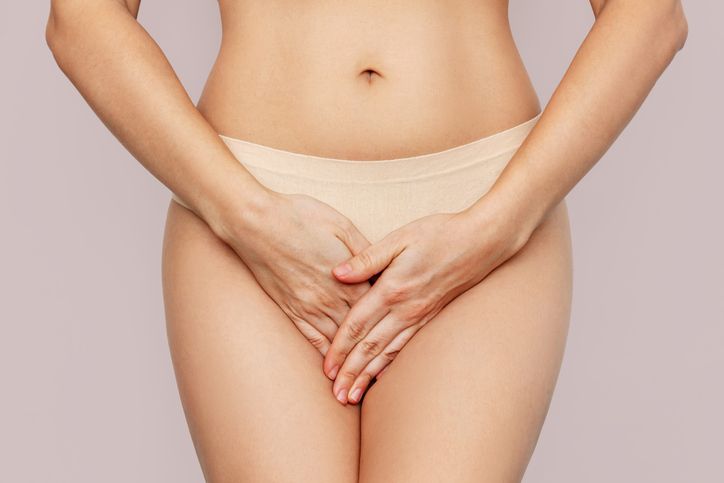
Think only menopausal women deal with vaginal dryness? Think again. While it’s true that hormonal changes during menopause—specifically a drop in estrogen—can reduce natural vaginal lubrication, that’s far from the only reason. Other factors like hormonal imbalance, stress, over-cleansing, certain medications, and even breastfeeding can all contribute to dryness.
2. 8 Common Causes of Vaginal Dryness
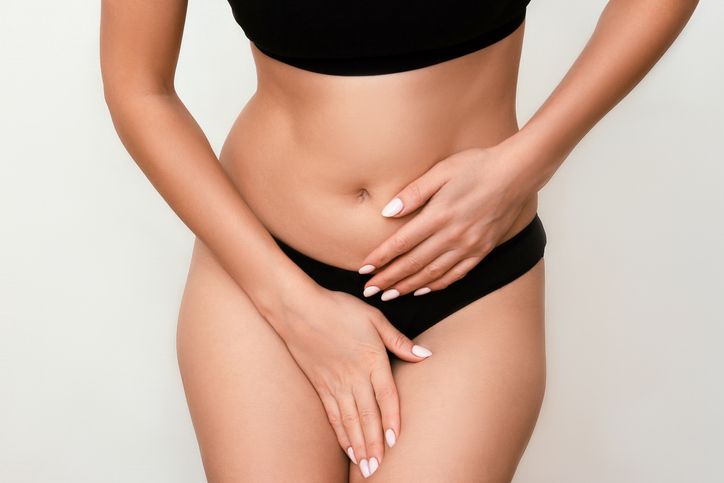
1. Menopause and Estrogen Decline
Estrogen plays a key role in maintaining vaginal moisture. When estrogen levels fall—especially during menopause—the vaginal walls can become thinner and drier due to collagen loss. Other menopause-related symptoms like insomnia, mood swings, hot flashes, and night sweats can also occur. Less estrogen means fewer natural secretions, which can lead to dryness, redness, and itchiness.
2. Side Effects of Birth Control Pills
Hormonal birth control can alter estrogen levels, potentially causing vaginal dryness. Lower estrogen may also lower libido and make intimacy less comfortable, which can affect sexual wellness and emotional wellbeing.
3. Vaginal Infections
Common infections like yeast infections or bacterial vaginosis can disrupt the natural vaginal flora, leading to dryness, inflammation, redness, and itching. These issues should be treated with proper medication as soon as possible.
4. Genetics & Body Chemistry
Just like some people have oilier or drier skin, vaginal secretions also vary from person to person. Some women naturally produce less lubrication, making them more prone to dryness—especially during intercourse. In such cases, using lubricants can help improve comfort.
5. Inappropriate Lubricant Use
Not all lubricants are created equal. For example, water-based lubricants can evaporate quickly due to heat and friction, which may actually worsen dryness. Choosing the right lubricant is crucial.
6. Over-Cleansing
Over-washing or using harsh vaginal washes can strip away protective natural secretions and disrupt the delicate pH balance, making the area more vulnerable to dryness and infections. Doctors recommend avoiding internal washing and sticking to gentle, external hygiene practices.
7. Breastfeeding
Postpartum changes don’t stop at hair loss—breastfeeding can also lead to vaginal dryness. That’s because the hormone prolactin, which stimulates milk production, suppresses estrogen. This drop in estrogen can cause dryness as well as changes in hair and skin texture.
8. Not Drinking Enough Water
Hydration plays a huge role in overall health, including vaginal health. Dehydration can lead to dry skin, poor circulation, slower metabolism, and yes, vaginal dryness. Aim for at least 10 cups of water a day to keep your body functioning at its best.
免費體驗
Fotona Vaginal Tightening Machine
1 Minute Self-Registration
Date should not be before minimal date
3. Why Vaginal Dryness Shouldn’t Be Ignored
Can you just wait it out? Not a good idea. Vaginal dryness can be a symptom of an underlying condition like an infection, autoimmune issue (such as Sjögren's syndrome), or hormonal imbalance. Left untreated, dryness can lead to discomfort during everyday activities like walking or exercise, and increase the risk of irritation and infections.
For many women, dryness is linked to factors like menopause, low immunity, stress, dehydration, or breastfeeding. It can affect not only daily comfort but also intimate relationships—adding emotional stress on top of physical symptoms. Over time, friction from dryness may disturb the natural flora, leading to inflammation or recurring infections.
4. Can Vaginal Dryness Be Treated with Medication?
Some women choose to silently endure vaginal dryness without seeking help, thinking it’s a minor issue or simply a natural change. Others may feel embarrassed and avoid discussing it altogether. But the truth is, vaginal dryness can be treated with medication—so don’t hesitate to seek medical advice and get the right treatment for your symptoms. Ladies, this is just a physiological condition—nothing to be ashamed of. Let’s learn the proper ways to deal with it together!
4 Common Medication Treatments for Vaginal Dryness
1. Vaginal Ring
The vaginal ring is a polymer-based drug delivery device that is inserted directly into the vagina. It stays in place and gradually releases low doses of estrogen. It’s easy to insert and remove, and is commonly used to treat vaginal atrophy, reduce menopause-related hot flashes, and prevent dryness.
2. Vaginal Patch
Similar to the ring, a vaginal patch can be inserted using an applicator and stays in place to release hormones through the vaginal lining. This stimulates estrogen production and helps restore natural vaginal moisture.
3. Vaginal Cream
Estrogen can also be delivered through creams formulated specifically for vaginal use. These are applied directly to the vaginal walls to stimulate estrogen production, relieve dryness and itching, and restore moisture. However, they may require more frequent reapplication.
4. Lubricants
If the dryness is due to congenital reasons rather than hormonal imbalance or infections, lubricants can be helpful—especially before intimacy. Be mindful when choosing a product, though. Oil-based and water-based lubricants serve different purposes and may contain ingredients that trigger irritation or allergies. More on that below.
5. Does Vaginal Dryness Affect Your Sex Life? 5 Tips for Choosing a Lubricant
1. pH Balance
The vaginal environment is naturally acidic, which helps prevent bacterial growth. When choosing a lubricant, go for one with a pH value close to your natural skin pH (slightly acidic).
2. Glycerin-Free Formulas
Glycerin is commonly used in skincare and moisturizing products, but it can disrupt vaginal pH and cause imbalance in healthy bacteria—leading to more dryness, irritation, or even yeast infections. If you're prone to sensitivity or infections, opt for glycerin-free options.
3. Know the Difference: Oil vs. Water-Based
Oil-based lubricants can degrade latex condoms and lead to breakage. If you’re using condoms, choose a water-based lubricant instead.
4. Watch for Additives
Avoid lubricants with added fragrances, dyes, sweeteners, or arousal stimulants—especially if you're prone to irritation. Some flavoring agents and sugars can trigger yeast infections or allergic reactions.
5. Applicator Design Matters
Many lubricants come in tubes that require manual application, which may not reach deep enough and can introduce bacteria via your hands. Consider using pre-filled applicators for more hygienic and effective application.
免費體驗
Fotona Vaginal Tightening Machine
1 Minute Self-Registration
Date should not be before minimal date
6. 5 Foods That Help Improve Vaginal Dryness
1. Cranberries
Cranberries are well-known for preventing urinary tract infections, and they also support vaginal health due to their high levels of antioxidants (especially anthocyanins) and vitamin C, which help protect mucosal tissues from bacterial colonization.
2. Probiotics
Probiotics don’t just benefit your gut—they also help maintain vaginal flora. Research suggests that strains like Lactobacillus bulgaricus (Lb-87) help regulate vaginal pH and support the growth of beneficial bacteria, improving overall moisture levels and reducing infection risk.
3. Soy Products
Soybeans and black beans contain isoflavones, a plant-based form of estrogen. These can help supplement natural estrogen levels, making them particularly helpful for women experiencing vaginal dryness due to hormonal decline.
4. Collagen-Rich Foods and Supplements
As we age, collagen production drops. This affects vaginal elasticity and hydration. Collagen-rich foods like eggs, chicken, avocados, and legumes can help, though large quantities are needed to see noticeable results. A collagen supplement may be more efficient.
5. Omega-3, -6, and -9 Fatty Acids
These healthy fats offer anti-inflammatory benefits and support uterine and vaginal tissue health. Omega-rich foods help increase moisture levels and improve vaginal hydration.
7. Say Goodbye to Vaginal Dryness: Restore Comfort with Fotona Vaginal Tightening Machine
For many women, vaginal dryness is caused by hormonal imbalances—something that fluctuates through life stages such as pregnancy, breastfeeding, menopause, and beyond. But if you don’t want to rely on hormone therapy, vaginal rings, or patches, is there another option?
Yes—treatment with Fotona Vaginal Tightening Machine is your non-invasive solution. Designed to combat dryness and tighten the vaginal canal, Fotona uses the world’s only 360-degree fractional laser technology in combination with a patented non-invasive European technique. This stimulates collagen regeneration along the vaginal walls, improving elasticity and restoring natural moisture. It can even enhance the appearance of the outer vaginal area, bringing back a youthful look and feel.
There’s no need to suffer in silence or feel embarrassed—vaginal dryness is just a sign of compromised vaginal health. Once you understand how to care for yourself, you can reclaim comfort and confidence. No more putting up with discomfort—Fotona Vaginal Tightening Machine can help restore moisture, tone, and pinkness to the vaginal area.
Want to learn more about Fotona treatment? Click the link below for details. A first-time trial is now available for a limited time!
免費體驗
Fotona Vaginal Tightening Machine
1 Minute Self-Registration
Date should not be before minimal date
FAQ

Why does vaginal dryness occur?
Bacterial infections like yeast infections can lead to vaginal dryness.
How does vaginal dryness affect everyday life?
This condition isn’t limited to menopausal women—many postpartum or breastfeeding mothers also experience it, primarily due to low estrogen. If left untreated, dryness can cause itching, pain, or even bleeding during sex, increasing the risk of infection and significantly lowering your quality of life.
What’s the correct way to clean the vaginal area?
Doctors do not recommend douching or inserting fingers into the vagina to clean it, as this disrupts the natural pH and bacteria balance. Avoid hot water too—it can dry out and irritate the vulva. Just rinsing the external area with water is enough. If you feel discomfort, consider using a gentle, gynecologist-approved cleanser under medical advice.
What’s the best way to relieve vaginal dryness?
While lubricants can provide short-term relief, they’re not a permanent fix—and overuse may even cause sensitivity or delay healing. The most effective approach is to consult a doctor and use prescribed estrogen creams, which nourish the vaginal lining, increase moisture, and offer longer-lasting relief.
How does the Fotona treatment improve vaginal dryness and health?
Fotona’s non-invasive 360° laser technology stimulates collagen production without any incisions or downtime. This promotes moisture, elasticity, and tissue repair, easing dryness and enhancing vaginal health. It also helps thicken the vaginal wall, rejuvenates the vulva, fades pigmentation, and combats sagging—leading to a healthier, more confident you.