- Home
- Trend
- Weight Loss Strategies
- Acne Tips
- Hair Health Information
- Blemish Removal Tips
- Acne Scar Removal Tips
- Muscle Building Techniques
- Intimate Care Tips
- Postpartum Intimate Care
- Eye Bags Wiki
- Tips for Face Slimming
- Secret of Permanent Hair Removal
- Breast Enlargement Tips
- Cure to Snoring
- Marionette Lines
- Skin-Tightening Secrets


As women age, vaginal laxity becomes a common concern. But for many who feel shy or unsure how to talk about it, it can be an uncomfortable topic to bring up. The good news? You don’t have to say a word—this blog will help you understand what’s going on, why it happens, and what you can do about it. We’ll explore the common causes of vaginal laxity and share simple yet effective ways to tighten your intimate area so you can feel confident and comfortable again.

1. How to Tell If You Have Vaginal Laxity: 3 Signs + A Simple Self-Check
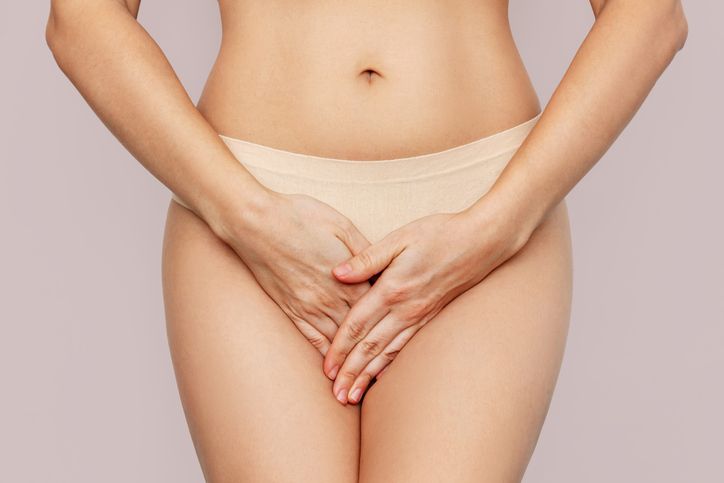
It’s not always easy to tell whether your vaginal muscles have lost firmness, and many women aren’t sure how to evaluate it themselves. Here, we’ll guide you through the three most common signs of laxity, along with a simple three-step self-check to help you better understand your intimate health.
Top 3 signs of vaginal laxity:
1. Your vaginal opening can easily fit more than two fingers.
2. You experience vaginal flatulence (air escaping from the vagina), also known as queefing.
3. During sex, you may feel a lack of tightness or fullness, and your partner might not experience the usual sense of grip or snugness.
3-Step Self-Check:
1. Choose a clean and safe environment.
2. Wash your hands thoroughly.
3. Gently insert two fingers into the vagina. If it feels snug, your pelvic muscles are likely still firm. If you can easily insert three fingers, it may be a sign of laxity.
Read More
2. The 5 Main Causes of Vaginal Laxity: Both Genetic and Lifestyle Factors Play a Role
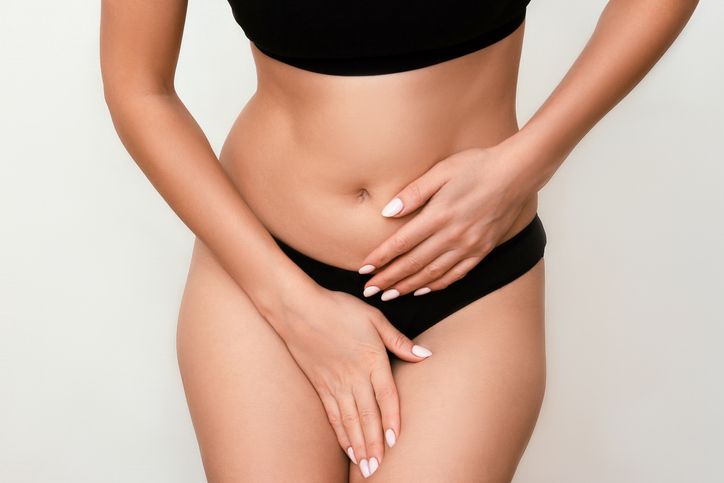
Although vaginal laxity may feel like a private issue, it's one that many women quietly face—and understanding the root causes is the first step toward caring for your intimate health. Let's take a closer look at the five key contributors, ranging from natural physiology to lifestyle habits.
1. Genetics & Body Type (Innate Factors)
According to OB-GYN Dr. Ng, every woman’s body is different—this includes skin elasticity, muscle tone, and vaginal tightness. Some women are naturally firmer, while others are looser or wider, and that’s completely normal. Just like some people have naturally flexible joints and others don’t, vaginal tone can also vary by genetics. These natural differences are nothing to be ashamed of.
2. Age & Hormonal Changes (Innate Factors)
As women reach their 40s and 50s and begin to go through menopause, hormonal changes like declining estrogen levels are common. These hormonal shifts can affect not only overall health but also lead to vaginal dryness and looseness.
Collagen—a protein produced in the skin’s deeper layers—plays a big role in retaining moisture and firmness. As collagen production naturally slows with age, it can lead to a loss of elasticity in the vaginal area, making it harder to maintain that firm, snug feeling during intimacy.
3. Childbirth (External Factor)
Whether you have a vaginal delivery or a C-section, pregnancy itself brings physical changes that can affect the vaginal area. Hormones released during pregnancy prepare the body for birth, causing the vaginal walls to stretch and loosen in anticipation.
Even with a C-section, vaginal changes can still occur due to these hormonal effects. Dr. Ng explains that while some women naturally regain tightness post-delivery without much effort, others may find recovery slower—even with regular toning exercises. Every woman’s recovery journey is unique.
4. Sexual Activity (External Factor)
The link between frequent sex and vaginal laxity is still up for debate. Dr. Ng points out that while the vagina is naturally elastic and can bounce back, each woman’s ability to recover differs. Sex frequency and certain positions may have a mild impact, but it’s not a hard rule.
Interestingly, some positions can cause more stretching than others. For example, missionary (man on top) tends to be gentler, while other positions may pull more on the vaginal muscles.
5. Crash Dieting & Weight Loss (External Factor)
Rapid weight loss, especially through extreme dieting, can lead to protein and collagen deficiency—both of which are essential for tissue firmness. Nutritionists stress that collagen can be replenished through a balanced diet, not just supplements. Foods like meat, fish, eggs, soy, and dairy are excellent sources. A nutritious diet supports overall body elasticity, including the vaginal area.
免費體驗
Fotona Vaginal Tightening Machine
1 Minute Self-Registration
Date should not be before minimal date
3. Tips to Enhance Comfort During Sex: 3 Key Factors That Affect Vaginal Tightness
When assessing vaginal tightness, three key factors come into play: the firmness of the vaginal opening, the condition of the vaginal mucosa (also known as the sponge-like inner tissue), and the strength of the pelvic floor muscles. Let’s take a closer look at how these elements contribute to overall vaginal firmness and comfort during intimacy.
1. Vaginal Opening Tightness
The ability to tense or relax the vaginal opening plays a crucial role in sexual intercourse and can influence how tight the partner perceives it to be. However, if a woman feels anxious, hasn’t had sex for a long time, or lacks experience, it can cause involuntary tightening of the vaginal opening. Forcing penetration in such cases may result in discomfort or even pain.
These fluctuations in tension are closely linked to both physiological and psychological states. Understanding this can enhance comfort and pleasure during intimacy, while also highlighting the importance of mutual consent, communication, and respect in creating a positive sexual experience.
2. Collagen Levels
Collagen plays a major role in maintaining the firmness and elasticity of vaginal tissues. Adequate collagen intake through diet helps create a snug, enveloping sensation during penetration. However, if a woman’s diet is lacking—especially due to excessive dieting—collagen levels may decrease, resulting in reduced tightness.
Since collagen supports vaginal structure and elasticity, maintaining balanced nutrition is essential not just for intimate health but overall wellbeing. Women working toward weight loss should be mindful of preserving adequate collagen intake.
3. Pelvic Floor Muscle Strength
Vaginal firmness is closely related to the strength and tone of the pelvic floor muscles. During intercourse, contracting these muscles can significantly enhance the sensation of tightness for both partners. Regular workouts, especially pelvic floor exercises, can boost muscle strength and control, improving sexual pleasure and body awareness.
4. How Pelvic Floor Muscles Affect Vaginal Firmness: Are Overweight Women More Prone to Vaginal Laxity?
The pelvic floor is a crucial muscle group responsible for supporting the bladder, vagina, and rectum. When these muscles weaken, it can lead to issues such as urinary incontinence and vaginal laxity. Beyond that, they help support internal organs like the uterus, which are naturally pulled downward by gravity.
Dr. Wu shared a case of a woman whose extremely weak pelvic floor caused her uterus to prolapse entirely. This underscores just how vital pelvic floor health is. He also noted that being overweight increases pressure on these muscles, intensifying the effects of gravity and making vaginal laxity more likely in heavier women.
In short, strong pelvic floor muscles are essential for reproductive health and overall quality of life. Maintaining a healthy weight, doing regular pelvic floor exercises, and consulting with a medical professional when needed are all important steps in protecting this often-overlooked area of women’s health.
5. 3 Simple Tricks to Feel Tighter! More Sex, Better Firmness?
It's perfectly normal for women to care about vaginal tightness—especially when it comes to enjoying intimacy. Below are three simple, effective techniques that can help you feel firmer and enhance your sexual experiences. Whether you're looking to try something new or deepen your bond with your partner, these tips are worth trying.
1. Have Regular Sex
Regular sexual activity helps keep the vaginal muscles active and engaged. During sex, the pelvic muscles naturally contract and work, which supports overall tightness. In addition to sexual activity, exercises like squats and other strength training movements are also highly beneficial. Without regular movement, vaginal muscles may become weaker over time.
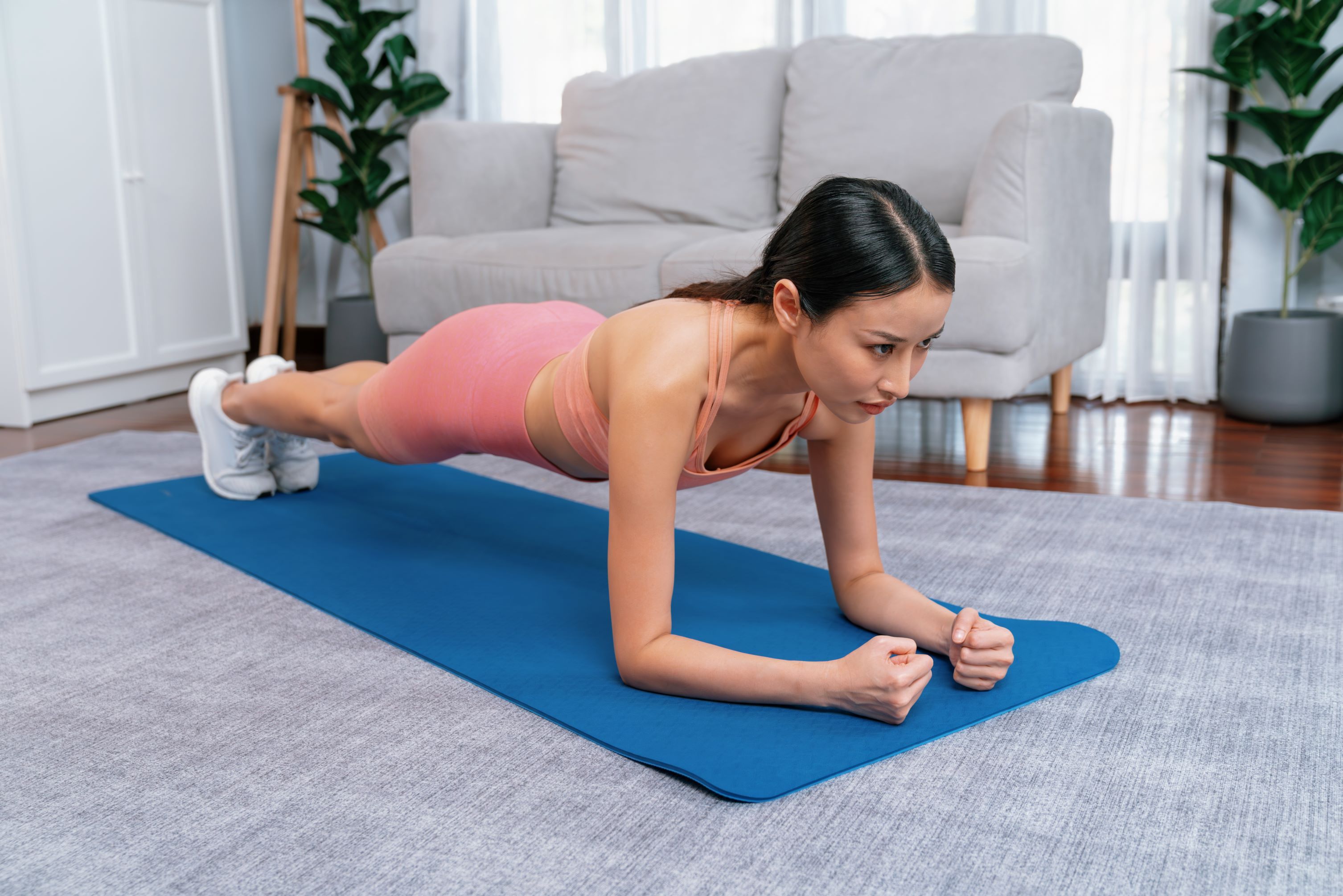
2. Incorporate More Physical Activity
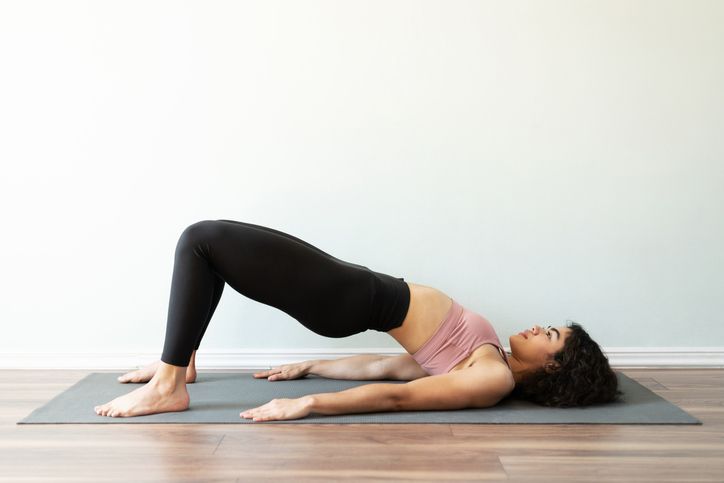
Exercise in general—like swimming and jogging—can strengthen your pelvic region. To specifically target the vaginal area, try doing bridge lifts or squats. During bridge lifts, hold your hips at the peak position for 10 seconds. Do 10 reps per set, 3 sets daily.
For squats, make sure to push your hips forward as you rise, holding the position for 10 seconds. Again, aim for 10 reps per set, 3 sets daily. These focused moves help tone the surrounding muscles and improve both tightness and flexibility.
3. Practice “Pee-Holding” Exercises
Also known as Kegel exercises, one great trick is to try stopping your urine midstream. Once you're familiar with this sensation, practice the same muscle control throughout the day. These exercises are easy, discreet, and highly effective in strengthening the pelvic muscles—resulting in a firmer, more responsive vaginal feel.
免費體驗
Fotona Vaginal Tightening Machine
1 Minute Self-Registration
Date should not be before minimal date
Read More
6. A 4-Step Kegel Guide: Tighten Up in Just 10 Minutes a Day
When people talk about “tightening exercises,” they’re usually referring to pelvic floor training—specifically Kegel exercises, introduced by gynecologist Dr. Arnold H. Kegel. These exercises target the deep, internal muscles that support your bladder, uterus, and rectum, making them vital for preventing organ prolapse and incontinence.
Although pelvic muscles can’t be seen, they have a profound impact on your health and sex life. Doing Kegels correctly and consistently can significantly improve your body’s internal support system.
Here’s how to do Kegels in 4 simple steps:
1. Lie down flat and begin to gently contract your pelvic floor muscles.
This position allows your body to relax and eliminates the effect of gravity, making it easier to focus on the correct muscle group.
2. Take a deep breath, relax the rest of your body, and then slowly begin tightening your pelvic muscles.
Hold the contraction for 5 to 10 seconds.
3. Gently release the contraction.
Each full cycle of squeezing and relaxing counts as one repetition. Try to really feel the muscles working during each part of the movement.
4. Do 10 reps per set, 3–5 sets a day.
Kegel exercises are discreet and can be done almost anywhere. However, beginners may find it easier to start while lying down, especially in the morning or before bed. Making it part of your daily routine helps ensure long-term results. With consistent effort, you’ll build strength and endurance in your pelvic floor and enjoy noticeable health benefits.
7. Combat Vaginal Laxity with Perfect Medical’s Fotona Intimate Laser Treatment
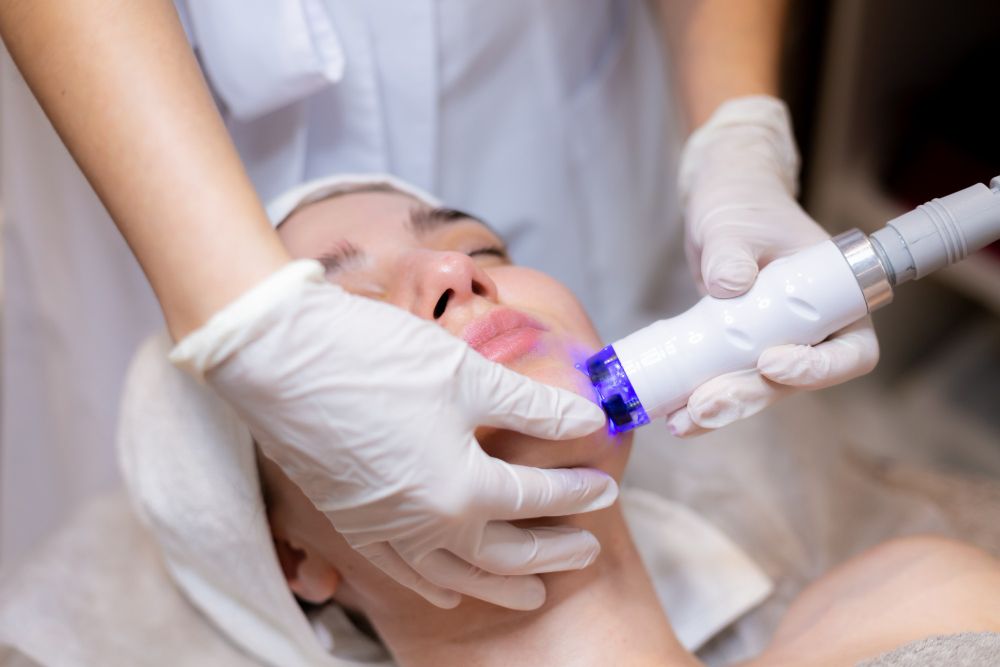
One of the most effective ways to address vaginal laxity is through professional treatment. Compared to surgical options or hyaluronic acid injections, Perfect Medical’s Fotona Intimate Laser offers a faster, longer-lasting solution for vaginal tightening. The treatment is FDA-cleared and uses advanced, non-invasive technology to ensure safety and efficacy.
The procedure involves inserting a laser probe into the vagina, where it uses patented Golden 360™ ring-emission technology to deliver fractional laser energy. This stimulates collagen regeneration and promotes tightening of the inner vaginal tissues. As a result, the vaginal wall becomes thicker and firmer. The treatment also improves the external appearance by enhancing color and shape while reducing bacterial buildup and unpleasant odor. In addition, it may help relieve symptoms of urinary frequency caused by vaginal laxity.
The Fotona treatment is especially recommended for postpartum mothers or women concerned about vaginal health. If you’re experiencing vaginal looseness, dryness, or frequent urination, don’t miss this chance to restore your intimate wellness. Click the link now to register and book your appointment—you may even qualify for a free trial session! Spots are limited, so act fast.
免費體驗
Fotona Vaginal Tightening Machine
1 Minute Self-Registration
Date should not be before minimal date
FAQ

At what age should women start doing pelvic floor exercises?
Pelvic floor training can begin in late adolescence or early adulthood. However, pregnancy, childbirth, and aging are key stages where the pelvic floor muscles may become weaker, making these times especially important for starting such exercises.
Are vaginal weights or tightening pills effective?
Vaginal weights (also called Kegel balls) can help strengthen the pelvic floor. They usually come in different weights to suit individual needs. To use them, insert the ball gently into the vagina and use your pelvic muscles to hold it in place. This type of resistance training can help improve muscle tone and flexibility.
Do virgins need to do pelvic floor training?
Yes. Pelvic floor exercises are beneficial for all women, including virgins, as these muscles support the bladder, vagina, and rectum. The exercises function like any other muscle workout and are recommended daily to improve strength and flexibility.
What are the effects of vaginal laxity?
Vaginal laxity can impact sexual pleasure for both partners, but it may also lead to “vaginal flatulence” (commonly called “queefing”)—a sound similar to passing gas, but caused by air escaping from the vagina.
Can miscarriages cause vaginal laxity?
Yes, in some cases. Many miscarriages require surgical intervention, which may affect vaginal tissues and muscles. Doctors have observed that women who undergo multiple surgical abortions are more likely to experience vaginal laxity. The procedures can weaken or damage the vaginal structure over time.