- Home
- Trend
- Weight Loss Strategies
- Acne Tips
- Hair Health Information
- Blemish Removal Tips
- Acne Scar Removal Tips
- Muscle Building Techniques
- Intimate Care Tips
- Postpartum Intimate Care
- Eye Bags Wiki
- Tips for Face Slimming
- Secret of Permanent Hair Removal
- Breast Enlargement Tips
- Cure to Snoring
- Marionette Lines
- Skin-Tightening Secrets

As more women begin to prioritize intimate health, interest in vaginal tightening treatments—such as laser-based devices and electromagnetic chairs—is on the rise. But what exactly is the difference between a vaginal tightening laser device and the HIFEM (High-Intensity Focused Electromagnetic) chair, often referred to as the “happiness chair”? We break it all down in a side-by-side comparison to help you understand which option may help address vaginal dryness, itching, urinary leakage, urgency, or even incontinence.

1. Don’t Wait on Intimate Care—Pelvic Floor Issues Can Be Reversed with the Right Treatment
Vaginal laxity is becoming a hot topic in women’s wellness. With more doctors and health professionals speaking openly about it, many women are starting to take their intimate health seriously—and are becoming more open to discussing vaginal tightening treatments, devices, and even intimate care products.
In fact, far more women need help than you might think. Doctors estimate that 70–80% of middle-aged women experience issues like urinary leakage, vaginal dryness, and laxity—but most simply suffer in silence. Now that safe, effective treatments like vaginal lasers and the HIFEM chair are widely available, there’s no need to stay quiet or feel embarrassed anymore.
Want to regain your quality of life? Tired of dealing with dryness, itching, leaks, or lackluster intimacy? This guide breaks down everything you need to know about vaginal tightening treatments—starting with a head-to-head comparison chart.
2. No Needles, No Stitches—Just High-Tech Intimate Rejuvenation
What is a Vaginal Tightening Laser? How Does It Help?
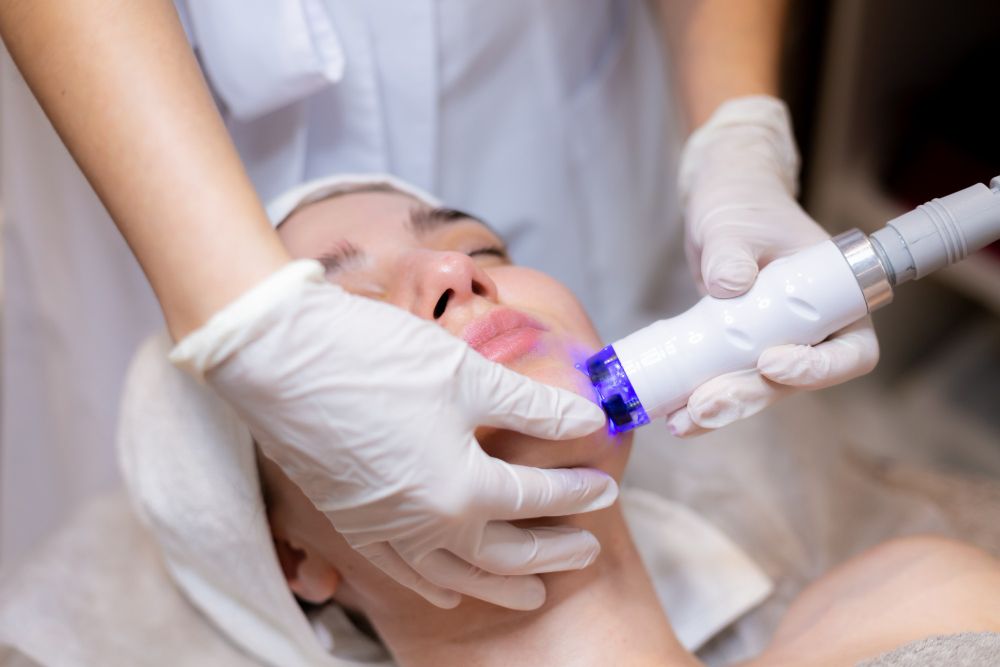
Laser vaginal rejuvenation treatments—like the Fotona IntimaLase—are designed to restore vaginal tightness and elasticity by stimulating collagen production in the vaginal walls. This thickens and strengthens the tissue, boosts natural moisture, and helps smooth the inner walls of the vagina. These effects reduce bacterial overgrowth, eliminate odor, and help prevent vaginal infections. It can also improve the appearance of the vulva, restoring tightness and a more youthful pink tone.
As the name suggests, the core function of the Fotona laser is to tighten the vaginal canal.
What About the Urethra?
The vaginal canal and urethra are located closely together, and when one area becomes compromised—say, due to infection or weakened muscles—the other is often affected too. That’s where pelvic floor health comes in.
The pelvic floor acts like a supportive sling for the bladder, bowel, and uterus. When it weakens (due to age, childbirth, weight gain, etc.), these organs can shift downward, putting pressure on the bladder and making it harder to control urination. This leads to problems like leakage, frequent urges, and even incontinence.
While the vaginal laser focuses on internal tightening, it also indirectly strengthens surrounding tissue and muscles—including the pelvic floor. That’s why it can help reduce symptoms like urinary frequency and leakage, especially when caused by muscle laxity.
How Does It Work?
Let’s answer the question everyone’s wondering: Yes, the laser’s applicator is inserted inside the vagina. But the treatment is based on a “controlled damage leads to regeneration” principle.
Different brands use different technologies—like ultrasound, radiofrequency, or laser. The Fotona IntimaLase uses a patented Erbium:YAG laser, which emits a 360° fractional beam deep into the vaginal walls to create thermal stimulation. This heat contracts tissue instantly while triggering collagen remodeling over time, improving lubrication, tightening the vaginal wall, and even lightening the color of the vulva.
In essence—it’s like a non-invasive skin tightening treatment, but for your most intimate area.
免費體驗
Fotona Vaginal Tightening Machine
1 Minute Self-Registration
Date should not be before minimal date
3. Laser or Chair? Let’s Compare
Both the vaginal laser and the HIFEM chair aim to strengthen pelvic floor muscles and improve intimate health—but they do so in different ways.
Here’s a side-by-side comparison to help you decide:
| Feature | Vaginal Tightening Laser (Fotona) | HIFEM Chair (e.g., “Happiness Chair”) |
|---|---|---|
| Technology | Erbium:YAG fractional laser | High-Intensity Focused Electromagnetic (HIFEM) |
| Invasiveness | Probe inserted into vaginal canal | Non-invasive—you remain fully clothed |
| Key Benefits | Tightens vaginal walls, boosts moisture, lightens pigmentation | Strengthens pelvic floor muscles to improve vaginal and urinary function |
| Sensation During | Slight discomfort or awkwardness from probe insertion | Gentle, repetitive pelvic muscle contractions—painless |
| Downtime | 2–7 days; avoid intercourse during recovery | No downtime; resume normal activities immediately |
Still Not Sure Which to Choose? Here’s a Quick Guide:
• Choose the Vaginal Laser if… your main concern is dryness, laxity, or pigmentation of the vulva. The laser is fast-acting and particularly effective for restoring the look and feel of the vaginal canal.
• Choose the HIFEM Chair if… you struggle with bladder control, leakage, or pelvic floor weakness—especially after childbirth, menopause, or weight gain. It’s ideal for rebuilding core muscle support.
4. Do You Need Vaginal Tightening? Here’s Why You Might
Reason 1: Menopause or Hormonal Decline
After menopause, estrogen levels drop, leading to thinner, drier, and weaker vaginal tissues. This is why so many women experience dryness, itching, and increased infection risk. Treatments like the Fotona laser or HIFEM chair can help restore tissue strength, moisture, and elasticity.
Reason 2: Childbirth—Natural or C-Section
Vaginal delivery often stretches the birth canal, but even C-section moms aren’t exempt. Hormonal shifts during pregnancy can loosen pelvic floor muscles, weaken the vaginal wall, and lead to urinary issues post-birth. If left untreated, these issues often worsen over time.
Reason 3: Obesity
Excess weight puts pressure on your abdominal cavity, which in turn strains the pelvic floor. This can lead to bladder control issues, constipation, and even pelvic organ prolapse over time.
Reason 4: Chronic Constipation
Straining during bowel movements repeatedly can damage the pelvic floor, leading to weakness and organ descent. Over time, this contributes to both vaginal and urinary problems.
5. Other Vaginal Tightening Options Besides Laser Treatment
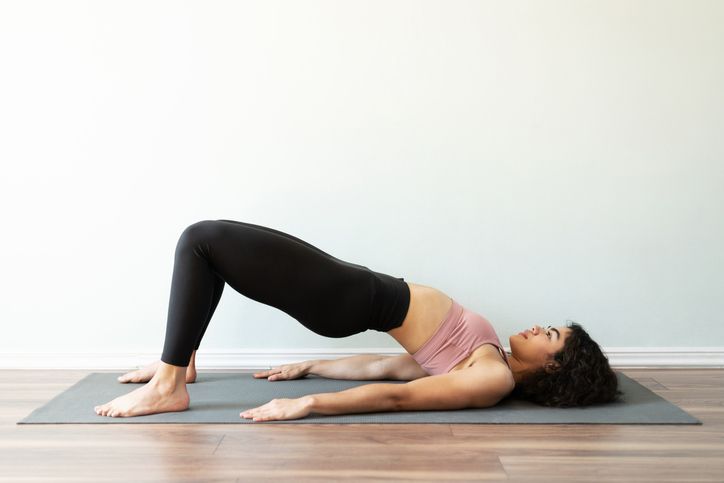
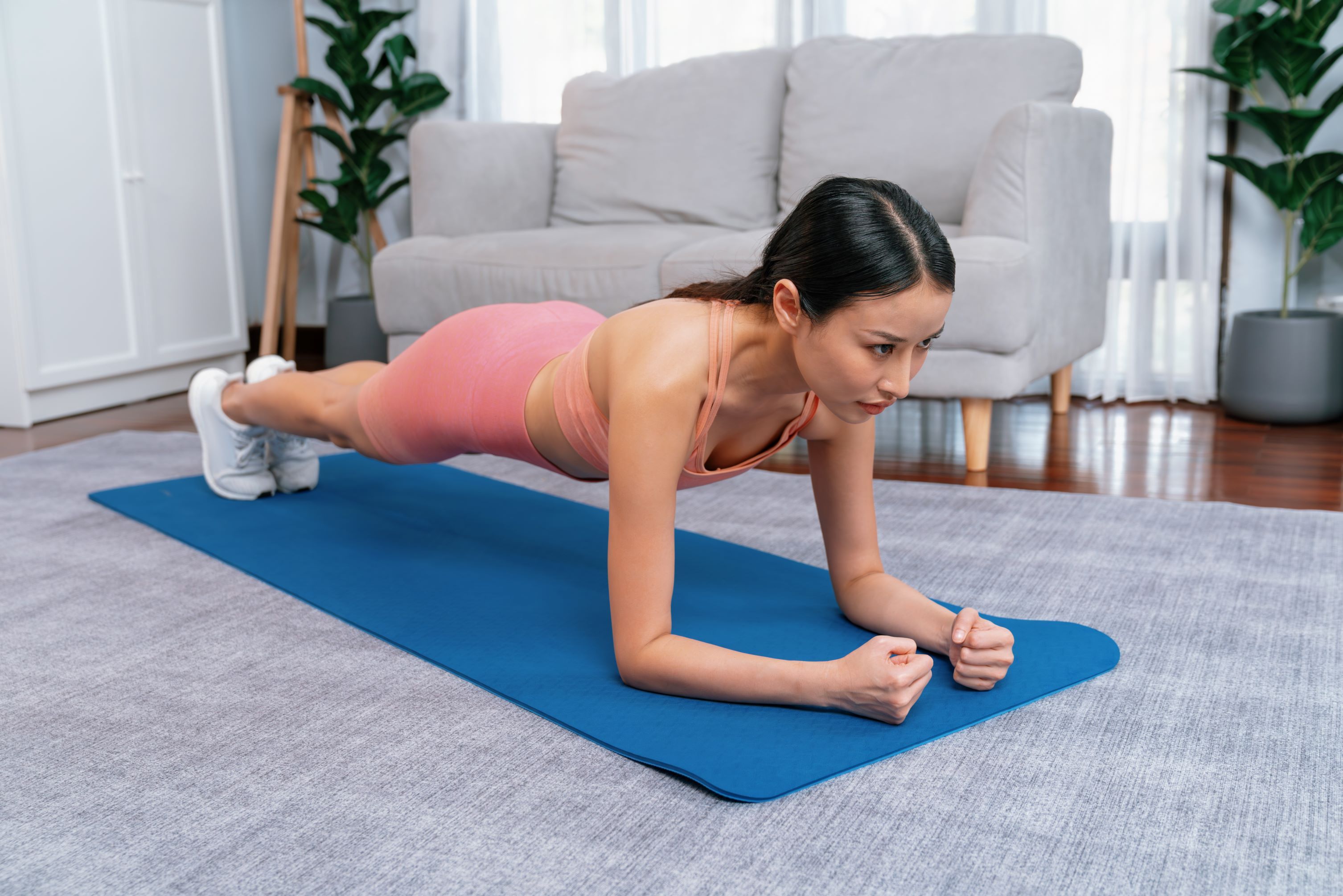
Option 1: Pelvic Floor (Kegel) Exercises
These can be done anytime, anywhere. Just squeeze the muscles you’d use to stop urine flow, hold for 5 seconds, and release. Aim for 30–50 reps per day.
Option 2: Vaginal Weights (Kegel Balls)
These weighted devices help train your muscles by adding resistance—but must be used carefully. Improper hygiene can lead to infections, and many women find them uncomfortable for long-term use.
Option 3: Surgical Vaginal Tightening
For severe laxity, surgery may be required. It involves removing excess tissue and stitching the vaginal walls tighter. While effective, surgery involves downtime, potential complications, and future birth limitations (no more vaginal delivery).
免費體驗
Fotona Vaginal Tightening Machine
1 Minute Self-Registration
Date should not be before minimal date
6. Want a Safe, Quick, and Natural Way to Tighten? Try Fotona Laser Treatment
If you’re dealing with vaginal dryness, discomfort, or urinary symptoms and want a solution that’s fast, non-surgical, and clinically proven—the Fotona IntimaLase is your go-to.
Many women don’t realize how common these issues are—or how simple they are to fix. Whether it’s menopause, childbirth, or just aging, you can restore intimate wellness and confidence without surgery or pills.
The Fotona treatment uses the world’s only patented 360° ring laser with non-invasive European-certified technology. In just 8–10 minutes, it rejuvenates the vaginal canal, improves moisture, tightens the opening, and even restores the youthful tone of the outer vulva.
Clinically backed. Efficient. Comfortable. No wonder it’s one of the top feminine wellness solutions worldwide.
Ready to learn more about the Fotona Vaginal Tightening Laser? Click below to book your first discounted trial session—limited-time only!
免費體驗
Fotona Vaginal Tightening Machine
1 Minute Self-Registration
Date should not be before minimal date
FAQ

What’s the difference between a vaginal tightening laser and the HIFEM “Happiness Chair”?
The Fotona vaginal laser and the HIFEM chair are often compared, but they serve different purposes.
Which one is right for me: the laser or the HIFEM chair?
If you’re dealing with vaginal dryness, itching, slackness, or pigmentation, the Fotona laser provides targeted results and is highly effective at improving intimacy and daily comfort.
Are there any natural ways to tighten the vagina?
If you’re looking to improve vaginal tone and intimacy quality without medical devices, here are two natural options:
What kinds of vaginal rejuvenation surgeries are there?
Laser treatments stimulate collagen growth and improve tightness and bladder control. Surgical methods involve trimming loose tissue and stitching the area tighter. Surgery comes with risks and a longer recovery period.
Any non-exercise treatments to recommend?
Yes! Perfect Medical’s Fotona Vaginal Tightening Machine Treatment uses advanced laser technology to restore tightness and moisture, enhance collagen production, and reduce urinary issues—quickly, safely, and painlessly.