- Home
- Trend
- Weight Loss Strategies
- Acne Tips
- Hair Health Information
- Blemish Removal Tips
- Acne Scar Removal Tips
- Muscle Building Techniques
- Intimate Care Tips
- Postpartum Intimate Care
- Eye Bags Wiki
- Tips for Face Slimming
- Secret of Permanent Hair Removal
- Breast Enlargement Tips
- Cure to Snoring
- Marionette Lines
- Skin-Tightening Secrets

Worried about abdominal muscle separation after childbirth? You're not alone—but it’s not as scary as it sounds! This article breaks down how to check for diastasis recti (abdominal separation) yourself, and shares three effective exercises to help repair your core. With consistent effort, you can absolutely improve your postnatal health and quality of life.

1. Understanding Your Core Muscles
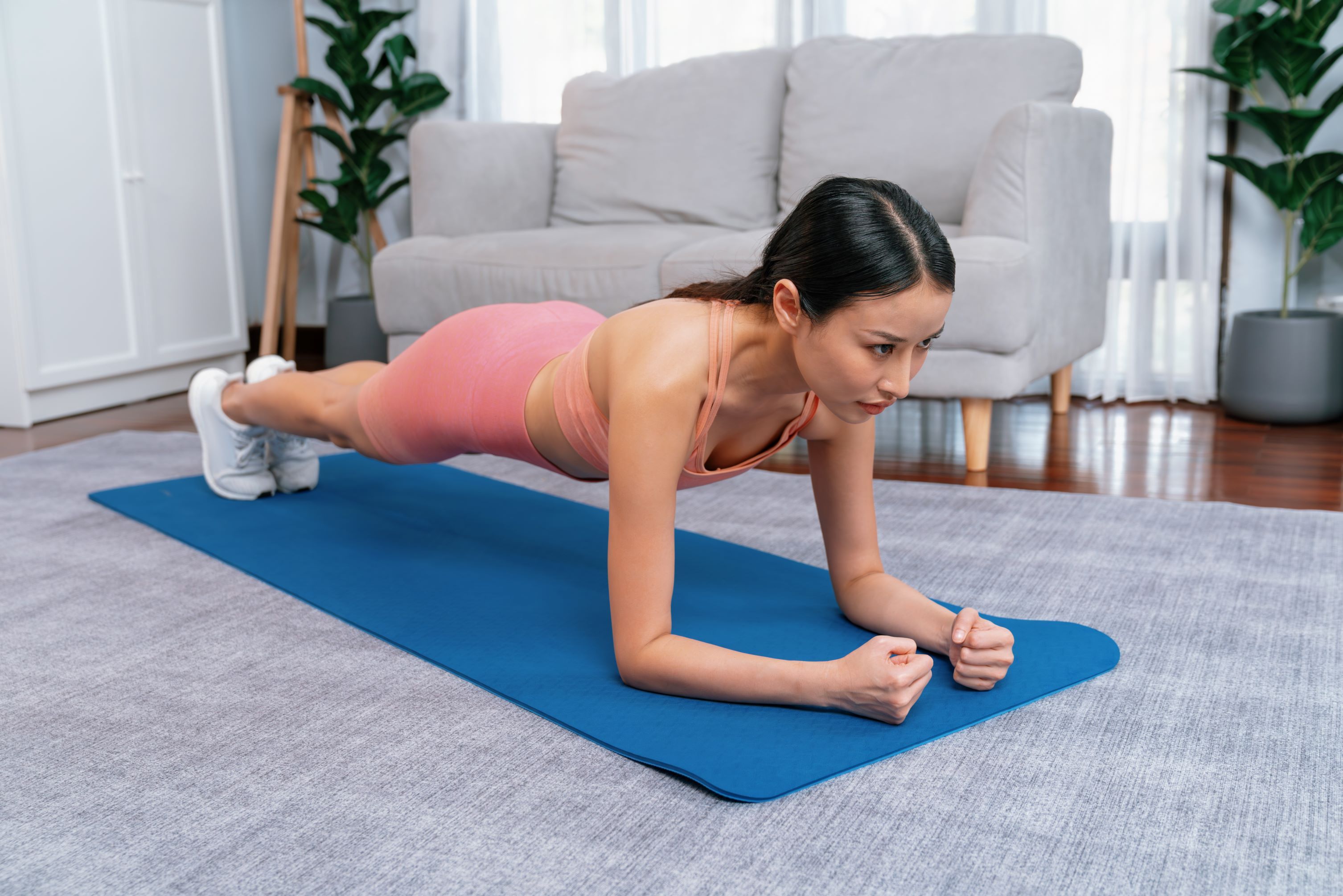
We’ve all heard of the core, especially those who work out regularly. The core refers to the muscle groups that stabilize your spine, pelvis, and trunk. These include the abdominal muscles, back muscles, connective tissues, and more.
Some of the key core muscles hiding beneath the surface include the erector spinae, quadratus lumborum, pelvic floor, multifidus, transverse abdominis, internal and external obliques—and most importantly for today’s topic, the rectus abdominis. These muscles work together to maintain posture, protect internal organs, and help you move freely throughout the day.
2. What Is Abdominal Muscle Separation?
The rectus abdominis is the long, flat muscle running vertically down your midsection above your belly button. In the center lies the linea alba—a fibrous tissue similar to a ligament that helps transfer muscle force across the core.
Diastasis recti (abdominal separation) occurs when pressure from pregnancy causes the linea alba to stretch and lose tension. As the abdominal muscles weaken, the rectus abdominis separates, often leaving a noticeable gap. This is common among postpartum women, especially after multiple pregnancies, larger babies, or increased abdominal pressure. If left unaddressed, the condition can worsen and even affect nearby organs.
免費體驗
Fotona Vaginal Tightening Machine
1 Minute Self-Registration
Date should not be before minimal date
3. Who’s at Risk?
While postpartum women are most affected, abdominal separation isn’t exclusive to them. Men with poor dietary habits and excess belly fat can also develop this issue.
Other high-risk groups include:
• Sedentary individuals: Lack of core strength makes the abdominal wall more prone to overstretching during pregnancy.
• C-section patients: Surgery involves cutting through the abdominal wall and fascia, making muscle recovery more difficult. Maintaining a healthy weight and staying active are key to minimizing risk.
4. 3 Types of Abdominal Separation + How to Self-Test
How to Check for Diastasis Recti:
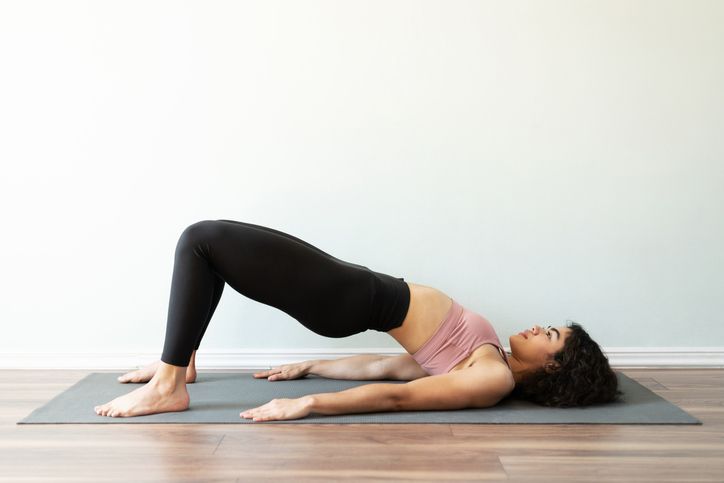
Lie on your back with knees bent and feet flat on the floor. Slowly lift your upper body like you're doing a crunch, but keep your abdomen flat. With your fingers, press along your midline to feel the gap between your abdominal muscles.
• 1-finger width: Mild separation. Your core likely stayed active before pregnancy and should recover within 6 months.
• 2-finger width: Most common postpartum case. Using a support belt and staying active can help heal the gap within 6–8 months.
• 3-finger width or more: Severe separation. Often caused by multiple pregnancies, large babies, or excess amniotic fluid. These cases may take longer to recover and may require additional support.
4 Common Causes of Abdominal Separation:
1. Excess Weight Gain
Too much weight—whether during or after pregnancy—can strain the abdominal muscles. Fat accumulation around the belly puts pressure on the core and can force the muscles apart. Postpartum “recovery foods” high in sugar and calories may worsen the issue if consumed in excess.
2. Overtraining the Abs
Both men and women who overtrain their abs—especially the rectus abdominis—without strengthening supporting muscles like the transverse abdominis may risk overstretching the linea alba, leading to separation.
3. Hormonal Imbalances
During pregnancy and breastfeeding, increased estrogen levels promote fat storage around the abdomen. While this protects the baby, excess fat can loosen the linea alba and make separation worse.
4. External Trauma or Surgery
Abdominal surgery, including C-sections, can weaken the core. The healing process takes time, and scar tissue may reduce elasticity and coordination in the abdominal muscles.
5. 5 Common Symptoms of Abdominal Muscle Separation
Up to 80% of postpartum women experience at least one of these:
1. Lower Back Pain
The core helps support the spine. When weakened, the body overcompensates, putting strain on the lower back.
2. Urinary Incontinence
With the core compromised, pelvic floor muscles can’t contract effectively. Even small movements like sneezing, coughing, or going downstairs may cause leakage.
3. Stretch Marks
As the skin and muscles stretch during pregnancy, stretch marks—especially around the belly button—can form and linger long after childbirth.
4. Persistent Belly Pooch
A separated core can leave a visible bulge or “mummy tummy.” It can also affect how your clothes fit, especially around the waist, and take a toll on self-confidence.
5. Digestive Issues
When abdominal muscles no longer support the intestines, organs may shift. This can lead to bloating, constipation, and in rare cases, tissue damage or hernias if left unaddressed.
免費體驗
Fotona Vaginal Tightening Machine
1 Minute Self-Registration
Date should not be before minimal date
6. How Can You Treat Diastasis Recti? Here Are the Best Tools and Therapies to Help You Heal
Medical Abdominal Binders & Shapewear
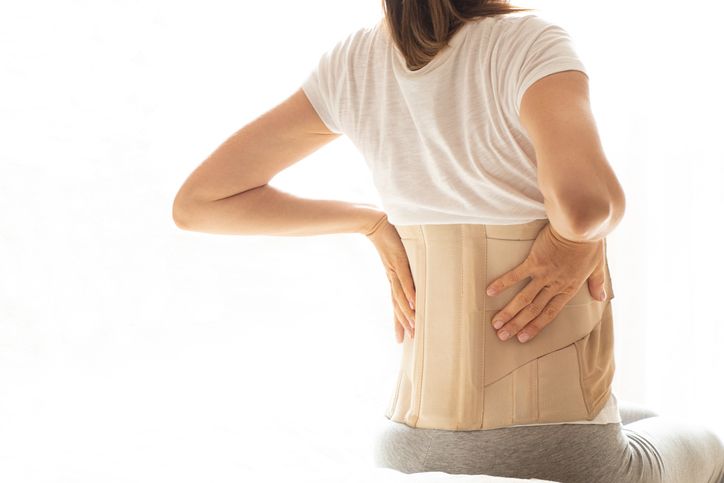
After giving birth, many women use medical-grade abdominal binders or postpartum compression garments to help support their healing abdominal muscles. Abdominal binders are especially recommended after a C-section to stabilize the incision, reduce discomfort, and minimize sagging or bloating. But even moms who had a natural delivery can benefit from using one!
That said, shapewear is slightly different. While it’s designed to sculpt your figure, it’s not recommended during the early postpartum healing period—especially for moms with fresh wounds. Stick with medical binders early on, and only transition to shapewear once you’re fully recovered.
Non-Invasive Fat Reduction Treatments
Since diastasis recti often leads to a postpartum belly pooch, many moms explore non-invasive fat reduction treatments as a faster way to regain core definition. These aesthetic treatments are safe and effective, particularly for women who are still physically vulnerable after childbirth.
Most of these therapies target both muscle toning and fat loss, aiming to build core strength (especially the rectus abdominis) without needing to exercise, while also lowering overall body fat. This dual approach helps close the gap more efficiently and gives the abdomen a firmer, flatter look.
Abdominal Muscle Stitching (Surgical Repair)
For severe cases, abdominal muscle repair surgery offers the most direct fix. This invasive procedure physically sutures the muscles back together, providing instant results. However, it comes with a longer recovery period, more aftercare, and potential surgical risks. Complications such as scarring or post-op side effects can occur if not handled properly—so this option is usually reserved for those with significant separation or unresolved symptoms after conservative treatments.
7. 3 Gentle Exercises to Train Your Core Daily
Just three simple movements a day can help reconnect your abdominal muscles and strengthen your core—no gym required!
Move 1: Air Cycling (Bicycle Legs in the Air)
This is a favorite postpartum exercise among doctors and physiotherapists. It combines deep breathing with gentle core engagement.
How to do it: Lie flat on a yoga mat, point your toes up, and imagine you're pedaling an invisible bicycle. Alternate your legs in a forward cycling motion. This movement helps activate and tighten the rectus abdominis, improving overall core strength and reducing postpartum abdominal slack.
Move 2: Supine Leg Raises
Start in the same position—lying flat on your back. Raise both legs upward at the same time, keeping them close together. Unlike the cycling motion, you’re simply lifting both legs as high as you comfortably can. Place your palms flat beside your hips for support, and only use your core muscles to lift. Stop when you reach your limit, then slowly lower your legs.
Move 3: Kneeling Leg Lifts
This move is gentler than the previous two. Begin on your hands and knees on a yoga mat. Keep your palms flat and arms extended for balance. Alternate lifting one leg at a time behind you, imagining you're gently pushing your foot back—not using your lower back, but engaging the glutes and core instead.
Bonus Tip: Develop Healthy Daily Habits
Even the most effective treatment or exercise program needs the support of a healthy lifestyle to truly work. Pay attention to the small habits in your day-to-day routine—they matter more than you think.
Focus on:
• Balanced meals
• Regular sleep (aim for 8 hours a night)
• Avoiding late nights
• Mental wellness and positive thinking
These adjustments can significantly speed up your diastasis recti recovery and boost your overall postpartum health.
8. Editor’s Review: Can the BTL Emsella Treatment Really Help with Diastasis Recti and Women’s Health Issues?
Let’s be honest—10 out of 10 moms experience some level of diastasis recti. I’m no exception.
If you’re struggling with abdominal separation, loose belly skin, frequent urination, leakage, or vaginal laxity—but you’re busy with work or caring for your baby and can’t commit to regular workouts—you’re not alone. That was exactly my situation before I tried the BTL Emsella Treatment at Perfect Medical.
I decided to give it a go because the ads were everywhere, and the first trial was free. I mean—why not?
So, What Was It Like?
The treatment was as simple as sitting on a chair for 20–30 minutes. That’s it. No pain, no needles, no downtime.
The most surprising sensation? My pelvic floor muscles started contracting on their own, like they were doing Kegels without me even trying. It wasn’t uncomfortable—just intense in a way that felt oddly empowering. After giving birth, I honestly couldn’t feel or control those muscles anymore. But with this treatment, it was like waking them up again.
The Science Behind It
BTL Emsella Treatment uses HIFEM™ patented technology—a high-intensity focused electromagnetic energy that stimulates the pelvic floor and rectus abdominis. It helps rebuild muscle control, reduce belly fat, and tighten vaginal tissues—all without a single squat or crunch. The best part? The treatment is internationally certified and trusted by professionals.
My Results
After researching more, I decided to invest in a full course. Even though my abdominal separation was moderate and I knew it would take time, early treatment leads to better results. I didn’t want to risk letting the gap widen or become permanent.
Now, my core looks and feels much stronger. I’ve seen visible toning and firming—and friends and fellow moms keep asking how I did it! So here’s the scoop:
All I did was spend one minute signing up online to receive a free professional body analysis + trial session of the BTL Emsella Treatment. The offer has limited slots and works on a first-come-first-served basis, so don’t miss out if you’re thinking of trying it too!
免費體驗
Fotona Vaginal Tightening Machine
1 Minute Self-Registration
Date should not be before minimal date
FAQ

How do I know if I have diastasis recti?
Use your fingers to feel the gap between your abdominal muscles. If it’s wider than two fingers, you likely have diastasis recti.
Will it heal on its own?
In many cases, yes—especially within 6 to 12 months postpartum. But everybody is different, and some women need extra support to fully close the gap.
Which doctor should I see for diastasis recti?
A plastic surgeon is the specialist for surgical diastasis recti repair, especially for severe cases requiring muscle suturing.
How can I prevent diastasis recti?
Stay active and strengthen your core before and during pregnancy (with professional guidance). A strong core makes postnatal recovery easier and faster.
When can I start exercising again postpartum?
Most moms can begin gentle core exercises 2–3 weeks after delivery, but always check with your doctor first and allow your body to rest properly.