- Home
- Trend
- Weight Loss Strategies
- Acne Tips
- Hair Health Information
- Blemish Removal Tips
- Acne Scar Removal Tips
- Muscle Building Techniques
- Intimate Care Tips
- Postpartum Intimate Care
- Eye Bags Wiki
- Tips for Face Slimming
- Secret of Permanent Hair Removal
- Breast Enlargement Tips
- Cure to Snoring
- Marionette Lines
- Skin-Tightening Secrets

Many people assume that frequent sex leads to vaginal laxity—but according to OB-GYNs, this is a major misconception. The vagina is highly elastic, and even with regular sexual activity, it doesn't become permanently loose. So, what actually causes vaginal laxity? And how can you strengthen the vaginal muscles to improve firmness? If you're looking to maintain intimate health, don’t miss this important guide.

1. How to Tell If You Have Vaginal Laxity
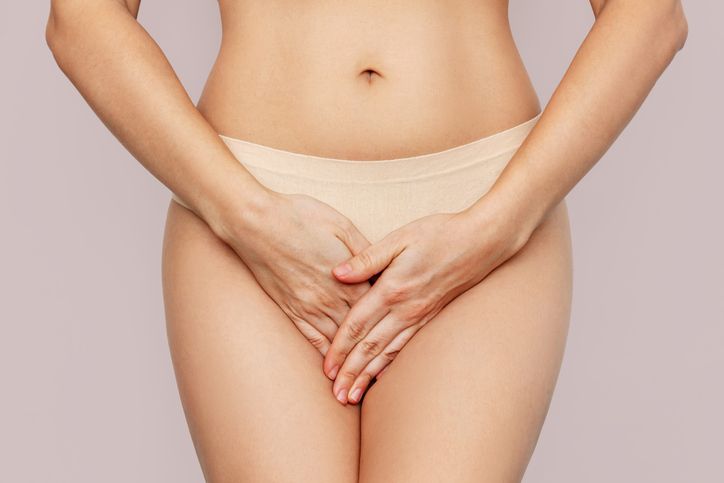
If your partner seems less satisfied during sex, it's natural to worry whether your vagina has become loose. While reduced sensation during intercourse can be a sign of laxity, it's not the only indicator. Here’s a simple self-checklist to help you evaluate your vaginal tone:
Vaginal Firmness Self-Assessment Checklist
☐ 1. You experience urine leakage when coughing, running, or laughing. ☐ 2. Your partner has mentioned that intercourse feels looser than before. ☐ 3. You notice reduced vaginal discharge, dryness, itching, or pain during sex. ☐ 4. You have given birth before. ☐ 5. You often feel a heavy or dragging sensation in the lower abdomen. ☐ 6. You hear air escaping from the vagina during sex (queefing). ☐ 7. You urinate frequently—more than 8 times a day. ☐ 8. You’ve experienced significant weight gain or extreme dieting.
How to interpret your results:
• If you checked at least one box from items 1–3, or
• If you checked three or more boxes from items 4–8,
…it may indicate a higher likelihood of vaginal laxity. In this case, it’s recommended to consult a gynecologist to evaluate your intimate health.
2. The 6 Main Causes of Vaginal Laxity

While many believe frequent sex causes the vagina to become loose, doctors have clarified that this isn't true. The vagina is designed to be elastic, and it doesn’t lose tightness easily. Yet, many women still experience vaginal laxity—so what are the real culprits?
1. Natural Childbirth
Giving birth—especially vaginal delivery—is one of the leading causes of vaginal laxity. During childbirth, the baby stretches the vaginal canal, which can lead to postnatal looseness. However, if the baby isn’t too large and labor isn’t overly prolonged, the strain on the vaginal opening is typically minimal. With proper rest and targeted exercises, women can regain vaginal muscle tone.
2. Aging
Most women who experience vaginal laxity are middle-aged. As we age, levels of estrogen and collagen decrease, which can reduce the elasticity of vaginal muscles and cause dryness or itching. These symptoms are especially common during menopause and can impact quality of life and intimacy.
3. Extreme Weight Loss
Many women diet to stay slim, but unhealthy or extreme weight loss can deprive the body of essential nutrients and accelerate collagen loss. As a result, vaginal tissues lose support, become dry, and feel less firm.
4. Excessive Sugar Intake
Sugar isn’t just bad for skin—it also affects intimate health. After consumption, sugar triggers the formation of advanced glycation end-products (AGEs), which damage collagen and elastin fibers. This speeds up tissue aging, making the vaginal muscles drier, looser, and less elastic. Women who regularly consume sugary foods or drinks are more likely to develop laxity.
5. Chronic Coughing or Constipation
Don’t underestimate the impact of persistent coughing or straining during bowel movements. Both exert pressure on abdominal muscles and increase pelvic floor stress. Because the vaginal wall muscles are relatively delicate, prolonged strain can lead to gradual loosening over time.
6. Prolonged Squatting
Squatting concentrates pressure on the pelvic floor muscles. Over time, this can affect vaginal support tissues. To avoid excess strain, avoid squatting for long periods and ensure your knees don’t rise above your hips when seated—this helps reduce vaginal pressure.
免費體驗
Fotona Vaginal Tightening Machine
1 Minute Self-Registration
Date should not be before minimal date
3. Everything You Need to Know About Vaginal Laxity: 6 Common Questions Answered
For many women, vaginal laxity is a difficult topic to bring up—even with close friends or partners. Because of this, there are still many misconceptions surrounding vaginal health. In this article, we’re breaking down 6 frequently asked questions about vaginal laxity to help you better understand your intimate health and how to maintain it.
1. If I had a C-section, does that mean I won’t have vaginal laxity?
While vaginal laxity is more commonly associated with vaginal births, having a C-section doesn’t make you completely immune. During pregnancy, the weight of the baby places increasing pressure on the pelvic floor muscles, which can cause vaginal tissue to stretch and weaken. After carrying a baby for nine months, it’s no surprise that the connective tissues in the pelvic region go through significant stress—and once those tissues become lax, they’re difficult to fully restore.
It’s true that C-sections reduce the stretching of the vaginal canal compared to vaginal deliveries, but regardless of the birth method, the pelvic floor muscles still experience strain. That’s why all women who have given birth—no matter how—should pay attention to their pelvic and vaginal health.
2. What does collagen have to do with vaginal tightness?
Collagen isn’t just important for your skin—it plays a major role throughout the body, including in joints, cartilage, and mucous membranes. Vaginal tissue is no exception. Collagen helps maintain elasticity and hydration, both of which are essential for firm, healthy tissue. When collagen levels drop too quickly, or the body isn’t producing enough of it, it can lead to sagging and laxity—even in the vaginal walls.
Many women today adopt extreme dieting habits for weight loss, which can deplete the body’s collagen reserves. Without adequate collagen, it becomes harder to maintain the structural support needed for a firm vaginal wall, making laxity more likely to appear earlier.
3. Does frequent sex make the vagina looser?
This is a common myth—and completely false! The vagina is made of highly elastic tissue that can expand and contract. On average, the vaginal canal is about 7 to 12 centimeters long and is capable of accommodating most penis sizes without issue.
During sex, the vaginal muscles naturally relax to allow for penetration. But afterward, those same muscles gradually return to their original state thanks to their elasticity. Frequent intercourse does not permanently stretch or loosen the vagina, so there’s no need to worry about changes in size due to sexual activity.
4. What should I know before getting vaginal tightening surgery?
If vaginal laxity becomes a concern, some women consider surgical procedures to tighten the area. While vaginal tightening surgery can be effective, there are a few important things to consider beforehand:
• It’s best for women who don’t plan to have more children: Pregnancy and childbirth put pressure on the pelvic floor muscles. If you have the surgery and later give birth again, the effects of the procedure could be undone.
• Wait until after you’ve fully recovered from childbirth: Some women hope to combine the procedure with childbirth to avoid multiple surgeries. However, doing both at the same time can disrupt wound healing and increase the risk of complications like hematomas, blood clots, or wound rupture. Doctors usually recommend waiting at least six months postpartum before considering the procedure.
• Be prepared to provide your partner’s penis size: Since the surgery involves narrowing the vaginal opening, it’s important not to over-tighten. A vaginal opening that’s too small can cause discomfort for both partners during intercourse. That’s why doctors may ask for your partner’s approximate size as a reference.
5. Do postpartum belly wraps or binders affect vaginal tightness?
Many new moms turn to belly binding or compression garments after childbirth to help slim their waistlines and restore their pre-pregnancy figures. These methods apply pressure to the abdomen to help reposition internal organs and firm up abdominal muscles.
However, while they may help reshape the midsection, they can also shift abdominal pressure downward—putting extra strain on the pelvic floor. This increased pressure may actually weaken the connective tissue around the vaginal area, potentially worsening vaginal laxity. So while they can be helpful for the tummy, they’re not always great for intimate health.
6. Is vaginal laxity related to frequent urination or leakage?
Yes, it often is. Vaginal laxity is frequently accompanied by other pelvic floor issues such as urinary frequency or incontinence. This all comes down to the pelvic floor muscles, which support the bladder, urethra, vagina, and rectum.
When these muscles become weakened or stretched—due to aging, childbirth, pregnancy, or even poor lifestyle habits—they can lose their ability to properly control these organs. As a result, issues like urine leakage or constant urges to urinate can occur alongside vaginal laxity.
4. 5 Exercises to Help Strengthen Vaginal Muscles
If you want to improve vaginal firmness, targeted exercises can be a great starting point. Regularly working out the pelvic and abdominal muscles doesn’t just help with tightness—it can also prevent more serious issues like bladder or uterine prolapse.
1. Kegel Exercises
Kegels are one of the most effective ways to strengthen the vaginal muscles—and they don’t require any equipment. Once you get used to the technique, you can do them anytime, anywhere.
To perform a Kegel, imagine you’re holding in urine. Contract the vaginal muscles inward and upward (avoid squeezing your abs or glutes). Hold the contraction for 5 seconds, then release. Start with 10 reps a day and gradually increase based on comfort.
Want to check if you’re doing it right? Try stopping your urine mid-flow. If you can pause it for 2–3 seconds and then continue, you’re on the right track. Just don’t do this test too often—it can increase the risk of infection if done repeatedly during urination.
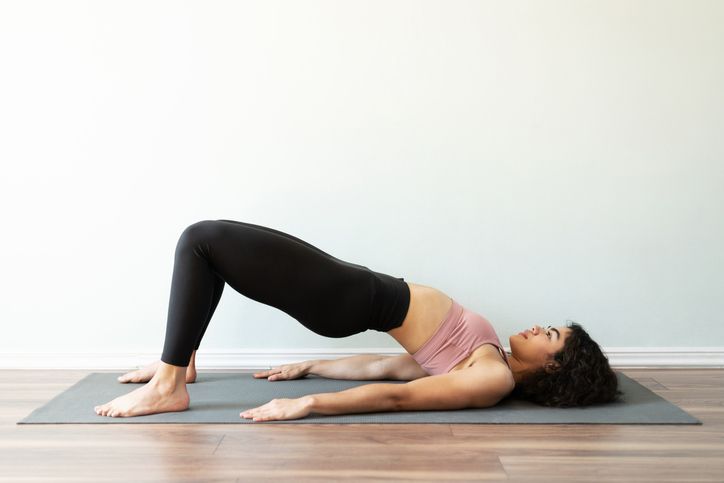
2. Glute Bridges
Start by lying flat on a mat with your knees bent and feet flat on the floor. Keep your arms at your sides. As you exhale, slowly lift your hips until your body forms a straight line from shoulders to knees. Hold the position for 5 to 10 seconds, then lower down. Repeat 10 to 12 times.
3. Cow Face Pose (Gomukhasana)
This yoga pose not only helps firm the vaginal muscles but also stretches the piriformis and relaxes the legs. Sit upright with your spine straight and cross your legs so your knees stack over one another. Perform a Kegel while gently leaning forward, holding the position for 20 to 30 seconds. Switch legs and repeat.
4. Chair Pose
Stand with feet shoulder-width apart, bend your knees, and push your hips back as if sitting on an invisible chair. Keep your back straight and raise your arms overhead. Hold for 20 to 30 seconds, then return to standing. Repeat 4 to 5 times.
5. Eagle Pose
Stand with legs crossed, placing your right leg over your left and balancing with the right foot off the ground. Cross your arms in front of your chest and press your palms together. Hold for 20 to 30 seconds, then switch sides.
5. 3 Medical Aesthetic Treatments That Help with Vaginal Laxity
While exercises can help strengthen pelvic muscles and improve vaginal tightness, their effectiveness and results vary from person to person. That’s why some women opt for medical aesthetic treatments—such as laser therapies or filler injections—for quicker, more visible results in tightening the vaginal area.
1. Hyaluronic Acid Injections
Hyaluronic acid is a naturally occurring substance in the body that helps maintain skin hydration and elasticity. However, as we age, our natural production of hyaluronic acid declines, leading to dryness and a loss of firmness in various areas—including the vaginal walls.
Injecting hyaluronic acid into the vaginal tissue helps restore elasticity and is especially effective for women with mild vaginal laxity. It’s also a great option for targeted improvements in localized areas. That said, the results are temporary, as the body gradually absorbs and breaks down the hyaluronic acid. Effects typically last from a few months up to a year.
2. Vaginal Rejuvenation Surgery
Also known as vaginoplasty, this surgical procedure removes excess vaginal tissue or tightens the vaginal opening through internal sutures to improve tightness from the inside out.
As a form of invasive surgery, vaginoplasty works by stitching together the muscle layers within the vaginal wall, thereby reducing its overall diameter. It’s more suitable for older women or those experiencing significant vaginal laxity. However, it’s best reserved for women who are done having children, as future pregnancies could reverse the results. Post-surgery recovery is required, and there may be risks such as hematomas or infections. Still, for suitable candidates, the results are long-lasting.
3. Vaginal Laser Treatment
While fillers and surgery each have their benefits, the former offers only short-term effects and the latter carries surgical risks. If you’re looking for a non-invasive treatment with long-lasting results, laser vaginal tightening is an excellent option.
Laser treatments use thermal energy to stimulate collagen regeneration in the skin. When applied vaginally, they help restore moisture, elasticity, and firmness. One standout option is the Fotona Vaginal Tightening Machine offered by Perfect Medical.
Using patented fractional laser technology, the treatment targets the inner vaginal walls to stimulate collagen production. This results in thicker, firmer vaginal tissue and a tighter canal overall. The procedure can also be applied externally to rejuvenate the vulva, improving appearance, hydration, and contour—leaving the intimate area looking and feeling younger, firmer, and more refreshed.
If you’re struggling with vaginal laxity and want to regain confidence and comfort, try the Fotona IntimaLaser for a quick, effective intimate area transformation!
Book Your Slot: Perfect Medical Fotona Vaginal Tightening Machine免費體驗
Fotona Vaginal Tightening Machine
1 Minute Self-Registration
Date should not be before minimal date
FAQ

Does frequent sex make the vagina looser?
This is one of the biggest myths! Some people believe that more sex leads to increased vaginal laxity—but the vagina is made of highly elastic connective tissue and is designed to stretch and return to its original state. On average, the vaginal length ranges from 7 to 12 cm and can accommodate most penis sizes. During intercourse, the vaginal muscles naturally relax to allow penetration, then return to normal afterward. Frequent sex does not lead to loss of elasticity or permanent stretching.
How can I tell if I have vaginal laxity?
There are several signs in daily life that may suggest the onset of vaginal laxity. If you notice several of the following, it's best to consult a gynecologist:
Why does exercise help tighten vaginal muscles?
Targeted exercises that strengthen the pelvic and abdominal muscles can improve vaginal tone and help prevent more serious conditions like bladder or uterine prolapse. One of the most effective exercises is the Kegel, which requires no equipment and can be done anytime. The motion is similar to holding in urine—contract the muscles inward, hold for 5 seconds, then release. Start with 10 reps daily and increase gradually based on your condition.
How does vaginal rejuvenation surgery work?
Also known as vaginoplasty, the procedure involves removing excess tissue and tightening the vaginal opening through internal sutures. It's typically recommended for older women or those with significant laxity. Since recovery time and potential complications like infection or hematoma are involved, a detailed consultation with a qualified gynecologist is crucial before undergoing the procedure.
How can I prevent vaginal laxity?
There are a few things you can do in daily life to help prevent laxity: