- Home
- Trend
- Weight Loss Strategies
- Acne Tips
- Hair Health Information
- Blemish Removal Tips
- Acne Scar Removal Tips
- Muscle Building Techniques
- Intimate Care Tips
- Postpartum Intimate Care
- Eye Bags Wiki
- Tips for Face Slimming
- Secret of Permanent Hair Removal
- Breast Enlargement Tips
- Cure to Snoring
- Marionette Lines
- Skin-Tightening Secrets

Do you know what sleep apnea really is? Imagine this: while sleeping at night, you snore loudly as usual, but suddenly the sound stops. A few seconds later, the snoring resumes — and you’re completely unaware of it. The next morning, you wake up groggy and unrested, as if you never reached deep sleep. These are warning signs that you may have sleep apnea.

1. What Is Sleep Apnea?
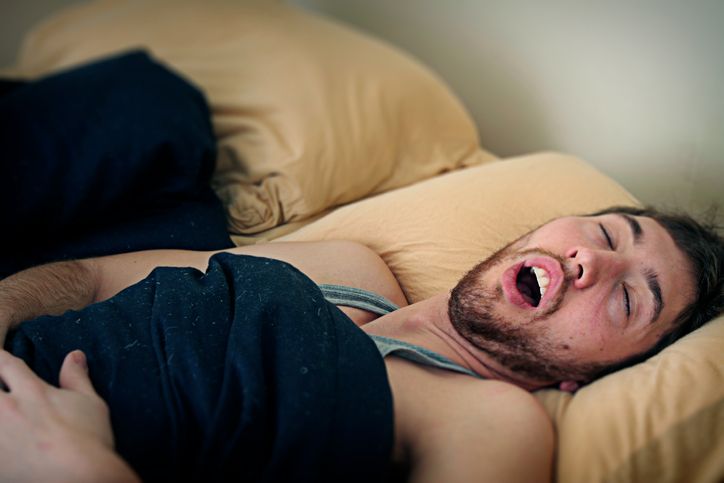
Sleep apnea (also called sleep-disordered breathing) is a type of sleep disorder where patients repeatedly stop breathing during sleep. These pauses can last from a few seconds up to a minute, severely disrupting sleep quality.
2. What Are the Types of Sleep Apnea?
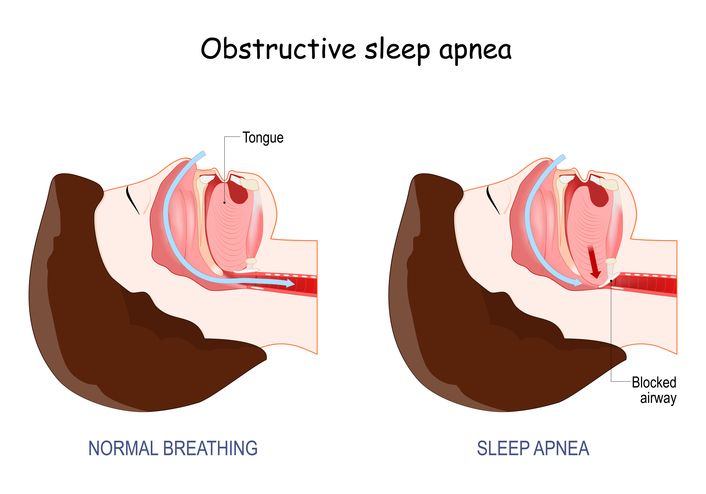
There are three main types:
• Obstructive Sleep Apnea (OSA)
The most common type, accounting for about 90% of cases. It occurs when the upper airway becomes blocked, often due to excess fat around the neck, relaxed throat muscles, or anatomical issues like enlarged tonsils or a deviated septum.
• Central Sleep Apnea (CSA)
Much less common. It happens when the brain fails to send proper breathing signals due to neurological damage or dysfunction.
• Mixed Sleep Apnea
A combination of both obstructive and central sleep apnea symptoms.
免費體驗
Fotona 4D NightLase Snoring Treatment
1 Minute Self-Registration
Date should not be before minimal date
3. Who Is at Risk? Does Snoring Always Mean Sleep Apnea?
High-risk groups include:
• Men (especially between ages 40–50)
• Overweight or obese individuals
• People with abnormal throat/nasal structures (e.g., enlarged tonsils, nasal polyps)
• Long-term smokers, heavy drinkers, or sedative users
Does snoring = sleep apnea?
Not always. Snoring happens when the airway narrows and airflow causes vibrations in the throat tissue. The louder the snoring, the greater the risk of airway obstruction — but not everyone who snores has sleep apnea.
4. Symptoms of Sleep Apnea
Sleep apnea doesn’t just disrupt rest — it can harm your body and even cause sudden death during sleep if left untreated.
• Daytime Symptoms: Morning headaches, excessive daytime sleepiness, fatigue, poor concentration, and mood changes like irritability or depression.
• Nighttime Symptoms: Loud snoring, frequent awakenings, or gasping for air during sleep.
• Physical Health Risks: Memory decline, slow reaction times, sexual dysfunction, hypoxemia (low blood oxygen), and complications such as high blood pressure, heart disease, and other cardiovascular problems.
5. How Likely Are You to Have Sleep Apnea?
Aside from a clinical sleep study, you can try these self-assessments:
• Epworth Sleepiness Scale (ESS): Rates how likely you are to fall asleep during daily activities (e.g., reading, watching TV, commuting). A score over 16 suggests a higher risk of sleep apnea.
• STOP-BANG Questionnaire: A simple yes/no tool covering snoring, tiredness, observed apnea, blood pressure, BMI, age, neck circumference, and gender. A score of 5+ indicates a high risk of obstructive sleep apnea.
免費體驗
Fotona 4D NightLase Snoring Treatment
1 Minute Self-Registration
Date should not be before minimal date
6. 5 Common Treatments for Sleep Apnea (and the Expert-Recommended Option)
• CPAP Machine (Continuous Positive Airway Pressure):
The most widely used treatment. It delivers air pressure through a mask to keep airways open. Effective but expensive, and many patients struggle with comfort.
• Surgery:
Removes or reshapes tissue blocking the airway (e.g., tonsils, throat tissue, jaw correction). Usually for severe cases but comes with risks and recurrence possibilities.
• Anti-Snoring Devices:
Includes dental appliances that reposition the jaw to open the airway. Works for mild cases but often provides only temporary relief.
• Lifestyle Changes:
Weight loss, reduced alcohol or sedative use, and quitting smoking can help. But results may take time and discipline.
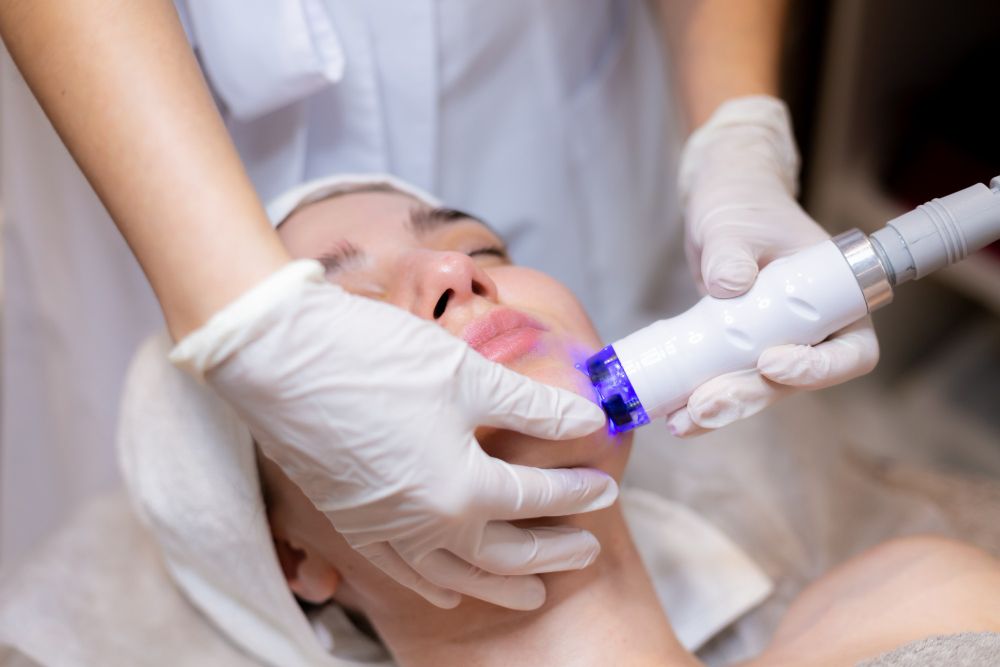
• Fotona 4D NightLase Snoring Treatment (Expert-Recommended):
A patented, non-invasive laser therapy that stimulates collagen production in the oral tissue, tightening the airway and reducing obstruction. It’s safe, painless, requires no downtime, and is suitable for most obstructive sleep apnea patients.
If snoring is affecting your life, try the Perfect Medical Fotona 4D NightLase Snoring Treatment. Simply register online for a free trial session and say goodbye to disruptive snoring!
Register Online: Perfect Medical Fotona 4D NightLase Snoring Treatment免費體驗
Fotona 4D NightLase Snoring Treatment
1 Minute Self-Registration
Date should not be before minimal date
FAQ

What is sleep apnea?
It’s a condition where breathing repeatedly stops during sleep, lasting from a few seconds up to a minute.
Does snoring always mean sleep apnea?
No — but loud or chronic snoring increases the likelihood.
Who is most at risk?
Men, older adults, overweight individuals, and those with throat/nasal abnormalities, or heavy smokers/drinkers.
How can sleep apnea be treated?
CPAP machines, dental devices, lifestyle changes, or medical treatments like Fotona 4D NightLase Snoring Treatment at Perfect Medical.
Is sleep apnea dangerous?
Yes. It reduces oxygen in the blood, damages organs, and increases the risk of cardiovascular diseases.