- Home
- Trend
- Weight Loss Strategies
- Acne Tips
- Hair Health Information
- Blemish Removal Tips
- Acne Scar Removal Tips
- Muscle Building Techniques
- Intimate Care Tips
- Postpartum Intimate Care
- Eye Bags Wiki
- Tips for Face Slimming
- Secret of Permanent Hair Removal
- Breast Enlargement Tips
- Cure to Snoring
- Marionette Lines
- Skin-Tightening Secrets

Are you tired of the nightly “symphony” of snores, or worried about how your partner’s sleep health is being affected? Don’t let snoring continue to disrupt your quality of life! In this guide, you’ll learn how to finally put an end to the problem and reclaim restful nights. And remember—snoring isn’t just a middle-aged issue. Stress, fatigue, and poor lifestyle habits can easily turn anyone into a “snore machine”!

1. What Exactly Is Snoring? Are You Breathing Through Your Mouth?

Snoring is a warning sign that your airway is not functioning smoothly. When air passes through a narrowed airway, the vibration of soft tissues produces that disruptive sound. Imagine wind passing through a tiny opening, creating a sharp noise—that’s essentially what happens inside your airway when you snore.
In simple terms, snoring is caused by a partial obstruction of the airway during sleep, making breathing less smooth and producing sound.
2. Why Do You Snore? Which Type of “Snorer” Are You?
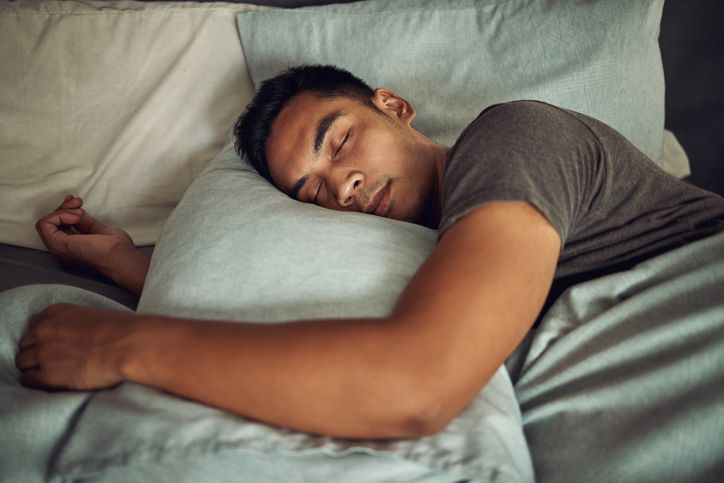
Think snoring only affects older adults or overweight people? Not true. Snoring has many possible causes, including lifestyle habits, physical structure, and medical conditions:
Lifestyle factors:
• Obesity: Excess weight thickens tissues around the neck, compressing the airway.
• Poor sleep posture (sleeping on your back): The tongue falls backward, blocking the airway.
• Alcohol or smoking before bed: Both relax throat muscles, raising the risk of obstruction.
• Sleep deprivation: Poor rest disrupts body function, making snoring more likely.
Physical structure factors:
• Small or receding chin: Less space for the tongue, which easily blocks the airway.
• Deviated septum: Affects airflow through the nasal passages.
• Enlarged tonsils: Take up space in the throat, obstructing breathing.
• Large tongue: May fall back during sleep and block airflow.
• Enlarged turbinates or nasal polyps: Further restrict airflow.
Medical conditions:
• Allergic rhinitis: Causes nasal swelling and congestion.
• Sinus infections: Increase nasal discharge and block the airway.
Snoring can affect men, women, and even children. Identifying your cause is the first step to effective treatment.
免費體驗
Fotona 4D NightLase Snoring Treatment
1 Minute Self-Registration
Date should not be before minimal date
3. Is Snoring Just Annoying Noise? The Hidden Risk of Sleep Apnea
Snoring isn’t only about poor sleep quality—it can have serious health consequences:
• Fragmented sleep and daytime drowsiness: Snoring disrupts deep sleep, leaving you unrested.
• Higher risk of hypertension, heart disease, and stroke: Studies show snoring is linked to cardiovascular problems.[1]
• Increased risk of sleep apnea: Severe snoring may progress to obstructive sleep apnea, where breathing pauses during sleep, leading to long-term oxygen deprivation.
Sleep apnea can raise risks of diabetes, stroke, and life-threatening cardiovascular diseases. In children, untreated sleep apnea may even increase risks into adulthood.[1] That’s why it’s important not to underestimate snoring.
4. Diagnosing Snoring: How to Assess Your Sleep Health
Could you be at high risk for sleep apnea? Watch for these warning signs:
At night:
• Loud and irregular snoring (volume changes throughout the night)
• Pauses in breathing
• Frequent tossing and turning
• Nighttime urination
During the day:
• Fatigue
• Low energy
• Poor concentration
Ways to check your condition:
• Self-assessment: Use sleep apps or questionnaires as a preliminary test.
• Partner or family observation: Ask if they notice pauses in your breathing.
• Polysomnography (sleep study): A professional hospital test to measure sleep quality and breathing patterns.[5]
5. How to Stop Snoring: Solutions Anyone Can Try
Here are effective ways to tackle snoring depending on your lifestyle and severity:
Lifestyle adjustments:
• Change sleep position (side sleeping): Prevents the tongue from falling back. Special anti-snore pillows or even placing a tennis ball behind you can help.
• Lose weight: Reduces tissue pressure around the airway.
• Quit smoking and alcohol: Both relax throat muscles, worsening snoring.
• Avoid sedatives before bed: Some medications affect breathing.
• Nasal cleansing: Rinse with saline to keep nasal passages clear.
Assistive tools:
| Product | Principle | How to Use | Notes |
|---|---|---|---|
| Anti-snore strips | Expand nostrils for better airflow | Apply across the bridge of the nose after cleaning | Avoid using on injured or sensitive skin |
| Anti-snore spray | Lubricates throat tissues | Spray into mouth before bed to coat the throat | Do not overuse; may cause discomfort |
| Oral appliances (mouthguard) | Adjusts jaw to open airway | Wear before sleep, bite gently to fix in place | Takes time to get used to |
| Chin strap | Holds jaw in place to prevent tongue falling back | Strap around head before bed, adjust tightness | Avoid over-tightening |
| Nasal dilators | Expand nasal passages | Insert into nostrils and adjust to comfort | Clean thoroughly before reuse |
Technology-based solutions:
Anti-snore apps: Use sound detection to help track and correct snoring by prompting posture adjustments.[3]
Treatment options:
• Perfect Medical Fotona 4D NightLase Snoring Treatment: A non-invasive, needle-free, and surgery-free option that uses NIGHTLASE™ laser technology to tighten oral soft tissues and directly address the root cause of snoring.[4]
• Surgery: For structural issues like deviated septum or enlarged tonsils.[1][5]
• CPAP (Continuous Positive Airway Pressure): Keeps airways open with steady airflow, typically for sleep apnea patients.[1][5]
免費體驗
Fotona 4D NightLase Snoring Treatment
1 Minute Self-Registration
Date should not be before minimal date
6. Choosing the Right Solution for You
Not all snoring is the same—here’s how to match your treatment to your condition:
• Mild snoring: Try lifestyle changes and assistive tools first.
• Moderate snoring: Consider oral appliances, anti-snore pillows, or consult a doctor.
• Severe snoring: Seek professional medical treatment. A sleep study and CPAP may be necessary.
7. Worried About Sleep Apnea? Perfect Medical Can Help
Now that you know the causes and solutions for snoring, it’s time to take action. Living in a fast-paced city like Hong Kong, many people don’t have the time or consistency to keep up lifestyle changes or tools. For a faster and more effective solution, consider medical treatments like the Perfect Medical Fotona 4D NightLase Snoring Treatment:
• Patented, non-invasive laser technology to shrink soft tissues blocking the airway
• Improves breathing and may help reduce sleep apnea symptoms
• Takes just 15 minutes per session, with results lasting up to 1 year
• No permanent changes to body tissue, extremely safe
• Zero downtime—eat, drink, and work as normal immediately afterward
In fact, 80% of patients notice significant improvement after just two sessions. Safe, painless, and effective—why wait? Treat yourself (and your partner) to quieter, healthier sleep today.
Experience it Now: Perfect Medical Fotona 4D NightLase Snoring Treatment免費體驗
Fotona 4D NightLase Snoring Treatment
1 Minute Self-Registration
Date should not be before minimal date
FAQ

What causes snoring?
What’s the connection between snoring and sleep apnea?
Can I buy a CPAP machine on my own?
No, it’s best to consult a doctor before starting CPAP therapy.
What health risks come with long-term snoring?
Poor sleep quality, higher risks of cardiovascular disease, and other chronic health problems.
Should I worry about children who snore?
Yes. Childhood snoring may affect growth and long-term health.