- Home
- Trend
- Weight Loss Strategies
- Acne Tips
- Hair Health Information
- Blemish Removal Tips
- Acne Scar Removal Tips
- Muscle Building Techniques
- Intimate Care Tips
- Postpartum Intimate Care
- Eye Bags Wiki
- Tips for Face Slimming
- Secret of Permanent Hair Removal
- Breast Enlargement Tips
- Cure to Snoring
- Marionette Lines
- Skin-Tightening Secrets

To improve snoring and enhance sleep quality, the market is now filled with various anti-snoring products—such as snoring pillows, chin straps, and nasal strips. While the designs behind these products can seem quite innovative, many people question whether they truly work. Especially with snoring pillows—can simply switching pillows really stop snoring? In this article, we’ll explore whether anti-snoring pillows are effective, and whether there are better solutions for long-term relief.

1. What Causes Snoring?
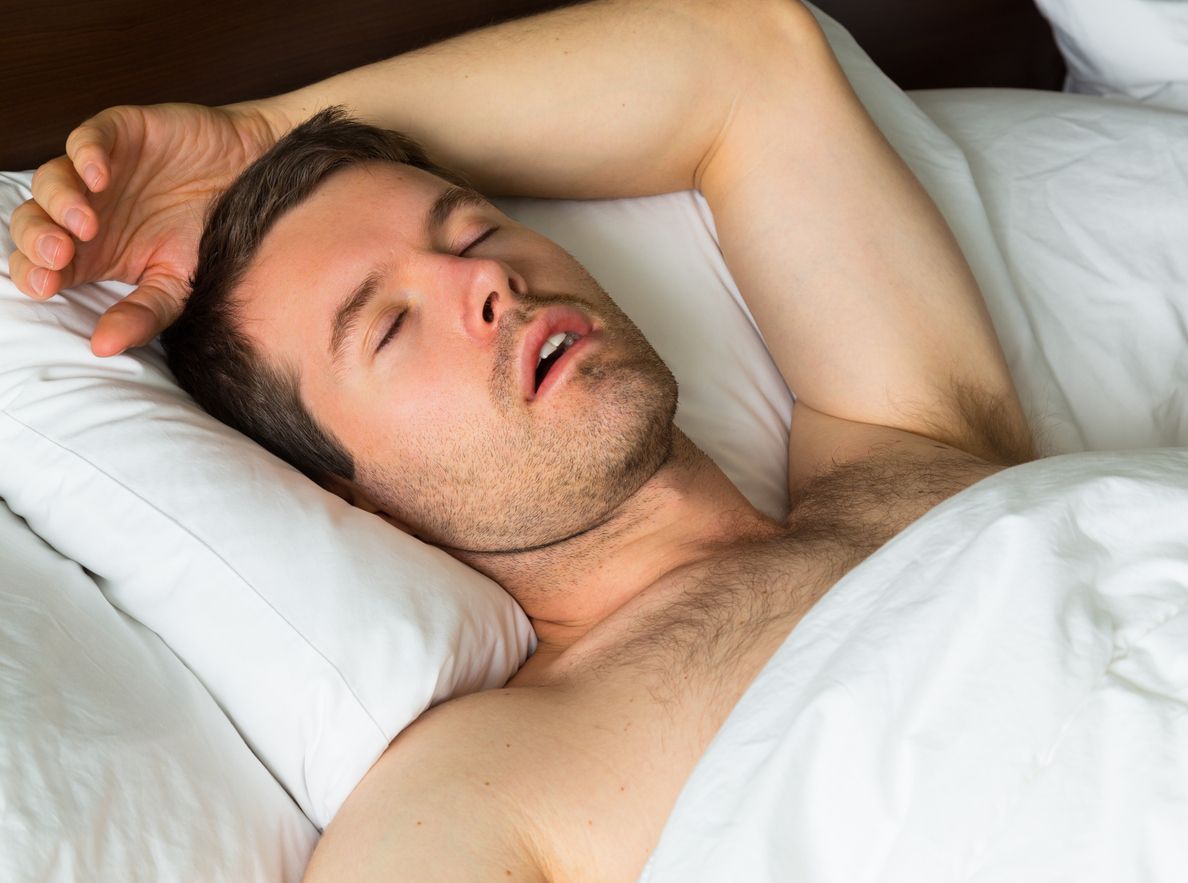
Many people mistakenly think that snoring is just a normal part of sleep and a sign of deep rest. In reality, it’s the opposite—snoring not only lowers sleep quality but also affects your partner’s rest. To tackle the problem, we first need to understand the root causes:
i. Enlarged Oral Tissues
When tissues in the mouth—such as the soft palate, tonsils, or uvula—are larger or thicker than normal, they can compress the airway, especially when lying down. Gravity causes these tissues to collapse backward, narrowing the airway. As air passes through, vibrations occur, creating snoring sounds.
ii. Relaxed Throat Muscles
During deep sleep, throat muscles relax. If they loosen excessively, the airway becomes narrower, forcing air to pass through more quickly. This airflow makes the relaxed tissues vibrate, causing snoring.
iii. Nasal Structure Issues
Conditions like a deviated septum, enlarged nasal turbinates, or elongated nasal passages can block or narrow the nasal airway. As a result, airflow faces resistance, making surrounding tissues vibrate and producing snores.
iv. Poor Sleeping Position
Sleeping flat on your back can cause the tongue and soft palate to collapse backward, partially or fully blocking the airway. The result: vibrations that cause snoring. Correct sleeping posture is key to keeping the airway open.
v. Obesity
Excess weight increases fat deposits around the throat, which compress the airway. When combined with muscle relaxation during sleep, this makes the airway even narrower—leading to a higher risk of snoring.
2. What Is an Anti-Snoring Pillow?
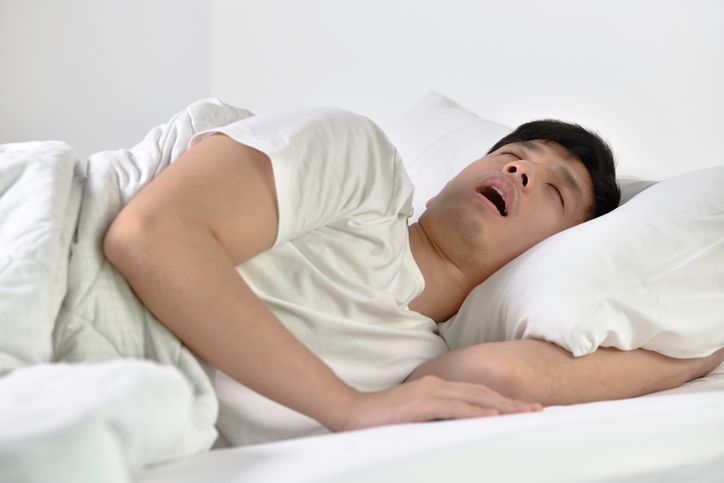
Now that we understand the causes of snoring, let’s look at the so-called anti-snoring pillow.
While most people see pillows as simple head support, their design is crucial for sleep quality. A well-designed pillow supports the head and neck, keeps the cervical spine properly aligned, and helps the body relax.
• A pillow that’s too soft or low can cause the neck to bend forward, pushing the jaw upward, increasing mouth breathing and snoring.
• A pillow that’s too hard or high can strain neck muscles and compress nerves.
Anti-snoring pillows, designed with ergonomics in mind, aim to provide optimal head and neck support. This helps maintain proper sleeping posture, reduce airway obstruction, and minimize the risk of mouth breathing or tissue collapse during sleep.
3. Types of Anti-Snoring Pillows
i. Memory Foam Pillows
These contour to body temperature and weight, providing customized support. Many anti-snoring memory foam pillows include special grooves for the neck and head to reduce airway obstruction. The downside: they can harden in colder weather.
ii. Latex Pillows
Made from natural latex, these pillows are firm, supportive, and breathable. However, some people find them too hard. Note: synthetic latex may not have anti-snoring benefits and may even trigger skin allergies.
iii. Fiber Pillows
Made from materials like mesh fibers, plant fibers, or bamboo charcoal fibers. They’re breathable, easy to clean, and often feature added functions like odor control. But their effectiveness for snoring is less proven compared to memory foam or latex pillows.
免費體驗
Fotona 4D NightLase Snoring Treatment
1 Minute Self-Registration
Date should not be before minimal date
4. Who Should Avoid Using Anti-Snoring Pillows?
i. Sleep Apnea Patients
Obstructive sleep apnea (OSA) is caused by throat tissues collapsing and blocking airflow, leading to pauses in breathing. Snoring is just one symptom. Anti-snoring pillows alone cannot treat OSA—CPAP therapy is required.
ii. Patients with Respiratory Illnesses
Conditions like sinusitis, asthma, or airway infections already narrow the airway. A pillow won’t resolve the root problem.
iii. People with Nasal or Oral Structural Abnormalities
For those with large tonsils, deviated septum, recessed jaw, or craniofacial deformities, snoring is caused by structural issues that pillows cannot fix.
iv. Obese Individuals
Since excess fat compresses the airway, losing weight is more effective than relying on pillows.
5. Perfect Medical’s Fotona 4D NightLase Snoring Treatment – A Fast, Effective Solution
https://www.psmedical.com.hk/uploads/5_18984b842b.jpg
Alt text: A woman sleeping with CPAP machine
As shown above, anti-snoring pillows cannot address all snoring problems. If you’re looking for a faster, more effective option, the Fotona 4D NightLase Snoring Treatment at Perfect Medical is your best choice.
This non-invasive laser therapy uses NightLase technology to deliver controlled heat energy to oral tissues, tightening collagen and shrinking enlarged tissues. The result: a wider airway and reduced snoring.
• Non-surgical & safe – No damage to oral or throat tissues.
• No downtime – You can eat normally right after treatment.
• Immediate results – Noticeable improvement after the very first session.
• Long-lasting – Typically 2–3 sessions are enough, with effects lasting up to 1 year.
In fact, 80% of patients achieve significant improvement after just two treatments. Interested? Book your free first trial with Perfect Medical today and experience better sleep for yourself—and your loved ones!
Book Your Trial: Perfect Medical Fotona 4D NightLase Snoring Treatment免費體驗
Fotona 4D NightLase Snoring Treatment
1 Minute Self-Registration
Date should not be before minimal date
FAQ

Why do people snore?
Causes include enlarged oral tissues (tonsils, soft palate), overly relaxed throat muscles, nasal abnormalities (e.g., deviated septum), poor sleeping posture, and obesity.
How do anti-snoring pillows work?
They’re designed to support the head and neck ergonomically, keeping the airway open by preventing poor posture, mouth breathing, or backward tissue collapse.
Are anti-snoring pillows effective?
They can help in cases where snoring is caused by poor sleeping posture. However, they are not suitable for all snorers—especially those with structural abnormalities, obesity, or sleep apnea.
What other solutions exist besides pillows?
Other products include nasal strips, chin straps, and nasal dilators. These may help with mild snoring, but not with severe cases caused by structural issues or medical conditions.
Is the Fotona 4D NightLase Snoring Treatment safe?
Yes. It’s non-invasive and uses gentle laser energy to tighten tissues. The only sensation is mild warmth, and you can eat normally right after treatment. It’s a safe and effective option for long-term snoring relief.