- Home
- Trend
- Weight Loss Strategies
- Acne Tips
- Hair Health Information
- Blemish Removal Tips
- Acne Scar Removal Tips
- Muscle Building Techniques
- Intimate Care Tips
- Postpartum Intimate Care
- Eye Bags Wiki
- Tips for Face Slimming
- Secret of Permanent Hair Removal
- Breast Enlargement Tips
- Cure to Snoring
- Marionette Lines
- Skin-Tightening Secrets

Many people in Hong Kong struggle with snoring during sleep. While some view it as a sign of deep, restful sleep, snoring can actually signal issues with the airway. Severe snoring may even lead to sleep apnea, posing a potential health risk.

1. How Severe Is Your Snoring? 3 Factors to Assess
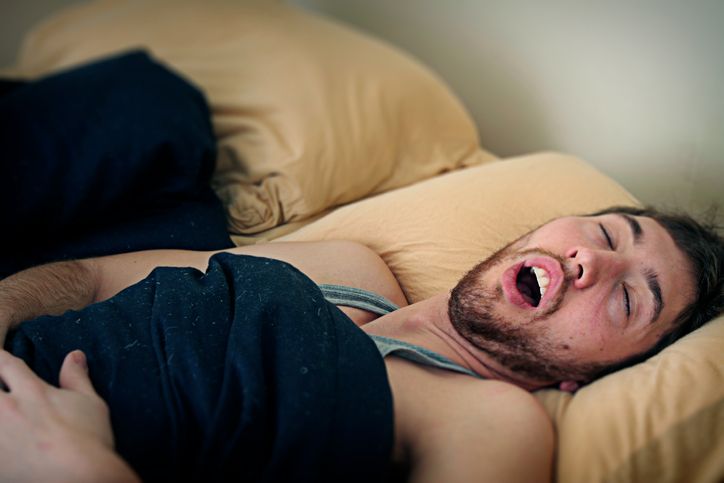
While snoring is common, most people aren’t aware of its severity. Snoring severity depends on frequency, volume, and type. Generally, higher frequency and louder snoring indicate greater airway obstruction. Let’s break down the three key types:
1. Mild and Intermittent Snoring
Mild, occasional snoring is common across genders and ages. Typically, this doesn’t require treatment. The volume usually ranges 40–50 dB.
2. Moderate Snoring
Moderate snoring occurs several nights a week. Its frequency may disturb your partner and affect both parties’ sleep quality. To improve it, pay attention to sleeping posture, undergo professional assessment to understand the underlying cause, and consider approved anti-snoring products. Volume typically ranges 50–60 dB.
3. Snoring Associated with Sleep Apnea
Frequent and loud snoring may indicate partial airway obstruction. If accompanied by breathing difficulties, gasping, daytime fatigue, or high blood pressure, it could signal sleep-related breathing disorders. This type of snoring usually exceeds 60 dB. Professional evaluation is recommended, as home remedies alone may not suffice.
2. The 9 Main Causes of Snoring: Weight Matters Too
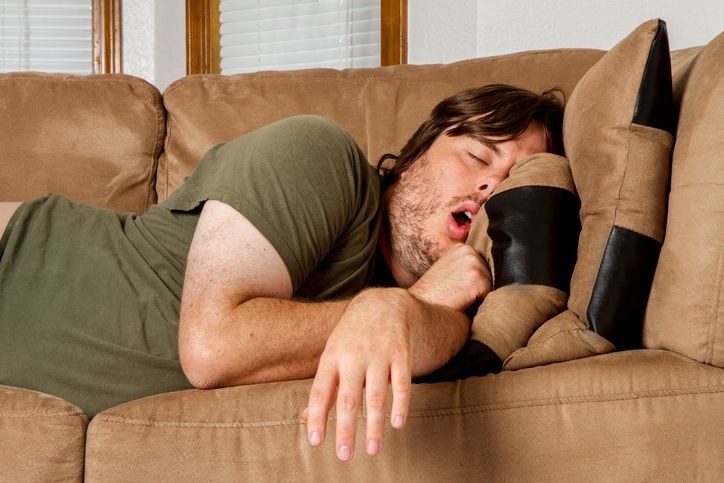
Snoring happens when soft tissues in the throat and upper airway relax during sleep, narrowing the airway and creating vibrations that produce sound. Severity of snoring often reflects the degree of airway obstruction, which in extreme cases may develop into sleep apnea. Common causes include:
Cause 1: Muscle Relaxation
During sleep, muscles naturally relax, especially around the throat. Excessive relaxation can narrow the airway, increasing snoring risk. Soft tissues may vibrate during breathing, creating noise, especially in early or deep sleep.
Cause 2: Nasal Structural Issues
Blocked or inflamed nasal passages, allergies, or other nasal conditions increase airflow resistance, leading to mouth breathing and louder snoring.
Cause 3: Throat Structural Abnormalities
Abnormalities like a relaxed soft palate or enlarged tonsils can obstruct airflow. Air colliding with soft tissues produces snoring sounds. Identifying these helps tailor targeted treatment.
Cause 4: Obesity
Excess neck fat compresses the throat, narrowing the airway. Gravity causes this fat to further obstruct airflow during sleep, increasing snoring. Uneven fat distribution can also contribute.
Cause 5: Poor Sleeping Position
Sleeping on your back allows the tongue and soft palate to fall back, obstructing airflow. Side-sleeping reduces this risk. Tips: use anti-snoring pillows or place a small object behind your back to encourage side-sleeping.
Cause 6: Colds, Flu, and Allergies
Inflammation from illness or allergies swells nasal tissues, narrowing the airway and increasing vibration during breathing.
Cause 7: Alcohol and Medications
Alcohol and certain medications relax throat muscles, increasing snoring. Alcohol is a CNS depressant that relaxes muscles systemically, while sedatives or muscle relaxants can have similar effects.
Cause 8: Obstructive Sleep Apnea (OSA)
OSA is a serious sleep disorder involving repeated pauses in breathing, often accompanied by loud snoring. Symptoms include daytime sleepiness, headaches, poor concentration, and frequent nighttime awakenings. Causes include throat tissue relaxation, neck fat, or nasal abnormalities. Diagnosis requires polysomnography, and treatments include weight management, positional therapy, or CPAP devices. Early diagnosis is key to preventing high blood pressure, heart disease, and diabetes.
Cause 9: Pregnancy
Hormonal changes and increased blood volume during pregnancy can narrow nasal passages. Later stages may see neck fat accumulation, further obstructing airflow and increasing snoring risk.
免費體驗
Fotona 4D NightLase Snoring Treatment
1 Minute Self-Registration
Date should not be before minimal date
3. 7 High-Risk Groups More Likely to Snore
While snoring is common, certain groups are at higher risk:
1. Obese individuals – Excess neck fat increases airway resistance.
2. People with a short chin – Tongue more easily falls back, obstructing airflow.
3. Large tongues – Can block the airway during deep sleep.
4. Enlarged inferior turbinates – Narrow nasal passages increase airflow resistance.
5. Chronic nasal polyps – Impair airflow, increasing snoring.
6. Allergy sufferers – Blocked nasal passages elevate snoring risk.
7. Pregnant women – Hormonal changes and increased neck fat contribute.
4. 5 Effective Ways to Reduce Snoring (Using Sleep Aids for Extra Support)
Snoring often goes unnoticed by the sleeper, occurring mainly in deep sleep. Family or partners noticing snoring should alert the individual for timely intervention.
1. Improve Sleeping Position
Side-sleeping helps maintain open airways. Use anti-snoring pillows or place a small object behind your back to prevent rolling onto your back.
2. Lose Weight
Reducing body fat eases pressure on the throat, improving airflow and lowering snoring frequency. Diet control and exercise help significantly.
3. Clean Nasal Passages Before Bed
Use saline sprays or rinses to prevent nasal blockage. Clear nasal passages reduce resistance and snoring.
4. Reduce Alcohol and Smoking
Both relax throat muscles and increase airway obstruction. Limiting these habits can reduce snoring.
5. Use Appropriate Sleep Aids
• Mouthguards: Stabilize the tongue, preventing airway blockage.
• Nasal sprays/strips: Lubricate and open airways.
• Chin straps: Keep the mouth closed for nasal breathing.
These tools complement lifestyle adjustments for better results.
5. Perfect Medical’s Fotona 4D NightLase Snoring Treatment
If snoring persists, Perfect Medical’s Fotona 4D NightLase Snoring Treatment is an advanced, non-invasive solution.
• Uses NIGHTLASE™ laser technology to tighten oral tissue collagen.
• Improves airway patency and reduces snoring permanently.
• No injections, no downtime, and highly effective.
• Enjoy restful, uninterrupted sleep.
Book now for a free trial session and experience the benefits firsthand.
Get Your Free Trial: Perfect Medical Fotona 4D NightLase Snoring Treatment免費體驗
Fotona 4D NightLase Snoring Treatment
1 Minute Self-Registration
Date should not be before minimal date
FAQ

Can children develop sleep apnea?
Yes. Around 5% of school-age children in Hong Kong have obstructive sleep apnea, increasing their risk of cardiovascular disease later in life by 2.5×. Early attention is crucial.
How does snoring affect daily life?
Snoring decreases sleep quality, affects mental focus and work efficiency, and may raise the risk of sleep apnea and chronic conditions like hypertension, heart disease, and stroke.
Does snoring always lead to sleep apnea?
Not all snorers have sleep apnea. Signs include gasping, pauses, or intermittent silence in snoring. Consult a doctor if observed.
Is snoring related to age?
Yes. Muscle relaxation increases with age, raising snoring risk. Side-sleeping or professional assessment can help.
Do mattress and pillow choices affect snoring?
Yes. Poor support or dust mites in bedding can affect neck posture and trigger allergies, increasing snoring risk.