- Home
- Trend
- Weight Loss Strategies
- Acne Tips
- Hair Health Information
- Blemish Removal Tips
- Acne Scar Removal Tips
- Muscle Building Techniques
- Intimate Care Tips
- Postpartum Intimate Care
- Eye Bags Wiki
- Tips for Face Slimming
- Secret of Permanent Hair Removal
- Breast Enlargement Tips
- Cure to Snoring
- Marionette Lines
- Skin-Tightening Secrets

How much do you know about snoring treatments like the Fotona 4D NightLase? If you or your family struggle with snoring, this article is a must-read. Frequent snoring during sleep may indicate an underlying health issue, and if left untreated, it can lead to serious problems. Today, we’ll explore the causes of snoring, its potential harms, and effective ways to improve it. We’ll also introduce a revolutionary solution: the Fotona 4D NightLase Snoring Treatment.

1. Why Do People Snore?
i. Abnormal Nasal Structure
A normal nasal structure ensures smooth airflow. Structural abnormalities can obstruct breathing, especially at night, resulting in snoring.
During normal breathing, air flows through the nose → nasal cavity → nasopharynx → throat → lungs. Airspeed and volume must remain steady for smooth breathing. If nasal structure is abnormal, airflow becomes turbulent, producing the harsh, irregular sound of snoring.
Common structural issues include:
• Deviated septum: Can block one nostril, narrowing the upper airway.
• Enlarged turbinates: Reduce nasal space, making breathing difficult.
• Overlong nasal processes: Can press on the nasopharynx, obstructing airflow.
ii. Excessive Relaxation of Throat Muscles
During sleep, muscles naturally relax. Excessive relaxation can cause the throat to partially or fully collapse, blocking airflow and causing snoring.
iii. Nasal and Throat Conditions
Conditions like pharyngitis, chronic sinusitis, or hypothyroidism can inflame or swell nasal and throat tissues, narrowing the airway and leading to snoring.
iv. Sleep Apnea
Sleep apnea is a serious sleep disorder where breathing temporarily stops. Most patients have obstructive sleep apnea (OSA), where soft tissues at the back of the throat collapse, partially or fully blocking the airway. Snoring and gasping often accompany these pauses, disrupting sleep quality and causing daytime fatigue, poor concentration, and in severe cases, cardiovascular complications.
v. Obesity
Excess neck fat can compress the airway, especially during sleep, narrowing airflow and causing snoring. Obesity also increases the likelihood of sleep apnea.
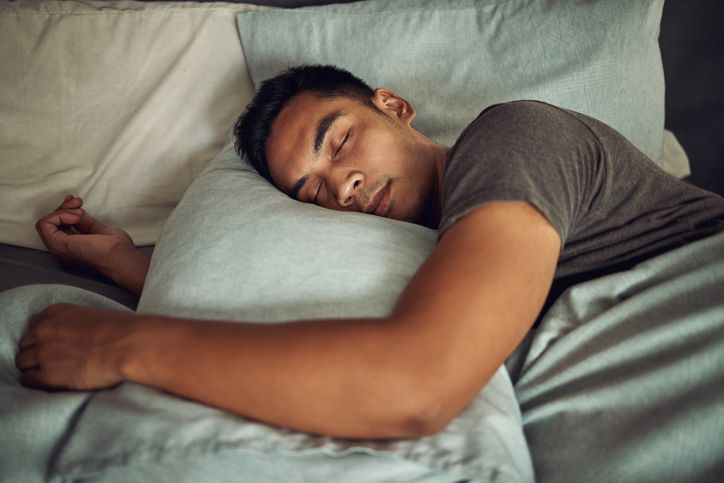
vi. Poor Sleep Posture
Sleeping on the back can cause the tongue and soft palate to fall backward, narrowing or blocking the airway. Using a slightly elevated pillow can help maintain airway openness.
vii. Smoking and Alcohol
• Alcohol relaxes throat muscles, increasing airway collapse risk.
• Smoking irritates nasal and throat tissues, causing swelling, excess mucus, and airway narrowing. Nicotine also relaxes muscles, increasing snoring risk.
2. Harms Caused by Snoring
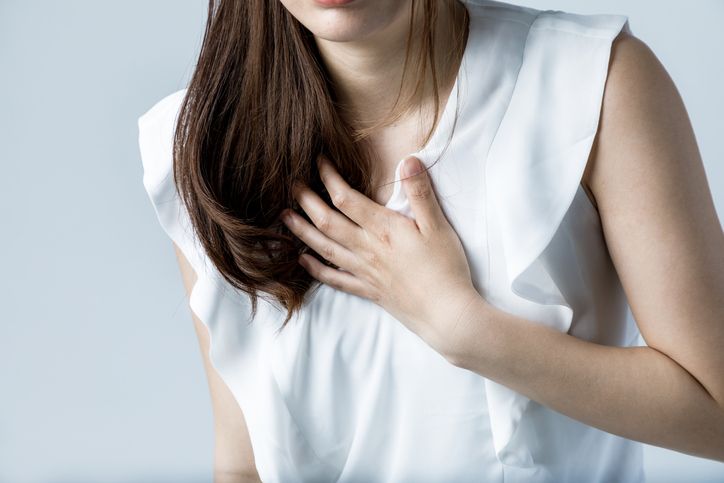
Many people see snoring as harmless, but chronic snoring can have serious consequences:
i. Respiratory Disorders
Frequent snoring can damage airway tissues and cause inflammation, increasing the risk of respiratory diseases.
ii. Cardiovascular Diseases
Partial or complete airway obstruction lowers blood oxygen levels, forcing the heart to work harder. Over time, this increases risks of arrhythmia, hypertension, heart attack, and stroke. Stress hormones released during low-oxygen states further strain the cardiovascular system.
iii. Low Blood Oxygen
Repeated oxygen dips from snoring and apnea may cause permanent damage to the lungs and other organs.
iv. Poor Sleep Quality
Snoring disrupts not only your sleep but also your partner’s. Poor sleep leads to daytime fatigue, headaches, mood swings, and decreased cognitive performance.
v. Memory Decline
Interrupted sleep and low oxygen reduce brain function, damaging neurons and impairing memory. Poor-quality deep sleep also hinders memory consolidation and cognition.
免費體驗
Fotona 4D NightLase Snoring Treatment
1 Minute Self-Registration
Date should not be before minimal date
3. How to Improve Snoring
i. Nasal Breathing Tape / Snore Strips
If you sleep with your mouth open, the tongue may fall backward, narrowing the airway. Nasal strips can encourage nasal breathing, reducing snoring.
ii. Anti-Snore Chin Straps
Chin straps help keep the mouth closed, promoting nasal breathing. However, they are ineffective for snoring caused by other factors like enlarged tonsils, relaxed throat muscles, or sleep apnea.
iii. Nasal Dilators
Nasal dilators expand the nostrils to improve airflow. Patients with nasal disease or prior surgery should consult a doctor before use. Some users may find the sensation uncomfortable.
iv. CPAP Machines
CPAP devices treat sleep apnea, a major cause of snoring. Positive pressure CPAP opens the airway via pressurized airflow, while negative pressure machines reposition the tongue. Though highly effective, CPAP machines can be expensive.
4. Perfect Medical Fotona 4D NightLase Snoring Treatment — End Snoring in 15 Minutes!
Many anti-snoring products only help mild cases. For moderate to severe snoring, Fotona 4D NightLase Laser Treatment offers a reliable solution.
• Step 1: Experts examine your oral structure with an endoscope and assess your snoring and health conditions to determine the root cause.
• Step 2: A personalized treatment plan is developed.
• Step 3: Nightlase™ laser is applied, tightening and restructuring collagen in oral and soft palate tissues, reducing enlarged throat tissue, and reopening the airway.
Key benefits:
• Non-invasive, painless, no downtime.
• Quick: treatment completes in 15 minutes.
• Immediate improvement in snoring and sleep apnea, lasting up to 9 months. Duration may vary with lifestyle habits.
Perfect Medical also offers a free trial session for first-time patients.
Book A Trial Session: Perfect Medical Fotona 4D NightLase Snoring Treatment免費體驗
Fotona 4D NightLase Snoring Treatment
1 Minute Self-Registration
Date should not be before minimal date
FAQ

Why do people snore? Is snoring always sleep apnea?
Causes include nasal structural issues, throat tissue enlargement, poor sleep posture, smoking, alcohol, and more. Snoring is a symptom of sleep apnea but does not always indicate it. Professional diagnosis is recommended.
Do nasal dilators really work?
They help expand the nostrils and improve airflow, but snoring may stem from other causes, such as oral tissue issues, where nasal dilators alone won’t suffice.
How does the Fotona 4D NightLase treatment work?
Experts first examine oral structure and assess snoring causes. Nightlase™ laser tightens and restructures oral and soft palate tissues, reducing enlarged throat tissue and reopening the airway.
Is the treatment safe?
Yes. Nightlase™ is non-invasive and painless. Patients only feel mild warmth during the procedure. No oral or throat trauma occurs.
How long do results last?
Results are noticeable after one session and can last up to 9 months, longer with healthy lifestyle habits.