- Home
- Trend
- Weight Loss Strategies
- Acne Tips
- Hair Health Information
- Blemish Removal Tips
- Acne Scar Removal Tips
- Muscle Building Techniques
- Intimate Care Tips
- Postpartum Intimate Care
- Eye Bags Wiki
- Tips for Face Slimming
- Secret of Permanent Hair Removal
- Breast Enlargement Tips
- Cure to Snoring
- Marionette Lines
- Skin-Tightening Secrets

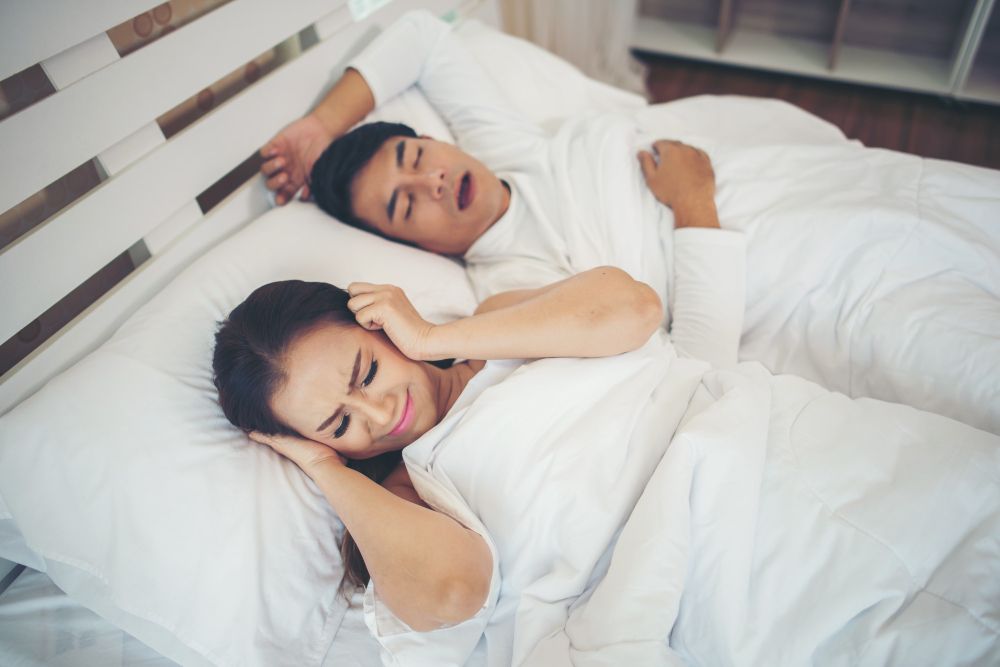
Snoring doesn’t mean you’re sleeping soundly—in fact, it can ruin your partner’s rest too. But do anti-snoring products sold in the market actually work? How serious can snoring get? If you’re reading this, take it as a wake-up call—it’s time to take your snoring seriously before it starts harming your health. Here, we’ve broken down the types of anti-snoring devices and shared 5 daily habits to help improve snoring, so you and your loved ones can finally sleep well again.

1. Understanding the Nasal Structure
To figure out why snoring happens, we need to start with the human nasal structure.
Our respiratory system is divided into the upper and lower airways. The nose, nasal cavity, and throat make up the upper system, which delivers oxygen to the lower system (trachea, bronchi, and lungs).
From the outside, we only see the bridge, tip, and nostrils. But inside, the nasal cavity filters and regulates airflow, ensuring oxygen can flow smoothly into the body. Any obstruction in this pathway increases the risk of snoring.
2. Why Do People Snore?
Snoring has many possible causes. It could be nasal congestion, throat issues, or obstructions in the neck.
When we sleep, our muscles relax—including the soft tissues in the upper airway. If these collapse, the airway narrows, causing tissues to vibrate as air flows through. The result: snoring sounds. This vibration is the body’s way of ensuring oxygen still reaches the lungs despite a partially blocked passage.
免費體驗
Fotona 4D NightLase Snoring Treatment
1 Minute Self-Registration
Date should not be before minimal date
3. How Serious Can Snoring Get?
Many people think snoring is harmless. While mild cases aren’t a disease, severe snoring can lead to sleep apnea, which is linked to dangerous health risks—including sudden death.
Snoring severity is often measured in decibels (dB):
• Mild: 40–49 dB – light, occasional snoring.
• Moderate: 50–59 dB – frequent or nightly snoring.
• Severe: 60+ dB – high risk of sleep apnea, airway obstruction, and frequent gasping or waking at night.
4. Who Should (and Shouldn’t) Use Anti-Snoring Devices?
Suitable Users:
1. Mild or Occasional Snorers
Nasal strips and sprays may work for light, irregular snoring. But if symptoms persist, you may already be at the moderate stage.
2. Sleep Apnea Patients
Apnea happens when airway tissues collapse, stopping breathing temporarily. Causes may include nasal blockage, large tonsils, a thick tongue, or double chin. Since this is serious, patients should consult a doctor before choosing a professional device.
3. Those Affecting Household Sleep
Snoring disrupts not just your sleep but also your partner’s. If complaints are piling up, anti-snoring devices can be a first step.
Unsuitable Users:
1. Sensitive Skin – Many devices involve adhesives that may trigger irritation.
2. Elderly People – Aging weakens airway muscles; devices may not provide lasting results.
3. Oral/Throat Abnormalities – Enlarged tongue, uvula, or palate usually require surgery.
4. Obese Individuals – Excess fat compresses the airway; weight loss is more effective.
5. 10 Types of Anti-Snoring Devices
1. Nasal Strips/Tape – Open nasal passages or keep the mouth closed.
2. Nasal Dilators – Small inserts that widen nostrils.
3. Oral Appliances (Mouth Guards) – Similar to sports guards, reposition the tongue/jaw.
4. Sprays – Often menthol-based, soothing nasal passages.
5. Chin Straps – Support the jaw and prevent mouth breathing.
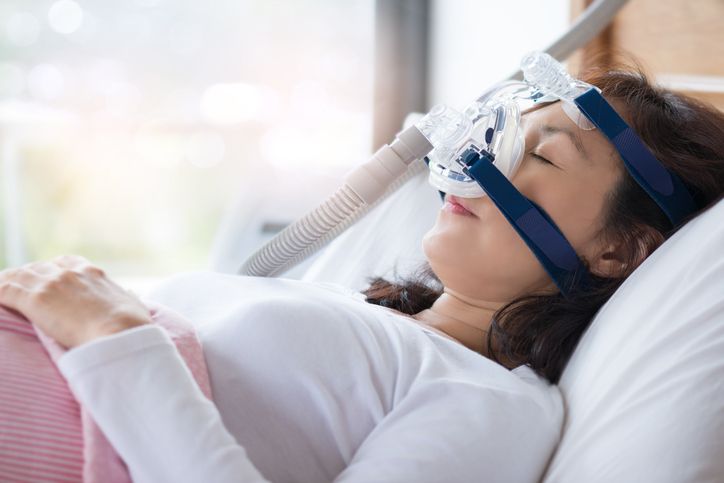
6. Masks – Cover nose (or nose + mouth) to regulate airflow.
7. Specialty Pillows – Support head/neck to reduce airway compression.
8. CPAP Machines – Essential for severe sleep apnea. Portable versions are now available.
9. Smart Devices/Apps – Track sleep, vibrate to adjust posture when snoring is detected.
10. Earplugs – For partners or roommates disturbed by snoring.
免費體驗
Fotona 4D NightLase Snoring Treatment
1 Minute Self-Registration
Date should not be before minimal date
6. 5 Daily Habits to Reduce Snoring
1. Change Sleeping Position – Side sleeping prevents soft tissue collapse.
2. Nasal Irrigation – Saline washes help with chronic nasal congestion.
3. Quit Smoking & Drinking – Both narrow or relax the airway, worsening snoring.
4. Lose Weight – Reduces fat pressure around the throat.
5. Improve Sleep Environment – Use a humidifier to prevent airway dryness.
7. Can Surgery Permanently Stop Snoring?
There are several surgical options, though risks and recurrence exist:
1. Uvulopalatopharyngoplasty (UPPP) – Removes tonsils and shortens uvula.
2. Septoplasty – Straightens deviated nasal septum.
3. Jaw Surgery – Corrects misaligned bite and reduces mouth breathing.
4. Radiofrequency Ablation – Minimally invasive, shrinks soft tissue to widen airway.
8. Real User Review – Fotona 4D NightLase Snoring Treatment
As a long-term moderate snorer, I’ve tried almost every so-called “miracle gadget.” Sadly, most were disappointing—effective only for light snoring, but useless for me.
That’s why I turned to the Fotona 4D NightLase Snoring Treatment at Perfect Medical, and it truly worked.
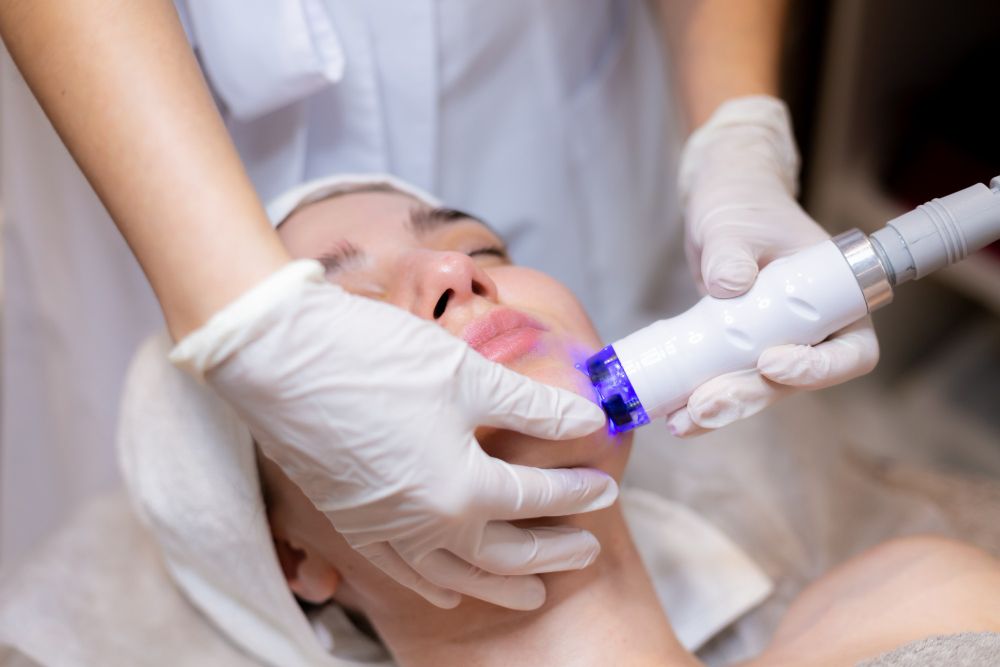
• Treatment Process: No surgery, no medication. Just lie back, open your mouth, and let the gentle laser warm the treatment area for 15 minutes.
• Effectiveness: Not permanent, but lasts 9–12 months. Depending on severity, 1–3 sessions may be needed.
• Comfort: Safe, non-invasive, with no wounds or downtime. I ate normally within hours.
After my first session, my partner said my snoring dropped by 80%. I also stopped waking up multiple times a night, finally waking refreshed.
My consultant later shared that 80% of users see significant improvement after 1–2 treatments, with effects lasting up to a year.
This therapy uses NightLase™ laser technology to gently tighten airway tissues, solving the root cause of snoring without side effects. Sign up now for a Free Trial: professional body analysis + Fotona 4D NightLase Snoring Treatment. Slots are limited, so don’t miss out!
Sign Up Here: Perfect Medical Fotona 4D NightLase Snoring Treatment免費體驗
Fotona 4D NightLase Snoring Treatment
1 Minute Self-Registration
Date should not be before minimal date
FAQ

How can I stop snoring naturally?
Start with lifestyle changes: side sleeping, weight loss, quitting smoking/drinking, nasal irrigation, and using the right pillow.
Do anti-snoring devices really work?
Yes, but effectiveness depends on the cause and severity of snoring.
Are nasal dilators effective?
They can increase airflow by up to 40%, but may feel uncomfortable.
Which doctor should I see for snoring?
Start with an ENT (Ear, Nose, Throat) specialist for diagnosis.
Who treats sleep apnea?
Either an ENT specialist or a respiratory physician.