- Home
- Trend
- Weight Loss Strategies
- Acne Tips
- Hair Health Information
- Blemish Removal Tips
- Acne Scar Removal Tips
- Muscle Building Techniques
- Intimate Care Tips
- Postpartum Intimate Care
- Eye Bags Wiki
- Tips for Face Slimming
- Secret of Permanent Hair Removal
- Breast Enlargement Tips
- Cure to Snoring
- Marionette Lines
- Skin-Tightening Secrets

Life in Hong Kong is stressful, and snoring troubles many people. It not only disturbs your partner’s sleep but can also threaten your health. Want to finally sleep through the night and free yourself from snoring? Let’s uncover the causes of snoring, home remedies you can try, and how the breakthrough Fotona 4D NightLase Snoring Treatment can help you restore quality sleep.

1. Why Is Snoring Such a Problem? The Hidden Sleep Crisis in Hong Kong
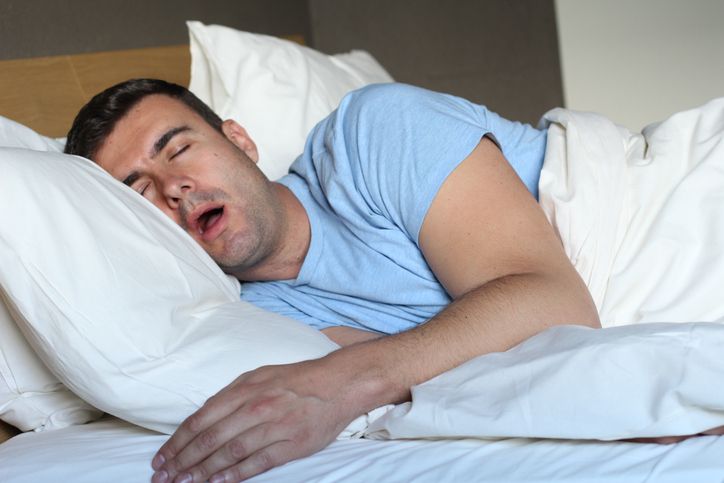
Snoring isn’t just an annoying noise—it can be your body’s warning signal. Many people in Hong Kong mistakenly believe that snoring simply means “sleeping soundly.” In reality, that’s a dangerous myth.
In this fast-paced city, snoring is becoming increasingly common. It doesn’t only affect your partner’s rest—long-term snoring may force couples into separate bedrooms and strain relationships. More importantly, snoring can be a sign of sleep apnea, which, if ignored, may affect your health and even carry life-threatening risks.
This article gives you a full breakdown: causes, risks, home solutions, and the latest Fotona 4D NightLase Snoring Treatment—everything you need to finally overcome snoring.
2. The Truth About Snoring: It Can Affect Anyone
What is snoring, and why does it happen?
Snoring occurs when airflow is partially blocked during sleep. As air squeezes through narrowed passages, soft tissues vibrate and produce sound. Common causes include:
• Narrow airway: Structural issues in the nose, mouth, or throat (e.g., deviated septum, enlarged tonsils).
• Relaxed soft tissues: With age or weight gain, tissues in the soft palate and uvula loosen.
• Nasal congestion: From allergies or sinusitis, increasing airway resistance.
• Tongue collapse: Sleeping on your back allows the tongue to fall backward and obstruct the airway.
免費體驗
Fotona 4D NightLase Snoring Treatment
1 Minute Self-Registration
Date should not be before minimal date
3. Snoring Isn’t Just About Weight—It’s About Airway Health
While obesity does increase snoring risk, it’s not limited to overweight individuals. Men, women, and even children can suffer from it. In Hong Kong, common contributing factors include:
• Lifestyle habits: Smoking, alcohol, and heavy diets that cause congestion.
• Urban illnesses: Allergic rhinitis and sinusitis, common in the city.
• Structural issues: Deviated septum or enlarged tonsils.
• Obesity: Fat around the neck compresses the airway.
Did you know? Around 45% of men and 25% of women in Hong Kong are habitual snorers. It’s a widespread issue!
4. Snoring Isn’t Just Loud—It Can Lead to Sleep Apnea
• Sleep disruption: Snoring interrupts deep sleep, leading to fatigue and poor concentration.
• Higher disease risks: Chronic snoring raises the chance of cardiovascular issues and sleep apnea.
• Relationship strain: Couples may sleep apart, affecting intimacy.
Important reminder: Snoring doesn’t always mean sleep apnea, but it can be a strong warning sign. Sleep apnea is when the airway is completely or partially blocked during sleep, causing breathing pauses. If you suspect sleep apnea, seek medical advice promptly.
5. How Severe Is Your Snoring? A Quick Self-Check
Here’s a simple checklist to estimate your snoring level:
| Snoring Level | Volume (dB) | Impact |
|---|---|---|
| Mild | Under 40 | Occasional, minor impact |
| Moderate | 40–59 | Habitual, affects sleep quality |
| Severe | 60+ | High risk of sleep apnea |
Note: This is only a self-assessment tool, not a medical diagnosis. If your snoring is loud or you suspect sleep apnea, consult a doctor.
免費體驗
Fotona 4D NightLase Snoring Treatment
1 Minute Self-Registration
Date should not be before minimal date
6. Home Remedies: 5 Ways to Quiet Snoring Naturally
You don’t always need medication or surgery to ease snoring. Try these at home:
Lifestyle adjustments:
• Lose weight: Exercise and healthy eating to reduce fat, especially around the neck.
• Quit smoking & alcohol: Reduce airway irritation.
• Sleep on your side: Prevent tongue collapse.
• Elevate your pillow: Keep airways open (but not too high).
• Clean your nasal passages: Use saline rinses to ease congestion.
Assistive tools:
• Nasal strips: Encourage nasal breathing, reduce mouth breathing. Not suitable for sensitive skin.
• Nasal dilators: Expand nasal space but limited effect.
• Snore sprays: Lubricate throat tissue, but check ingredients.
• Mouthguards: Adjust the jaw to open airways. Require dentist evaluation.
• Chin straps: Prevent mouth breathing, though may feel restrictive.
• Snore apps: Monitor sleep and suggest posture changes.
7. Tried & Tested: Popular Anti-Snoring Gadgets
Confused by the range of snoring products? Here’s a quick comparison of 5 popular options:
| Product | Main Function | Best For | Notes |
|---|---|---|---|
| Breathe Right Strips | Expand nasal passages | Snorers with nasal congestion | Avoid if skin is sensitive |
| OxyGO ResPlus CPAP | Provides positive airway pressure | Sleep apnea patients | Must be prescribed by a doctor |
| IBIKIST Snore Spray | Moisturizes throat, reduces vibration | Mild snorers | Check for allergies |
| SnoreRx Plus Mouthguard | Adjusts jaw position to open airway | Snorers with jaw alignment issues | Requires dental evaluation |
| Luxome LAYR Pillow | Improves posture and comfort | Back sleepers | More expensive option |
8. The Ultimate Solution: Fotona 4D NightLase Snoring Treatment
Tried everything with no luck? Don’t give up—the Fotona 4D NightLase Snoring Treatment could be your breakthrough.
Why choose NightLase?
• Non-invasive, painless, no surgery required.
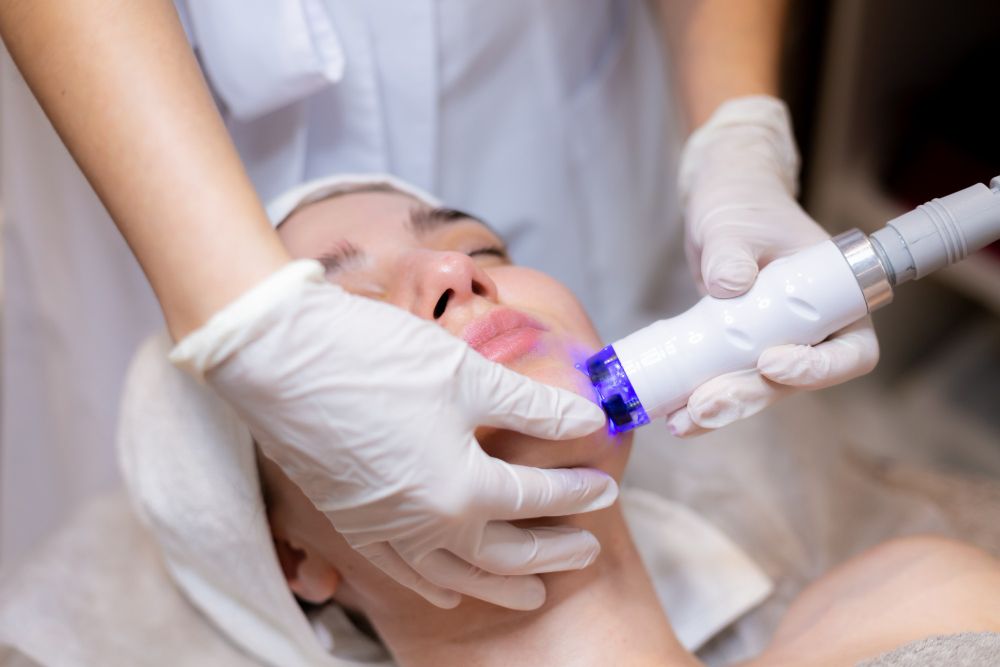
• Uses patented laser technology to gently heat oral tissues, stimulate collagen, and tighten soft structures.
• Widens the airway and reduces snoring.
• Quick treatment—only 15–30 minutes with no anesthesia.
• No downtime—resume normal life immediately.
Clinical studies show 80% of patients reported significant snoring reduction after just two sessions, with better sleep quality.
At Perfect Medical, all treatments are performed with genuine Fotona equipment and by trained professionals—safe, reliable, and effective.
免費體驗
Fotona 4D NightLase Snoring Treatment
1 Minute Self-Registration
Date should not be before minimal date
9. Who Might Not Be Suitable?
While most people benefit, these groups should be cautious:
• Central sleep apnea patients: Require specialized care.
• People allergic to adhesives or sprays: Patch-test first.
• Those with severe structural abnormalities: May require surgery.
• Severely obese or elderly patients: More complex cases needing comprehensive evaluation.
10. Don’t Self-Diagnose—Get a Professional Evaluation Today
Online checklists can only give you clues. For true peace of mind, professional medical assessment is essential.
Snoring doesn’t just affect your sleep—it also impacts your partner’s life. If home remedies aren’t enough, the Fotona 4D NightLase Snoring Treatment offers a safe, effective solution.
Fotona 4D NightLase Snoring Treatment:
• Patented non-invasive laser shrinks soft tissues blocking the airway
• Improves airflow, may ease sleep apnea symptoms
• Only 15 minutes per session, results can last up to 1 year
• No permanent tissue changes, extremely safe
• Zero downtime—eat, drink, and work as usual right after
80% of patients notice results after just 2 sessions. Safe, painless, and effective—why wait? Treat yourself and your partner to restful nights again.
Try it Today: Perfect Medical Fotona 4D NightLase Snoring Treatment免費體驗
Fotona 4D NightLase Snoring Treatment
1 Minute Self-Registration
Date should not be before minimal date
FAQ

What’s the difference between snoring and sleep apnea?
Snoring is the noise from partial obstruction, while sleep apnea involves pauses in breathing.
Do nasal strips really work?
They may help with snoring caused by nasal congestion, but results vary.
Is the Fotona 4D NightLase treatment painful?
No—there’s no pain and no anesthesia needed.
How many sessions are required?
Typically 3–5 sessions are recommended for best results.
Can snoring be prevented?
Yes—by maintaining a healthy weight, avoiding alcohol and smoking, and sleeping on your side.