- Home
- Trend
- Weight Loss Strategies
- Acne Tips
- Hair Health Information
- Blemish Removal Tips
- Acne Scar Removal Tips
- Muscle Building Techniques
- Intimate Care Tips
- Postpartum Intimate Care
- Eye Bags Wiki
- Tips for Face Slimming
- Secret of Permanent Hair Removal
- Breast Enlargement Tips
- Cure to Snoring
- Marionette Lines
- Skin-Tightening Secrets

Welcoming a new baby is one of life’s greatest joys—but for many women, the postpartum body changes can take a toll on their confidence. That once-visible waistline, those toned abs... gone. And in its place? A soft, rounded belly that just won’t go away, no matter how long it’s been since delivery. Does starting a family really mean you’re stuck with a “mom belly” forever?

1. What Is Diastasis Recti and What Causes It?
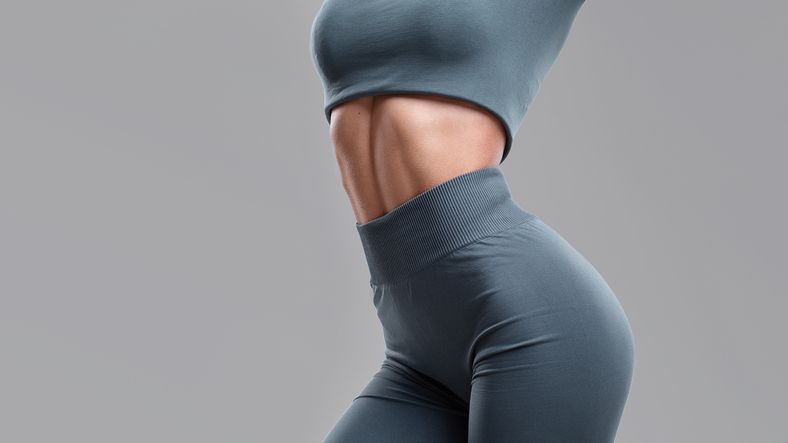
The abdominal wall is made up of several muscle groups: the rectus abdominis, external and internal obliques, and the transverse abdominis. These are held together in the center by connective tissue called the linea alba. The rectus abdominis—what we think of as “six-pack abs”—is the muscle affected by diastasis recti.
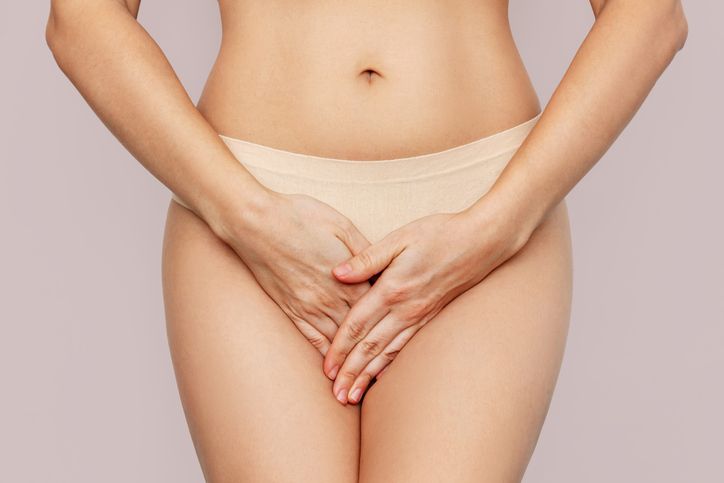
Diastasis recti refers to the separation of the rectus abdominis along the linea alba, creating a visible gap between the muscles. This often results in a bulging belly, soft and unresponsive to traditional ab workouts. In severe cases, the abdomen may even protrude outward in a dome-like shape that doesn’t retract on its own.
Common Causes of Diastasis Recti:
1. Pregnancy: Weight gain & hormonal changes
During pregnancy, the hormone relaxin increases significantly, loosening ligaments and connective tissues—including the linea alba. As the baby grows and the uterus expands, the abdominal wall stretches under pressure, gradually pulling the rectus abdominis muscles apart.
2. Age and lack of exercise
Older moms tend to have lower skin and muscle elasticity, making recovery harder. Women who weren’t physically active before pregnancy may also struggle more to regain abdominal strength after childbirth.
2. How to Self-Check for Diastasis Recti

Wondering if you have diastasis recti? Here’s a simple at-home test:
Self-Test Steps:
1. Lie flat on your back with your knees bent and feet flat on the floor.
2. Gently lift your head and shoulders off the floor while looking at your belly button.
3. With your fingertips, press down along the midline of your abdomen—above, at, and below the belly button.
4. See how many fingers you can fit in the gap between the muscles.
How to Interpret the Results:
• Less than 2 finger-widths: Normal
• 2–3 finger-widths: Mild separation—can improve with consistent core training
• 3–4 finger-widths or more: More serious—consult a medical professional for treatment options
免費體驗
S6 Body Sculpting Treatment
1 Minute Self-Registration
Date should not be before minimal date
3. How Diastasis Recti Affects Your Body
Diastasis recti isn’t just a cosmetic issue—it can cause functional problems, too. Here are four common impacts:
1. Altered body shape
The most obvious effect is a bloated or sagging belly that won’t go away. Many women feel self-conscious in form-fitting clothes like bikinis or crop tops, and some may even avoid intimacy with their partners, fearing judgment or rejection.
2. Lower back pain and poor posture
When the abdominal muscles weaken, the body’s core support system becomes unstable. This imbalance can lead to lower back pain, poor posture, and even pelvic misalignment over time.
3. Organ prolapse or displacement
In more severe cases, internal organs like the intestines may shift or sag due to the lack of core support. This can lead to serious complications like abdominal hernias, accompanied by symptoms like nausea or vomiting during exertion.
4. Urinary incontinence
Weakened core muscles put extra pressure on the pelvic floor, which may already be compromised after childbirth. This increases the risk of issues like urinary urgency or leakage, especially when sneezing, coughing, or lifting.
4. Common Treatments for Diastasis Recti
With modern wellness technology and better postpartum education, there are now more solutions than ever for treating diastasis recti. While Googling answers is a good place to start, here are four of the most commonly recommended approaches:
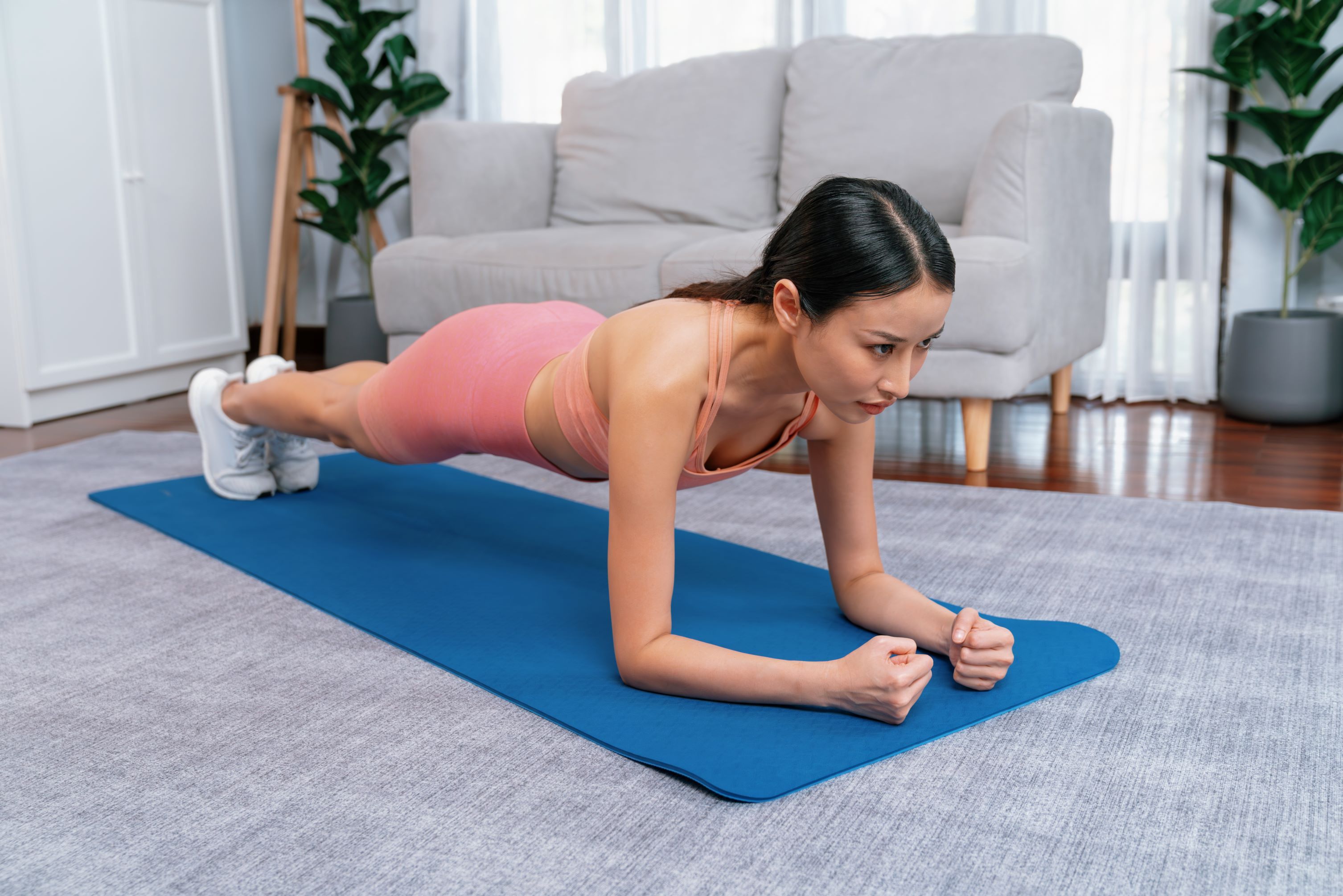
1. Targeted core exercises
Mild to moderate cases can often be improved with focused core workouts that strengthen the transverse abdominis without putting pressure on the linea alba.
Important: Not all abdominal exercises are suitable! Movements like traditional sit-ups or crunches may actually worsen the condition by pushing the muscles further apart. Instead, opt for gentle, controlled exercises guided by a professional or postpartum program.
2. Acupuncture and abdominal massage
Traditional Chinese medicine (TCM) practitioners may use techniques like acupuncture or electroacupuncture combined with abdominal massage to improve blood circulation, relax fascia, and help restore elasticity to the muscle tissues.
3. Surgery
In severe cases, a surgical procedure may be necessary. Surgeons typically remove excess fat, reposition the separated abdominal muscles, and tighten the connective tissue to close the gap and restore core support.
5. Can a Postpartum Belly Binder Really Fix Diastasis Recti?
For generations, women have turned to belly binders after childbirth in hopes of regaining their pre-pregnancy figure. But is long-term reliance on a binder really effective for healing diastasis recti?
If you're a new mom hoping for a quick fix without having to exercise, a belly binder alone may not live up to your expectations. While it’s true that binders can provide temporary external support, helping to stabilize the pelvis and prevent internal organs from shifting downward, they don’t actually strengthen the abdominal muscles.
In fact, prolonged use without engaging the core muscles can lead to muscle weakness and may even backfire. So while a belly binder might offer some early-stage relief, especially in the weeks right after birth, it’s not a long-term solution. For lasting results, consistent core strengthening exercises are the way to go!
免費體驗
S6 Body Sculpting Treatment
1 Minute Self-Registration
Date should not be before minimal date
6. 3 Simple Exercises to Help Improve Diastasis Recti
Studies show that around 60% of postpartum women experience diastasis recti to some degree. With such a large audience, it’s no surprise that many fitness influencers on platforms like YouTube and Xiaohongshu have created targeted workout routines to help moms rebuild their core.
Here are three beginner-friendly exercises to get you started:
Exercise 1: Diaphragmatic (Abdominal) Breathing
This gentle breathing technique helps activate the transverse abdominis, the deepest layer of abdominal muscles.
How to do it:
• Lie on your back on a yoga mat with knees bent and feet flat.
• Rest your hands on your belly.
• Inhale deeply, expanding your abdomen outward.
• Exhale slowly, drawing your belly inward toward your spine.
• Hold each inhale and exhale for 5 to 10 seconds.
Practicing this regularly helps engage and tighten the core without placing strain on separated muscles.
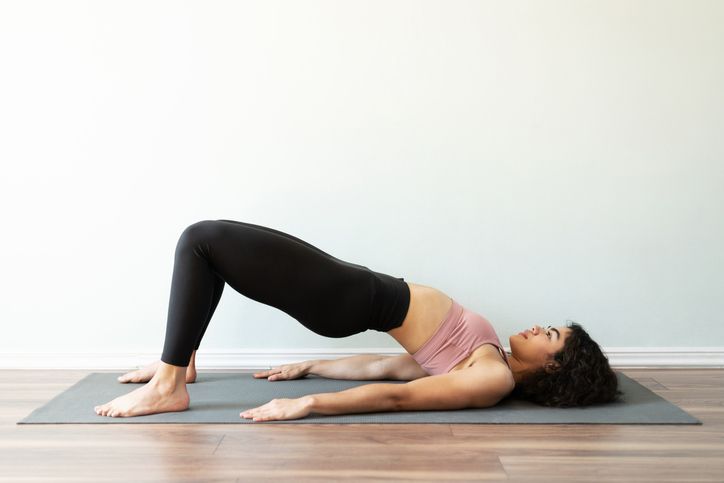
Exercise 2: Glute Bridge
This classic move not only tones your core but also strengthens your glutes and helps correct anterior pelvic tilt.
How to do it:
• Lie on your back with knees bent, feet hip-width apart, and arms by your sides.
• Inhale, then lift your hips off the mat until your body forms a straight line from shoulders to knees.
• Hold for 5 seconds, then slowly lower down.
Repeat for 10–15 reps. Keep your core engaged throughout!
Exercise 3: The Salman Method (Advanced Core Training)
The Salman Method is a globally recognized postpartum core recovery program designed specifically for women with diastasis recti. It breaks down recovery into five progressive levels, making it easy to tailor the workout to your current ability.
These movements require no equipment—just a yoga mat and your body.
Let’s take a look at the five core exercises in the Salman Method:
Level 1: Alternating Heel Slides
• Lie on your back with knees bent and spine neutral.
• Without lifting your heels, slowly slide one leg forward, then bring it back.
• Alternate sides, keeping your pelvis and core stable.
Level 2: Leg Lifts (Off the Ground)
• Same position as above, but this time extend each leg off the ground at a 30-degree angle.
• Alternate legs, maintaining a stable core.
Level 3: Toe Taps from 90-Degree Hold
• Raise both legs to a 90-degree angle, knees above hips.
• Keeping abs tight, tap one heel to the ground, then return.
• Alternate legs without arching your lower back.
Level 4: Alternating Leg Extensions
• Keep legs raised at 90 degrees.
• Extend one leg straight out, keeping the other bent.
• Switch sides, as if cycling in slow motion.
Level 5: Modified Dead Bug
• Start with legs raised at 90 degrees and arms extended upward.
• As you extend your right leg forward, simultaneously stretch your left arm back.
• Switch sides like a slow, controlled crawl. Keep your core tight and lower back grounded.
7. Not a Fan of Exercise? Consider Non-Invasive Core Repair with S6 Body Sculpting Treatment
Still struggling with diastasis recti after reading all this? Not keen on working out or undergoing surgery? Good news—modern body sculpting treatments offer an effective, non-invasive alternative to rebuild your core.
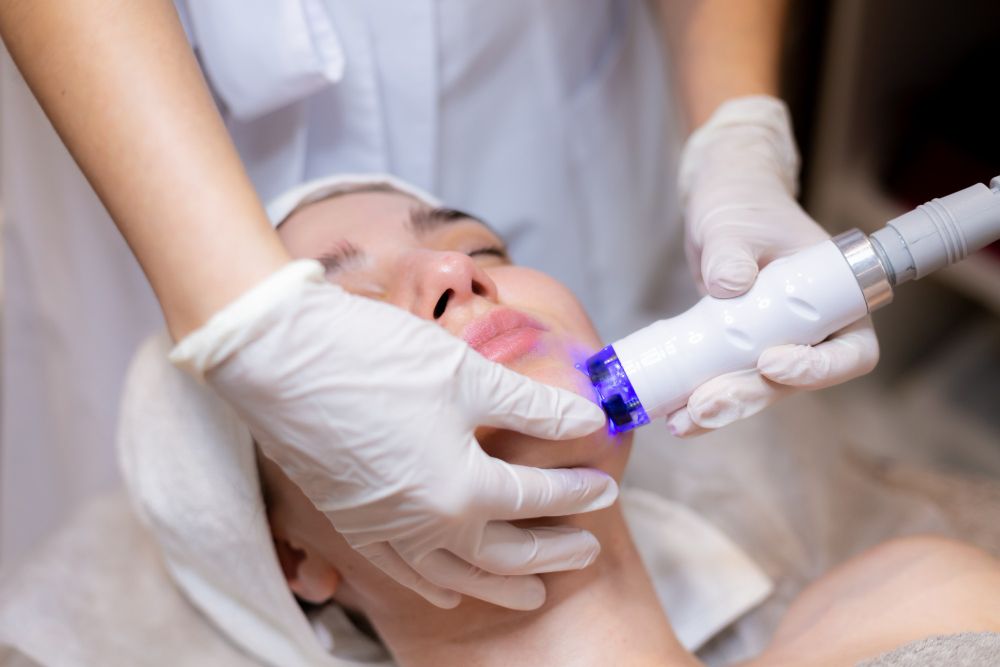
We recommend the S6 Body Sculpting Treatment, a cutting-edge solution for moms frustrated by postpartum belly bulge and weak abs. This treatment uses patented HIFEM technology (High-Intensity Focused Electromagnetic) to directly stimulate motor neurons in your abdominal muscles, triggering up to 20,000 muscle contractions in just 30 minutes—the equivalent of a high-intensity workout, without lifting a finger.
Not only does it burn fat and tighten separated abdominal muscles, but it also restores strength and shape to your core, giving you back that firm, flat stomach you’ve been missing.
Best of all? It’s completely non-invasive and safe for postpartum moms. No cuts, no downtime, and no damage to the skin—just visible, confidence-boosting results.
Sign Up Now: Perfect Medical S6 Body Sculpting Treatment免費體驗
S6 Body Sculpting Treatment
1 Minute Self-Registration
Date should not be before minimal date
FAQ

What is diastasis recti?
It’s a condition where the left and right sides of the abdominal muscles separate due to stretching of the linea alba, often during pregnancy. This results in a weakened core and a bulging or sagging belly.
How does diastasis recti affect postpartum women?
Besides changing your body shape, it can lead to organ displacement, nausea, back pain, and even pelvic floor dysfunction—causing issues like frequent urination or urinary leakage.
Can a belly binder fix diastasis recti without exercise?
No. While a binder may provide temporary support right after birth, it doesn’t actually train the muscles. Long-term reliance can weaken the core even more.
How does the S6 Body Sculpting Treatment work?
It uses HIFEM energy to contract your abdominal muscles up to 20,000 times in 30 minutes, strengthening the core and reducing fat at the same time.
Can diastasis recti be prevented?
Strengthening your core before pregnancy can improve muscle elasticity, potentially reducing the severity of separation postpartum.