- Home
- Trend
- Weight Loss Strategies
- Acne Tips
- Hair Health Information
- Blemish Removal Tips
- Acne Scar Removal Tips
- Muscle Building Techniques
- Intimate Care Tips
- Postpartum Intimate Care
- Eye Bags Wiki
- Tips for Face Slimming
- Secret of Permanent Hair Removal
- Breast Enlargement Tips
- Cure to Snoring
- Marionette Lines
- Skin-Tightening Secrets

How long should you stand after eating to help digestion and prevent fat buildup? It’s a question almost every urban dweller asks — and many have made post-meal standing a habit. But experts reveal that simply standing doesn’t deliver the benefits we think it does. In fact, a light post-meal walk is far more effective for regulating blood sugar, improving digestion, and even supporting weight management.


1. Want to Lose Weight? How Long Should You Stand After Eating? The Big Difference Between Lying Down, Sitting, Standing, and Walking
Many people wonder how long they should stand after a meal to aid digestion or avoid gaining weight. But the answer isn’t as simple as counting minutes — it depends on how your body functions after eating. Let’s compare four common post-meal behaviors — lying down, sitting, standing, and walking — to see how differently they affect your body.
The Worst Choice for Digestion: Lying Down After Eating
When you lie down right after a meal, your stomach’s position changes, making it easier for stomach acid and undigested food to flow back into the esophagus — causing acid reflux, or the familiar “heartburn” sensation. Over time, this can harm your esophagus. So, when it comes to how long you should wait before lying down, the answer is: avoid it immediately after eating. Give your digestive system time to work smoothly first.
The Most Common Habit: Sitting
Whether it’s lounging on the sofa after dinner or sitting at your desk after lunch, prolonged sitting slows down digestion and keeps your body in a low-energy state. The calories you just consumed are then more easily stored as fat — especially around the abdomen.
The Seemingly Healthy Option: Standing
Standing does burn more calories than sitting or lying down, and gravity helps food move downward through the digestive tract. However, standing still is a passive activity — it doesn’t actively engage your muscles to burn energy. So, while it’s better than sitting, its impact on stabilizing blood sugar is quite limited.
The Best Option: Walking — Move More, Store Less Fat!
Post-meal walking is an active form of light exercise. As your leg muscles contract, they pull glucose from your bloodstream to use as fuel, directly lowering blood sugar levels. This reduces the body’s need to produce excess insulin and prevents fat accumulation from the start. Compared to lying down, sitting, or just standing, walking is the true “golden rule” for post-meal activity that brings real health benefits.
2. The Science of Post-Meal Walking: Unlocking 3 Golden Mechanisms for Stable Blood Sugar, Better Digestion, and Fat Control
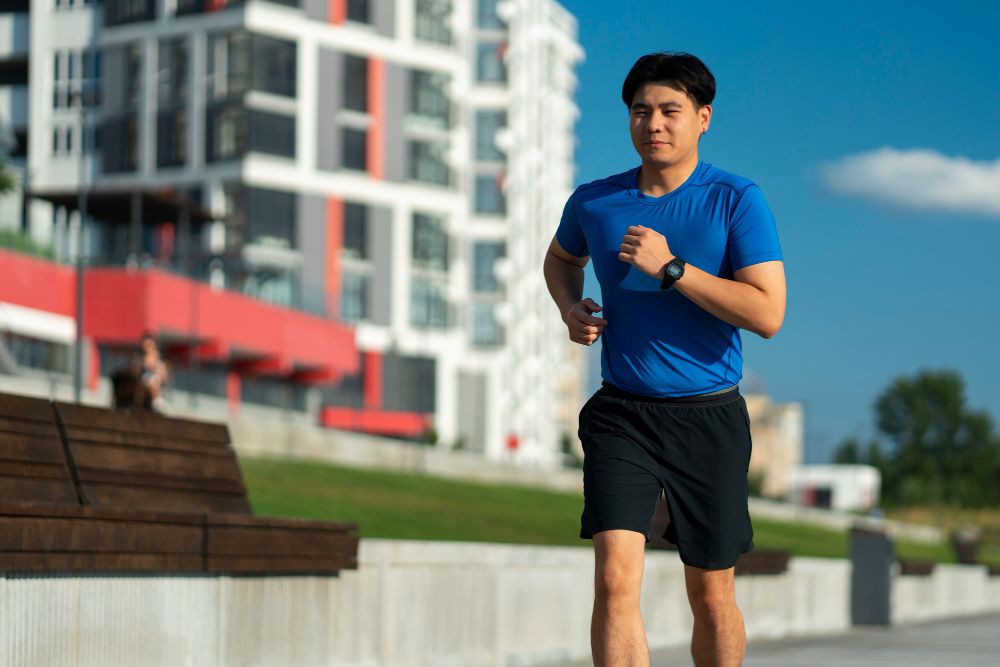
Instead of stressing over how long to stand after eating, learn why walking is scientifically more effective. While standing and walking may seem similar, they trigger very different physiological effects. Post-meal walking activates three powerful, interconnected mechanisms that standing simply can’t achieve.
Mechanism 1: Active Muscle Movement for Blood Sugar Control
After a meal, carbohydrates break down into glucose, raising your blood sugar levels. Your body releases insulin to process it — but if you’re just standing still, insulin does most of the work alone. Walking, however, engages your leg muscles, which actively draw glucose from the bloodstream for energy. This helps stabilize blood sugar more quickly and smoothly, preventing spikes and crashes — something passive standing can’t do.
Mechanism 2: Boosting Metabolism to Block Fat Formation at the Source
Blood sugar management and fat storage are closely linked. When blood sugar spikes after eating and your body stays idle, excess glucose is easily converted into fat, especially in the belly and thighs. Walking right after a meal uses that glucose before it turns into fat, while slightly boosting your metabolic rate — making your body more efficient at burning calories and preventing fat accumulation from the root.
Mechanism 3: Gentle Stimulation of Gut Movement to Ease Bloating
If you often feel overly full after eating, that’s because food moves slowly through your digestive tract. A light walk acts like a gentle massage for your intestines, helping food pass through more easily. This relieves bloating and improves digestion far better than just standing around or worrying about when you can lie down.
免費體驗
S6 Body Sculpting Treatment
1 Minute Self-Registration
Date should not be before minimal date
3. The Post-Meal Walking Guide: Timing, Duration, and Intensity for Maximum Benefits
Many people ask, “How long should I stand after eating?” Instead of fixating on standing time, focus on the best walking window. The ideal time to start walking is right after you put down your chopsticks. Research shows blood sugar peaks about 30–60 minutes after a meal — so walking before that spike helps muscles use glucose more efficiently, preventing fat storage.
Duration
If your goal is simply to stabilize blood sugar and aid digestion, even a short 10–15 minute walk works wonders — far better than standing. For more effective weight management, aim for about 30 minutes, which helps burn more calories and boost metabolism.
Intensity
A casual stroll isn’t enough. Aim for a pace that slightly raises your heart rate and warms your body — where you can still talk but not sing comfortably. This is known as brisk walking. For extra benefits, try interval walking: brisk walk for 2 minutes, then slow down for 3 minutes, and repeat. Remember, the goal is to feel comfortable — not breathless.
4. Personalized Post-Meal Walking Strategies: Choose the Plan That Fits Your Goals
Instead of looking for a one-size-fits-all answer, tailor your post-meal walks based on your personal goals. Here are three practical approaches:
Goal 1: Stabilize Blood Sugar and Avoid Post-Meal Fatigue
If you often feel sleepy after eating, timing is everything. Start walking immediately after your meal, before your blood sugar spikes. Even a few minutes of movement helps smooth out blood sugar levels and keeps your energy steady.
Golden Time: Start right after finishing your meal.
Duration: 5–15 minutes.
Intensity: Gentle pace — the key is to move.
Goal 2: Improve Digestion and Ease Bloating
If you frequently feel bloated or heavy after eating, gentle walking works best. This mild activity encourages bowel movement and helps food move downward without straining your stomach.
Golden Time: Start 10–15 minutes after eating.
Duration: 15–20 minutes.
Intensity: Very relaxed pace.
Goal 3: Burn Fat and Accelerate Weight Loss
For those aiming to slim down, increase both time and intensity. Walking during your body’s post-meal metabolic window helps burn the calories you just ate while tapping into stored fat reserves.
Golden Time: Start 20–30 minutes after eating, once digestion has begun.
Duration: 30–45 minutes.
Intensity: Brisk walking — move fast enough to feel mildly out of breath.
5. Don’t Just Sit — A 30-Minute Post-Meal Workout Aids Digestion and Weight Loss! But What If You’re Too Tired or Busy? Here’s the Lazy Solution!
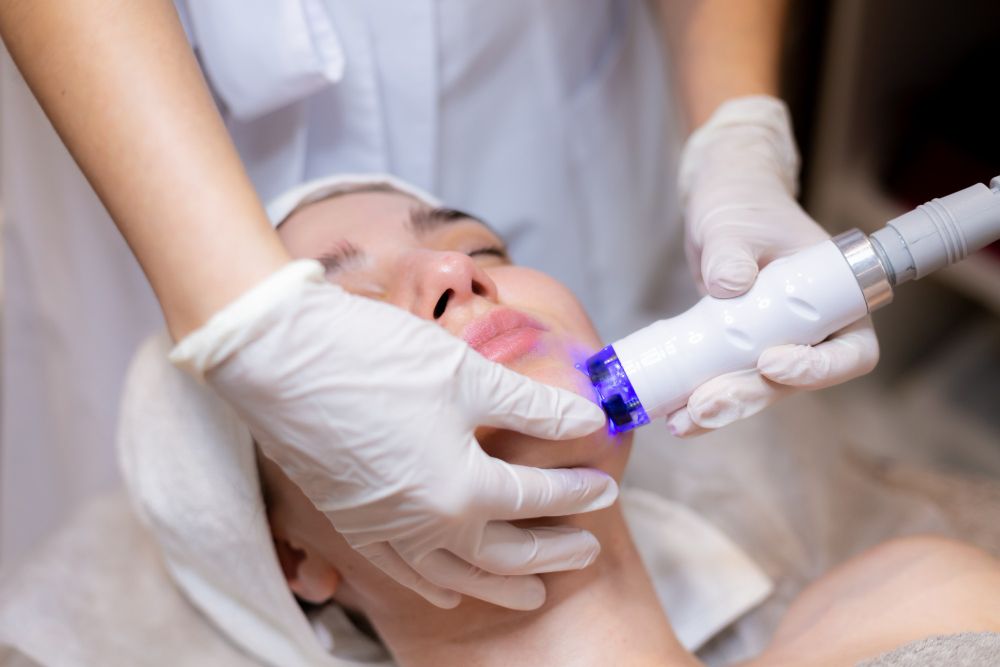
For those who are too exhausted after work or simply can’t fit in a walk, there’s a “lazy person’s” slimming option — the S6 Body Sculpting Treatment. All you need to do is lie down and slim down!
The S6 treatment uses advanced bio-laser technology that penetrates the fat layer to break down deep fat cells, converting them into fatty acids that are naturally metabolized and eliminated from the body. It’s especially effective for people with belly fat or central obesity, helping sculpt a firmer, more youthful figure effortlessly.
Click the link below to learn more. Register online now for a free S6 session — limited slots available! Let medical aesthetics become your secret weapon against stubborn fat.
Register Today: Perfect Medical's S6 Body Sculpting Treatment免費體驗
S6 Body Sculpting Treatment
1 Minute Self-Registration
Date should not be before minimal date
FAQ

Is standing after meals enough? Is it better than sitting?
Standing is indeed better than sitting or lying down, as it slightly increases calorie burn and helps food move downward with gravity. However, it doesn’t do much for blood sugar or fat control. The best strategy is a mix — stand lightly for 15–30 minutes after eating, then take a 10–20 minute walk to help muscles actively consume blood sugar.
How long should I wait before lying down after a meal?
Wait at least 30 minutes to 1 hour — ideally up to 2 hours — before lying completely flat. This allows the stomach to process food properly and prevents acid reflux or heartburn caused by digestive fluids flowing back into the esophagus.
Can I run or lift weights right after eating?
No. After eating, blood flow is concentrated in the digestive system. Intense exercise diverts it to your muscles, which disrupts digestion and can cause cramps, discomfort, or even stomach issues.
When is the best time to do intense workouts after dinner?
Wait at least 1.5–2 hours after eating before doing high-intensity exercises. This gives your body enough time to digest your meal.
What if I’m too busy to walk for 20 minutes?
Even a 5–10 minute walk makes a big difference. Studies show that short bursts of light movement after meals can stabilize blood sugar and prevent spikes. You can also walk around the office, get off the bus one stop earlier, or do light chores like washing dishes or tidying up — the key is simply to move.