- Home
- Trend
- Weight Loss Strategies
- Acne Tips
- Hair Health Information
- Blemish Removal Tips
- Acne Scar Removal Tips
- Muscle Building Techniques
- Intimate Care Tips
- Postpartum Intimate Care
- Eye Bags Wiki
- Tips for Face Slimming
- Secret of Permanent Hair Removal
- Breast Enlargement Tips
- Cure to Snoring
- Marionette Lines
- Skin-Tightening Secrets

Before diving into the low-carb diet, it’s important to clear up common misconceptions about “carbs.” Many people feel both familiar and confused about this topic. What exactly are “carbs”? Are they the same as what we usually call “sugar”?

1. What Is a Low-Carb Diet? Not Just Cutting Sugar! Busting the Carb Myths
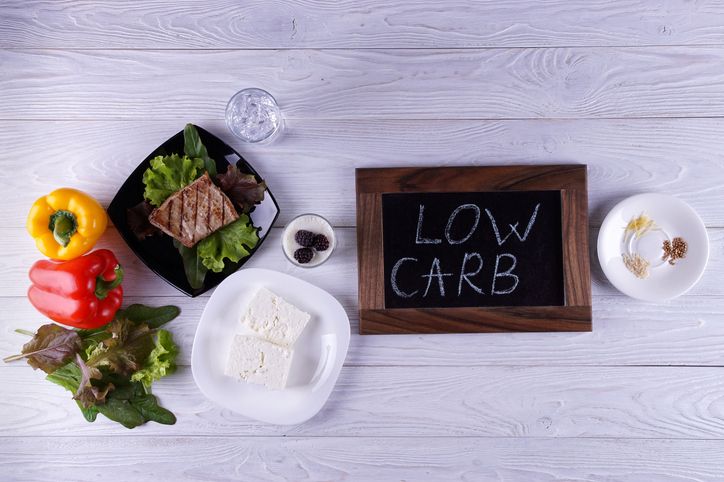
Carbs vs. Sugar & Carbohydrate Classification
Technically, “carbs” are a general term for carbohydrates, one of the body’s main energy sources. “Sugar” usually refers to simple sugars like glucose, fructose, and sucrose—just a small subset of carbohydrates. All carbohydrates, once digested, are broken down into glucose, which enters the bloodstream as blood sugar.
Carbohydrates can be classified based on their structure and digestion rate:
• Monosaccharides: Glucose, fructose, galactose. The simplest form, quickly absorbed and rapidly raising blood sugar. Commonly found in candy, honey, fruits, and fruit juice.
• Disaccharides: Two monosaccharides linked together, such as sucrose (glucose + fructose), lactose (glucose + galactose), maltose (glucose + glucose). Digested into monosaccharides, they also raise blood sugar quickly.
• Oligosaccharides: Composed of 3–10 monosaccharides, partially digestible by the human body.
• Polysaccharides: Long chains of monosaccharides, including starch (in rice, bread, potatoes) and dietary fiber. Starch digests slowly, providing sustained energy; fiber isn’t digested but is crucial for gut health.
2. Core Concept & Macro Ratios of Low-Carb Diets — How They Differ from Keto

A low-carb diet doesn’t mean zero carbs. It’s about controlling carb intake, especially refined carbs, while prioritizing high-quality complex carbohydrates.
Typical macronutrient ratio for low-carb diets:
• Carbs: 20% or less of total calories
• Protein: 30% of total calories
• Fat: 50% of total calories
These ratios are flexible depending on personal needs, activity level, metabolism, and health goals. Low-carb diets can be seen as a “starter version” of keto.
• Keto: 20–50g of carbs/day, aimed at inducing ketosis to burn fat primarily.
• Low-carb: 50–150g of carbs/day, reduces blood sugar spikes and encourages fat burning without necessarily entering ketosis. Easier to sustain long-term and more flexible.
免費體驗
S6 Body Sculpting Treatment
1 Minute Self-Registration
Date should not be before minimal date
3. The Importance of Glycemic Index (GI)
GI measures how quickly carbs in food raise blood sugar.
• High GI foods: Quickly digested, causing rapid blood sugar spikes (e.g., white rice, white bread, candy, sugary drinks).
• Low GI foods: Slowly digested, providing stable blood sugar and prolonged fullness (e.g., whole grains, legumes, non-starchy vegetables).
Choosing low-GI foods helps stabilize blood sugar and allows the body to use fat more efficiently as energy.
4. 6 Benefits of a Low-Carb Diet: Beyond Weight Loss
1. Supports weight management & fat metabolism:
Reducing carbs encourages the body to burn fat for energy, aiding effective weight loss and body sculpting.
2. Stabilizes blood sugar & improves insulin sensitivity:
Low-carb diets reduce blood sugar fluctuations, easing the pancreas’s burden, helpful for prediabetic and type 2 diabetes patients.
3. Improves lipid profile & cardiovascular health:
Studies show reduced triglycerides, higher HDL (“good”) cholesterol, and improved LDL particle type, benefiting heart health.
4. Prolongs satiety & curbs cravings:
Protein and healthy fats slow digestion, keeping you full and avoiding unhealthy snacking.
5. Boosts mental focus & stabilizes energy:
Using fat for fuel provides stable energy, preventing fatigue and enhancing cognitive function.
6. May improve skin condition:
Lowering carbs can reduce inflammation, improving acne and promoting healthier skin.
5. Nutritionist’s 8 Practical Principles for Low-Carb Beginners
Mastering low-carb eating isn’t hard; it’s about smart food choices and habit adjustments.
1. Choose whole foods, avoid processed items:
Skip packaged foods, sugary drinks, and refined starches.
2. Switch main carbs to whole grains or alternatives:
Replace white rice or bread with brown rice, quinoa, purple rice, or cauliflower rice.
3. Eat plenty of low-carb vegetables, moderate root vegetables:
Enjoy broccoli, spinach, mushrooms, kale. Monitor higher-carb root vegetables like carrots or sweet potatoes.
4. Ensure adequate protein:
Include chicken, fish, seafood, eggs, tofu, or unsweetened Greek yogurt in every meal.
5. Choose healthy fats for energy:
Olive oil, avocado, nuts, and coconut oil stabilize energy and aid fat-soluble vitamin absorption. Moderate portions.
6. Fruits in moderation, focus on low-sugar types:
Avocado, berries, guava are preferred; avoid bananas, grapes, mangoes.
7. Careful beverage selection, avoid hidden sugars:
Water, unsweetened tea, black coffee are best. Avoid juice, soda, and sugary milk teas.
8. Meal order & dining out strategy:
Eat veggies → protein → carbs. At restaurants, choose boiled or braised dishes and control portions.
免費體驗
S6 Body Sculpting Treatment
1 Minute Self-Registration
Date should not be before minimal date
6. Potential Side Effects & Important Notes
1. Initial “low-carb symptoms” (Keto flu):
Fatigue, headache, dizziness, brain fog, irritability. Usually temporary; hydrate, maintain electrolytes, and give your body time to adapt.
2. Constipation:
May occur if fiber intake drops. Increase water and low-carb vegetables (broccoli, spinach, mushrooms, chia seeds). Healthy fats help lubricate the gut.
3. Muscle cramps & electrolyte imbalance:
May happen early due to magnesium, potassium, and sodium loss. Supplement naturally or via salt in water if needed. Consult a doctor if it is severe.
4. Nutritional balance:
Eat a variety of whole foods; don’t eliminate carbs entirely. Consider multivitamins if necessary.
5. Who should avoid low-carb diets:
6. Diabetic patients adjusting medication
Kidney or liver disease patients
Pregnant or breastfeeding women
Individuals with history of eating disorders
People taking medications that interact with low-carb diets
7. 8 Low-Carb Snack Ideas
Even on a low-carb diet, cravings happen. Here are healthy, satisfying options:
1. Nuts: Almonds, cashews, walnuts, pistachios. One small handful (~30g) daily.
2. High-protein cookies/bars: Check for low sugar and high protein.
3. Unsweetened yogurt/Greek yogurt: Pair with berries or nuts, avoid flavored varieties.
4. Dark chocolate: ≥70% cocoa, in moderation.
5. Edamame / boiled eggs / tea eggs: High in protein, low carb.
6. Avocado: Eat raw or as dip.
7. Cheese: Cheddar, mozzarella, cream cheese—low carb, high protein.
8. Veggie sticks with dips: Cucumber, celery, bell pepper with guacamole, hummus, or low-carb yogurt dip.
These snacks help you stick to the diet while providing protein, fiber, and healthy fats.
8. Debunking 5 Common Low-Carb Myths
“Low-carb means zero starch”
False—focus on portion-controlled, high-fiber complex carbs.
“Low-carb causes malnutrition”
False—balanced low-carb diet provides sufficient nutrients.
“Low-carb isn’t suitable for active people”
False—fat-adapted athletes can perform well; may need carbs around high-intensity sessions.
“Low-carb tastes bad”
False—use natural herbs, spices, and healthy fats for flavor.
“Honey water is a good low-carb remedy”
False—honey is high in glucose/fructose; avoid during low-carb dieting.
免費體驗
S6 Body Sculpting Treatment
1 Minute Self-Registration
Date should not be before minimal date
9. Maintaining Low-Carb Without Sacrificing Life Enjoyment
Strict long-term low-carb diets are hard to sustain, potentially causing rebound or stress.
If fat stubbornly remains, consider combining diet with non-invasive S6 Body Sculpting Treatment:
• Uses high-efficiency biolaser to target deep fat layers.
• Converts fat into fatty acids, which are eliminated via vacuum-assisted metabolism.
• Ideal for central obesity, shapes firm curves safely without downtime.
Sign up online for a free trial—limited slots! Let medical aesthetics be your shortcut to tackling stubborn fat.
Sign Up Here: Perfect Medical's S6 Body Sculpting Treatment免費體驗
S6 Body Sculpting Treatment
1 Minute Self-Registration
Date should not be before minimal date
FAQ

What are some of the major low-carb pitfalls?
Avoid refined starches, sugary drinks, and processed foods.
Are there any fruits allowed?
Low-sugar options in moderation (avocado, berries, guava).
Is there any impact on muscle mass?
Ensure adequate protein and resistance training.
Can I eat starches?
Choose complex carbs (brown rice, quinoa, cauliflower rice). Avoid refined starches.
Is a low-carb diet suitable for diabetics?
Yes, under medical supervision, especially for insulin or glucose-lowering medications.