- Home
- Trend
- Weight Loss Strategies
- Acne Tips
- Hair Health Information
- Blemish Removal Tips
- Acne Scar Removal Tips
- Muscle Building Techniques
- Intimate Care Tips
- Postpartum Intimate Care
- Eye Bags Wiki
- Tips for Face Slimming
- Secret of Permanent Hair Removal
- Breast Enlargement Tips
- Cure to Snoring
- Marionette Lines
- Skin-Tightening Secrets
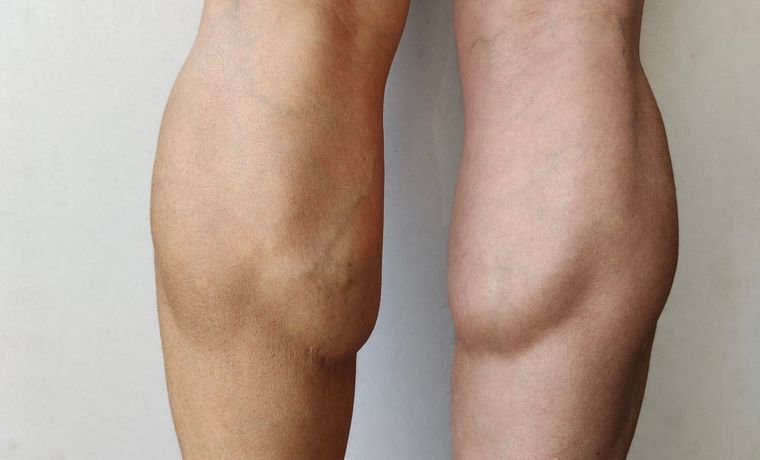

Muscle legs are a common concern among many women. Often called “radish legs”, this issue points to stubborn, hard-to-improve leg bulk. Muscle legs can make the body look heavier overall. Unless you’re a fitness enthusiast actively building leg muscles, most women would rather avoid bumpy, muscular calves.

1. How Muscle Legs Form: A Quick Overview of Leg Muscles

Muscle legs are mainly caused by the development of thigh and calf muscles. Key leg muscles include:
• Front thigh: Quadriceps
• Back thigh: Hamstrings
• Calves: Gastrocnemius and soleus
When these muscles are repeatedly used, subjected to high-intensity training, or loaded exercises (e.g., hiking, squats, jumps), the legs become firm, sometimes appearing “chunky” or muscular—what’s commonly called muscle legs.
Especially the gastrocnemius and soleus, if not stretched or relaxed during workouts, or if daily posture applies excess force (e.g., tiptoeing, excessive pushing off), can thicken calves. Muscle legs are not inherently bad—they indicate strength and stability—but if softer lines are desired, you can adjust training, increase stretching, and relax muscles.
2. 5 Common Calf Types & Causes: Obstacles to Slim, “Chopstick” Legs
1. Muscular Calves
Caused by developed calf muscles, especially prominent gastrocnemius and soleus. Common among athletes or those performing high-intensity activities like hiking, running, or long-term high-heel wear. Repeated stress makes muscle fibers thicker and lines more pronounced.
• Key factors: High-intensity training, high-heel habits, poor walking posture
• Characteristics: Firm to the touch, elastic, with noticeable calf contours
2. Fatty Calves
Excess fat accumulates around the inner thighs and calves, giving a soft, rounded appearance without visible muscle lines.
• Key factors: High calorie intake, lack of exercise, low basal metabolism
• Characteristics: Soft texture; pinching reveals noticeable “fleshiness”
3. Swollen (Edema) Calves
Caused by poor blood and lymphatic circulation, leading to fluid retention. Often varies in thickness from morning to evening. Common among those who sit or stand long hours or consume a salty diet.
• Key factors: Poor fluid circulation, prolonged static posture, menstrual cycle, high-heel wear
• Characteristics: Pressing leaves temporary indentations; swelling is obvious, not true muscle or fat
4. Fat-Covered Muscular Calves
Muscle calves with a layer of extra fat on top, creating a thicker, “hard yet soft” appearance. Can be mistaken for simply thick legs.
• Key factors: High-intensity training plus excess calorie intake without fat control
• Characteristics: Firm inner layer, soft outer layer; lines remain indistinct after exercise
5. Other Causes: Posture & Daily Habits
Walking posture, shoe choice (especially high heels), weight distribution, and exercise habits all affect leg shape. Leg development is the result of cumulative habits and posture. Understanding your type and causes is the first step to targeted improvement.
免費體驗
S6 Body Sculpting Treatment
1 Minute Self-Registration
Date should not be before minimal date
3. Expert Fitness Coach Recommendations: 3 Most Effective Exercises for Thighs & Calves
For different leg types and common slimming goals, many trainers recommend low-intensity cardio + stretching, combined with posture and lifestyle adjustments.
1. Avoid high-intensity training; switch to low-intensity cardio
To slim legs and avoid excessive muscle growth, avoid:
• Avoid: Sprints, jumps, heavy lifting, explosive movements (stimulates hypertrophy)
• Switch to: Low-intensity cardio that burns fat without overstimulating muscles:
Jogging (preferably flat ground or treadmill)
Swimming (low joint stress, full-body coordination)
Brisk walking (knees slightly bent, heel strikes first)
Yoga & Pilates (lengthens muscles, refines lines)
2. Daily calf & thigh stretching
Trainers agree stretching is key to slim legs. Improves muscle tension, leg shape, and circulation—especially helpful for high-heel wearers or those with poor posture.
Calf stretch:
• Stand facing a wall, hands on wall, step one leg back, heel on floor, lean forward
• Focus on stretching the gastrocnemius
• Hold 15–30s, 2–3 reps per leg
Quadriceps stretch (front thigh):
• Stand, hold wall for balance, grab ankle, gently pull heel toward glutes
• Keep pelvis stable, feel front thigh stretch
• Hold 15–30s, alternate legs
3. Yoga & Pilates for leg shape and flexibility
• Lengthens muscles, sculpts leg lines, reduces bulky appearance
• Helps correct knee alignment issues (knock knees, bow legs)
• Improves overall coordination and core stability, indirectly improving walking and posture
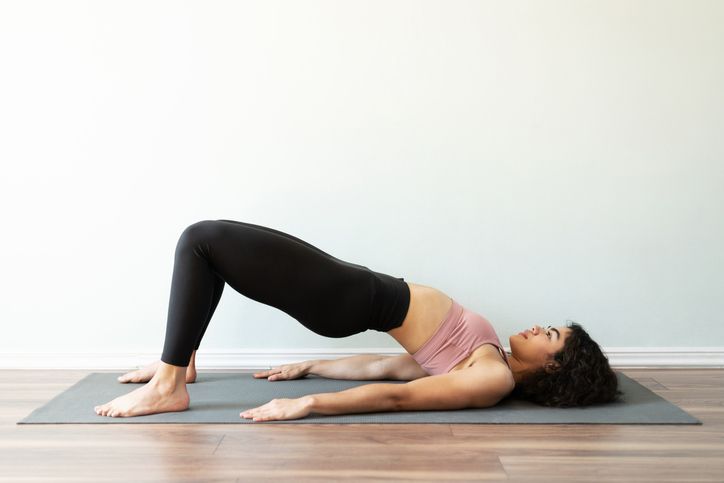
Recommended beginner poses: Cat-Cow, Bridge, Warrior II, Single-Leg Stretch
Other tips: Correct posture & walking habits
• Bad habits: Tiptoeing, over-straight knees, arms not swinging, pigeon-toed or splayed gait
• Correct posture: Knees slightly bent and forward, weight evenly on feet, core engaged, shoulders relaxed
4. Quick Ways to Slim Legs: 2 Aesthetic Options (Results May Be Temporary)
1. Botox Injection
Relaxes muscles by blocking nerve signals, temporarily slimming calves. Effects are not permanent and require regular maintenance. Side effects may include bruising or swelling.
2. Liposuction
Removes excess leg fat surgically. Risks include infection, bleeding, and need for post-op compression garments and care.
5. No Need to Stick to Exercises! Perfect Medical S6 Body Sculpting Treatment
This treatment can slim calves quickly without long-term stretching exercises.
• Targets: Calves, thighs, and other areas for localized fat reduction
• Technology: Patented medical laser + vacuum suction
• Mechanism: Breaks down fat into fatty acids, naturally eliminated via metabolism
• Benefits: Transforms “radish legs” into slim, straight “chopstick” legs; removes fat from abdomen, arms, glutes, back, etc.
One session is highly effective—time to say goodbye to leg fat! Book now to get a professional body analysis + Perfect Medical S6 Body Sculpting Treatment!
Book Now: Perfect Medical's S6 Body Sculpting Treatment免費體驗
S6 Body Sculpting Treatment
1 Minute Self-Registration
Date should not be before minimal date
FAQ

Does microwave fat-melting hurt?
You may feel warmth or slight tingling, usually tolerable.
How many sessions are needed?
Multiple treatments are generally required; varies per individual.
How long do results last?
Depends on lifestyle, including diet and exercise habits.
What are the side effects?
Common: redness, swelling, bruising, mild pain; typically resolves in days to weeks.
Can microwave fat-melting help with weight loss?
It is not a weight-loss method, but a localized fat reduction and body-contouring treatment.