- Home
- Trend
- Weight Loss Strategies
- Acne Tips
- Hair Health Information
- Blemish Removal Tips
- Acne Scar Removal Tips
- Muscle Building Techniques
- Intimate Care Tips
- Postpartum Intimate Care
- Eye Bags Wiki
- Tips for Face Slimming
- Secret of Permanent Hair Removal
- Breast Enlargement Tips
- Cure to Snoring
- Marionette Lines
- Skin-Tightening Secrets

Visceral fat—the hidden health threat lurking deep within our bodies—gradually undermines our well-being. It’s not just the culprit behind a bulky waistline; it’s closely linked to a range of serious chronic diseases. Are there “red lights” flashing for your health? This latest guide dives into what visceral fat is, its profound impact on health, and how you can safely and effectively reduce it through diet, exercise, and lifestyle adjustments.

1. Visceral Fat: The Hidden Threat to Your Health
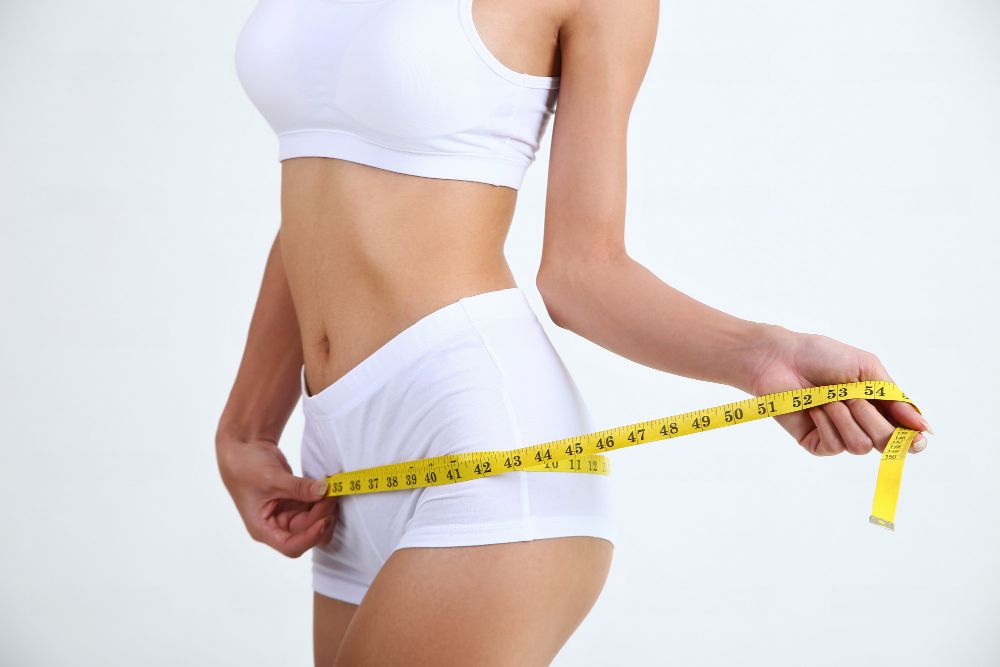
In Hong Kong, irregular eating patterns, frequent takeout, and long periods of sitting have become the norm for many. This unhealthy lifestyle quietly fuels visceral fat accumulation—like slowly boiling a frog in water. You may notice your waistline creeping up or your weight slightly increasing, without realizing that visceral fat is quietly building up deep in your abdominal cavity, posing serious health challenges.
2. What Is Visceral Fat? How Is It Different from Subcutaneous Fat and Body Fat Percentage?
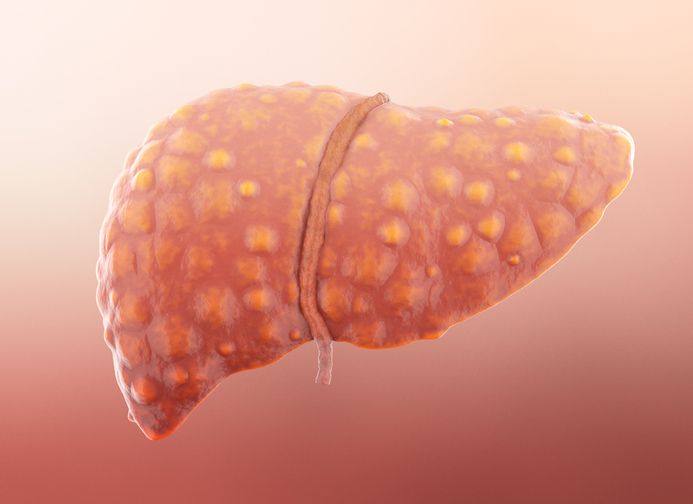
Visceral fat is the fat stored around internal organs such as the liver, pancreas, kidneys, and intestines. It differs significantly from subcutaneous fat, which lies just under the skin, and from overall body fat percentage, which includes all fat in the body.
• Subcutaneous fat is soft, pinchable fat under the skin. It helps with insulation and energy storage but too much can affect body shape.
• Body fat percentage represents total fat in the body, including both visceral and subcutaneous fat.
Though visceral fat is just a part of total body fat, its impact on health is far more direct and severe. It is metabolically active, releasing inflammatory substances and fatty acids that directly interfere with organ function, triggering a cascade of health issues.
免費體驗
S6 Body Sculpting Treatment
1 Minute Self-Registration
Date should not be before minimal date
3. The Health Risks of Excess Visceral Fat
Excess visceral fat acts like a hidden “toxic factory,” continuously releasing harmful substances that impact cardiovascular health. It can impair blood vessel function, reduce vascular elasticity, and contribute to high blood pressure and elevated blood lipids, greatly increasing the risk of stroke and heart disease.
Studies also show that visceral fat negatively affects blood sugar regulation by interfering with insulin secretion and function, significantly increasing the risk of type 2 diabetes.
Furthermore, visceral fat can accumulate in the liver, causing fatty liver disease, which may progress to cirrhosis or even liver cancer if unchecked. Research also links excess visceral fat to certain cancers, including colorectal and breast cancer. Recent studies even suggest a connection with Alzheimer’s disease.
Beyond these risks, visceral fat disrupts hormones and endocrine function, leading to overall physiological imbalance and accelerating the aging process.
4. Who Is at Risk for Excess Visceral Fat? Is It a Middle-Age Problem? Even Slim People Aren’t Safe
Visceral fat isn’t exclusive to overweight individuals; people with a normal-looking weight can also have excessive visceral fat. Key risk groups include:
Middle-aged and older adults
Metabolism slows and muscle mass naturally declines with age, making it easier to store excess calories as fat. For women, post-menopause hormonal changes often accelerate fat accumulation.
People with poor lifestyle habits
Regularly consuming high-fat, high-sugar, low-fiber diets or lacking regular exercise leads to excess calorie intake and fat storage.
High-stress individuals or those with insufficient sleep
Chronic stress and lack of sleep disrupt endocrine function, indirectly promoting visceral fat accumulation.
5. Genetic Predisposition
Family history can influence visceral fat accumulation. If close relatives have excess visceral fat, you may be more susceptible.
Normal weight but high body fat percentage
Many “hidden obese” individuals appear slim but carry high levels of visceral fat due to low muscle mass. This group is often unaware of their risk until health problems arise.
免費體驗
S6 Body Sculpting Treatment
1 Minute Self-Registration
Date should not be before minimal date
6. How to Measure Visceral Fat
Self-assessment: Waist circumference & waist-to-hip ratio
• Waist circumference: Men >90 cm, Women >80 cm → increased visceral fat risk.
• Waist-to-hip ratio: Waist ÷ Hip. Men >0.9, Women >0.85 → higher visceral fat risk.
Smart scales: Body composition analyzers
Home devices using bioelectrical impedance (BIA) can estimate body fat percentage and visceral fat index by sending a safe electrical current through the body.
Professional assessment: CT scan
CT scans provide the most accurate measurement of visceral fat distribution, thickness, and area, but are costly and involve radiation, so they’re mainly used for medical diagnostics.
7. Visceral Fat Index: Understanding Your Risk
| Visceral Fat Index | Risk Level |
|---|---|
| 1-9 | Normal |
| 10-14 | Elevated |
| 15+ | High |
Note: Standards may vary slightly between men and women, and with age. Always refer to device instructions or consult a healthcare professional for personalized advice.
8. How to Reduce Visceral Fat: A Comprehensive Daily Strategy
Reducing visceral fat requires a holistic approach targeting diet, exercise, and lifestyle habits.
Diet: Create a Calorie Deficit
• Calorie deficit principle: Burn more calories than consumed. This triggers the body to break down stored fat for energy.
• Professional guidance: A nutritionist can calculate your daily calorie needs based on age, gender, weight, height, and activity level, ensuring a safe and balanced approach.
Reduce refined sugar
Cut out sugary drinks, desserts, and processed foods. Limit refined carbs like white rice and bread, which can quickly convert to glucose and promote fat storage. Opt for natural, unprocessed whole foods such as fresh vegetables, fruits, and whole grains.
Increase dietary fiber
Fiber helps:
1. Increase satiety, reducing overall calorie intake.
2. Slow sugar absorption, stabilizing blood sugar and limiting fat storage.
3. Promote bowel movement and healthy gut function.
Include whole grains, vegetables, and fruits daily.
Ensure adequate protein
Protein supports muscle growth and repair, increases basal metabolic rate, and creates a mild calorie deficit through digestion. Sources: fish, chicken breast, eggs, legumes, low-fat dairy.
Choose healthy fats
Omega-3 fatty acids (from salmon, mackerel, flaxseed, walnuts) and olive oil reduce triglycerides, protect heart health, and aid fat-soluble vitamin absorption. Nuts and avocado are also excellent options.
Healthier cooking methods
Replace deep-frying with steaming, boiling, grilling, or stir-frying to reduce unnecessary fat intake.
免費體驗
S6 Body Sculpting Treatment
1 Minute Self-Registration
Date should not be before minimal date
9. Exercise: Aerobic Activity Burns Visceral Fat
HIIT (High-Intensity Interval Training)
Short bursts of intense exercise with brief rest periods elevate metabolism and burn fat efficiently. Example: Burpees.
Aerobic exercise vs. resistance training
Studies show cardio is more effective at reducing visceral fat than strength training alone. Include aerobic workouts in your exercise plan.
10. Lifestyle Habits: Support Fat Loss
Adequate sleep
7-8 hours nightly helps balance hormones, reduce appetite, and prevent abdominal fat accumulation.
Stress management
Chronic stress increases cortisol, triggering cravings for sugary/fatty foods. Find healthy ways to relax, such as stretching, leisure activities, or mindful practices.
Quit smoking & limit alcohol
Both harm metabolism and promote fat accumulation.
11. Debunking 3 Common Myths
Q1: Can slim people have high visceral fat?
Yes, this “hidden obese” phenomenon occurs with poor diet or lack of exercise.
Q2: Can dieting alone reduce visceral fat?
Not effectively—diet alone may cause muscle loss and lower metabolism. Combining diet and exercise is key.
Q3: Is there a fast way to eliminate visceral fat?
No shortcuts exist; consistent healthy habits or medical fat-reduction treatments are the safest approaches.
免費體驗
S6 Body Sculpting Treatment
1 Minute Self-Registration
Date should not be before minimal date
12. Too Slow or Too Lazy? Try Perfect Medical’s S6 Body Sculpting Treatment
For busy Hong Kong workers, maintaining healthy eating and exercise habits is difficult. When visceral fat is high, diet and exercise alone may not be enough.
The S6 Body Sculpting Treatment uses high-efficiency biolaser to target deep fat layers, breaking fat into fatty acids that are metabolized and removed. Ideal for central obesity, it reduces health risks and sculpts a firmer, youthful silhouette. Book online now for a free trial! Limited spots available.
Secure Your Slot: Perfect Medical's S6 Body Sculpting Treatment免費體驗
S6 Body Sculpting Treatment
1 Minute Self-Registration
Date should not be before minimal date
FAQ

How to measure visceral fat?
Waist measurement, body composition scale, or CT scan.
What is a normal visceral fat index?
1-9 is considered normal.
What are the risks of excess visceral fat?
Increases risk of cardiovascular disease, diabetes, fatty liver, and other chronic conditions.
Which foods help reduce visceral fat?
High-fiber vegetables and fruits, whole grains, and quality protein.
Is there any other ways to reduce visceral fat?
Adequate sleep, stress management, avoiding smoking and alcohol, and regular medical fat-reduction treatments.