- Home
- Trend
- Weight Loss Strategies
- Acne Tips
- Hair Health Information
- Blemish Removal Tips
- Acne Scar Removal Tips
- Muscle Building Techniques
- Intimate Care Tips
- Postpartum Intimate Care
- Eye Bags Wiki
- Tips for Face Slimming
- Secret of Permanent Hair Removal
- Breast Enlargement Tips
- Cure to Snoring
- Marionette Lines
- Skin-Tightening Secrets

In recent years, intermittent fasting—especially the 16:8 (168) method—has remained hugely popular! Many people have proven its effectiveness for weight loss. Yet, some find that after a month of 168 fasting, they haven’t shed any weight. So, what went wrong? In this article, we invite a professional nutritionist to analyze 8 common reasons why you might see no results after a month of intermittent fasting.

1. The Myth of Not Losing Weight After a Month of 168 Fasting: Understanding the Principles and Common Pitfalls
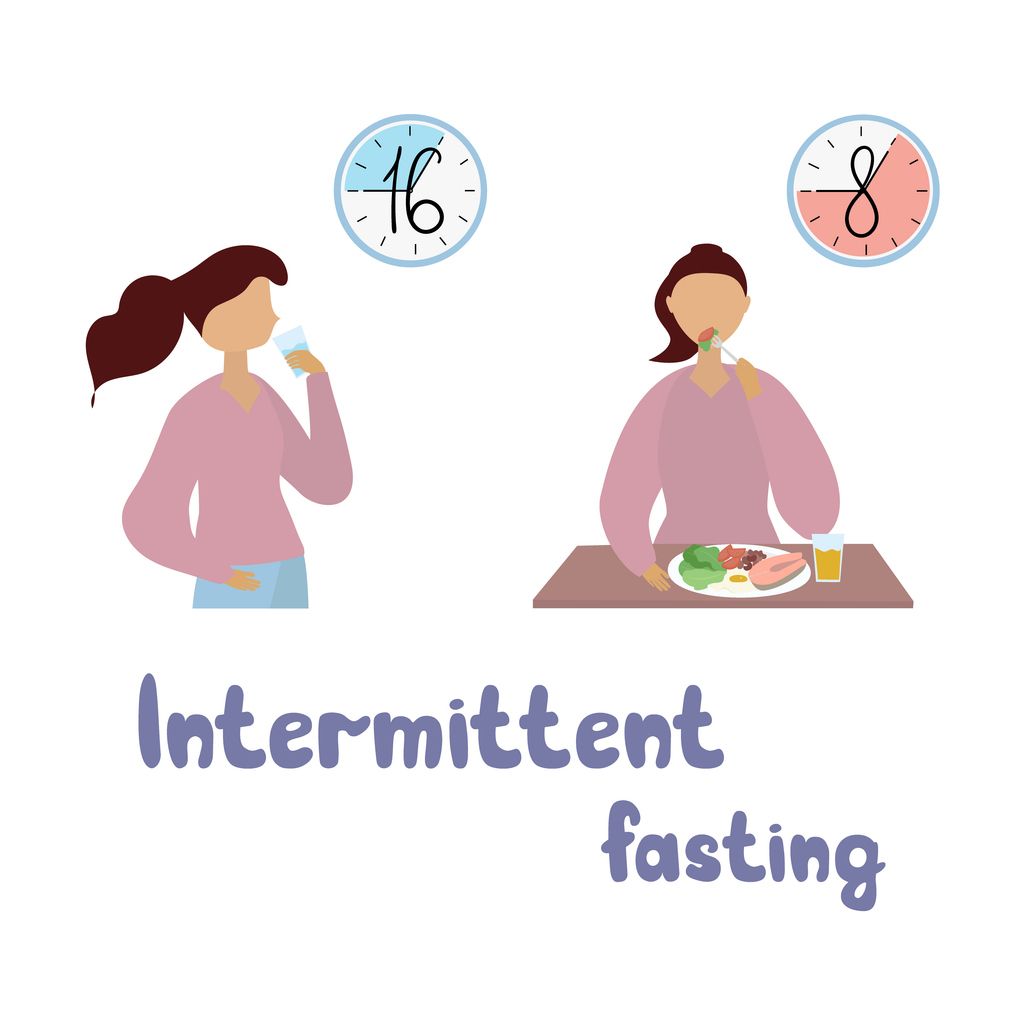
If you notice that a month of 168 fasting hasn’t led to weight loss, it’s worth reviewing your understanding and execution of this fasting method. The 16:8 fasting method limits your daily eating window to 8 hours, leaving 16 hours for fasting.
The idea is to give your body a longer period without food, which lowers insulin levels, triggers fat burning, and ultimately promotes weight loss.
How 168 Fasting Works:
• Improved insulin sensitivity: When we eat, insulin is released to reduce blood sugar. Frequent eating keeps insulin elevated, which suppresses fat breakdown. Fasting allows insulin levels to drop to baseline, improving the body’s ability to burn fat.
• Activates fat burning: When insulin drops, the body uses stored fat for energy. Glucagon is released, promoting fat breakdown and energy production—this is the key to fasting-induced weight loss.
• Autophagy: Longer fasting periods trigger autophagy, a cellular “self-cleaning” process that improves cell function, boosts metabolism, and indirectly supports weight loss.
2. Nutritionist’s Insights: 8 Common Mistakes That Prevent Weight Loss on 168 Fasting
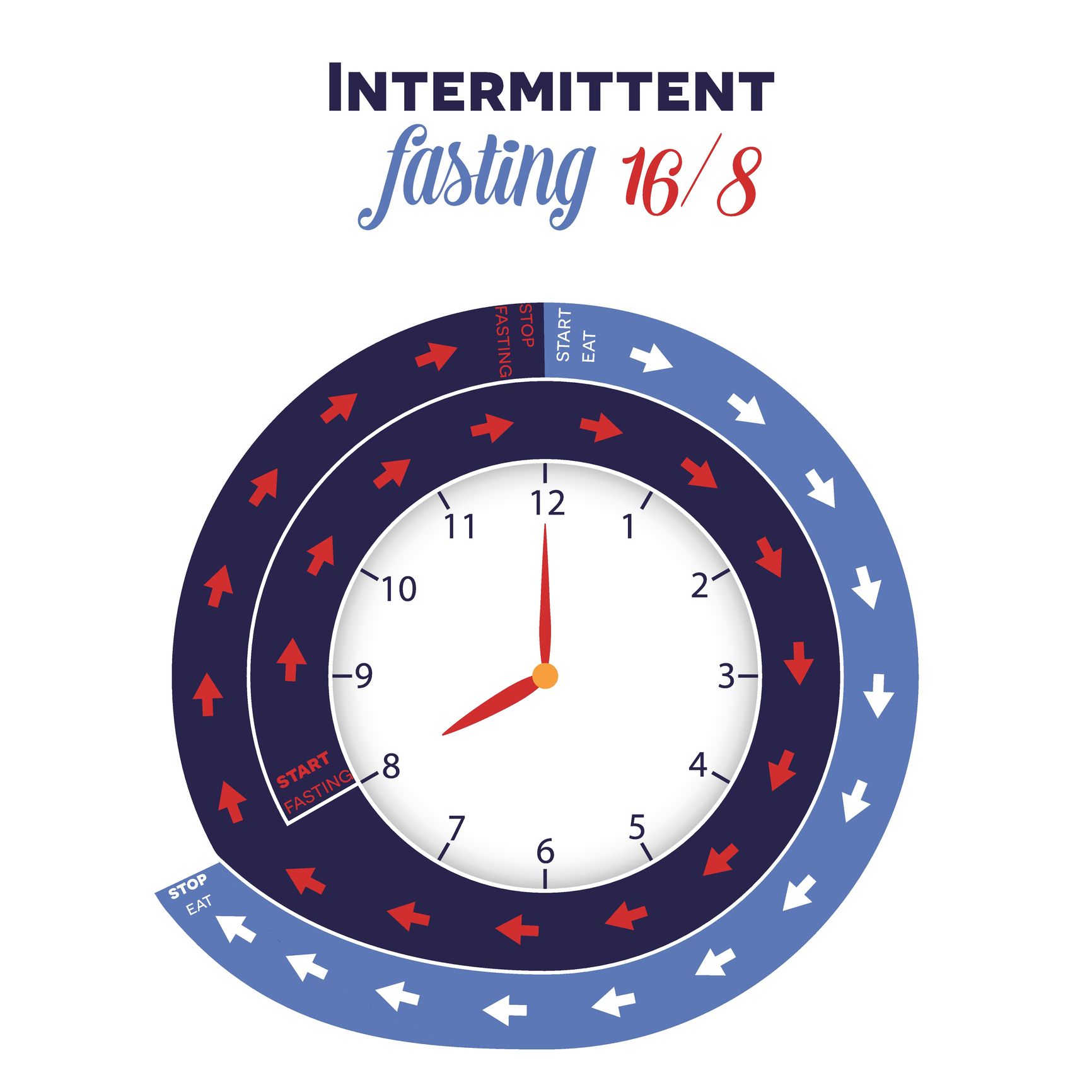
Although 168 fasting is scientifically supported, many people make mistakes that prevent them from seeing results:
1. “Eat to your fill” mindset: Thinking you can eat anything, any amount, within the 8-hour window often leads to excess calories, negating fasting benefits.
2. Poor food choices: Consuming processed, high-sugar, or high-fat foods like refined bread, fried snacks, and sugary drinks can spike insulin and cancel fasting effects.
3. Neglecting hydration: Inadequate water intake during fasting can impair metabolism and reduce satiety.
4. Lack of sleep: Sleep affects hunger hormones (ghrelin and leptin). Poor sleep increases cravings and hinders weight loss.
5. Insufficient or excessive exercise: Moderate exercise aids fat burning and muscle maintenance. Too much stress from over-exercising can hinder weight loss, while inactivity prevents effective calorie burn.
6. High stress: Elevated cortisol promotes fat storage, especially in the abdomen.
7. Hidden calories: Even “zero-calorie” drinks can add calories if milk, sweeteners, or flavorings are included.
8. Misunderstanding fasting as indefinite: Assuming fasting can go on endlessly without considering nutrition and adaptation can reduce metabolism and impair weight loss.
免費體驗
S6 Body Sculpting Treatment
1 Minute Self-Registration
Date should not be before minimal date
3. Professional Advice: How to Break the “No Weight Loss After a Month” Plateau
If you’re struggling with “168 fasting for a month but no weight loss,” don’t despair. Here are nutritionist-approved strategies to adjust your approach:
1. Reassess Food Choices and Total Calorie Intake
168 fasting is not a license to overeat. Focus on nutrition and maintaining an appropriate calorie deficit.
Optimize Food Choices:
• Low-fat protein: Include chicken breast, fish, eggs, tofu, and other lean proteins. Protein increases satiety, preserves muscle mass, and boosts metabolism.
• High-fiber carbs: Choose complex carbs like brown rice, quinoa, whole-grain bread, oats, and potatoes. These provide sustained energy, prolong fullness, and stabilize blood sugar.
• Healthy fats: Moderate amounts from avocado, nuts, olive oil, chia seeds, etc., improve satiety and support body functions.
• Plenty of vegetables: Colorful veggies are low-calorie, nutrient-dense, and help maintain fullness.
Control Calories: Use an app or food diary to roughly track daily intake and ensure it stays below expenditure.
Avoid processed foods: High-sugar, high-fat, high-salt processed foods can spike blood sugar and undermine fasting effects.
2. Strictly Follow Fasting Rules
During fasting, only consume water, black coffee (unsweetened), unsweetened tea, or sparkling water.
• True zero-calorie drinks: Even unsweetened soy milk contains calories and is not suitable during fasting.
• Avoid “cheating”: Even a bite of food or sip of sugary drink breaks fasting, raises insulin, and slows fat burning.
• Stay hydrated: Proper hydration reduces hunger and supports normal body functions.
3. Adjust Fasting Duration and Method
If a month of 168 fasting shows no results, your fasting schedule may need tweaking:
• Extend fasting window: Consider 18:6 or 20:4, gradually increasing duration while monitoring your body’s response.
• Flexible approach: Some days may require shorter fasting, e.g., 14:10, while maintaining overall consistency.
• Try intermittent extended fasting: 1–2 times per week, 24-hour fasting can enhance fat burning.
4. Exercise and Muscle Building
Exercise is essential, especially resistance training, which increases muscle mass, boosts metabolism, and improves fat breakdown.
• Aerobic exercise: 150 minutes per week of moderate cardio (walking, jogging, swimming).
• Resistance training: 2–3 sessions per week to preserve and grow muscle.
• Exercise during fasting: Studies show low-to-moderate intensity workouts during fasting enhance fat utilization.
5. Focus on Lifestyle
Good habits complement diet and exercise for weight loss:
• Sleep: 7–9 hours of quality rest per night.
• Stress management: Meditation, yoga, and deep breathing lower cortisol.
• Hydration: Maintain water intake beyond fasting hours.
• Avoid over-reliance on supplements: They can assist but cannot replace real food and exercise.
4. 4 Deeper Reasons Why a Month of Fasting Might Not Show Results
Beyond common mistakes, deeper factors may be involved:
1. Metabolic adaptation: Prolonged calorie deficit can slow metabolism (“plateau”), halting weight loss.
Solutions: Occasional calorie refeed, adjusting exercise intensity, ensuring adequate protein intake.
2. Muscle loss: Low protein or lack of resistance training may lead to muscle breakdown, lowering metabolism.
Solutions: Adequate protein each meal and resistance workouts.
3. Stress response: Excessive fasting or strict diets raise cortisol, promote abdominal fat storage, and water retention.
Solutions: Manage stress, listen to your body, and adopt sustainable fasting patterns.
4. Underlying health issues: Rarely, thyroid disorders or PCOS may hinder weight loss.
Solutions: Consult a doctor for evaluation if results are absent despite proper methods.
5. Key Guidelines for Effective 168 Fasting
To maximize results and avoid the “no weight loss after a month” trap:
1. Focus on what you eat, not just when: Prioritize nutrient-dense whole foods. Low-fat protein, high-fiber carbs, and healthy fats are your main choices.
2. Stay hydrated: Drink water, black coffee, unsweetened tea, or sparkling water.
3. Listen to your body: Avoid extreme fasting if you feel dizzy, faint, or unwell.
4. Exercise moderately and build muscle: Combine cardio and resistance training to improve metabolism.
5. Optimize sleep: Quality rest regulates hunger and hormones.
6. Manage stress: Long-term stress hinders weight loss.
7. Patience and persistence: Results take time; a month may only be the beginning.
8. Seek professional support if needed: Nutritionists or doctors can provide personalized guidance.
免費體驗
S6 Body Sculpting Treatment
1 Minute Self-Registration
Date should not be before minimal date
6. Common Questions from Hong Kong Dieters About 168 Fasting
Q1: What can I drink during fasting to help fat burning?
Water, black coffee (no milk or sugar), unsweetened tea, or sparkling water. They’re nearly calorie-free. The focus remains on adherence and healthy eating during the eating window.
Q2: Why do I feel hungrier after a month of fasting?
Your body may still be adjusting. Hunger often diminishes over time. Ensure adequate protein, fiber, and healthy fats during eating hours. Drink water—sometimes thirst is mistaken for hunger.
Q3: Does not losing weight mean 168 fasting doesn’t work for me?
Not necessarily. Causes can include excess calories, poor diet structure, lack of sleep, or stress. Adjust strategies first; if still no results, consult a nutritionist or doctor.
Q4: Do supplements help with weight loss on 168 fasting?
Supplements are supportive but not substitutes for food and exercise. Prioritize whole foods, balanced nutrition, and regular workouts. Seek professional advice if needed.
Q5: Can I still lose weight if I love bread?
Yes, with caution. Choose whole-grain, high-fiber bread in moderation and pair with protein and vegetables to reduce glycemic impact and increase satiety.
7. Fasting Isn’t Forever: Maintain Your Figure Easily with S6 Body Sculpting Treatment
168 fasting is effective but requires strict adherence and mindful food choices. Even successful fasting can hit a plateau. Without exercise, weight loss may stagnate. Nutritionists say you can’t fast forever—doing so can lower metabolism and increase fat gain.
For those short on time, energy, or motivation, medical aesthetics can help maintain and enhance results, such as S6 Body Sculpting Treatment. This treatment targets stubborn fat with high-performance bio-laser, breaking down deep fat into fatty acids, which are then metabolized through vacuum-assisted removal. Ideal for abdominal or central obesity, creating a youthful, toned silhouette.
Sign up online for a free trial of Perfect Medical S6 Body Sculpting Treatment—limited slots available.
Sign Up Now: Perfect Medical's S6 Body Sculpting Treatment免費體驗
S6 Body Sculpting Treatment
1 Minute Self-Registration
Date should not be before minimal date
FAQ

Is it normal to not lose weight after a month of 168 fasting?
Yes, weight changes vary; it depends on calorie balance.
Why am I not losing weight despite fasting?
Possibly due to high calorie intake or poor diet choices.
Should I combine fasting with exercise?
Yes, exercise boosts metabolism and fat loss, preventing plateaus.
What can I drink during fasting?
Water, unsweetened tea, black coffee; avoid sugary drinks.
How long until I see results?
Typically 4–8 weeks, though results vary individually.