- Home
- Trend
- Weight Loss Strategies
- Acne Tips
- Hair Health Information
- Blemish Removal Tips
- Acne Scar Removal Tips
- Muscle Building Techniques
- Intimate Care Tips
- Postpartum Intimate Care
- Eye Bags Wiki
- Tips for Face Slimming
- Secret of Permanent Hair Removal
- Breast Enlargement Tips
- Cure to Snoring
- Marionette Lines
- Skin-Tightening Secrets

Whitening and spot removal are lifelong beauty goals for many women. A fair, smooth, and radiant complexion is highly desired, but even the tiniest dark spot on the face can be unsightly—and often signals skin aging! Curious about the latest whitening and spot-removal trends? Unsure how to choose the right product or which ingredients actually work? Don’t miss this article—we’ve got you covered!

Understand Pigmentation Before You Treat It

The first step in whitening and spot removal is knowing how melanin works. What makes skin appear fair? Before diving into whitening techniques, do you know how those pesky dark spots form? As the saying goes: “Know yourself and your enemy to win every battle.” To effectively reduce pigmentation, you need to understand how melanin is produced, transported, and metabolized. The formation of melanin occurs in three stages:
Stage 1: Melanocyte Activation
Melanin can be triggered by various factors such as excessive UV exposure, friction, unsuitable skincare products, or inflammation. Once the skin becomes inflamed, pigmentation is more likely to appear.
Stage 2: Melanin Production
Once melanocytes are activated, they start producing melanin more actively, which contributes to skin discoloration.
What Kind of Spots Do You Have?

To treat pigmentation effectively, it’s crucial to identify the type of dark spots you're dealing with. Here's a breakdown:
Type 1: Congenital Spots
These include café-au-lait spots, birthmarks, nevus of Ota, and zygomaticus (cheekbone) nevi. They are congenital and often difficult to eliminate completely.
Type 2: Acquired Spots
These are more common and can be prevented. Examples include freckles, sunspots, and hormone-induced melasma. Without proper sun protection, using unsuitable skincare, or under stress, your melanocytes can become overly active, leading to pigmentation.
免費體驗
PicoCure Pigmentation Removal Treatment
1 Minute Self-Registration
Date should not be before minimal date
Common Whitening Ingredients—Which Ones Work?
Many people opt for whitening products when dealing with dark spots. These typically contain ingredients that inhibit melanin production. With consistent use, they can help even out your complexion and reduce pigmentation. But with so many options on the market, how do you choose wisely? Smart skincare users should always read the ingredient list—here are four to watch for:
1. Vitamin C Derivatives
When it comes to whitening, Vitamin C is the first ingredient that comes to mind. It boosts skin immunity and suppresses melanin production by inhibiting the enzyme tyrosinase, which is key in melanin synthesis.
For visible results, Vitamin C concentration should be at least 10%. However, a higher concentration doesn’t always mean better—it can irritate the skin or cause allergic reactions if it’s too strong.
2. Arbutin
A common whitening ingredient extracted from bearberry plants. The methyl arbutin in bearberries inhibits tyrosinase activity and prevents melanin formation. Products usually contain 5–7% arbutin.
3. Tranexamic Acid
A popular ingredient in whitening serums, tranexamic acid inhibits melanin activity, constricts capillaries, and has antioxidant properties that help soothe inflammation. Thanks to its small molecular size, it penetrates the skin easily, leaving it visibly brighter.
4. Ellagic Acid
A natural antioxidant found in fruits like strawberries, pomegranates, and goji berries. Ellagic acid fights free radicals, supports collagen production, and reduces UV damage. If you’re looking for whitening products, this ingredient is worth considering.
Dermatologist-Backed Whitening Tips—Do You Know These?
Whitening is a serious commitment, and understanding these expert-approved principles can prevent wasted effort and help you get better results:
Tip 1: Whitening Starts with Exfoliation
If your face still looks dull despite using whitening serums, thick dead skin cells may be to blame. When the stratum corneum builds up, it clogs pores and makes the skin appear uneven and tired. Exfoliation is key to allowing whitening products to penetrate effectively.
Tip 2: Be Careful with Daytime Use of Vitamin C
Vitamin C is light-sensitive. When exposed to sunlight, it can cause darkening instead of brightening. Always pair it with sunscreen during the day to prevent this and boost its effectiveness.
Tip 3: Adjust Products Based on Season
While whitening can be a year-round goal, your skincare routine should change with the seasons. In hot, humid summers, opt for brightening products that also exfoliate. In the dry winter months, avoid strong acids that can irritate sensitive skin.
Tip 4: Sensitive Skin Needs Lower Concentrations
People with sensitive skin should opt for lower-concentration products and perform patch tests before full application. Choose gentle, non-irritating formulations—especially Vitamin C products—and always pair with a good moisturizer to prevent reactions.
How to Choose the Right Whitening Products?
With endless options on the market, here are 3 golden rules to help you pick the right whitening product:
1. Safety First
Go for reputable brands to ensure product safety and efficacy.
2. Know the Active Ingredients
Familiarize yourself with clinically backed whitening agents. Avoid shady or poorly labeled products, as counterfeit goods can be harmful.
3. Go for Low Irritation
Start with low concentrations and avoid skincare with alcohol, artificial fragrance, or harsh chemicals. This helps reduce irritation and improves absorption of the active ingredients.
免費體驗
PicoCure Pigmentation Removal Treatment
1 Minute Self-Registration
Date should not be before minimal date
Natural Remedies: 4 Whitening & Spot-Reducing Herbal Teas
Whitening treatments aren’t limited to serums and creams—DIY herbal teas can also help! These four teas are easy to make at home and are suitable for the whole family:
1. Floral Beauty Tea
Ideal for young women under stress, which often leads to hormonal imbalance and pigmentation.
Ingredients: white chrysanthemum, rosebuds, red dates.
• Chrysanthemum nourishes the liver (which TCM says boosts skin tone).
• Rose promotes blood circulation and leaves the skin rosy and refined.
2. Roselle Tea
Roselle (hibiscus) has long been used for skin brightening.
Ingredients: dried roselle, hawthorn, licorice.
• Boil and enjoy for a skin-rejuvenating drink.
3. Red Date & Rice Soup
Red dates replenish blood and delay aging; rice strengthens digestion.
• Simply cook red dates and white rice together into a light porridge—delicious and skin-friendly.
4. Black & White Fungus Soup
These are classic TCM ingredients for skin health. According to the ancient text Compendium of Materia Medica, black fungus nourishes the skin, reduces pigmentation, and slows aging. It’s rich in gelatin, which helps boost collagen production for firm, elastic skin.
Professional Whitening Treatments—What Works?
If home remedies and skincare don’t cut it, many people turn to clinical treatments. Common options include:
1. Spot-Removing Creams
These creams contain ingredients that promote melanin shedding and boost skin circulation. Apply gently morning and night for gradual results.
2. Intense Pulsed Light (IPL) Therapy
This treatment uses multiple light wavelengths to penetrate different layers of the skin and reduce melanin. It also addresses other skin issues like pigmentation and visible blood vessels. However, the dispersed energy means multiple sessions are usually needed for visible results.
3. Laser Treatments
For fast and dramatic improvement, pico laser is the top choice. It delivers ultra-fast, high-energy pulses that break down stubborn pigmentation deep within the skin. The shattered particles are then naturally eliminated through metabolism. Its quick pulse duration minimizes skin damage and treats even deep-seated dark spots.
Try the Ultimate Whitening Solution: 2nd-Gen PicoCure Ultra Pico Laser
As the saying goes, “A fair complexion covers a thousand flaws.” Every woman dreams of having bright, youthful-looking skin. If you've tried everything and still can't see results, it’s time to let the pros help!
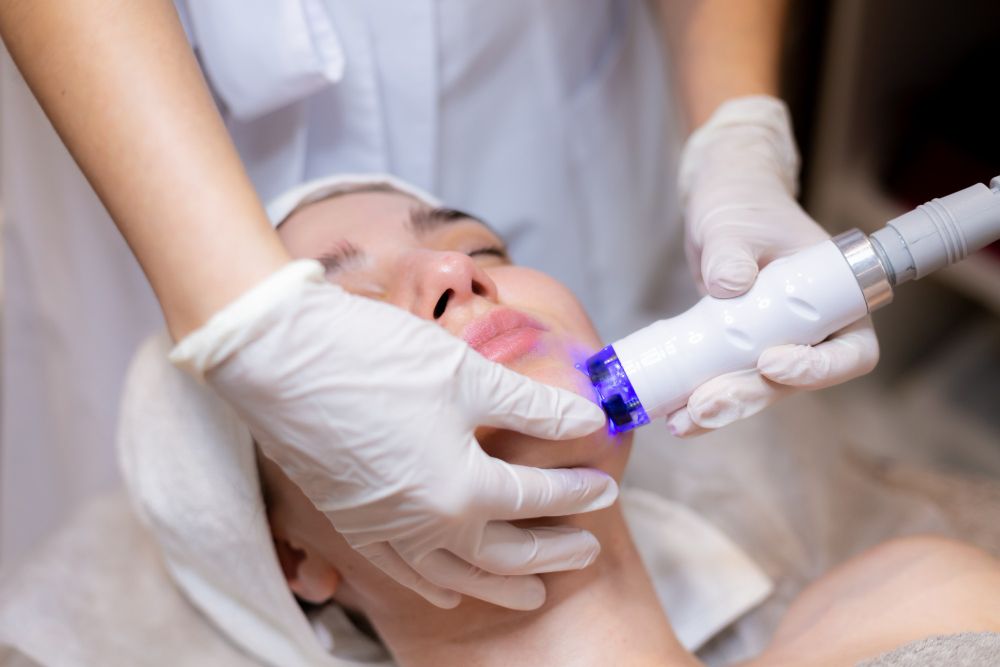
Perfect Medical’s PicoCure Pigmentation Removal Treatment uses advanced 4-wavelength technology that is 1,000 times faster than traditional lasers^. It penetrates deeper and targets all types of pigmentation—from freckles and sunspots to hormonal melasma and deep-seated patches.
The process involves using nanosecond lasers to break up stubborn melanin, followed by pico laser to shatter it into fine particles, which the body then naturally removes. On top of that, it stimulates collagen-producing cells to generate fresh collagen, helping reduce wrinkles and acne scars—giving you smooth, flawless skin.
If you’re ready for a real whitening transformation, Perfect Medical is currently offering a free trial—click the link below to book your session!
免費體驗
PicoCure Pigmentation Removal Treatment
1 Minute Self-Registration
Date should not be before minimal date
FAQ

What types of pigmentation are there?
Pigmentation is generally divided into congenital and acquired types. Congenital spots include café-au-lait spots, birthmarks, nevus of Ota, and zygomatic (cheekbone) nevi. These are typically harder to eliminate completely, as they are present from birth. Acquired spots, on the other hand, are preventable. Common examples include freckles, sunspots, and hormonal pigmentation. Without proper sun protection, the use of unsuitable skincare products, or under chronic stress, melanin production can become overly active, leading to pigmentation.
What are the most common whitening ingredients?
Most whitening products contain ingredients that inhibit melanin production, and some of the most popular include: Vitamin C: Boosts skin immunity and suppresses melanin formation by inhibiting tyrosinase. For visible results, the concentration should be at least 10%. However, too high a concentration can irritate sensitive skin. Arbutin: A plant-derived ingredient that inhibits tyrosinase activity and reduces melanin production. It's typically used at 5–7% concentration in skincare. Tranexamic Acid: A star ingredient in many whitening serums. It reduces melanin activity, tightens tiny capillaries, and has antioxidant and anti-inflammatory benefits. With a small molecular size, it penetrates easily and brightens the skin from within. Ellagic Acid: Found in fruits and plants, this antioxidant neutralizes free radicals and protects skin from UV-induced pigmentation.
Can people with sensitive skin use whitening products?
Yes, sensitive skin can use whitening products—but careful selection is key. Using the wrong product may cause redness, itchiness, or inflammation, but by choosing products with safe ingredients and appropriate concentrations, and by maintaining strong hydration, these reactions can be minimized. For best results, those with sensitive skin should always do a patch test on a small area before full application.
Are there any recommended whitening teas?
Absolutely! Several herbal teas are known for their brightening and skin-clearing benefits: Floral Beauty Tea: Made with white chrysanthemum, rosebuds, and red dates. Chrysanthemum supports liver health (which TCM links to skin brightness), while rose helps improve blood circulation and skin tone. Roselle Tea: Contains roselle, hawthorn, and licorice. Known for its brightening and beautifying effects. Red Date & Rice Soup: Red dates boost blood and energy; white rice soothes digestion. Together, they form a nourishing and anti-aging porridge that’s easy to make. These drinks support internal balance and skin health from within.
If I don’t use whitening products, can I still undergo pigmentation treatment?
Yes! Even if you don’t use topical whitening products, you can still opt for professional treatments. Perfect Medical’s PicoCure Pigmentation Removal Treatment features advanced 4-wavelength picosecond technology that is 1,000 times faster than traditional lasers^ and penetrates more deeply into the skin. It targets various stubborn pigmentations including freckles, sunspots, melasma, deep patches, and age spots. The treatment first uses nanosecond lasers to break up large pigment clusters, then pico lasers to pulverize them into micro-dust, which is naturally eliminated through your body’s metabolism. It also stimulates collagen regeneration, helping smooth fine lines and pitted scars—resolving multiple skin issues in one go.