- Home
- Trend
- Weight Loss Strategies
- Acne Tips
- Hair Health Information
- Blemish Removal Tips
- Acne Scar Removal Tips
- Muscle Building Techniques
- Intimate Care Tips
- Postpartum Intimate Care
- Eye Bags Wiki
- Tips for Face Slimming
- Secret of Permanent Hair Removal
- Breast Enlargement Tips
- Cure to Snoring
- Marionette Lines
- Skin-Tightening Secrets

Sunscreen sprays have long been a go-to choice for many because they’re convenient, lightweight, and quick to apply. With just a few spritzes, the skin is instantly coated with what seems like an invisible protective shield — fast, effortless, and high in value! Add in claims like sweat-resistant and hydrating formulas, and sunscreen sprays become especially appealing during hot weather.
But despite how perfect they may sound, sunscreen sprays also come with several potential risks. If used incorrectly, not only will their UV protection drop significantly, but the skin may also be exposed to long-term sun damage without you realising it.
Below, we break down the 5 proper steps to using sunscreen spray and the common hidden pitfalls, helping you avoid sunscreen traps and protect your skin the smart way.

Five Major Drawbacks & Potential Risks of Sunscreen Sprays: The Invisible Protection Gaps
1. Uneven coverage and insufficient amount: weaker, inconsistent protection
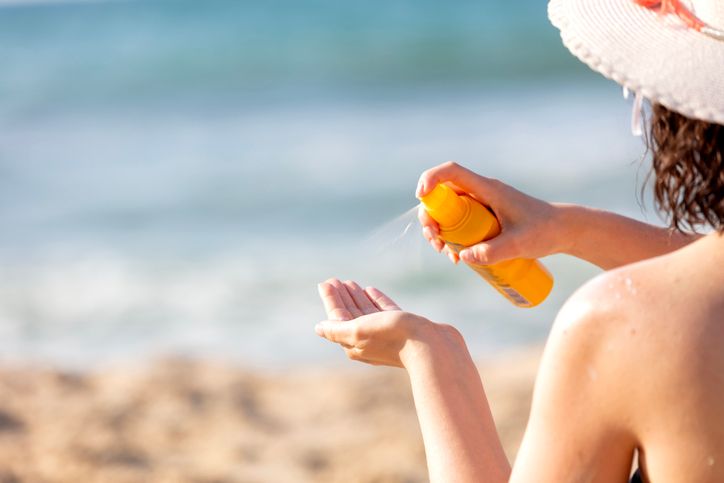
Although sunscreen sprays are easy to use, the nature of mist products makes it difficult for the sunscreen ingredients to fully and evenly adhere to the skin. If sprayed from too far away, at the wrong angle, or too lightly, certain areas may be left exposed — creating UV “blind spots.”
Most people also apply far less than the required amount, meaning the actual SPF on skin is often much lower than what’s stated on the packaging. This increases the likelihood of sunburn and uneven pigmentation.
2. Risk of inhaling chemical particles: potential irritation to the respiratory system
Sunscreen sprays create fine airborne particles when used. If inhaled accidentally, they may irritate the airways. This is especially concerning for children, pregnant women, and those sensitive to chemical filters, alcohol-based formulas, or oxybenzone. Dermatologists recommend avoiding direct facial spraying — apply to hands first, then pat onto the face — and always use sprays in well-ventilated areas.
3. Possible skin irritation from chemical filters
Many sunscreen sprays rely on chemical UV filters rather than mineral ones. These may trigger redness, itching, dryness, or irritation in sensitive skin. Some chemical ingredients are also being studied for potential endocrine-disrupting effects. While research is ongoing, individuals with sensitive or pregnancy-compatible needs should consider mineral sunscreens with zinc oxide or titanium dioxide to minimise risks.
4. Alcohol-heavy formulas: poor hydration, unsuitable for dry skin
To ensure quick drying, lightweight texture, and fast film formation, many sunscreen sprays contain high amounts of alcohol. This provides a cooling sensation but also strips moisture from the skin, leaving it dry or tight. For dry or sensitive skin types, this can be particularly irritating. Choosing formulas with hydrating ingredients like hyaluronic acid can help balance moisture and protection.
5. Lower cost-effectiveness and environmental limitations
To achieve full protection, sunscreen sprays must be applied generously — meaning they’re used up far faster than lotions. They can also be easily dispersed by wind or heat outdoors, leading to wasted product and weaker UV protection. For those who do a lot of outdoor sports or beach activities, this is a practical concern worth noting.
A Practical Guide to Using Sunscreen Sprays Correctly: The 5 Smart Tips for Foolproof Protection
1. Choose a product suitable for your skin type
Before using a sunscreen spray, match it to your skin’s needs. – Dry or sensitive skin: opt for formulas with hydrating ingredients like hyaluronic acid. – Acne-prone skin: look for “non-comedogenic” labels.
Always shake the bottle well before use so the active ingredients are evenly dispersed.
2. Proper application to ensure even protection
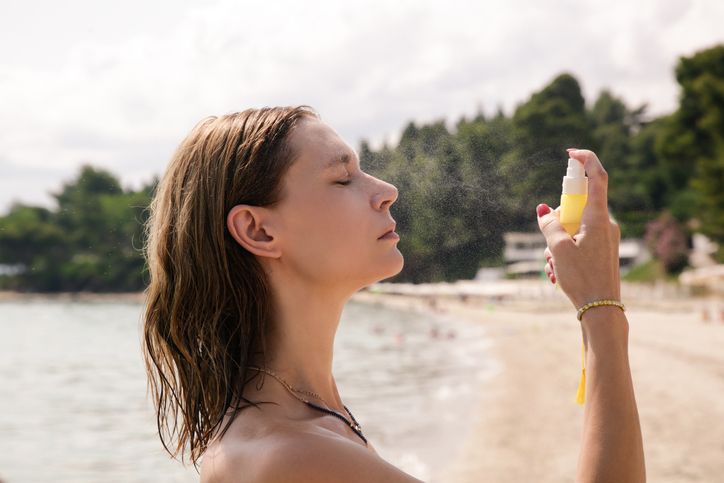
Sunscreen sprays can be used on both body and face — but technique matters. Hold the bottle 15–20 cm away from the skin and spray in a controlled, steady motion to ensure all areas are covered.
For the face, avoid direct spraying. Instead, spray onto the hands and gently pat the product on to avoid irritating the eyes or respiratory system.
3. Reapply regularly to maintain protection
Sweat, water, and friction can easily break down the protective film created by sunscreen sprays.
Whether you’re outdoors or just commuting, reapply every two hours, or immediately after sweating, swimming, or towel-drying. Those spending extended time under the sun should shorten the reapplication interval.
4. Consider environment and avoid inhalation risks
Always apply in a well-ventilated area and avoid spraying in enclosed spaces. Take a breath break while spraying to minimise inhalation.
Keep away from heat sources or open flames, as sprays contain volatile ingredients. And remember: use a sufficient amount — too little means inadequate protection.
5. Makeup-friendly reapplication techniques
For makeup wearers, choose a sunscreen spray with a fine, setting-spray-like mist. Hold the bottle at a proper distance and allow the lightweight droplets to settle evenly across the face. This helps maintain both UV protection and the freshness of your makeup.
免費體驗
PicoCure Pigmentation Removal Treatment
1 Minute Self-Registration
Date should not be before minimal date
Five Key Tips for Choosing the Right Sunscreen Spray: Smarter Decisions for Safer Sun Protection
1. Check the UV filters and sun protection ratings first
Look at SPF and PA ratings, and check whether the product offers both UVA and UVB protection. For long outdoor activities, choose high protection. For sensitive skin, mineral filters like zinc oxide or titanium dioxide are gentler options.
2. Match the texture to your skin type
Sunscreen sprays come in various textures: watery, lightweight, or creamy. – Oily skin: choose refreshing, water-like textures. – Dry skin: pick formulas with hydrating ingredients. – Sensitive skin: choose low-irritant, minimal-ingredient formulas.
3. Consider convenience and your lifestyle
If you frequently reapply, choose a spray with a smooth, fine mist for even coverage. For outdoor activities, go for water-resistant or sweat-proof formulas. For short indoor use, lightweight, fast-drying options work well.
4. Pay attention to safety and ingredients
Avoid inhaling sprays containing alcohol or chemical UV filters. For facial use, always spray onto hands first. Check brand reputation and product quality to ensure safety and consistent protection.
5. Consider both value and packaging design
Since sprays require larger quantities, opt for bigger bottles or refillable formats when possible. Spray nozzles with 360° application make it easier to apply evenly and avoid wasting product.
Worried About the Risks of Sunscreen Sprays? Brighten Sun-Darkened Skin With Perfect Medical’s PicoCure Laser Treatment!
Still unsure which sunscreen to choose? Struggling with sun-darkening, dullness, or uneven skin tone every summer? Sunscreen protects only temporarily — one small mistake and sun damage still accumulates!
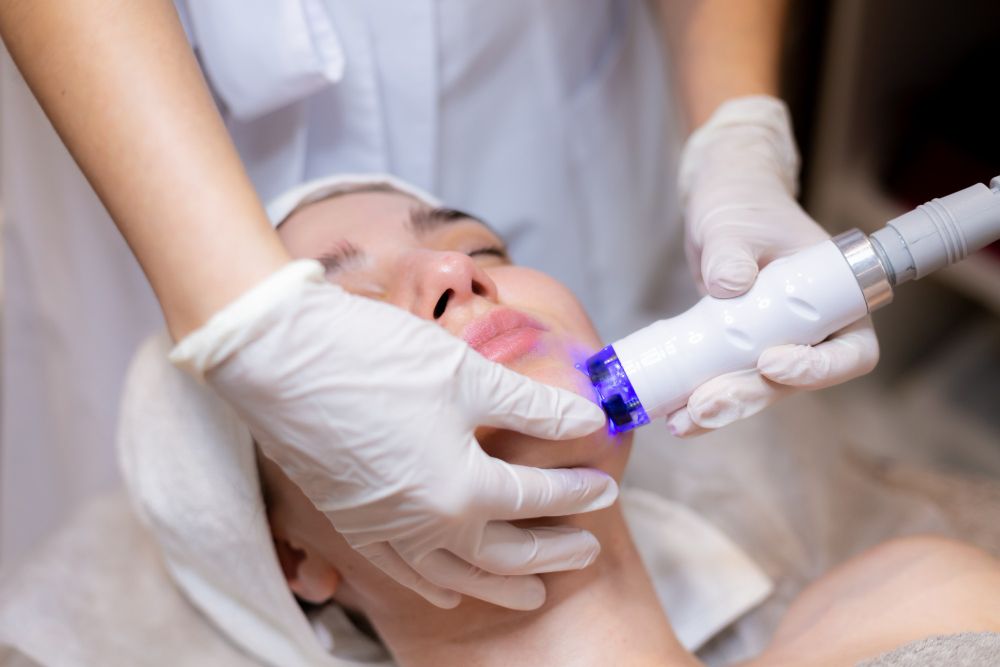
That’s why you need the Perfect Medical PicoCure Laser Treatment for full brightening and pigment correction. It delivers visible whitening effects in a short time while clearing dark spots and improving overall skin clarity.
The PicoCure system combines both picosecond and nanosecond laser technology, allowing four different wavelengths to penetrate deeply into the skin. This highly penetrative energy can target multiple layers, effectively improving pigmentation, addressing sun spots, reducing pore size, and rejuvenating the eye area — helping you achieve naturally radiant, even-toned, bright skin with no dead angles.
Sign up now to enjoy professional Skin Analysis + Perfect Medical PicoCure Laser Treatment!
免費體驗
PicoCure Pigmentation Removal Treatment
1 Minute Self-Registration
Date should not be before minimal date
FAQ

1. Sunscreen spray vs. sunscreen lotion — which is better?
Both have pros and cons. Lotions are more hydrating, sprays are more convenient.
2. What’s the difference between physical and chemical sunscreens?
Physical sunscreens are gentler; chemical ones require checking for potential irritants.
3. Do sunscreen sprays need to be removed with makeup remover?
Yes — cleansing with a proper remover is recommended.
4. Can babies or toddlers use sunscreen sprays?
Not recommended. Use baby-specific sunscreen lotions instead.
5. How should I repair sun damage?
After sun exposure, skin often becomes dry, red, or pigmented. Cool the skin and replenish moisture using aloe vera, soothing masks, or hydrating serums. Avoid exfoliants and acids until the skin has recovered. Consistent daily sun protection helps prevent pigmentation from worsening. For stubborn or deep-set sun spots, the Perfect Medical PicoCure Picosecond Treatment can effectively break down accumulated pigments to restore brightness and even skin tone.