- Home
- Trend
- Weight Loss Strategies
- Acne Tips
- Hair Health Information
- Blemish Removal Tips
- Acne Scar Removal Tips
- Muscle Building Techniques
- Intimate Care Tips
- Postpartum Intimate Care
- Eye Bags Wiki
- Tips for Face Slimming
- Secret of Permanent Hair Removal
- Breast Enlargement Tips
- Cure to Snoring
- Marionette Lines
- Skin-Tightening Secrets

Chemical sunscreen refers to sun protection products formulated with specific chemical UV filters. These ingredients form a protective layer on the skin’s surface to shield it from ultraviolet radiation and delay premature oxidative aging. Modern sunscreens are categorized into two major types: physical sunscreen and chemical sunscreen. They differ significantly in mechanism, texture, advantages, and limitations.
If you’re unsure whether to choose a purely physical sunscreen or a chemical one, this guide will help. Below, you’ll find the differences between physical vs. chemical sunscreen, the 5 essential tips for choosing sunscreen, and the correct application method so you can fully protect your skin and maximize sunscreen performance.

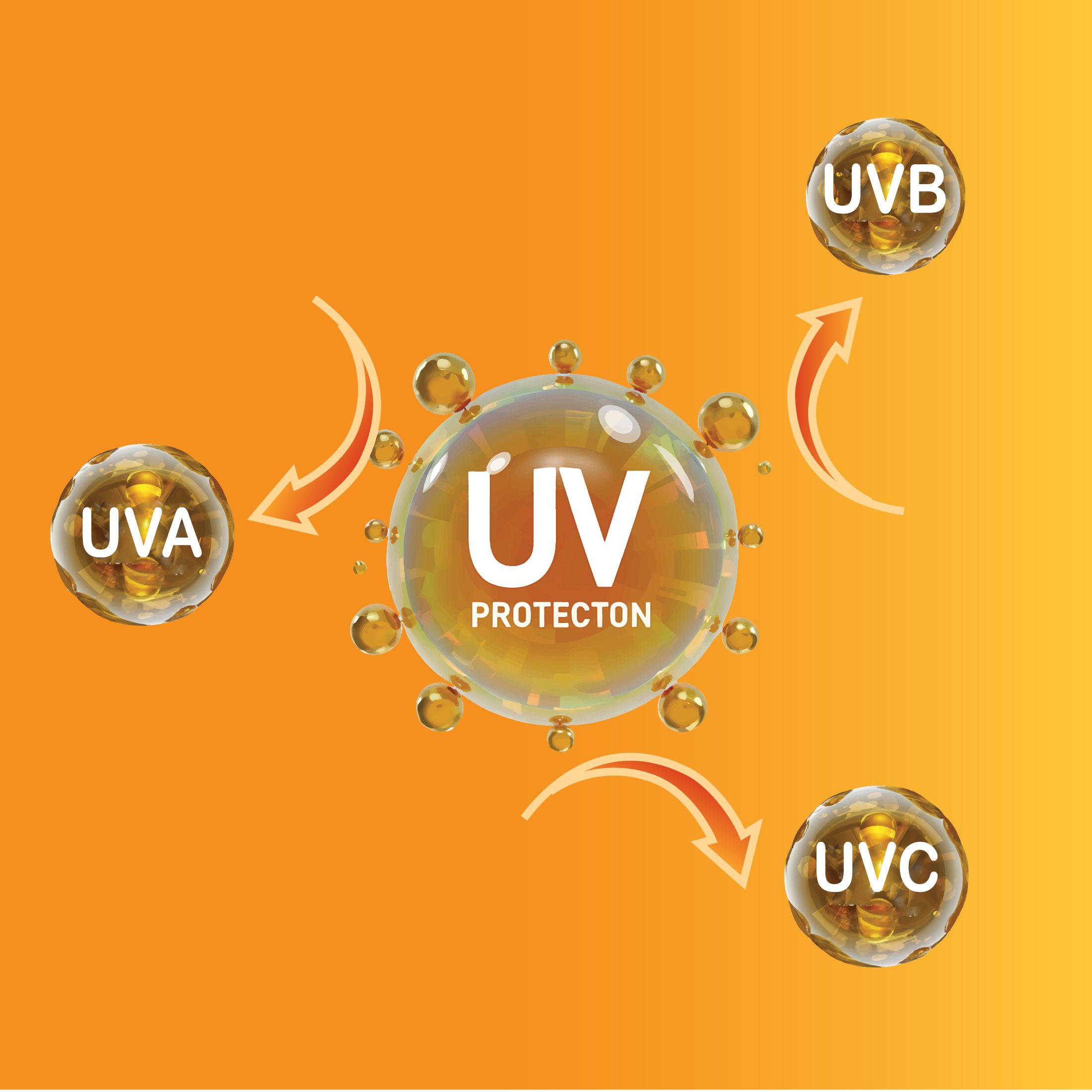
Understanding UV Damage: What Are UVA, UVB, and UVC?
Shortwave Ultraviolet (UVC)
UVC has the shortest wavelength and the highest energy, but the ozone layer absorbs it almost completely, so it rarely reaches the Earth’s surface. Although everyday exposure is minimal, severe ozone depletion in certain regions can increase UVC presence and cause harm to the environment and living organisms.
Medium-Wave Ultraviolet (UVB)
UVB is the primary cause of skin redness, sunburn, peeling, and melanin deposition. It only penetrates the epidermis, but its intensity can directly damage cellular DNA, contributing to skin cancer with prolonged exposure. UVB strength varies by season, weather, and time of day, peaking during summer and midday.
Long-Wave Ultraviolet (UVA)
UVA has the strongest penetrating power, reaching deep into the dermis. It accelerates skin aging, wrinkles, and collagen breakdown. While UVA may not cause immediate visible sunburn like UVB, its cumulative damage is deeper and harder to detect. UVA is present year-round, all day long — even indoors or on cloudy days.
6 Key Differences Between Physical and Chemical Sunscreens: Is Chemical Sun Protection Really Stronger?
1. UV Protection Mechanism
Physical sunscreen (UV reflectors) forms a protective layer on the skin surface, reflecting UVA and UVB like a mirror. It works immediately upon application.
Chemical sunscreen (UV absorbers) absorbs UV radiation and converts it into heat before releasing it. It requires 15–20 minutes after application to reach full effectiveness.
2. Ingredients and Stability
Physical sunscreen typically uses natural minerals like zinc oxide and titanium dioxide—highly stable ingredients that resist breakdown even under intense sunlight.
Chemical sunscreen uses filters such as avobenzone and octinoxate. Some degrade under UV exposure and require stabilizers (e.g., Tinosorb S) to extend protection.
3. Sweat and Water Resistance
Many chemical sunscreens adhere strongly to the skin and offer enhanced water and sweat resistance, making them ideal for sports and beach days.
Physical sunscreens are more easily removed by sweat, sebum, and friction, requiring more frequent reapplication. However, modern formulas have improved adhesion and sweat resistance.
4. Sun Protection Power and Duration
Chemical sunscreens generally achieve higher SPF and PA ratings and offer broader UV protection, but they degrade over time and require reapplication every 2–3 hours.
Physical sunscreens remain stable and do not break down with UV exposure, but can be wiped off more easily through sweating or water contact. Reapplication every ~2 hours is recommended.
5. Irritation Potential and Skin Suitability
Physical sunscreen is mild, simple, and low-irritation, making it suitable for sensitive skin, children, and pregnant women. Some formulas may leave a white cast or feel heavy.
Chemical sunscreen contains more complex filters. Certain ingredients (e.g., oxybenzone) can cause irritation or allergy — not ideal for sensitive or eczema-prone skin.
6. Environmental Friendliness (Reef Safety)
Physical sunscreen ingredients like non-nano zinc oxide and titanium dioxide are reef-safe and less likely to cause coral bleaching.
Some chemical filters (e.g., oxybenzone, octinoxate) harm coral reefs and are banned in regions such as Hawaii and Palau. Look for “reef-safe” labeling when necessary.
Summary: Chemical sunscreens feel lightweight and transparent, making them ideal under makeup, but may irritate sensitive skin and harm marine ecosystems. Physical sunscreens reflect UV rays using natural minerals and are gentler and environmentally friendly, though they may appear white or thicker on the skin.
免費體驗
PicoCure Pigmentation Removal Treatment
1 Minute Self-Registration
Date should not be before minimal date
How to Choose the Right Sunscreen? Save These 5 Essential Tips
1. Know Your Skin Type
○ Oily skin: Choose lightweight, oil-controlling lotions or gels. Avoid heavy or greasy formulas.
○ Dry skin: Choose moisturizing creams with hyaluronic acid or glycerin.
○ Sensitive skin: Choose simple formulations without fragrance or alcohol. Patch test before use.
○ Combination skin: Apply different products to different zones as needed.
2. Understand Sun Protection Ratings
○ SPF: Measures UVB protection. SPF 30+ is recommended for daily use in Hong Kong.
○ PA: Measures UVA protection. Choose PA+++ or PA++++ for adequate defense.
3. Choose Safe Ingredients
○ Avoid irritants such as alcohol, fragrance, or parabens.
○ Choose marine-friendly formulas and avoid oxybenzone and octinoxate.
4. Choose a Formula You Like
Lotions, creams, gels, and sprays all offer different textures. Choose what suits your skin and lifestyle.
5. Consult Professionals
A dermatologist or beauty therapist can recommend sunscreens tailored to your skin concerns.
How to Use Chemical Sunscreen Correctly: 5 Steps to Get Full Protection
1. Application timing: Apply sunscreen 20–30 minutes before sun exposure.
2. Amount: Use enough product — about a coin-sized amount for the face.
3. Coverage: Apply to all exposed areas: face, neck, arms, legs, etc.
4. Reapplication: Reapply every 2–3 hours, especially after swimming or sweating.
5. Cleansing: Remove sunscreen thoroughly at night to prevent clogged pores and breakouts.
Still Getting Sunspots Even With Sunscreen? Perfect Medical PicoCure U.S. Picosecond Laser — Brightening, Spot Removal, and UV Damage Repair All-in-One
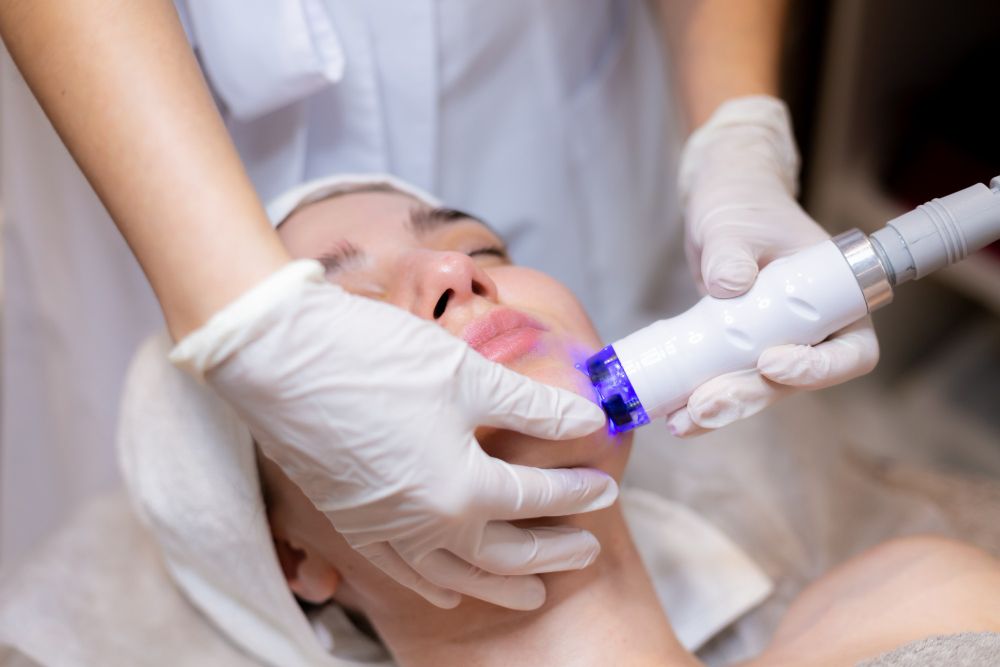
Even with regular use of physical or chemical sunscreen, sunspots may still appear. Don’t worry — here’s your solution. The Perfect Medical PicoCure Pigmentation Removal Treatment offers painless, non-invasive brightening with no downtime.
This ultra-safe optical treatment uses four different picosecond and nanosecond laser wavelengths to target pigment at various depths. Nanosecond lasers break apart large, stubborn pigment clusters, while picosecond lasers shatter pigment into ultra-fine particles that your metabolism naturally clears away. It brightens skin tone, evens pigmentation, refines pores, and improves eye-area laxity in a single course.
Register now for a complimentary session:
• Professional Skin Analysis
• Perfect Medical PicoCure U.S. Picosecond Laser Treatment
免費體驗
PicoCure Pigmentation Removal Treatment
1 Minute Self-Registration
Date should not be before minimal date
FAQ

1. Do I need to remove chemical sunscreen with a makeup remover?
Yes. Proper cleansing prevents residue buildup and clogged pores.
2. Does chemical sunscreen cause cancer?
There is no conclusive evidence linking chemical filters to cancer, but choosing safe ingredients is important.
3. Is there a big difference between SPF 50 and SPF 30?
SPF 50 blocks about 98% of UVB; SPF 30 blocks about 97%. The difference is minimal, but SPF 30+ is still recommended.
4. Can chemical sunscreen cause allergies?
Some filters may cause irritation. Sensitive skin should choose simpler formulas and conduct patch tests.
5. Besides chemical sunscreen, what else prevents sunspots?
Physical sun protection such as hats, sun-protective clothing, and sunglasses is equally important. Combine daily antioxidants, a regular sleep cycle, and avoid excessive use of photosensitizing ingredients. For deeper pigment issues, the Perfect Medical PicoCure Picosecond Laser helps reduce underlying pigmentation and prevent new spots from forming.