- Home
- Trend
- Weight Loss Strategies
- Acne Tips
- Hair Health Information
- Blemish Removal Tips
- Acne Scar Removal Tips
- Muscle Building Techniques
- Intimate Care Tips
- Postpartum Intimate Care
- Eye Bags Wiki
- Tips for Face Slimming
- Secret of Permanent Hair Removal
- Breast Enlargement Tips
- Cure to Snoring
- Marionette Lines
- Skin-Tightening Secrets

Many women have questions about bikini hair removal. The benefits are more than cosmetic — removing hair in the bikini area can help keep your intimate area cleaner and may even reduce the risk of some infections. Read on for everything you need to know about bikini laser hair removal.

Benefits of Bikini Hair Removal — It Might Even Help Prevent Infections
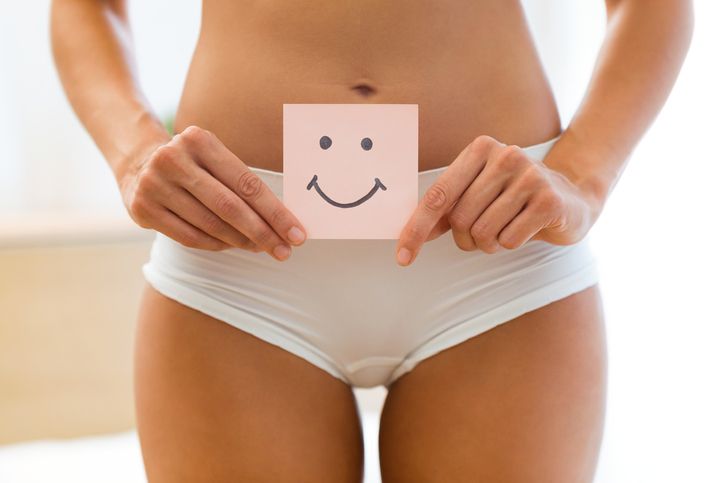
Plenty of women are familiar with bikini hair removal but feel embarrassed to ask about it. The benefits, however, go beyond looks: besides improved hygiene, bikini hair removal may help lower the risk of certain gynecological issues. If you’re curious, here are the main advantages:
1. Keeps the intimate area cool and breathable: In hot weather many women feel trapped or uncomfortable down there. Wearing loose, breathable clothes helps, but removing excess hair in the bikini area also improves airflow and makes cleaning easier — which means more comfort overall.
2. Reduces odor and bacterial growth: The skin in the genital area is delicate. If hair is very dense and hygiene is not thorough, bacteria can build up and produce unpleasant odors — and in some cases contribute to conditions like vaginitis or urinary tract infections. Removing excess bikini hair can make it easier to stay fresh and reduce the chance of bacterial buildup.
3. Can improve tone and skin brightness: Some at-home removal methods irritate the skin and trigger pigmentation, causing the area to darken over time. The right bikini hair removal method, done gently and professionally, can remove excess hair without causing pigment issues and may help refine pores so the skin looks smoother and brighter.
4. Less discomfort during menstruation: During periods many women feel extra heat and stickiness in the intimate area, plus blood can cling to hair and be harder to clean. Bikini hair removal reduces that trapped feeling and makes hygiene during your period more comfortable.
5. Avoid awkward moments (beach season ready): Summer brings bikini season. Removing bikini hair can prevent embarrassment at the beach or pool and lets you wear swimwear or form-fitting clothes confidently.
Types of Bikini Hair Removal
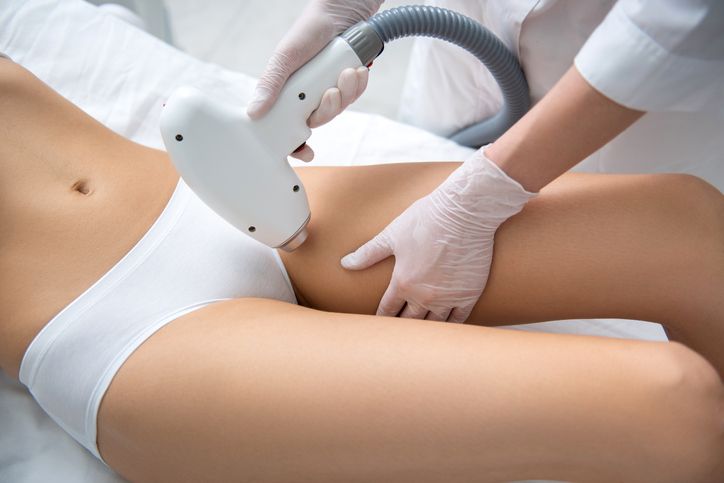
Bikini hair removal isn’t one single approach — there are several target areas so you can choose what suits your style and comfort level:
1. V-line (V line): The outer edge of the triangle area visible when wearing a bikini. Removing the V-line makes wearing swimwear more comfortable while leaving hair within the triangle.
2. I-line (I line): The vertical strip at the center of the intimate area. Removing the I-line can make the area feel cleaner and more hygienic — many women choose this to reduce stickiness during their period.
3. O-line (O line): Refers to hair around the anal area. Removing O-line hair can reduce bacterial accumulation, though fewer women choose this option.
4. Bikini line: The horizontal edges along the bikini triangle that might peek out of swimwear. Cleaning up the bikini line boosts confidence when wearing revealing swimwear.
5. Full bikini (Full bikini): Removes all hair in the triangle area — V line, I line and bikini line. If you prefer no hair at all in the intimate area, full bikini is the option.
免費體驗
A3 Laser Hair Removal Treatment
1 Minute Self-Registration
Date should not be before minimal date
Aftercare: How to Care for Your Skin After Bikini Hair Removal
Post-treatment care for the bikini area is similar to other areas, but the skin is more sensitive so be extra gentle.
Use Mild, Non-Irritating Cleansers
Hair in the intimate area does play a role in blocking external bacteria and reducing friction. After removal, some women overcompensate by scrubbing aggressively — don’t. Use gentle, non-alcoholic wipes or moisturising lotions designed for sensitive skin. Avoid strong or internal cleanses (douching), which can disrupt the vaginal environment and harm intimate health.
Maintain Ph Balance
A healthy vaginal pH (roughly 3.8–4.5 internally; the external vulva is around 5–5.5) helps keep “good” bacteria flourishing and prevents infection. Use products that won’t upset this balance.
Avoid Salty/Spicy/Heavy Diets If You’re Prone To Odor
Diets high in sugar, salt or strong flavors can change body odor for some people. If you want to minimise intimate odor, a lighter, balanced diet helps.
Keep The Area Dry And Breathable
Wear breathable, cotton underwear and avoid tight pants right after treatment. Less friction reduces the risk of pigmentation and irritation.
Five Common Myths About Bikini Hair Removal — Debunked
You’re not alone if you feel shy asking about bikini hair removal. Here are the top five concerns and what to know:
1. Is bikini hair removal embarrassing?
It’s normal to feel awkward about someone treating such a private area. Professional therapists are trained to make you comfortable and maintain your privacy. Ask questions, express any worries, and you’ll find most clinics handle bikini treatments routinely and respectfully.
2. Is bikini hair removal risky?
Any removal method has potential risks. Before treatment, learn the risks of each method and whether you’re a suitable candidate. For laser, tell your therapist about photosensitising medications, pregnancy, or chronic illnesses — they’ll explain risks so you can decide if it’s right for you.
3. Is full-bikini removal better?
Full removal is convenient and very hygienic, but pubic hair does provide a barrier against bacteria and reduces friction. Removing it may slightly increase infection risk for some people, so weigh the pros and cons and choose what fits your needs.
4. Does bikini hair removal hurt?
Some discomfort is common because the skin is delicate. This is normal, especially the first time. Pain often lessens as you proceed through a course of treatments and your skin adapts.
5. Will bikini hair removal cause ingrown hairs?
Many worry about ingrown hairs or folliculitis after treatment. The risk depends on the method used. Shaving and waxing can increase ingrown hairs because they don’t address the follicle root or can damage it. Laser hair removal, which targets the follicle, is less likely to cause ingrown hairs.
4 Bikini Hair Removal Methods: Laser Hair Removal is the Most Effective!
Now that you understand the basics of bikini hair removal, the most important thing is finding the method that suits you best! There aren’t that many hair removal options in general, and even fewer that are safe for bikini hair removal. Using the wrong method could injure your sensitive area and even lead to inflammation. So ladies, remember to choose your bikini hair removal method wisely.
1. Razor
A razor is the most convenient and straightforward method — simply place it against your skin and shave away the excess hair. Many women use a razor the first time they remove bikini hair because it’s so easy. However, there’s a risk of nicking the skin, especially for beginners who may struggle to shave the area cleanly. Any small cut to the delicate skin could lead to inflammation or pain.
Also, razors only remove hair from the surface and don’t address the root in the follicle. Each shave increases the cross-sectional thickness of the hair, making it appear coarser and causing “black dots” to be visible. Over time, repeated shaving can also cause friction that leads to pigmentation, making the skin look darker.
2. Hair Removal Cream
Some products on the market are specially designed for intimate areas, allowing women to remove bikini hair easily during a shower. Simply apply the cream to the area, wait the recommended time, then scrape it away along with the hair using the provided spatula.
However, bikini skin is extremely delicate, and hair removal creams contain chemical ingredients that can cause irritation if not used properly. This may result in severe pain, itching, peeling, or allergic reactions. Even if the cream is formulated for bikini use, there’s still a risk of skin sensitivity.
3. Waxing
For many women, waxing is a “love-hate” experience. Waxing pulls hair out from the root, delivering a very clean, instant result — but also comes with significant pain that not everyone can tolerate. Professional waxing involves applying warm wax to the area, placing a strip over it, and then pulling the hair out against the growth direction.
Over time, repeated waxing can make hair grow back finer, but the pain during each session remains intense. Incorrect technique may also cause ingrown hairs, and in severe cases, folliculitis (inflammation of hair follicles).
4. Laser Hair Removal
Most women who want bikini hair removal choose laser treatments. Laser energy penetrates deep into the follicle to destroy its ability to produce hair, effectively stopping growth and achieving permanent results.
Laser hair removal causes minimal irritation to bikini-area skin, doesn’t harm surrounding tissue, and leaves no wounds — making it a top choice for many.
There are many bikini laser treatments on the market, but the best choice is one that’s painless, effective, and safe. Perfect Medical’s A3 Laser Hair Removal Treatment uses technology tailored for Asian skin, with a deep-penetrating 808nm wavelength that destroys the follicle’s ability to grow hair, achieving permanent hair removal.
The A3 device features a dual cooling system and a 10×10mm square applicator that can remove over 1,000 hairs per second. It’s suitable for any part of the body, even the sensitive bikini area, and works without pain or the risk of ingrown hairs, leaving you feeling fresh and smooth.
If you want to feel fresh and confident before summer, it’s time to start your bikini laser hair removal sessions. Perfect Medical is currently offering a limited number of A3 Laser Hair Removal Treatment trial packages — register online to enjoy 6 sessions at a special price, and say goodbye to worries for good.
免費體驗
A3 Laser Hair Removal Treatment
1 Minute Self-Registration
Date should not be before minimal date
FAQ

What is the purpose of bikini-area hair?
Bikini hair helps block external bacteria, protect sensitive areas, and reduce friction. Having some hair acts as a barrier against infections and helps prevent discomfort from skin-on-skin rubbing. Without it, the risk of infections in the intimate area could increase.
Can I choose different bikini hair removal styles?
Yes! Many women like to shape their bikini hair — the most popular style is a straight line for easy maintenance, but some choose a teardrop shape for a cute look, or even a heart shape. Any style is possible as long as you communicate clearly with your therapist.
Why does bikini hair removal reduce the risk of gynecological issues?
Many women have experienced unpleasant odors in the intimate area. Because the skin there is so delicate, thick hair combined with poor cleaning can easily lead to bacterial growth, odors, and an increased risk of conditions like vaginitis or urinary tract infections. Reducing excess bikini hair makes cleaning easier, keeps the area dry and fresh, and prevents odor and bacterial buildup.
Does bikini hair removal cause ingrown hairs?
Most bikini hair removal methods are safe, but the risk of ingrown hairs depends on the method. Shaving and waxing are more likely to cause them — shaving leaves the root intact, and waxing can damage the follicle, both of which can lead to ingrown hairs.
What’s the best method for women to choose?
Most women opt for laser hair removal, which uses laser energy to penetrate the follicle and stop growth permanently. It’s minimally irritating, safe for surrounding skin, and leaves no wounds, making it the preferred choice for bikini hair removal.