- Home
- Trend
- Weight Loss Strategies
- Acne Tips
- Hair Health Information
- Blemish Removal Tips
- Acne Scar Removal Tips
- Muscle Building Techniques
- Intimate Care Tips
- Postpartum Intimate Care
- Eye Bags Wiki
- Tips for Face Slimming
- Secret of Permanent Hair Removal
- Breast Enlargement Tips
- Cure to Snoring
- Marionette Lines
- Skin-Tightening Secrets

A sensitive scalp is extremely common, but that doesn’t mean it should be ignored. This type of sub-optimal skin condition often signals underlying issues in the scalp’s barrier or even internal health. Most sensitive-scalp symptoms are triggered by irritants — and these irritants hide in everyday details: harsh ingredients in haircare products, bacterial or fungal overgrowth, or immune-related conditions.
Once these triggers disrupt the scalp’s natural pH and protective barrier, the scalp becomes unstable and reacts with discomfort. Want your scalp to stay consistently healthy and resilient? Below, we break down the 8 major causes of scalp sensitivity and the most complete improvement strategies. Stay until the end — there’s a surprise!

What Is a Sensitive Scalp? Understand Your Scalp First
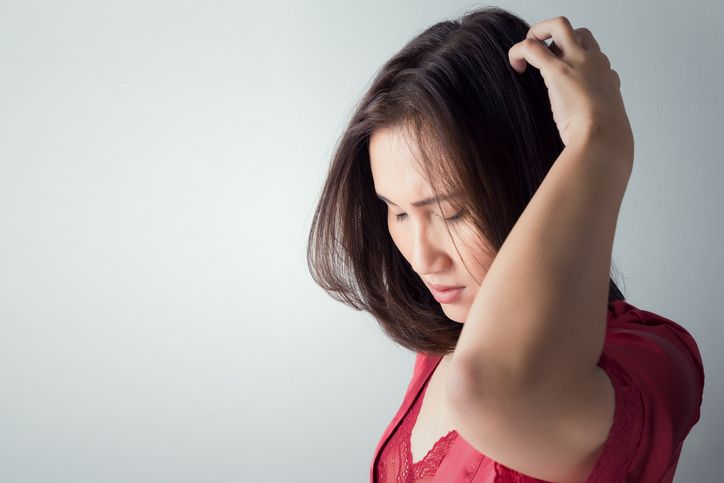
A sensitive scalp isn’t just dryness or oiliness — it’s a condition caused by a disrupted scalp environment and a weakened skin barrier.
What does a healthy scalp look like? It should have a stable pH balance, an intact protective layer, and strong self-repairing ability. These factors help the scalp resist irritation and maintain overall balance for both scalp and hair quality.
But when these protective mechanisms break down, the scalp becomes reactive, leading to discomfort, irritation, and sometimes conditions related to eczema, sebaceous imbalance, or inflammation.
The 5 Most Common Signs of a Sensitive Scalp
• Itching: The most common symptom — often intense enough to cause constant scratching.
• Redness & stinging: A burning or prickly sensation when touched or washed, sometimes with visible swelling or redness.
• Dryness & flaking: Often mistaken for dandruff, but caused by moisture imbalance and barrier disruption.
• Tightness or discomfort: A tense or constricted feeling, as if wearing a tight cap.
• Reactions after using products: Some shampoos, dyes, or conditioners may trigger irritation or allergic reactions.
8 Causes of Scalp Sensitivity: External Irritants & Internal Factors Are Both to Blame
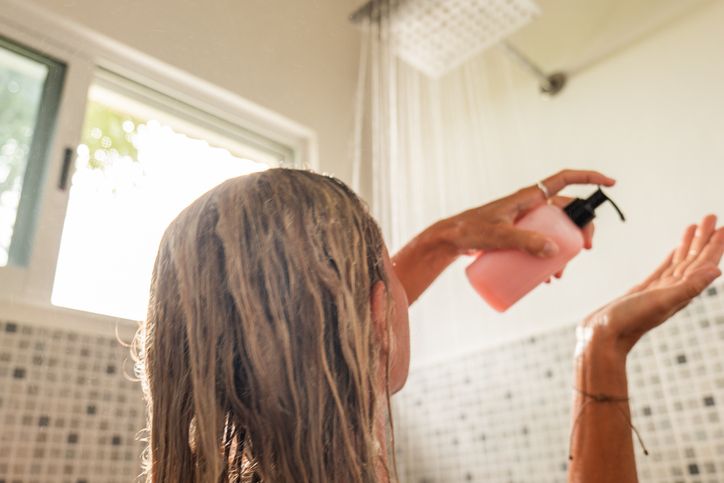
External Causes of Scalp Sensitivity
1. Irritating ingredients in shampoos and conditioners
Many shampoos and conditioners contain SLS, SLES, parabens, artificial fragrance, and other harsh chemicals that damage the scalp’s natural barrier. This leads to redness, inflammation, and sensitivity. Choosing products free from these irritants can significantly reduce the burden on the scalp.
2. Harsh effects from perms, dyes, and chemical treatments
Perm solutions and hair dyes contain chemicals that come into direct contact with the scalp, damaging the skin and triggering sensitivity or chronic inflammation. Minimising chemical treatments helps protect scalp health.
3. Over-washing that strips the scalp barrier
Washing too frequently can remove essential oils, weaken the scalp’s protective layer, and cause dryness and irritation. Adjust washing frequency based on your scalp condition and choose gentle, hydrating products.
4. Damage to the scalp’s stratum corneum
Over-exfoliating or using scalp scrubs can erode the protective barrier and make the scalp more vulnerable to external irritants. Use mild exfoliating products and limit use to once weekly.
5. Possible fungal infections
Some scalp issues stem from fungal overgrowth (such as Malassezia), leading to itching, flaking, or seborrheic dermatitis. Regular haircare products won’t fix this — professional diagnosis and treatment are necessary.
Internal Causes of Scalp Sensitivity
1. Stress disrupting scalp balance
Prolonged stress affects hormone regulation and alters sebum production, leading to oiliness, inflammation, and sensitivity. Stress is one of the major internal causes of sensitive scalp. Stress management helps significantly.
2. Weakening of the immune system
Irregular sleep, late nights, and unhealthy habits weaken immunity, making the scalp more reactive to irritants, allergens, or environmental triggers.
3. Allergic reactions
Some people react to preservatives, fragrances, or even plant extracts, causing redness, itchiness, or stinging. Those with product sensitivities should choose clearly labeled, hypoallergenic haircare.
免費體驗
F8 Hair Regrowth Treatment
1 Minute Self-Registration
Date should not be before minimal date
How to Care for a Sensitive Scalp: 5 Habits You Should Adopt
1. Choose gentle, non-irritating haircare
Avoid products containing SLS, SLES, parabens, harsh fragrance, or aggressive chemicals. Opt for formulas created for sensitive scalps with ingredients like aloe vera, chamomile, and centella asiatica to soothe inflammation and hydrate the scalp barrier.
2. Build proper washing habits
Use lukewarm water instead of hot water to protect the natural oil barrier. Massage gently with fingertips — never scratch with nails — and rinse thoroughly to prevent residue that may trigger irritation.
3. Include regular scalp massages
Scalp massage boosts circulation, supports nutrient delivery to follicles, and helps reduce stress — a great way to manage sensitivity caused by poor circulation or tension.
4. Consume nutrients that support skin barrier health
Vitamins B complex, zinc, and omega-3 fatty acids help repair and strengthen the scalp barrier. Good sources include fatty fish, flaxseed, walnuts, and leafy greens.
5. Improve daily habits to stabilise scalp condition
Balanced sleep, exercise, meditation, and relaxation techniques help regulate hormones and reduce stress-induced scalp sensitivity.
3 Easy Daily Tips: Reduce Damage to Your Scalp & Hair
1. Reduce chemical exposure and avoid frequent dyeing or perming
Excessive chemical treatments aggravate sensitivity. Reduce frequency or switch to gentler, plant-based colouring options.
2. Protect your scalp from UV exposure
The scalp is easily irritated by UV rays. Wear a hat or use scalp-safe sunscreen when outdoors.
3. Keep pillowcases and hair-touching surfaces clean
Changing pillowcases regularly prevents oil, bacteria, and dirt buildup — especially important for already compromised scalps.
Emergency Relief Guide: What to Do When Your Scalp Flares Up
• Cold compress: Apply an ice pack or chilled towel for 10–15 minutes to reduce redness and stinging.
• Gentle cleansing: Use mild, non-irritating shampoo and massage softly with fingertips. Rinse completely.
• Avoid scratching: Scratching worsens inflammation and increases infection risk. Use cold compresses or gentle massage instead.
免費體驗
F8 Hair Regrowth Treatment
1 Minute Self-Registration
Date should not be before minimal date
The Ultimate Solution for Sensitive, Itchy Scalps: Perfect Medical F8 Hair Regrowth Treatment
Scalp sensitivity catching you off guard? Don’t stress! Now’s the perfect time to restore scalp stability. Whether your issue is excessive oiliness or extreme dryness, the Perfect Medical F8 Hair Regrowth Treatment is highly recommended.
The experience is 100% comfortable, painless, and non-invasive — perfect for sensitive scalps with zero risk of irritation.
The F8 treatment uses low-energy, medical-grade soft laser technology that is gentle on the scalp while improving oil-moisture balance, stopping itchiness, calming inflammation, and reactivating dormant follicles. New hair grows stronger and healthier, and hair texture significantly improves.
This treatment helps with: hair growth, hair strengthening, dandruff, scalp sensitivity, diffuse thinning, receding hairlines, telogen effluvium, seborrheic hair loss, postpartum hair loss, and stress-related shedding.
Register now to enjoy a professional Scalp Analysis + Perfect Medical F8 Hair Regrowth Treatment!
免費體驗
F8 Hair Regrowth Treatment
1 Minute Self-Registration
Date should not be before minimal date
FAQ

1. Can a sensitive scalp recover on its own?
Mild sensitivity can improve with proper care and lifestyle adjustments.
2. Should I see a doctor for scalp sensitivity?
If symptoms are severe, a dermatologist consultation is recommended.
3. Can people with sensitive scalp use conditioners?
Yes — choose formulas suitable for sensitive scalps and avoid applying directly on the scalp.
4. How often should I wash my hair if I have a sensitive scalp?
Depends on the individual. Avoid over-washing; every 1–2 days is typical.
5. Can I dye my hair if my scalp is sensitive?
Limit dyeing frequency and choose plant-based dyes. Always use a protective scalp barrier before colouring.