- Home
- Trend
- Weight Loss Strategies
- Acne Tips
- Hair Health Information
- Blemish Removal Tips
- Acne Scar Removal Tips
- Muscle Building Techniques
- Intimate Care Tips
- Postpartum Intimate Care
- Eye Bags Wiki
- Tips for Face Slimming
- Secret of Permanent Hair Removal
- Breast Enlargement Tips
- Cure to Snoring
- Marionette Lines
- Skin-Tightening Secrets

Which anti-hair loss products really help stop hair fall and promote regrowth? And if you’re not experiencing hair loss yet, is it still okay to use anti-hair loss shampoos? If you’ve got questions about these products, we’re here to clear them up!

Why Use Anti-Hair Loss Products?
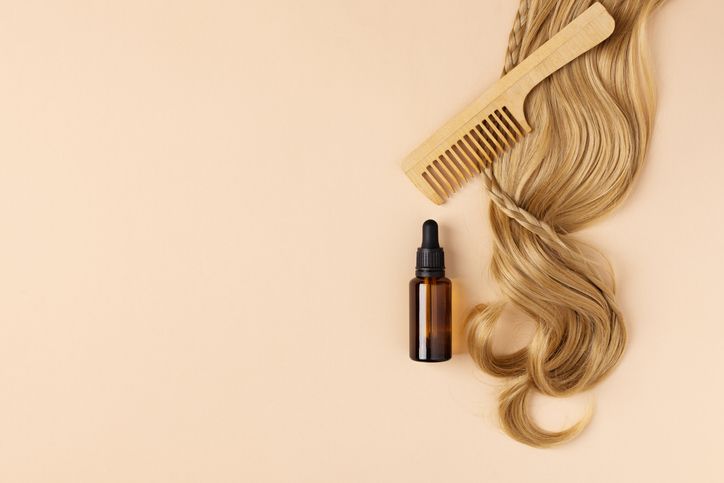
Hair loss not only affects appearance—it can also impact your self-confidence. Using the right anti-hair loss products can help reduce shedding and restore scalp and hair health. Hair loss is a common problem among city dwellers, triggered by many different causes. It’s easy to “step on a landmine” without realizing it! For women, common types of hair loss include stress-induced shedding, female pattern baldness, and postpartum hair loss. Whether you're trying to fix existing hair fall or prevent it from happening, using the right anti-hair loss products can be very effective.
As the saying goes, “Prevention is better than cure.” If you suspect you might be at risk of hair loss, using anti-hair loss products early on can strengthen your scalp and reduce hair fall. Catching the “golden window” for hair rescue is the first step to recovery. Saving your hair follicles early increases the chances of hair regrowth and helps restore smooth, shiny locks.
Why Am I Still Losing Hair Even After Using Anti-Hair Loss Products?
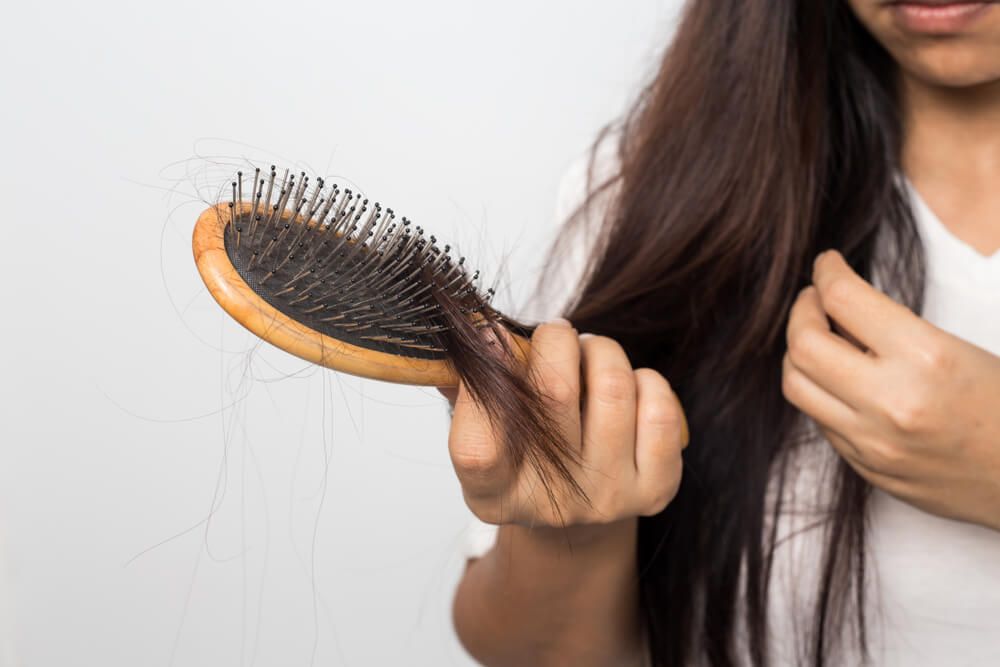
It’s true that anti-hair loss products can help to a certain extent. Many people turn to anti-hair loss shampoos or growth serums when they start to notice thinning, hoping to reverse mild hair fall. But what if you’re still shedding hair after trying several products? You may be making some key mistakes:
Mistake 1: Not Lathering Shampoo Before Applying
Did you follow the instructions properly? Most anti-hair loss shampoos recommend lathering the shampoo with a bit of warm water in your hands before applying it to your scalp and hair. This helps the active ingredients penetrate the hair follicles more effectively. Applying the shampoo directly to the scalp without lathering may overstimulate the scalp with concentrated product, leading to clogged follicles and worsening hair loss.
Mistake 2: Overusing Conditioner
Dry hair can also trigger hair fall, so many people use conditioner as a preventive measure to keep hair moisturized and reduce breakage. However, applying conditioner all over the scalp is a big no-no. Most conditioners contain silicones, which smooth the hair but can clog follicles and trigger excess oil production—especially if applied from the roots. This blocks nutrient absorption and increases the risk of hair loss.
Mistake 3: Washing Hair with Water That’s Too Hot
Water temperature matters just as much as the product you use. Warm water helps rinse away oil and buildup, but overly hot water can strip the scalp’s protective barrier, leaving it vulnerable to bacteria and dryness. Ironically, this can make the scalp produce even more oil and exacerbate the problem.
Mistake 4: Using the Wrong Type of Product
If your hair loss hasn’t improved, it could be that your product simply isn’t right for your hair type. Some anti-hair loss shampoos are more moisturizing, which is great for dry hair but may overwhelm oily scalps and worsen hair fall. Always choose products based on your hair condition—only then can you expect visible results.
免費體驗
F8 Hair Regrowth Treatment
1 Minute Self-Registration
Date should not be before minimal date
Debunking Popular Myths About Anti-Hair Loss Products
There are so many anti-hair loss products on the market promising everything from hair fall prevention to regrowth. But are they really effective? Let’s take a closer look at some common misconceptions:
Myth 1: How Do I Choose the Right Product?
Just like with skincare, your hair type matters when choosing anti-hair loss products. Most hair falls into three categories: dry, normal, or oily.
• Dry hair needs moisture-rich formulas that smooth cuticles and repair strands. Look for shampoos with ingredients like coconut oil for hydration and scalp nourishment.
• Oily hair should avoid heavy, greasy products (like hair masks and oils) and instead opt for lightweight, clarifying formulas to avoid clogged follicles.
• Normal hair can generally use most products, and you can switch based on how your hair feels that day.
Myth 2: Are Natural Anti-Hair Loss Shampoos Effective?
Some people prefer natural shampoos due to concerns over synthetic ingredients and side effects like scalp irritation or rebound hair loss. These natural formulas often include Chinese herbs like He Shou Wu, ginger, black sesame, Sichuan lovage, and ginseng, which are believed to improve scalp circulation and nourish follicles.
While these ingredients may be gentler and less irritating, there’s still not enough scientific evidence to prove they’re effective for stopping hair loss or stimulating growth on their own.
Myth 3: Will Hair Vitamins Help?
In addition to topical products, many people take supplements to support hair growth. Key nutrients include:
• Vitamin C: antioxidant that slows aging and maintains shine
• Vitamin E: balances oil production and supports scalp health
• Vitamin B: crucial for keratin production and hair strength
• Protein, iron, zinc: essential for healthy follicles
While helpful for overall hair health, taking supplements alone won’t necessarily reverse hair loss. If you're experiencing significant shedding, it’s best to consult a hair loss specialist.
Myth 4: Can Women Use Hair Growth Tonic?
Hair tonics containing Minoxidil are generally safe for women—just opt for lower concentrations. However, results are often temporary. Once you stop using it, new hair may fall out again within a few months. So, while hair tonics can help, they’re not a permanent fix.
Myth 5: Are Hair Growth Serums Effective?
Many brands offer anti-hair loss serums claiming to strengthen roots and reverse hair loss. Ingredients like wheat protein, salicylic acid, and pea protein are used to reduce oiliness and improve circulation. Others include herbal extracts like ginger and He Shou Wu to stimulate growth.
While some people find them helpful, there’s not enough scientific evidence to confirm their effectiveness. Use with caution and realistic expectations.
What to Watch Out for When Using Anti-Hair Loss Products
Even if you’re not sure how well a product works, using the right type can still prevent further damage. Here are 4 key tips:
Tip 1: Avoid Products with Silicones
Dimethicone (a type of silicone) is common in shampoos to make hair smooth and frizz-free. However, it can clog follicles and trigger excess oil—especially problematic for oily scalps. Always check the label and steer clear of silicones if you're prone to hair loss.
Tip 2: Make Sure the Product Penetrates
It’s not enough to just apply a product—you need it to reach the roots. Let it sit for a few minutes and massage it into the scalp. For example, caffeine shampoos require at least 2 minutes of contact to be effective. Massage helps boost absorption and circulation.
Tip 3: Know the Difference Between Anti-Hair Loss and Hair Regrowth Products
Anti-hair loss products focus on maintaining scalp health and preventing further shedding. Hair regrowth products, on the other hand, contain active ingredients like Minoxidil or herbal extracts that stimulate follicles and promote new hair. Choose based on your specific needs.
Tip 4: Look for Clinically Backed Products
If you’re overwhelmed by choices, look for products with medical or clinical certifications, such as FDA or CE approval. Recommendations by dermatologists or hair clinics also add credibility to a product’s effectiveness and safety.
Top 10 Anti-Hair Loss Shampoos Recommended by the Consumer Council
To help cut through the noise, the Consumer Council tested multiple shampoos for harmful ingredients like dioxane, heavy metals, and formaldehyde. Here are 10 that passed with flying colors:
1. Wai Yuen Tong Chinese Herbal Anti-Hair Loss Shampoo (Strengthening Formula)
Features ginkgo, ginger, He Shou Wu, and other herbs to nourish scalp and strengthen roots.
2. Segals Hair Regrowth Shampoo
Balances oil, unclogs follicles, and improves circulation for a healthier scalp.
3. Sebamed Anti-Hair Loss Shampoo
Free from soap and enriched with caffeine, ginkgo, and niacin to support follicle health.
4. DrD Regenerative Anti-Hair Loss Shampoo
Controls excess oil and includes tea seed extract to activate follicles and boost oxygen flow.
5. Rausch Willow Bark Treatment Shampoo – Herbal formula with willow bark and thyme to reduce oil and soothe irritated scalps.
6. AVEDA Invati Scalp Purifying Shampoo – Infused with orange peel and Japanese knotweed to purify the scalp and strengthen keratin.
7. Ryo Anti-Hair Loss Shampoo – Contains ginseng and patented Korean herbal extracts to nourish hair and scalp without harsh chemicals.
8. Vita Green Hair Strengthening Shampoo – Blends Chinese herbs with caffeine to boost microcirculation and nourish follicles.
9. o’ Naomi Gastrodia & He Shou Wu Shampoo – Features rare herbs like Ligustrum, Gastrodia, and Ginseng to enhance hair strength and shine.
10. ELENCE 2001 Twin Scalp Shampoo EX-2 – Japanese formula with over 30 herbal extracts and essential oils to deeply cleanse and nourish scalp.
免費體驗
F8 Hair Regrowth Treatment
1 Minute Self-Registration
Date should not be before minimal date
Tried It All with No Results? Don’t Waste Time—Try Laser Hair Regrowth!
Tired of picking between countless shampoos and serums with mixed reviews? Even the “best” products might disappoint you—or even worsen the problem.
When hair loss is more severe, over-the-counter products often aren’t strong enough. You need to address the root cause with medical-grade solutions.
The editor speaks from experience: after spending five figures on supposedly “miracle” serums, they all ended up gathering dust in the bathroom. But after one session of the F8 Hair Regrowth Treatment, the results were better than everything else combined!
Why try it?
• It was free for the first trial—nothing to lose!
• It’s Perfect Medical’s signature treatment, highly advertised and popular—surely it must work?
To their surprise, the consultant was extremely professional, patiently analyzing the scalp with a microscope. It turned out to be seborrheic + stress-induced hair loss, and if left untreated, could even turn into alopecia areata (“bald patches”).
The F8 laser treatment itself was painless, non-invasive, and warm—super relaxing and quick. It ended with the application of a medical hair tonic.
After the session, the scalp felt refreshed and balanced—not oily, not dry. The sensation lasted for days. Hair growth noticeably sped up within two weeks. It was a dramatic change compared to regular products.
The takeaway? Don't waste money on endless ineffective products. Hair loss in women has a narrow treatment window—act early or you’ll regret it. Unlike topical products, laser therapy penetrates deep into the scalp. It’s FDA-approved as one of the top 3 clinically backed regrowth methods. Want to learn more about laser hair regrowth? Click the link below!
免費體驗
F8 Hair Regrowth Treatment
1 Minute Self-Registration
Date should not be before minimal date
FAQ

When should I start using anti-hair loss products?
Hair loss doesn't happen overnight—by the time you notice excessive shedding or thinning, it may already be in the middle or late stages. If your hairline is starting to recede or your parting is getting wider, that’s a sign to take action! Anti-hair loss products are most effective when used early. The earlier you intervene, the better your chances of preserving hair density and stimulating regrowth.
Can I use anti-hair loss products every day?
Most anti-hair loss shampoos are gentle enough for daily use. However, if your scalp is dry or sensitive, it’s best to alternate with a moisturizing or soothing shampoo to avoid irritation. As for hair tonics or serums, follow the instructions on the label—some are designed for twice-daily use, while others are used less frequently.
Are there any side effects from using anti-hair loss products?
Some people may experience allergic reactions, especially if they have sensitive skin or if the product contains fragrances, preservatives, or alcohol. Symptoms include itching, redness, or flaking. Always do a patch test before using a new product. If your scalp reacts negatively, stop using it immediately and consult a dermatologist.
How long does it take to see results?
Hair growth is a slow process. On average, hair grows about 1 cm per month. It usually takes 2 to 3 months of consistent use before you’ll notice a visible reduction in hair fall or improved thickness. Be patient and stick to your routine. If there’s still no improvement after 3 months, consider seeing a professional.
Can I use multiple anti-hair loss products at the same time?
Yes, but it’s important to avoid overloading your scalp. Using a shampoo, conditioner, and serum from the same brand line can help avoid ingredient conflicts. If you're combining different brands, check for overlapping active ingredients to avoid irritation or reduced effectiveness.