- Home
- Trend
- Weight Loss Strategies
- Acne Tips
- Hair Health Information
- Blemish Removal Tips
- Acne Scar Removal Tips
- Muscle Building Techniques
- Intimate Care Tips
- Postpartum Intimate Care
- Eye Bags Wiki
- Tips for Face Slimming
- Secret of Permanent Hair Removal
- Breast Enlargement Tips
- Cure to Snoring
- Marionette Lines
- Skin-Tightening Secrets

If you’ve been bothered by droopy eyelids, you’re definitely not alone. Sagging lids can make your eyes look tired and dull—significantly impacting your overall appearance. But figuring out how to deal with this issue isn’t always straightforward. That’s why we’re breaking down the six major types of eyelid drooping, their causes, and the full range of treatment options—from medications and surgery to a non-invasive "secret weapon" you’ll find at the end of this post.

Start with Understanding Eye Anatomy

To understand why eyelids sag, we need to look at the anatomy of the eye. The eye is made up of five structural layers: the eyeball, the eye socket, the tear glands, the extraocular muscles, and the eyelids—the main focus of this article.
The eyelids, like the other components, are rich in muscle tendons and nerves. The upper eyelid in particular includes several muscle groups—on the inner and outer sides, at the junction between the upper and lower lids, and especially in the levator palpebrae superioris, the key muscle responsible for lifting the eyelid.
Eyelids serve more than just cosmetic purposes—they control blinking, protect the eyes from harsh light, dust, and irritants, and help evenly distribute tears to keep the eyeballs moist and healthy.
What Causes Droopy Eyelids?

There are multiple causes behind eyelid drooping. From an anatomical perspective, it often comes down to skin laxity, excess fat in the upper lid, or weakness in the levator muscle. These issues can be triggered by a variety of lifestyle or health-related factors—meaning eyelid drooping isn’t just a concern for the elderly.
The root causes typically fall into two broad categories: congenital (present at birth) and acquired (developed later in life). Congenital droopiness is often linked to underdeveloped eye muscles or poor skin elasticity from birth. Acquired cases, on the other hand, can result from issues with nerves, fascia, muscles, side effects from medications, or even the use of certain cosmetic products. We’ll dive deeper into these factors later in the blog.
免費體驗
R6 Miracle Eye Rescue Treatment
1 Minute Self-Registration
Date should not be before minimal date
Quick Self-Test: Do You Have Droopy Eyelids?
Before we get into the details, try these quick self-checks to see if your eyelids are starting to droop:
• Check your eyelid position: If the top edge of your upper eyelid aligns with the top of your pupil, you’re fine. But if it begins to cover about one-third of the pupil, that’s a sign your eyelid is starting to sag. Seek treatment before it covers half or the full pupil, which can impact vision.
• Observe forehead muscle usage: Are you constantly lifting your eyebrows or getting noticeable forehead lines when you try to open your eyes wider? You might be compensating for drooping lids.
• Check your lashes: If your eyelashes are poking into your eyes, it could be a sign of inward curling or muscle laxity around the eyes—another potential indicator of drooping.
The 6 Types of Droopy Eyelids – Know Yours Before Choosing a Treatment
1. Congenital Ptosis
As mentioned, some people are born with eyelid drooping due to genetic factors. For example, overly developed forehead muscles from birth can lead to a lifelong habit of straining to open the eyes, which not only accelerates the appearance of forehead wrinkles but may also weaken the eyelid muscles over time. In some cases, underdeveloped levator muscles may result in one eyelid being noticeably lower than the other, leading to uneven eyes from childhood.
2. Neurological Ptosis
This type of eyelid drooping stems from nerve dysfunction—including issues with the cranial nerves, sympathetic nerves, or central nervous system. It may be linked to autoimmune disorders or other internal conditions. In more serious cases, it could be a symptom of brain-related illnesses such as arteriosclerosis, blood clots, or heart disease. What seems like a minor eyelid issue might actually signal a serious underlying health problem.
3. Drug-Induced Ptosis
Often the result of eye trauma or medical procedures, this form of ptosis may arise after chemical injections (such as anesthesia or cosmetic fillers). Muscle relaxants used during surgery or poorly administered injectables can weaken the eyelid muscles. Additionally, post-surgery eye care is crucial—improper recovery after cosmetic or medical eye procedures can accelerate sagging.
4. Fascial Ptosis
This type is caused by abnormalities in the eye's fascia, the connective tissue that links various structures and supports eye movement. When fascia weakens or deteriorates—typically due to aging—it reduces the tension and control of eyelid muscles. In rare cases, fascial tears may occur, leading to more severe sagging.
5. Mechanical Ptosis
Mechanical drooping comes from external pressure or physical obstruction around the eyes—like a stye, fat herniation, inflammation, bruising from trauma, or even eye tumors. While it may affect vision temporarily, this type of drooping is often the easiest to recover from once the root cause is treated.
6. Myogenic (Muscle-Based) Ptosis
This is the most common type and is caused by weakness or atrophy in the levator muscle. Like any other muscle, eyelid muscles lose strength with age, especially if left untrained. That’s why the outer corners of the eyes tend to droop as we get older, making us look tired or sad. Without proper care, your youthful “doe eyes” may gradually turn into downturned, tired-looking eyes.
Ignoring Droopy Eyelids? Here Are 4 Potential Consequences
1. Amblyopia ("Lazy Eye")
Persistent drooping can lead to blocked vision, sometimes causing amblyopia—where the brain essentially "shuts down" the blurry eye due to lack of stimulation. If untreated, this can become a permanent visual impairment.
2. Myasthenia Gravis
This muscle disorder begins as eyelid weakness but can progress to affect the neck, throat, arms, and even breathing muscles. Though not as immediately life-threatening as a stroke, it can significantly disrupt daily life over time.
3. Horner’s Syndrome
An advanced neurological disorder, Horner’s Syndrome typically affects one side of the face. Early signs include droopy eyelids, reduced pupil size on one side, and decreased sweating. It's not just a muscle issue—it involves the nerves connecting the brain, head, neck, and body.
4. Diabetes-Related Complications
Diabetes can cause poor blood circulation and hardening of the arteries. When blood can’t properly flow to the muscles around the eyes, sudden eyelid paralysis can occur—usually affecting just one side, accompanied by pain around the brow and eye socket.
免費體驗
R6 Miracle Eye Rescue Treatment
1 Minute Self-Registration
Date should not be before minimal date
What Aesthetic Surgery Options Can Improve Droopy Eyelids?
1. Double Eyelid Surgery
Double eyelid surgery is currently one of the most popular and direct solutions for droopy eyelids. Even if you're not into aesthetic treatments, you’ve probably heard of this procedure. It involves removing excess skin and fat from the upper eyelids to reduce puffiness, while also creating a balanced double eyelid crease—making it both a cosmetic and functional fix. This surgery is suitable for all age groups, but it doesn’t correct drooping at the outer corners of the eyes. That type of sagging needs to be assessed by a professional to determine if you're a good candidate.
2. Brow Lift Surgery
A brow lift is another effective option for treating droopy eyelids, especially when the sagging is caused by weakened brow muscles. Although the procedure targets the brow rather than the eyes directly, it still lifts the upper eyelids. It also gives the added benefit of reshaping and repositioning the brows, offering both functional improvement and long-lasting cosmetic enhancement.
3. Forehead Lift Surgery
A forehead lift might sound intense, but it can help address a tired, downward-slanting eye appearance. This procedure involves making incisions along the hairline and using an endoscope to gently lift the tissues beneath the eyelid. It requires a highly skilled surgeon and tends to come with a higher price tag, making it a less accessible option for everyone.
4. Levator Muscle Resection
This procedure focuses on correcting the root cause of eyelid drooping by adjusting or shortening the levator muscle tendon through a tiny 1 cm incision. The scar is minimal and barely visible. However, it’s only suitable for mild to moderate cases and not recommended for severe drooping.
Lower-Risk Alternatives: 4 Popular Non-Surgical Ways to Lift Your Eyelids
1. Medication
For droopy eyelids caused by nerve damage or conditions like myasthenia gravis, medication can be a conservative and effective option. Many doctors in Hong Kong use treatments such as acetylcholinesterase inhibitors or immunosuppressants to help improve muscle tone in the eyelids. These medications support communication between nerves and muscles, helping the brain send stronger signals to lift the eyelids. However, always consult a doctor before starting any medication to assess the severity of your condition and receive proper dosage guidance.
2. Eye Creams
With anti-aging and antioxidant skincare becoming mainstream, eye creams are now a staple in many beauty routines. When choosing one, look for gentle, plant-based ingredients like caffeine or ginseng, and avoid harsh chemicals. Products with massage applicators or tools can help boost circulation around the eyes while firming the skin, offering even better results.
3. Eye Massage
Gentle eye massages are suitable for everyone, but especially for office workers who spend long hours staring at screens. Just like a full-body massage eases muscle tension, eye massages help relax overworked eye muscles. When your eyes feel dry or strained, take a break and try light massage techniques found online—like blinking exercises or eye rolls. This not only activates eye muscles but also brings brightness back to tired eyes.
4. Reduce Use of Double Eyelid Tape and Contact Lenses
One simple way to minimize stress on your eyelids is to cut back on double eyelid tape and contact lens use. These everyday habits may seem harmless, but they constantly tug on the delicate skin around the eyes. Finding the right spot for eyelid tape often involves trial and error, and repeatedly pulling the skin toward the outer corners for a stronger hold causes strain over time. Wearing contact lenses also makes people naturally widen their eyes, creating forehead lines or stretching the eyelids with their fingers—habits that, if repeated daily, can lead to sagging over time.
Say Goodbye to Saggy Eyelids with the Perfect Medical R6 Miracle Eye Rescue Treatment!
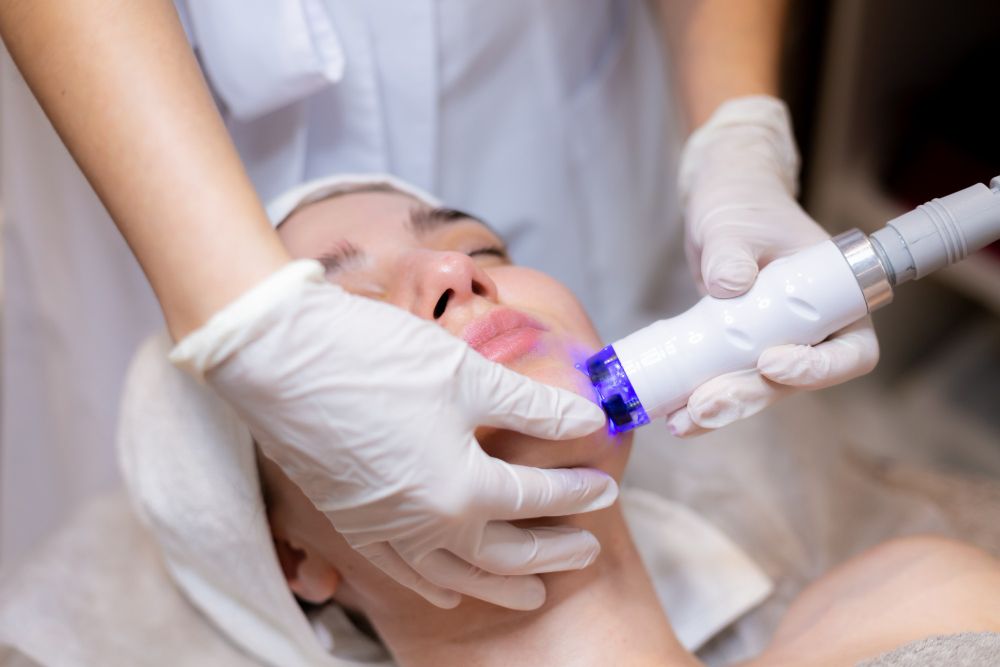
Worried about the risks of surgery? Looking for a non-invasive solution to lift your eyelids? We recommend the Perfect Medical R6 Miracle Eye Rescue Treatment—a painless, non-surgical procedure that firms the skin around the eyes while also reducing dark circles, fine lines, and eye bags.
The R6 treatment uses medical-grade RF (radiofrequency) technology, combined with red and blue light therapy that penetrates deep into the skin to break down excess fat cells and boost blood circulation around the eyes. It helps flush out toxins and excess water, clears pigmentation from blocked lymph flow, and rejuvenates the entire eye area. Our professional team will also assess your skin condition and share personalized eye care tips with you.
Register now to enjoy:
• A professional skin analysis
• One R6 Miracle Eye Rescue Treatment session
• A FREE magic eye massage wand when you like our Facebook page!
Limited slots available on a first-come, first-served basis—don’t miss out!
免費體驗
R6 Miracle Eye Rescue Treatment
1 Minute Self-Registration
Date should not be before minimal date
FAQ

What causes droopy eyelids?
Droopy eyelids are mainly caused by a loss of elasticity in the skin and eyelid muscles, reduced collagen and moisture, and gradual tissue weakening—all worsened by the natural pull of gravity over time.
How can droopy eyelids be treated?
Surgical options remain the fastest and most effective solution, involving removal of excess skin or fat from the eyelids for a lifting effect. However, some procedures are highly technical and require local or general anesthesia, which makes many people hesitant.
How can I strengthen my eyelids?
You can train your eyelids with simple exercises like opening your eyes wide, blinking, and lifting your brows. The goal is to consistently activate the eyelid-lifting muscles.
Why are my upper eyelids swollen?
Swelling in the upper eyelids is often due to water retention or fat buildup. However, certain eye conditions such as conjunctivitis, allergies, infections, or styes can also cause puffiness.
Can I use a warm compress on swollen eyes?
Yes. Warm compresses relax the eye muscles and reduce puffiness by dilating blood vessels and improving circulation. This helps flush out toxins, water, and fat stored in the eye area.