- Home
- Trend
- Weight Loss Strategies
- Acne Tips
- Hair Health Information
- Blemish Removal Tips
- Acne Scar Removal Tips
- Muscle Building Techniques
- Intimate Care Tips
- Postpartum Intimate Care
- Eye Bags Wiki
- Tips for Face Slimming
- Secret of Permanent Hair Removal
- Breast Enlargement Tips
- Cure to Snoring
- Marionette Lines
- Skin-Tightening Secrets

What should you do when your skin becomes inflamed? Should you rush to a dermatologist right away? For those with sensitive skin, sudden redness, itching, flaking, or eczema can be frustrating — and can take a toll on both your appearance and confidence.
Solving skin inflammation isn’t as simple as using a single product or one quick fix. This article explores the root causes of skin inflammation and shares practical ways to adjust your lifestyle and care for your skin properly — helping you restore a calm, healthy complexion from the inside out.
At the end, we’ll also introduce a professional skin-revitalizing treatment designed specifically for sensitive and inflamed skin — with an exclusive free trial offer! Want to build healthy, resilient skin? Don’t miss your chance to claim this beauty bonus today!

The 4 Major Causes of Skin Inflammation — Identify What’s Behind Your “Bad Skin Days”

Skin inflammation can stem from a variety of internal and external factors — often more complex than they seem. Understanding what’s triggering your flare-ups is key to restoring balance.
Cause 1: Immune System Imbalance & Allergic Reactions
When your immune system becomes overactive, it releases large amounts of inflammatory mediators, causing redness, swelling, and itching. Common allergens include pollen, dust mites, or certain skincare ingredients — all frequent triggers of eczema and atopic dermatitis.
Psychological stress can also weaken immune function, making the skin more reactive and prone to inflammation.
Cause 2: External Irritation & Damaged Skin Barrier
Over-cleansing or using harsh skincare products can strip away your skin’s natural barrier, leading to sensitivity and flare-ups.
Contact dermatitis, for example, is caused by direct exposure to irritants such as detergents, metals, or cosmetics. Continuous scratching may further damage the skin and even lead to secondary bacterial infections.
Cause 3: Stress & Hormonal Imbalance
Chronic stress elevates cortisol and other stress hormones, which can disrupt both your immune and nervous systems.
Hormonal fluctuations can also increase sebum production, clog pores, and cause acne. In conditions like eczema or psoriasis, psychological stress is known to worsen symptoms.
Cause 4: Bacterial Overgrowth & Clogged Follicles
When excess sebum and dead skin cells mix, they block pores and create an ideal environment for acne-causing bacteria to multiply — leading to inflammation and breakouts.
Squeezing pimples can worsen inflammation and increase the risk of scarring or uneven texture.
6 Quick Ways to Soothe Inflamed Skin
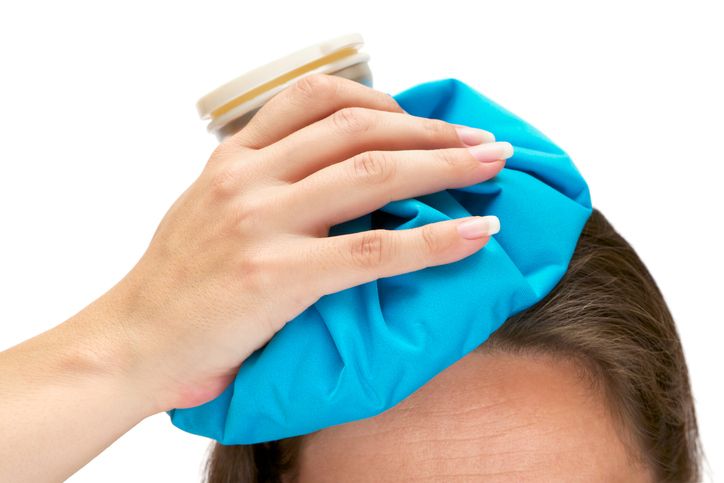
Inflammation often causes redness, swelling, and itching — but improper care can make things worse. Here are six simple yet effective ways to relieve discomfort and support your skin’s recovery.
1. Apply a Cold Compress
Wrap an ice pack or ice cubes in a clean towel and gently press it onto the affected area. Cold temperature helps constrict blood vessels, reduce redness, and ease itching or burning sensations. Limit each session to around 15 minutes to avoid frostbite.
2. Use a Soothing Mist
A gentle hydrating or thermal water mist can instantly cool and moisturize irritated skin. Look for formulas with calming ingredients such as chamomile, aloe vera, or cucumber extract. Avoid alcohol or fragrance to minimize irritation.
3. Apply a Repair Cream
Choose a barrier-repair cream formulated for sensitive or inflamed skin — ideally with ceramides, colloidal oatmeal, niacinamide (vitamin B3), or centella asiatica (Cica). These ingredients help soothe inflammation and strengthen the skin’s barrier. Apply twice daily, especially after cleansing.
4. Avoid Scratching
Although scratching may temporarily relieve itching, it can worsen inflammation and cause infection.
Trim your nails short or wear cotton gloves while sleeping to prevent accidental scratching. Use cold compresses or soothing creams instead.
5. Switch to Hypoallergenic Products
Discontinue products that contain fragrances, alcohol, sulfates, or other harsh ingredients. Opt for mild, dermatologist-tested formulas labeled “for sensitive skin” to reduce irritation and promote recovery.
6. Stay Hydrated
Adequate hydration supports healing and improves skin resilience. Drink at least eight glasses of water daily, and include water-rich fruits and vegetables to maintain healthy moisture levels from within.
免費體驗
Acne Treatment
1 Minute Self-Registration
Date should not be before minimal date
7 Daily Skincare Principles to Prevent Inflammation
Healthy skin starts with consistent, gentle care. Follow these seven rules to strengthen your barrier, prevent flare-ups, and maintain calm, balanced skin.
1. Gentle Cleansing & Hydration
Use mild, non-irritating cleansers once or twice daily. Avoid over-washing, which strips your skin’s natural oils.
Focus on hydration with fragrance-free, alcohol-free moisturizers — and try soothing sheet masks for an extra boost.
2. Avoid Irritants & Allergens
Identify your personal triggers — whether certain foods, beauty products, or environmental factors — and avoid them.
Always patch-test new products before full use, and skip harsh exfoliants like high concentrations of AHAs or BHAs.
3. Use Medications Properly
Under medical supervision, topical corticosteroids or oral antihistamines can relieve inflammation and itching.
Never self-medicate with steroid creams for prolonged periods. Complement medication with cooling compresses when needed.
4. Adjust Your Diet
Eat foods rich in vitamin C, such as oranges, kiwis, strawberries, and leafy greens, to boost repair and glow. Reduce spicy, oily, or sugary foods that can trigger excess oil or breakouts.
5. Manage Stress
Chronic stress affects hormone balance and skin health. Practice relaxation techniques like deep breathing, meditation, listening to music, or light exercise. Aim for 7–8 hours of quality sleep each night to aid skin recovery.
6. Improve Daily Habits
Exercise regularly to boost circulation and detoxification. After workouts, clean your skin promptly to prevent sweat buildup. Avoid staying up late — consistent rest helps restore your skin barrier.
7. Choose Skincare Products Wisely
Stick to gentle, hypoallergenic formulas suitable for sensitive skin. Always patch-test new items and avoid switching products too often. Review ingredient lists regularly to ensure they still meet your skin’s needs.
3 Common Medical Treatments for Skin Inflammation
Treatment should always depend on the underlying cause and severity. Here are three medical options doctors may recommend:
1. Topical Ointments
Mild to moderate inflammation can be treated with creams containing corticosteroids, non-steroidal anti-inflammatories, or antibiotics. These help reduce redness and itching, often used for eczema or dermatitis.
2. Oral Medications
For widespread or severe inflammation, doctors may prescribe oral antihistamines for itching, or corticosteroids and immunosuppressants to control inflammation. If bacterial infection is involved, oral antibiotics are typically used.
3. Biologic Therapies
For chronic conditions like atopic dermatitis or psoriasis that don’t respond to standard treatments, biologics can be prescribed to target specific inflammatory pathways for long-term improvement.
Persistent Skin Inflammation? Professional Treatment Is the Key! Perfect Medical’s Acne Treatment Helps Relieve Inflammation, Unclog Pores & Restore Skin Balance
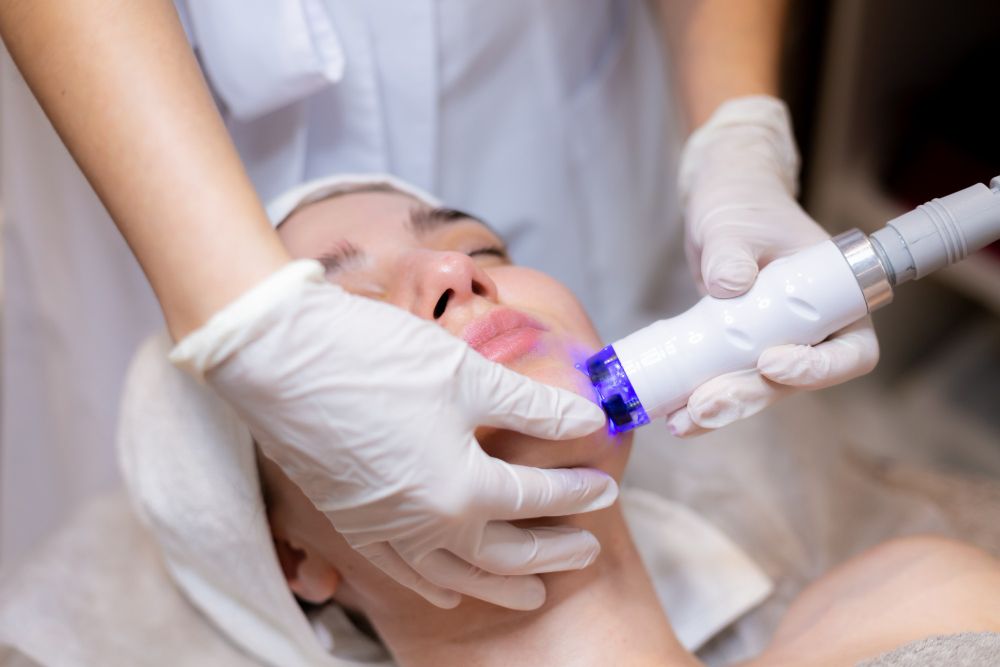
When persistent inflammation doesn’t respond to over-the-counter skincare, it’s time to seek professional help. Perfect Medical’s Acne Treatment uses advanced vacuum microdermabrasion technology to gently and painlessly remove surface impurities and dead skin (30–35 mm deep), clearing blocked pores and reducing inflammatory triggers.
The treatment also infuses medical-grade hydrating essences deep into the skin, soothing irritation, rebalancing oil production, and reinforcing the skin barrier. By stimulating collagen renewal, it helps fade redness, acne marks, and rough texture — restoring a smooth, refined complexion.
Whether inflammation is caused by stress, environmental factors, or hormonal imbalance, Perfect Medical’s treatment provides targeted relief and lasting results — even suitable for eczema-prone skin!
If you’re ready to say goodbye to flare-ups and regain healthy, glowing skin, book your free trial today — limited slots available!
免費體驗
Acne Treatment
1 Minute Self-Registration
Date should not be before minimal date
FAQ

1. What’s the difference between skin inflammation and an allergic reaction?
Skin inflammation is a broad term describing redness, swelling, heat, and pain in the skin. Allergies occur when your immune system overreacts to specific substances — and are one possible cause of inflammation.
2. What skincare products should I use during inflammation?
Stick to gentle, fragrance-free, alcohol-free products that focus on hydration and repair. Always patch-test new items before applying them to your entire face.
3. Does diet affect skin inflammation?
Yes. High-sugar, oily, spicy foods and dairy can trigger inflammatory responses. Eat antioxidant-rich fruits and vegetables instead, and drink plenty of water.
4. Can skin inflammation heal on its own?
Mild inflammation may resolve with proper care and lifestyle adjustments, but persistent symptoms should be checked by a dermatologist.
5. Can I wear makeup when my skin is inflamed?
It’s best to avoid makeup to allow your skin to recover. If necessary, choose non-comedogenic, hypoallergenic products — and remove makeup thoroughly at the end of the day.