- Home
- Trend
- Weight Loss Strategies
- Acne Tips
- Hair Health Information
- Blemish Removal Tips
- Acne Scar Removal Tips
- Muscle Building Techniques
- Intimate Care Tips
- Postpartum Intimate Care
- Eye Bags Wiki
- Tips for Face Slimming
- Secret of Permanent Hair Removal
- Breast Enlargement Tips
- Cure to Snoring
- Marionette Lines
- Skin-Tightening Secrets

Both Western and Chinese medicine have their own interpretations of acne during menstruation. It’s completely normal for women to experience unstable skin during their period — hormonal fluctuations often lead to excess sebum production, clogged pores, and inflammation.
Curious about what different breakout areas mean? Let’s break down the two main causes of menstrual acne and explore effective treatment options from both Western and Traditional Chinese Medicine (TCM) perspectives. Be sure to read till the end for an exclusive offer you won’t want to miss!

What Do Different Menstrual Acne Areas Mean? Understand the symptoms behind hormonal breakouts
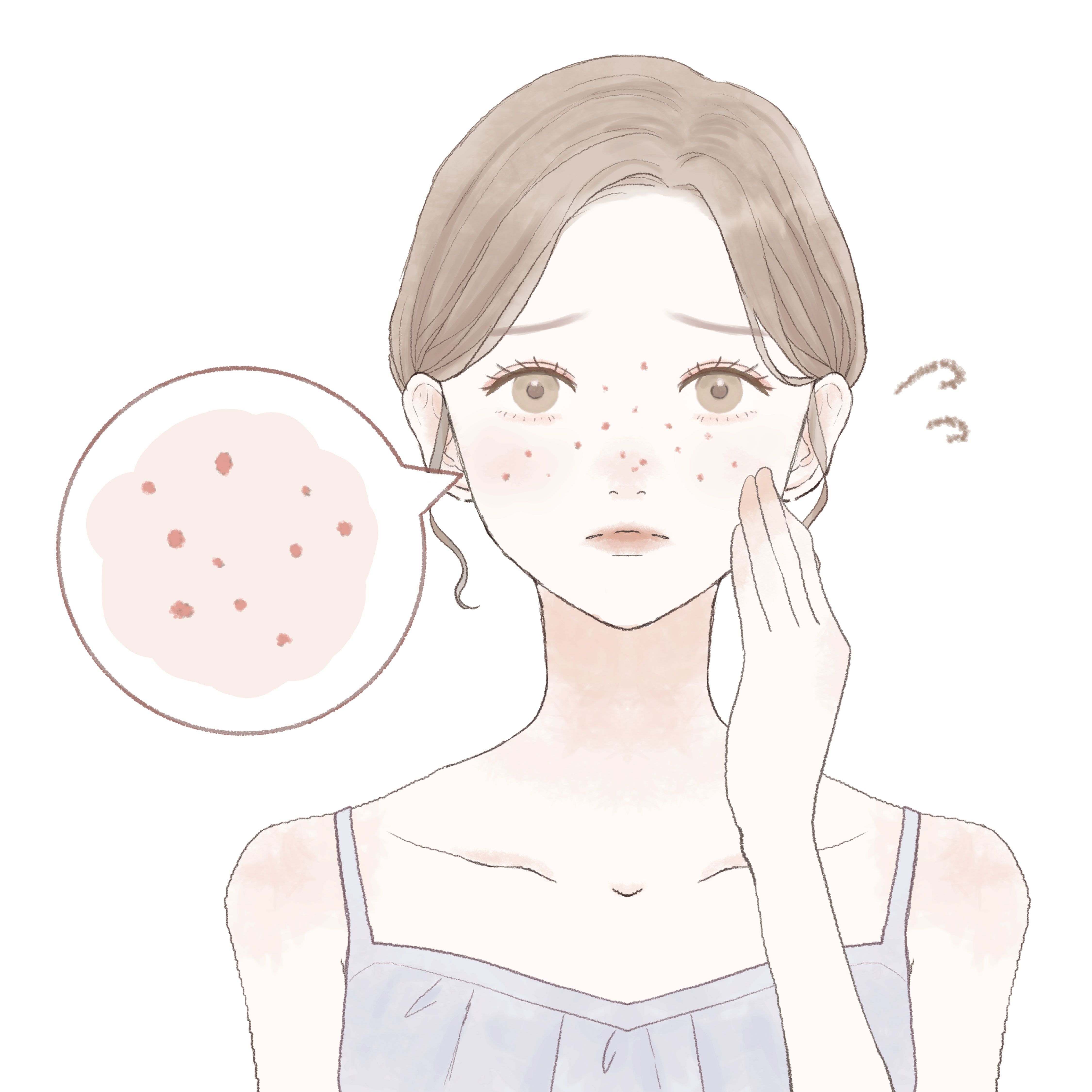
Where acne appears during your period can reveal your internal health condition. According to Traditional Chinese Medicine, period breakouts are closely related to imbalances in qi and blood.
For example:
• Acne on the cheeks may indicate issues with the digestive system or constipation — when toxins aren’t effectively eliminated, they can manifest as acne.
• If pimples are red, inflamed, or pus-filled, it may suggest excessive internal heat.
These are not just skin symptoms — they reflect deeper issues like poor metabolism or internal inflammation. The key is to rebalance your body through improved diet, regular routines, and lifestyle habits.
Why Do Breakouts Happen During Menstruation? 2 Key Causes of Hormonal Acne
1. Hormonal Fluctuations — The Root Cause of Oily Skin
During or before your period, hormonal changes dramatically affect the skin. Elevated androgen levels and the sharp rise and fall of progesterone and estrogen stimulate sebum production, leading to blocked pores.
This oil buildup, combined with dead skin cells, creates the perfect environment for acne formation. Hormonal shifts can also trigger inflammation, making pimples red, swollen, and slow to heal.
2. Diet & Stress — The Acne Aggravators
Beyond hormonal factors, stress and diet play a major role. Stress increases cortisol production, which indirectly stimulates oil secretion, while high-sugar diets disrupt keratin metabolism, leading to clogged pores.
If left unaddressed, these triggers can cause acne to recur every cycle and even result in scarring or post-acne marks.
免費體驗
Acne Treatment
1 Minute Self-Registration
Date should not be before minimal date
4 Common Menstrual Acne Areas — Decode the Health Messages Behind Each Spot
Period acne doesn’t appear randomly. It tends to occur in specific zones, each linked to different internal conditions. Think of it as your skin’s “health map.”
1. Chin & Jawline
The most common area for hormonal acne. This zone is highly sensitive to androgen levels and hormonal fluctuations. Stress and lack of sleep can make it worse.
If chin or jawline breakouts are persistent, accompanied by irregular periods or excess facial hair, it could be a sign of Polycystic Ovary Syndrome (PCOS) or other endocrine disorders.
2. Cheeks
Cheek acne can result from multiple factors such as stress, poor diet, or exposure to environmental pollutants.
Connection to cortisol: When under stress, your adrenal glands release cortisol, which increases oil production and inflammation in the skin.
3. Forehead
Forehead acne is often linked to lifestyle habits. Poor digestion, lack of sleep, and unbalanced diet are common culprits.
Diet link: Excess consumption of greasy, sugary foods or dairy can increase sebum and clog pores, leading to breakouts on the forehead.
4. Other Areas (Back, Chest)
These areas have a high density of oil glands and are also influenced by hormones.
Key factors: Non-breathable clothing materials and inadequate cleansing can worsen body acne.
TCM Meets Western Dermatology: 6 Effective Ways to Prevent and Treat Menstrual Acne
【TCM Approach】Restore Internal Balance — Liver and Spleen Harmony is Key
According to Chinese medicine, recurring acne around the period often stems from qi and blood imbalance or internal damp-heat. You can strengthen your body through:
• Herbal Diet Therapy: Incorporate TCM ingredients like white peony root (Bai Shao) or liver-soothing teas to balance hormones and ease PMS mood swings.
• Acupressure Massage: Target meridian points along the liver and spleen channels to promote circulation and reduce inflammation.
• Nutritional Support: Consume Omega-3–rich foods (flaxseed, walnuts, etc.) to reduce inflammation and regulate oil production.
【Western Skincare Routine】Maintain a Consistent Acne-Control Regimen
• Gentle Cleansing: Use mild, soap-free cleansers twice daily and after workouts to prevent sweat and oil buildup.
• Exfoliation & Hydration: Regular exfoliation helps remove dead skin cells. Always follow up with a hydrating product to keep skin balanced and prevent rebound oiliness.
• Quality Sleep: Poor sleep around menstruation worsens hormonal imbalance. Stick to a steady routine and ensure deep rest to support nighttime skin repair.
4 Proven Medical Solutions for Persistent Period Acne
When skincare and lifestyle changes aren’t enough, it’s time for medical support. Recurring hormonal acne that flares up before or after menstruation often requires targeted treatments. Here are four dermatologist-approved solutions:
1. Hormonal Therapy — Balance from Within
As period acne is linked to high androgen levels, doctors may prescribe oral contraceptives or anti-androgen medications (like Spironolactone) to regulate oil production and menstrual cycles, especially for acne-prone chin and jawline areas.
2. Topical Treatments — Calm Inflammation and Unclog Pores
For mild to moderate acne, topical creams containing benzoyl peroxide (BPO), retinoids, or antibiotics can reduce bacterial growth and inflammation while clearing clogged pores.
3. Oral Anti-Inflammatory Medications — For Painful, Pustular Acne
When pimples become red, painful, or pus-filled, doctors may prescribe oral antibiotics (like tetracyclines) to control infection and inflammation. These must be used under medical supervision to prevent antibiotic resistance.
4. In-Depth Health Check — Rule Out Gynecological Conditions
If hormonal acne is accompanied by irregular periods, excess body hair, or weight gain, doctors may investigate conditions such as PCOS through blood tests or ultrasounds for comprehensive treatment.
免費體驗
Acne Treatment
1 Minute Self-Registration
Date should not be before minimal date
Say Goodbye to Period Pimples for Good!
Perfect Medical’s Acne Treatment helps you regain smooth, radiant, blemish-free skin — inside and out.
If your skin becomes oily and breakout-prone before your period, don’t worry! The Perfect Medical Acne Treatment is your go-to solution for acne-prone and sensitive skin.
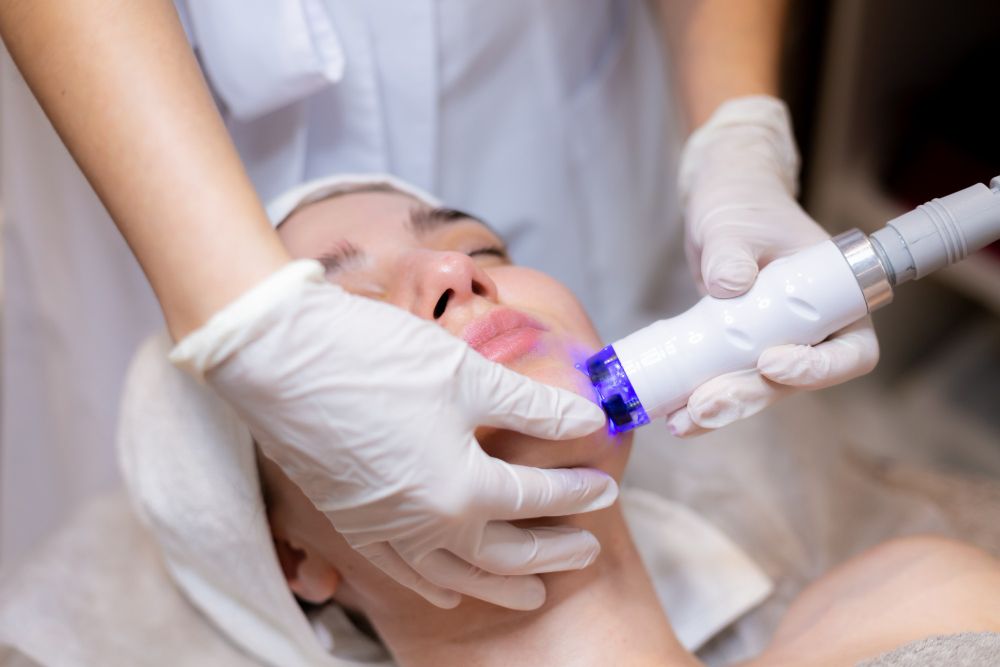
This non-invasive, pain-free facial uses dual spiral suction + vacuum dermabrasion technology to deeply cleanse pores, rebalance oil and moisture levels, and stimulate collagen production. The result? Clearer, smoother, more elastic, and glowing skin.
Whether you struggle with acne, acne marks, blackheads, enlarged pores, rough texture, or dullness, this treatment delivers visible improvement.
免費體驗
Acne Treatment
1 Minute Self-Registration
Date should not be before minimal date
FAQ

1. Is menstrual acne always caused by hormones?
Not entirely — stress, diet, and other factors can also contribute.
2. Do acne patches really work?
They can help with open pimples by absorbing pus and reducing inflammation.
3. Can I pop pimples with my hands?
Absolutely not — this can cause infection and scarring.
4. How does diet affect acne?
High-sugar or dairy-heavy diets may worsen acne.
5. Can stress cause acne?
Yes — stress impacts hormones and immunity, leading to breakouts.