- Home
- Trend
- Weight Loss Strategies
- Acne Tips
- Hair Health Information
- Blemish Removal Tips
- Acne Scar Removal Tips
- Muscle Building Techniques
- Intimate Care Tips
- Postpartum Intimate Care
- Eye Bags Wiki
- Tips for Face Slimming
- Secret of Permanent Hair Removal
- Breast Enlargement Tips
- Cure to Snoring
- Marionette Lines
- Skin-Tightening Secrets

“Vaseline for rosacea” is a popular search topic among skincare enthusiasts — referring to the use of Vaseline to calm rosacea and stabilize the skin barrier! Rosacea, also known as “acne rosacea” or “red face syndrome,” is characterized by persistent redness and visible capillaries around the center of the face. Although it commonly affects sensitive skin types, anyone with unstable skin conditions can experience rosacea flare-ups.
In this article, we’ll explore the 5 key causes of rosacea and share professional tips and treatment options to effectively improve your skin condition — read on till the end!

The Mechanism of Rosacea: Understanding Your Skin’s Sensitivity Signals
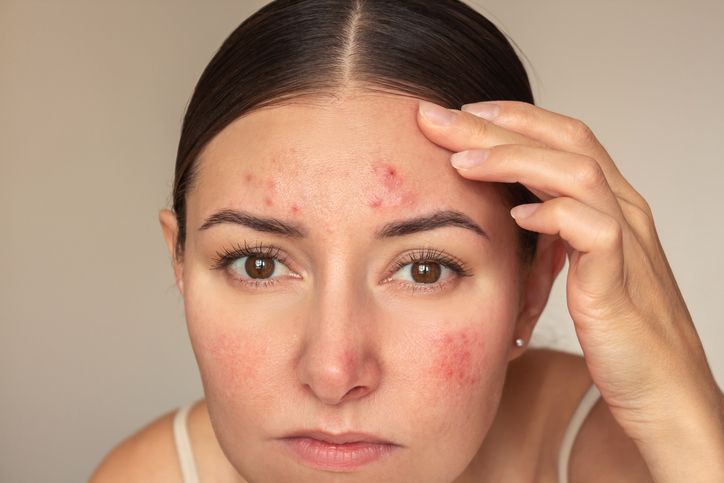
Rosacea (also called acne rosacea or red nose syndrome) is a chronic inflammatory skin disorder that mainly affects facial areas such as the nose, chin, and cheeks. It often appears with redness, bumps, flushing, and sometimes cyst-like pimples. For those with rosacea, it’s a long-term battle against fragile skin barriers, dilated blood vessels, and heightened sensitivity.
The development of rosacea involves multiple factors — genetics, immune imbalance, environmental triggers, and abnormal sebum secretion. Studies show that facial blood vessels are overly reactive to temperature changes, leading to redness and flushing. Meanwhile, when the skin barrier is compromised, it becomes more vulnerable to external irritation and inflammation.
During flare-ups, subcutaneous blood vessels become congested and inflamed, leading to pustules and swelling. UV exposure, spicy food, emotional stress, or even over-cleansing can all trigger or worsen the condition.
Vaseline and Rosacea — Remedy or Misconception? Debunking 5 Common Myths!
1. Why Do People Believe Vaseline Helps with Rosacea?
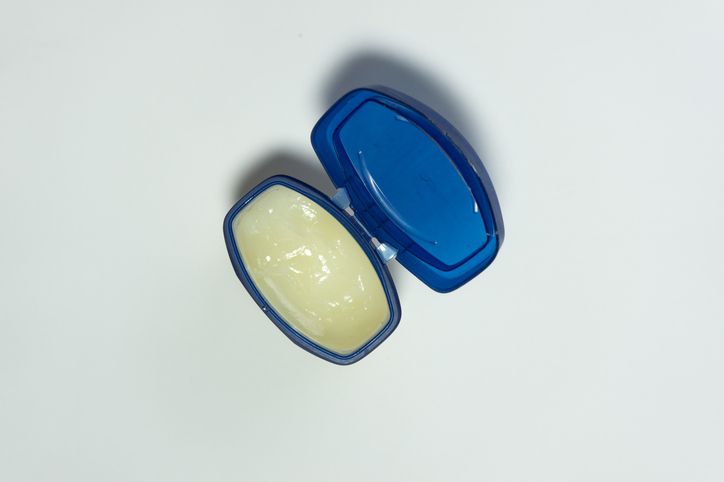
The claim that “Vaseline can improve rosacea” comes from its occlusive moisturizing properties. Vaseline, a mineral oil–based ointment, forms a protective film on the skin to prevent moisture loss, help repair the barrier, and reduce irritation.
Since rosacea-prone skin often has a weakened barrier, it’s more easily triggered by wind, heat, or UV exposure. Vaseline temporarily reinforces this barrier, locking in hydration and soothing sensitivity — which explains why many feel it “works.”
2. The Real Function of Vaseline: Moisturizing and Relieving Dryness
Rosacea-prone skin is often dry and tight, and dehydration can further aggravate inflammation and redness. Vaseline is highly effective at preventing water loss and keeping the skin soft and comfortable. Its formula is extremely simple — free from fragrance, alcohol, and dyes — making it relatively safe for sensitive skin.
For many, applying Vaseline helps stabilize the skin in dry or cold weather while simplifying their routine and reducing potential irritants.
3. Potential Risks and Usage Precautions
Despite being mild and additive-free, improper use of Vaseline can still cause issues. Its strong occlusive nature helps with hydration, but overuse may clog pores, especially for oily or combination skin, potentially leading to comedones or breakouts.
It’s best to apply a thin layer on clean, dry skin and avoid using it in humid or sweaty conditions to prevent bacterial growth. Also, avoid combining it with products containing high concentrations of acids (e.g. salicylic acid or AHA) — this may heighten irritation and sensitivity.
4. When You Should Avoid Using Vaseline
Vaseline is not a cure-all. Avoid or consult a dermatologist before using it in the following cases:
• When the skin is inflamed, infected, or oozing pus — Vaseline may trap bacteria and worsen infection.
• If you’re allergic or intolerant to mineral oil ingredients.
• If you have oily or acneic rosacea, Vaseline’s occlusive nature may worsen congestion.
5. The Truth About Vaseline: A Helper, Not a Treatment
Vaseline’s role is to moisturize and protect, not to treat rosacea directly. It can temporarily relieve dryness and irritation, but if flare-ups persist, professional dermatological treatment is necessary — possibly including anti-inflammatory or prescription repair products.
In short, Vaseline can be a gentle skincare ally, but only if used correctly, in moderation, and with full understanding of your skin condition.
免費體驗
Acne Treatment
1 Minute Self-Registration
Date should not be before minimal date
The 5 Most Common Causes of Rosacea: From Internal Triggers to External Factors
1. Genetics and the Immune System
Rosacea is strongly linked to genetic and immune responses. Studies show that if rosacea runs in the family, the risk for other members increases — linked to genes affecting the skin barrier and immune activity.
An overactive immune response can also misidentify mild stimuli as threats, releasing inflammatory chemicals that cause redness, bumps, and vascular dilation — turning rosacea into a chronic condition.
2. Demodex Mites and Sebum Secretion
Rosacea-prone skin often harbors large populations of Demodex mites, microorganisms living in hair follicles and sebaceous glands. These mites can stimulate the immune system and trigger inflammation.
When sebum production increases, mite populations also rise, leading to more frequent flare-ups. This explains why rosacea often appears on the nose, cheeks, and chin — areas with higher oil levels. Maintaining facial cleanliness and oil balance helps reduce mite overgrowth.
3. Sun Exposure and Temperature Changes
Sunlight and sudden temperature shifts are among the most common triggers. UV rays cause blood vessels to dilate and inflame, while direct sunlight can weaken the skin barrier and heighten sensitivity.
Drastic temperature changes — for instance, moving from an air-conditioned room to outdoor heat — repeatedly expand and contract capillaries, making them fragile and permanently visible over time. This explains why rosacea tends to worsen during summer or winter.
4. Diet and Emotions
Certain foods and emotional states directly affect rosacea stability. Spicy dishes, alcohol, and hot drinks boost circulation, causing temporary flushing or chronic redness. Meanwhile, stress and emotional fluctuations impact oil secretion and vascular response, making the skin more reactive.
Learning to manage stress and maintain emotional balance can significantly reduce flare-up frequency.
5. External Irritants and Daily Habits
Beyond environment and diet, everyday habits can also be triggers. Over-cleansing or using products with alcohol or fragrance damages the skin barrier, making it more fragile.
Saunas and hot water face washing, while relaxing, are risky for rosacea-prone skin — they increase facial temperature and dilate blood vessels, worsening redness and swelling. Adjusting cleansing routines and environmental conditions helps reduce recurrence.
How to Improve and Professionally Treat Rosacea: From Daily Habits to Medical Solutions
Part 1: Lifestyle and At-Home Care
1. Gentle Cleansing and Hydration: Use soap-free, alcohol-free cleansers and moisturizers containing ceramides or hyaluronic acid to restore the barrier and minimize irritation.
2. Soothing Masks and Calming Care: When redness appears, apply calming masks with oat extract, centella asiatica, or aloe vera to cool and soothe inflammation.
3. Diet and Lifestyle: Avoid spicy foods, alcohol, and hot drinks. Maintain regular sleep, manage stress, and eat antioxidant-rich fruits and vegetables for better skin health.
4. Avoid Environmental Triggers: Steer clear of direct sunlight, saunas, and extreme temperature changes. Always apply sunscreen to prevent vascular dilation and flare-ups.
Part 2: Professional Medical Treatments
1. Topical Medications and Mite Control: Dermatologists may prescribe topical creams containing ivermectin or metronidazole to reduce inflammation and control Demodex mites.
2. Retinoic Acid and Medical Therapy: For severe cases, oral or topical retinoids (A acid) may be prescribed under medical supervision to regulate oil production and inflammation.
3. Laser Treatments and Hydration Repair: Laser therapy can reduce redness and visible capillaries. Post-treatment care should focus on hydration and sun protection to prevent relapse.
4. Professional Consultation: Since rosacea varies by individual, regular check-ups with a dermatologist are essential to create a personalized treatment and skincare plan.
Treating Rosacea Doesn’t Have to Rely on Vaseline! Try Perfect Medical’s Acne Treatment — Safe, Effective, and Skin-Refining!
Relying on Vaseline alone to improve rosacea can be risky — we recommend Perfect Medical’s Acne Treatment, a safe, non-invasive, and highly effective method to restore smooth, radiant, and even-toned skin.
Powered by patented dual-spiral vacuum suction and resurfacing technology, this treatment deeply purifies the pores, clears congestion, and restores water-oil balance — all without pain or downtime.
If you’re struggling with rosacea, acne scars, blackheads, enlarged pores, or dull and dehydrated skin, book a trial today to experience the treatment!
免費體驗
Acne Treatment
1 Minute Self-Registration
Date should not be before minimal date
FAQ

Can Vaseline treat rosacea?
Vaseline mainly provides hydration and barrier protection — it cannot replace medication but can help relieve mild dryness and irritation.
Which type of Vaseline suits rosacea-prone skin?
Choose one that’s fragrance-free, colorant-free, and with simple ingredients.
Does Vaseline clog pores?
A small amount usually won’t, but overuse may cause congestion. Apply only a thin layer.
Can Vaseline be used daily?
Yes, but adjust the amount according to your skin’s condition. Stop use if irritation occurs.
Do I need to remove Vaseline with makeup remover?
If you’ve applied only Vaseline, a gentle facial cleanser is sufficient — no need for makeup remover.