- Home
- Trend
- Weight Loss Strategies
- Acne Tips
- Hair Health Information
- Blemish Removal Tips
- Acne Scar Removal Tips
- Muscle Building Techniques
- Intimate Care Tips
- Postpartum Intimate Care
- Eye Bags Wiki
- Tips for Face Slimming
- Secret of Permanent Hair Removal
- Breast Enlargement Tips
- Cure to Snoring
- Marionette Lines
- Skin-Tightening Secrets

It’s not just new moms—more and more young women are starting to notice changes in vaginal tightness. Vaginal laxity often comes hand in hand with symptoms like frequent urination or urinary leakage, which can negatively impact relationships, self-esteem, and even social life. That’s why so many are on the hunt for solutions—and one popular option is the vaginal tightening ball (also known as kegel balls or vaginal weights).

1. Why Does Vaginal Laxity Happen?
There’s a common misconception that frequent sexual activity causes the vagina to loosen—but that’s simply not true. According to medical experts, the vaginal walls are made of highly elastic smooth muscle tissue, which is incredibly resilient.
So what actually causes it? Here are four of the main contributors:
1. Pregnancy & Childbirth
It’s well-known that vaginal laxity often affects postpartum women. As a baby passes through the birth canal, it stretches and may even tear the vaginal tissue. While this usually heals naturally, a long labor or a large baby can lead to more serious damage and lingering looseness.
What about C-sections?
Even with cesarean delivery, the pressure of a growing fetus during pregnancy puts strain on the pelvic floor muscles. These muscles play a key role in supporting vaginal tightness—when they’re weakened, laxity can still occur post-pregnancy.
2. Aging
As women age, estrogen and collagen levels naturally decline. Just like skin loses elasticity, so do the vaginal walls. The vaginal lining can also become thinner, drier, and more prone to irritation.
3. Extreme Weight Loss
Crash dieting or extreme weight loss can deprive the body of essential nutrients, including collagen and protein, weakening muscle support—including in the vaginal area.
Additionally, a diet high in sugar, processed, or fried foods can accelerate “glycation,” a process that breaks down elastin in the body. This can result in sagging tissues—yes, even vaginal muscles.
4. Increased Pelvic Pressure
Surprisingly, chronic constipation or persistent coughing can increase internal abdominal pressure and strain the pelvic floor. Since the vaginal wall is one of the weakest areas in this region, this repeated stress can lead to further loosening.
Prolonged squatting or sitting can also put pressure on the pelvis, contributing to laxity over time.
2. What Are Vaginal Tightening Balls & Do They Work?
As open discussions around intimate wellness become more mainstream, “v-care” has become a hot topic—even over afternoon tea! One product that’s frequently mentioned? Vaginal tightening balls.
Before adding them to your cart, here’s what you need to know:
What Are They & How Do They Work?
Vaginal tightening balls (also called kegel balls or vaginal weights) are small devices inserted into the vagina to help train and strengthen the pelvic floor. Once inserted, gravity prompts the surrounding muscles to contract to hold the ball in place. This mimics the effect of pelvic floor exercises and can improve tightness, sensation, and even help with sexual response.
There are 3 main types:
1. Passive Balls
These are traditional kegel balls that contain smaller metal balls inside. As you move (e.g., walking), the internal weights create vibrations that prompt involuntary muscle contractions.
2. Electric Balls
These use low-level vibrations generated by a motor to stimulate the vaginal muscles—no movement needed on your part.
3. Active Balls
Usually made of solid stone and heavier in weight, these require users to consciously engage the pelvic muscles to hold the ball in, offering a more advanced level of training.
Do They Really Work?
It depends. Vaginal balls are generally considered safe and helpful—but they’re not a “quick fix.” Regular use over time is key. If used inconsistently, the results will be minimal. But with consistent training, users may experience improvements in vaginal tightness, reduced urinary leakage, and better control.
免費體驗
Fotona Vaginal Tightening Machine
1 Minute Self-Registration
Date should not be before minimal date
3. How to Use Vaginal Balls: A Beginner’s Guide
If you’re using them for the first time, the hardest part is often insertion. This can be easily managed with a water-based lubricant.
Start by cleaning and disinfecting the ball. Then lie down with your knees bent and gently insert the ball using the lubricant. If needed, raise your hips slightly. Once the ball is fully inserted (the string should stay outside the body), you’re ready to start your workout.
Two Basic Clenching Techniques:
• Upward Squeeze: Imagine lifting the ball straight up using vaginal muscles.
• Backward Squeeze: Squeeze the ball in the direction of your tailbone, engaging a deeper muscle set.
Suggested Exercises:
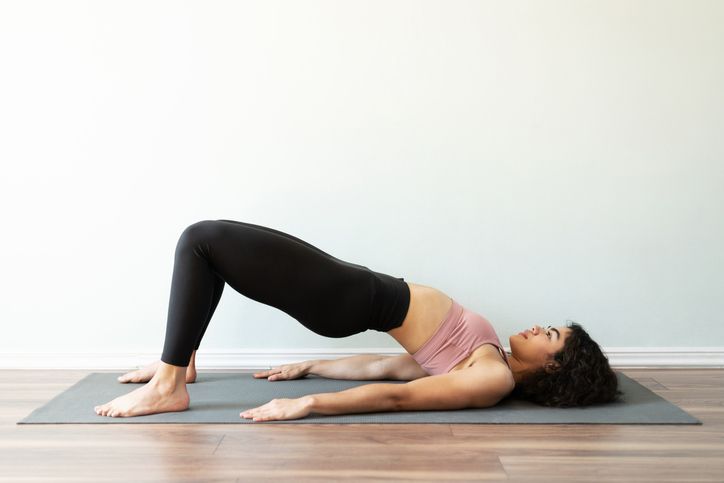
1. Kegel Training Lie on your back with knees bent, feet on the floor. Inhale and contract the pelvic muscles (avoid squeezing your thighs or abs), hold for 4–5 seconds, then exhale and relax. Repeat as needed.
Kegel exercises are great for targeting the pelvic floor, but many women struggle to find the right muscles. Vaginal balls can help guide you to the proper motion.
2. Heel Raises Stand with hands on hips. Rise onto your toes while contracting the vaginal muscles, then slowly lower and repeat.
4. Important Precautions
1. Can I Use Them Right After Giving Birth?
Not immediately. Wait until postpartum bleeding has stopped and any wounds have healed—usually at least 3 months—and consult a doctor first.
2. Are There Any Risks?
Because these devices are reused and inserted internally, poor hygiene can lead to infections or conditions like vaginitis. Always clean thoroughly before and after use.
3. Who Should Avoid Using Them?
• During menstruation (wait at least 3 days after it ends)
• During pregnancy
• If you have any infections, unexplained bleeding, or wounds
• If you have tight pelvic floor muscles (consult a doctor first)
• If you feel any discomfort or pain during use—stop immediately
4. What If the Ball Keeps Slipping Out?
It may be too heavy. Start with lighter balls and increase weight gradually. Also, limit use to 10 minutes at first. Even when experienced, avoid sessions longer than 30 minutes. If discomfort occurs, stop immediately.
5. Other Tightening Products on the Market
Besides kegel balls, other products like tightening gels and pills are widely marketed.
Vaginal Tightening Gels
Often advertised as all-natural, these gels are applied externally and absorbed through the skin. However, be cautious—some may contain high levels of estrogen or unapproved ingredients. Stick to reputable brands with proper certification.
Tightening Pills
Two types exist:
• Oral Pills: Taken by mouth, but effects may vary and might irritate the digestive system.
• Suppository Capsules: Inserted directly into the vagina with a finger cot. These must be used hygienically to avoid infections.
Always choose certified, reputable products to avoid health risks.
免費體驗
Fotona Vaginal Tightening Machine
1 Minute Self-Registration
Date should not be before minimal date
6. Want a Faster, Safer, More Effective Solution? Try Fotona Vaginal Tightening!
Not a fan of long-term routines? Worried about product safety? If vaginal balls, gels, and pills sound like too much hassle, there’s a professional option that’s safe, effective, and shows results quickly—Perfect Medical’s Fotona Vaginal Tightening Machine Treatment.
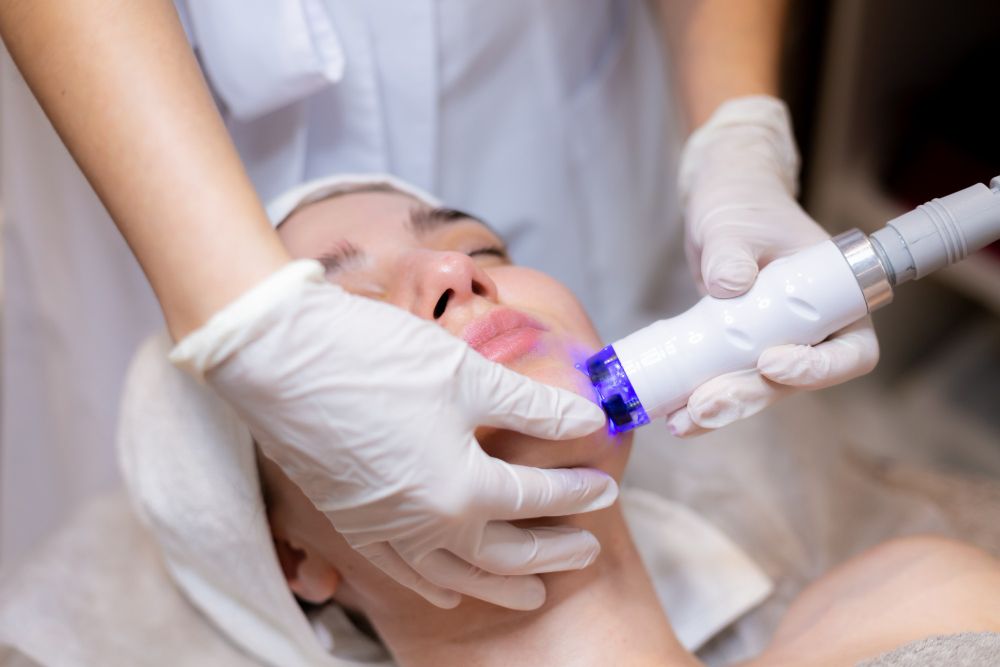
This clinically proven procedure uses a sterile laser probe inserted into the vaginal canal. It delivers gentle thermal energy in a precise pattern, stimulating collagen production in the vaginal tissue. The result? Tighter, firmer vaginal muscles and improved tone—with the added bonus of brightening the outer labia.
The treatment is non-invasive, customizable, and safe. Many women notice a visible improvement after just one session. If you’re looking for a convenient, effective solution, this could be your answer.
Get Yours Now: Perfect Medical Fotona Vaginal Tightening Machine免費體驗
Fotona Vaginal Tightening Machine
1 Minute Self-Registration
Date should not be before minimal date
FAQ

Is vaginal laxity caused by frequent sex?
No—vaginal muscles are naturally elastic. The main causes of laxity include pregnancy, childbirth, aging, and lifestyle factors.
What are vaginal tightening balls?
Small weighted devices designed to be inserted into the vagina to strengthen pelvic floor muscles through voluntary or involuntary contractions.
Do they really work?
Yes, but only with regular use. They're not a quick fix, but can help improve muscle strength over time when used consistently.
Are there other tightening products?
Yes—gels and pills are also common, but make sure to choose medically approved, certified options to avoid health risks.
How does the Fotona treatment work?
It uses thermal laser energy to stimulate collagen production in the vaginal walls, tightening the tissue and improving issues like laxity and urinary frequency.