- Home
- Trend
- Weight Loss Strategies
- Acne Tips
- Hair Health Information
- Blemish Removal Tips
- Acne Scar Removal Tips
- Muscle Building Techniques
- Intimate Care Tips
- Postpartum Intimate Care
- Eye Bags Wiki
- Tips for Face Slimming
- Secret of Permanent Hair Removal
- Breast Enlargement Tips
- Cure to Snoring
- Marionette Lines
- Skin-Tightening Secrets

Vaginal care is often overlooked—many women don’t think about it until they start experiencing discomfort, looseness, urinary leakage, or frequent urges. But just like skincare or fitness, maintaining your intimate health matters too. In this guide, we’ll break down the differences between weighted and vibrating vaginal balls, and introduce 7 targeted pelvic floor moves to help you tone and tighten from the inside out.

1. Who Should Use Vaginal Tightening Balls?
Most women don’t realize the importance of vaginal tightening—or assume it's only necessary after childbirth. But in reality, factors like natural body composition, giving birth, menopause, excess weight, and even chronic constipation can weaken the pelvic floor and cause vaginal laxity. This can affect sensitivity during sex and overall intimate wellness.
Vaginal care isn’t widely discussed, but once you understand that tightening exercises can help prevent urine leakage, dryness, and discomfort, you’ll see why “vaginal fitness” is essential self-care.
2. What Causes Vaginal Laxity? Read This Before Buying Tightening Balls
1. Naturally Looser Vaginal Structure
Just like how some people are born with more flexible joints, some women naturally have thinner or looser vaginal walls. This can change further with age, activity level, and how well you take care of your body. If you’re naturally less toned in this area, you may find vaginal tightening helpful as you get older.
2. Childbirth
Postpartum is one of the most common times when vaginal laxity becomes noticeable. Natural birth stretches the birth canal significantly, but even women who undergo C-sections aren’t exempt—pregnancy hormones cause pelvic tissues to relax regardless of delivery method. Women who have given birth multiple times typically benefit the most from tightening practices.
3. Aging, Menopause, and Hormonal Changes
As estrogen levels drop during menopause, the body produces less collagen and loses elasticity. This leads to sagging skin, including the face, abdomen—and yes, the vaginal area. The vaginal wall can thin out, become wider, drier, and even itchy.
4. Excessive Stretching of the Vaginal Canal
The vagina is naturally elastic, but repeated or intense stretching over time can reduce its ability to bounce back. Every woman’s body responds differently, so some may take longer to regain tightness after intercourse. It’s important to be mindful and gentle during intimacy.
5. Weak Pelvic Floor Muscles
The pelvic floor is a web of muscles that supports the uterus, bladder, and intestines. When it weakens—due to aging, childbirth, or inactivity—it can lead to organ sagging, urinary leakage, and vaginal looseness. Strengthening the pelvic floor is a key part of any tightening routine.
6. Obesity and Chronic Constipation
Carrying extra weight or dealing with long-term constipation puts pressure on your pelvic floor, weakening it over time. If you’ve ever experienced bloating that feels like pelvic discomfort, you’ll understand how sensitive this area is. Left unchecked, this can even lead to uterine prolapse.
免費體驗
Fotona Vaginal Tightening Machine
1 Minute Self-Registration
Date should not be before minimal date
3. So, How Do You Tighten the Vaginal Area?
Whether you're experiencing symptoms or want to prevent them, there are three common approaches: exercise, tools, and professional treatments.
The most accessible method is pelvic floor training, also known as Kegel exercises. You can do them anytime—sitting, standing, or lying down. Doctors recommend holding a gentle contraction (like you’re trying to stop urine flow) for 5 seconds at a time, repeating 30 times a day. This improves muscle control, helps prevent leakage, and enhances intimate sensation.
4. When Should You Start Kegel Exercises?
There’s no specific age requirement—every woman can benefit. Doctors suggest incorporating Kegels into your daily routine regardless of age. They enhance muscle control and sensitivity, which can also lead to better orgasms and improved sexual health.
How to Perform Kegels:
1. You can do them sitting, standing, or lying down.
2. Start by gently contracting your anus, then focus on the front vaginal area.
3. Hold the contraction for 5 seconds, or as long as comfortable.
5. 7 Moves to Boost Tightness and Strengthen Your Pelvic Floor
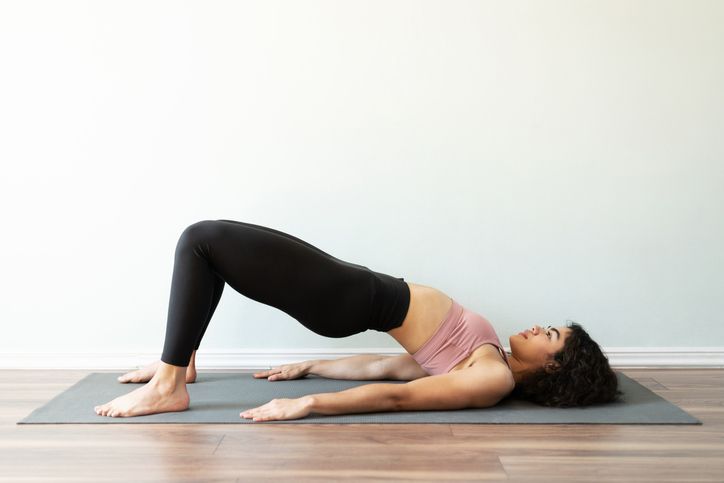
1. Pelvic Lift (Glute Bridge Focus)
Lie on a yoga mat. Place your hands on your lower abdomen. Contract your anal muscles like you’re trying to hold in urine. Build up the intensity, then push downward toward your bladder. Relax and repeat.
2. Toe Tap with Bent Knees
Lie on your back, raise your legs, and bend your knees at 90 degrees. Keep your lower back flat on the mat. Slowly tap your toes to the floor, alternating legs, while engaging your core. Repeat for 30 seconds.
3. Butterfly Leg Openings
With your legs in the same 90-degree position, gently open and close your knees in the air. Keep your core engaged and perform the move for 30 seconds.
4. Single-Leg Opener
From the same raised-knee position, keep one leg stable while opening the other outward, then return. Alternate legs for 30 seconds.
5. Pillow Squeeze
Lie on your back, knees bent. Place a pillow between your thighs. Squeeze the pillow while exhaling, then relax as you inhale. Repeat for 30 seconds.
6. Side-Lying Leg Raise
Lie on your side with a pillow under your head. Bend the bottom leg and lift the top leg upward in a gentle arc, then lower. Do 15 seconds per side. Keep your upper body relaxed.
7. One-Leg Glute Bridge
Lie on your back with knees bent. Cross your left leg over your right knee. Use your glutes and core to lift your hips while exhaling. Lower as you inhale. Repeat 30 seconds per side, keeping your form stable.
免費體驗
Fotona Vaginal Tightening Machine
1 Minute Self-Registration
Date should not be before minimal date
6. Are Vaginal Balls Effective for Tightening? What Exactly Are They?
Also known as kegel balls or vaginal weights, vaginal tightening balls function much like dumbbells for your vaginal muscles. By inserting and holding them in place, the pelvic floor muscles are activated and strengthened, which may improve vaginal tightness and enhance bladder control over time.
These balls come in various weights. You typically insert them into the vagina for about 15 minutes per day, starting with the lightest option and progressing gradually—there’s no need to overdo it. Although some doctors say there’s currently no large-scale medical data proving their effectiveness, many women still find them helpful for pelvic training. Just make sure the product is thoroughly cleaned before use to avoid infection.
Can Virgins Use Vaginal Balls?
If you’re a virgin, it’s not recommended to use vaginal balls. The insertion process could tear the hymen or cause injury due to the narrower vaginal canal. However, virgins can still practice pelvic floor exercises like Kegels to strengthen muscles around the vagina and urethra, helping to prevent laxity in the future.
7. Two Types of Vaginal Tightening Balls: Gravity-Based vs. Vibrating
1. Gravity-Based Vaginal Balls — Dumbbells for Your Vagina
These are the most common type and work similarly to strength training weights. Usually oval-shaped or linked in pairs, they come in progressive weights, typically 49g, 75g, and 95g. Some models also offer different diameters. After thoroughly cleaning your hands and the balls, insert them into the vagina and wear them for 15–30 minutes per session. As you build control, you can increase the weight.
1.2. Crystal Vaginal Balls — With "Positive Energy"?
Crystal vaginal balls are made from various types of gemstones, shaped into smooth, oval weights that are inserted like the standard type. Some brands claim different crystals bring unique energies—such as improving relationships, boosting charisma, or even dispelling negative energy. It’s also said that the trace minerals from crystals can absorb through the skin to balance the body. However, there’s no scientific evidence supporting these healing effects when used internally.
2. Vibrating Vaginal Balls — Smart, App-Controlled Options
These tech-forward versions can vibrate and sometimes include pressure sensors that detect how much your vaginal muscles are squeezing. Some can even sync with mobile apps to track your progress. Their advantage is that they’re less likely to fall out and can provide stronger, more effective training for the pelvic floor.
8. 6 Common Questions About Vaginal Tightening Balls
1. Who Benefits Most from Using Vaginal Balls?
• Women experiencing vaginal laxity, weak orgasms, or low sexual satisfaction
• Those with urinary leakage, frequent urges, or incontinence
• Postpartum mothers
• Women experiencing vaginal dryness or discomfort
• Anyone who rarely exercises or doesn't train their lower body regularly (less than 3 times a week)
2. How Long Should You Use Them Each Time?
Once daily, for about 15–30 minutes is sufficient.
3. How Do You Use Them? When Should You Use Them?
After thoroughly cleaning your hands and the ball, use a squatting position to gently insert the ball into the vagina, leaving the retrieval cord outside. But don’t just sit still—movement is key. Walk around, do light chores, or engage in low-impact exercise while holding the ball in place with your muscles. Suggested activities during use:
• Walking
• Doing housework
• Walking the dog
• Gentle fitness routines
Bonus Tip: Try pairing vaginal balls with yoga for more advanced pelvic strengthening.
4. What If You Have Vaginal Dryness or Tightness and Can’t Insert It?
Apply a water-based lubricant to the vaginal opening or directly onto the ball to make insertion smoother and more comfortable.
5. What Does It Feel Like Inside?
At first, you might notice a foreign object sensation, which varies from person to person. Over time, you'll become accustomed to the gentle swaying and downward pull as you move with the ball inside.
6. Important Safety Reminders
• Always clean both your hands and the ball before and after use to prevent infection
• Apply water-based lube to ease insertion
• Start with lighter weights and increase gradually to avoid strain
免費體驗
Fotona Vaginal Tightening Machine
1 Minute Self-Registration
Date should not be before minimal date
9. Professional Vaginal Tightening: What is the Fotona Vaginal Laser Treatment?
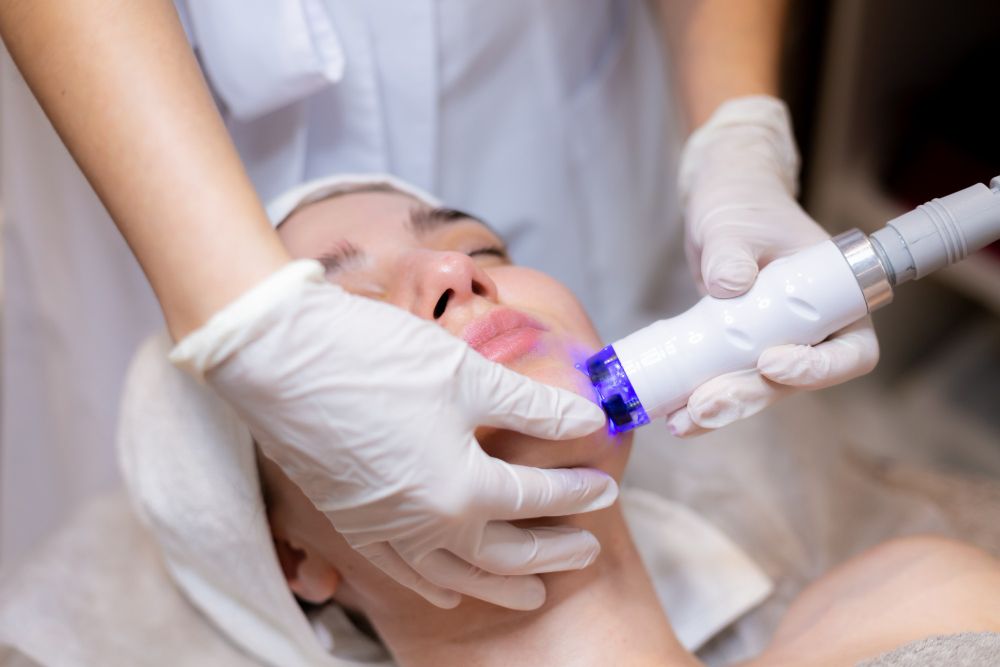
If you're looking for a medically backed solution to vaginal laxity, consider the Fotona vaginal laser. This non-invasive aesthetic treatment uses a special probe inserted into the vagina that emits 360° laser energy to stimulate the vaginal walls. It promotes collagen production, naturally thickens the tissue, and gently lifts the pelvic floor. It’s designed to treat:
• Vaginal looseness
• Frequent urination or leakage
• Mild incontinence
By rejuvenating the vaginal tissue, this treatment improves tightness, lubrication, and overall intimate health.
10. Concerned About Infections From Vaginal Balls? Try Fotona Instead
If you're frustrated by issues like vaginal laxity, reduced sensation, difficulty achieving orgasm, or unsatisfying intimacy—you're not alone. While many women start with tightening balls, Fotona's vaginal rejuvenation treatment may be a better option.
Vaginal balls are cheaper but come with uncertain results and infection risks due to daily insertion. In contrast, Fotona’s treatment is FDA-cleared, CE-certified, and uses the world’s only 360° golden ring laser emission technology. Its fractional laser stimulates collagen renewal inside the vagina, resulting in a firmer, plumper, and better-lubricated intimate area. Bonus: it also helps improve pigmentation and reshape the vulva, restoring a healthier, pinker appearance.
The procedure takes just 8–10 minutes, far quicker and safer than the ongoing maintenance required by vaginal balls. With fewer risks and more visible results, Fotona is a smarter choice for many women.
Want to learn more? Click the link below to explore the Fotona treatment and enjoy a special first-time trial offer—available for a limited time only.
免費體驗
Fotona Vaginal Tightening Machine
1 Minute Self-Registration
Date should not be before minimal date
FAQ

Who needs vaginal tightening?
Many women do—for reasons like natural body structure, childbirth, menopause, weight gain, and even constipation. These can all affect muscle tone and collagen levels, leading to dryness, discomfort, or more frequent infections. Over time, vaginal health impacts overall quality of life.
What causes vaginal laxity?
Naturally looser vaginal structure
When should you start Kegel or tightening exercises?
Any time! Doctors agree there’s no minimum or maximum age—women of all ages benefit from pelvic floor training. It strengthens your lower body control, prevents sagging and dryness, boosts sensitivity, and improves bladder function.
How do you do Kegels or pelvic floor exercises?
The simplest method is the “anal lift” (Kegel). You can do it sitting, standing, or lying down. Just contract the anal area, then focus on tightening the vaginal front as well. Hold for about 5 seconds, or as long as you can, and repeat 30 times per day whenever you remember.
What treatments are available for vaginal tightening?
When symptoms of dryness, sagging, or laxity appear, many try vaginal balls—but as there’s no scientific proof they’re effective, it’s better to choose a certified medical option like the Fotona treatment. It’s the only global system with 360° golden ring laser emission, and it can rejuvenate both the vaginal canal and outer area, enhancing tightness, moisture, and tone.