- Home
- Trend
- Weight Loss Strategies
- Acne Tips
- Hair Health Information
- Blemish Removal Tips
- Acne Scar Removal Tips
- Muscle Building Techniques
- Intimate Care Tips
- Postpartum Intimate Care
- Eye Bags Wiki
- Tips for Face Slimming
- Secret of Permanent Hair Removal
- Breast Enlargement Tips
- Cure to Snoring
- Marionette Lines
- Skin-Tightening Secrets

Ladies, ever find yourself constantly running to the bathroom? You just went, but suddenly feel the urge again—and even after peeing, it still feels like something’s left in your bladder? These could be early signs of urinary frequency, and they’re not to be ignored. Left untreated, it can lead to urinary incontinence, disrupting your daily life in a big way.

1. What Is Urinary Frequency?
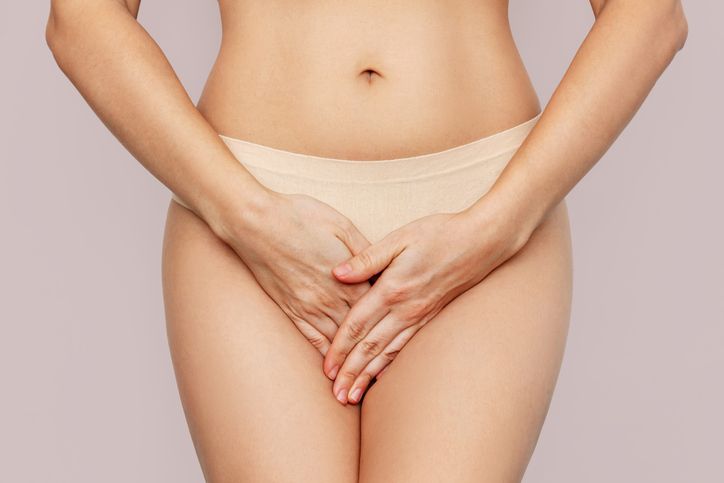
Urinary frequency refers to the frequent and sudden urge to pee—even if your bladder isn’t full. You might feel like you need to go again right after using the bathroom. This loss of bladder control is often linked to a condition called overactive bladder (OAB), which can be extremely uncomfortable and frustrating for women.
2. How Often Is Too Often?

So how do you know if you're urinating too frequently?
According to medical professionals, if you’re going to the bathroom eight times or more in a 24-hour period, it may be a sign of urinary frequency.
Also, most people don’t need to wake up to pee during the night. If you’re waking up more than once to urinate, and it's affecting your sleep, it could be your body's way of warning you that something’s off.
免費體驗
BTL Emsella Treatment
1 Minute Self-Registration
Date should not be before minimal date
3. 4 Common Causes of Frequent Urination
If you want to treat urinary frequency effectively, you need to get to the root cause. Here are four of the most common culprits:
1. Urinary Tract Infections (UTIs)
UTIs—including bladder infections and urethritis—are one of the most common causes of urinary frequency. When bacteria enter the urinary tract, even a small amount of urine can trigger a strong, urgent need to go. It often comes with pain during urination and a burning sensation.
In fact, studies show that most women experience at least one UTI in their lifetime. Common triggers include not drinking enough water, holding in urine for too long, or wiping incorrectly after using the bathroom—all of which can introduce bacteria.
2. Overactive Bladder (OAB)
Women with OAB experience frequent, involuntary bladder muscle contractions. These cause a constant urge to urinate—even if the bladder isn’t full—and often result in incomplete emptying. If the bladder becomes too weak to contract properly, it may lead to urinary incontinence as well.
3. Pregnancy
In early pregnancy, the growing uterus can press against the bladder, making it feel fuller and more sensitive. Many expectant moms experience frequent urination—sometimes going over a dozen times a day. In the later stages of pregnancy, the baby’s head may again compress the bladder, leading to frequent peeing, leakage, or even incontinence.
4. Pelvic Floor Muscle Weakness
The pelvic floor muscles support several organs including the bladder, uterus, and intestines. Natural childbirth can stretch or weaken these muscles, especially if the pelvic organs are pulled during delivery. When these muscles lose tone, they can no longer properly support the bladder and urethra, leading to issues like frequent urination or leakage.
4. Symptoms to Watch Out For
Not sure if you’re experiencing urinary frequency? Here are some signs to look out for:
• You need to strain or push to empty your bladder
• Each urination lasts more than 15 seconds
• You have either very small or very large amounts of urine
• Your urine flow stops and starts
• You go to the bathroom more than 8 times a day
5. How to Manage and Improve Urinary Frequency
Urinary frequency can seriously disrupt your daily life and emotional well-being. Many women avoid travel or social events for fear of leaks or constantly needing a bathroom. That’s why it’s important to seek help early. Common treatment approaches include:
1. Medication
If the issue is caused by a bacterial infection, doctors typically prescribe antibiotics to treat the infection and medications to relax the bladder muscles. These help reduce spasms and allow you to regain control over your pelvic floor, which helps prevent leaks and incontinence.
2. Acupuncture
Yes—acupuncture can help. If your urinary frequency is due to overactive bladder syndrome, acupuncture may improve bladder control and reduce incontinence.
3. Stress Relief
Mental and emotional stress can aggravate urinary frequency. When stress builds up, the bladder becomes more reactive. Regular exercise, deep breathing, or engaging in relaxing activities can help manage stress and reduce symptoms like urgency and leakage.
4. Avoid Diuretics Before Bed
To cut down on nighttime bathroom trips, avoid drinking diuretic beverages like coffee, green tea, and black tea in the evening. These drinks contain caffeine, which stimulates urine production. Consuming them before bed can make you get up frequently at night, affecting your sleep and worsening urinary frequency.
免費體驗
BTL Emsella Treatment
1 Minute Self-Registration
Date should not be before minimal date
6. 5 Foods That Help Improve Urinary Frequency and Support a Healthy Urinary Tract
For many women, frequent urination can feel like an embarrassing, unspoken struggle. Whether at work or out with friends, the constant urge to locate the nearest restroom can be stressful — especially with the worry of a possible accident. While there are many causes behind urinary frequency, diet plays a surprisingly important role. In fact, some everyday foods can actually help strengthen your urinary system and ease symptoms. Here are five to try:
1. Pomegranate
Rich in anthocyanins, pomegranates offer powerful antioxidant benefits that help prevent bacteria from clinging to the urinary tract. This makes them effective in lowering the risk of UTIs — one of the main culprits behind frequent urination. To boost urinary health, try snacking on fresh pomegranate seeds, or blend the fruit with 500ml of water for a delicious, health-boosting juice.
2. White Pepper
White pepper is commonly known for warming the body and improving circulation, but it can also help reduce urinary frequency — especially in women who often feel cold or have poor blood flow (a condition often associated with a “cold” body constitution in Traditional Chinese Medicine). By strengthening the spleen and boosting yang energy, white pepper may reduce that constant urge to visit the restroom.
3. Pumpkin Seeds
Pumpkin seeds are antioxidant-rich and support both heart health and blood sugar regulation. In TCM, frequent urination is often a sign of kidney deficiency. Pumpkin seeds help strengthen the kidneys and lower back, easing symptoms like urgency and incomplete urination.
4. Chinese Chives
From a TCM perspective, Chinese chives help warm the kidneys, boost energy, and aid digestion — making them great for addressing urinary frequency related to kidney weakness. Try stir-frying them with seafood for a nutritious, yang-boosting meal.
5. Ginkgo Nuts
Ginkgo nuts have astringent properties that help reduce dampness in the body, making them effective for easing urinary frequency, urgency, and even cloudy urine. They may also help with excessive vaginal discharge. However, be cautious — overconsumption can be toxic, and they’re not recommended for children.
7. 2 Simple Home Remedies to Improve Urinary Frequency
In addition to incorporating the above foods into your diet, there are two easy, nourishing dishes you can prepare at home to help restore balance to your urinary system. These remedies are especially helpful for addressing kidney deficiency and improving bladder control.
1. Chilled Yam & Mushroom Salad
Yam, lotus root, and taro are rich in natural mucilage that supports bladder lining health and helps prevent urinary leakage.
Recipe:
You’ll need Chinese yam, ginger, scallions, and enoki mushrooms.
• Wash all ingredients thoroughly.
• Slice the yam and ginger into strips and chop the scallions.
• Blanch the yam and mushrooms in boiling water until cooked, then cool.
• Toss with 1 tsp sesame seeds, 1 tsp mirin, and the chopped scallions. Serve chilled!
2. Lotus Seed & Black Date Tea
Lotus seeds and black dates are known for tonifying the spleen and kidneys, improving energy, and calming the mind — making this tea a great daily wellness drink.
Recipe:
• Simmer a few lotus seeds and black dates in about 500ml of water for 10 minutes over medium heat.
• Enjoy warm for a soothing herbal tonic.
8. Strengthen Your Pelvic Floor with the Perfect Medical BTL Emsella Chair Treatment
Frequent urination might seem like a minor inconvenience, but over time, it can significantly impact a woman’s quality of life. One of the key causes of frequent urination is weakened pelvic floor muscles, which can lead to urinary leakage and urgency.
That’s where the BTL Emsella Chair Treatment from Perfect Medical comes in. This non-invasive treatment uses advanced HIFEM® (High-Intensity Focused Electromagnetic) technology to awaken and strengthen pelvic floor muscles in just 30 minutes. It’s especially helpful for women experiencing symptoms after childbirth — such as vaginal laxity, urinary frequency, or leakage.
Best of all, the procedure is quick, fully clothed, and totally discreet. Just sit comfortably on the chair for 30 minutes — no downtime, no embarrassment. It’s an ideal solution for busy women seeking effective, professional care. Don’t wait — click the link below to book your BTL Emsella Chair Treatment experience today!
Book Today: Perfect Medical BTL Emsella Treatment免費體驗
BTL Emsella Treatment
1 Minute Self-Registration
Date should not be before minimal date
FAQ

Why do women experience frequent urination?
Urinary tract infections (UTIs), such as cystitis or urethritis, are a common cause. Bacteria entering the bladder can make the urinary tract overly sensitive, triggering frequent urges even when the bladder isn’t full. Overactive bladder syndrome (OAB) is another cause, where weak bladder muscles contract involuntarily, leading to urgency and incomplete emptying. Pregnant women often experience this too, especially as the growing baby begins to press on the bladder in later stages.
Why is frequent urination so common during pregnancy?
In the first trimester, hormonal changes and increased metabolism make pregnant women more likely to urinate frequently. Later in pregnancy — particularly after the 7th month — the enlarged uterus and baby’s head begin pressing directly on the bladder, causing more frequent urges.
How can I manage frequent urges to urinate?
Treatment depends on the cause. If it’s due to infection, doctors may prescribe antibiotics and medication to control bladder spasms. Acupuncture may also help regulate bladder activity, particularly in cases of overactive bladder.
What foods can help with urinary frequency?
Pomegranates, white pepper, pumpkin seeds, and Chinese chives all have benefits. These foods either help prevent infections, warm the body, or support kidney health — key elements in TCM for managing frequent urination.
How does the BTL Emsella Chair Treatment help improve frequent urination?
The Emsella Chair Treatment strengthens pelvic floor muscles quickly and effectively. It’s particularly helpful for women experiencing postpartum symptoms like laxity or urinary leakage. Using focused electromagnetic energy (HIFEM®), it stimulates and tones the pelvic muscles without any invasive procedures. The treatment is comfortable, fully clothed, and takes just 30 minutes — perfect for busy lifestyles.