- Home
- Trend
- Weight Loss Strategies
- Acne Tips
- Hair Health Information
- Blemish Removal Tips
- Acne Scar Removal Tips
- Muscle Building Techniques
- Intimate Care Tips
- Postpartum Intimate Care
- Eye Bags Wiki
- Tips for Face Slimming
- Secret of Permanent Hair Removal
- Breast Enlargement Tips
- Cure to Snoring
- Marionette Lines
- Skin-Tightening Secrets

Urinary leakage is an extremely common issue among women. In fact, some doctors estimate that 7 to 8 out of every 10 middle-aged women experience symptoms like urine leakage, urgency, or incontinence. Just because it’s common doesn’t mean it should be ignored—urine leakage is a sign that the pelvic floor muscles are weakening or losing control. If left untreated, it can significantly impact your quality of life and overall health. Fortunately, there’s a simple technique that may help you manage mild leakage on your own.

1. What Is Urinary Leakage?
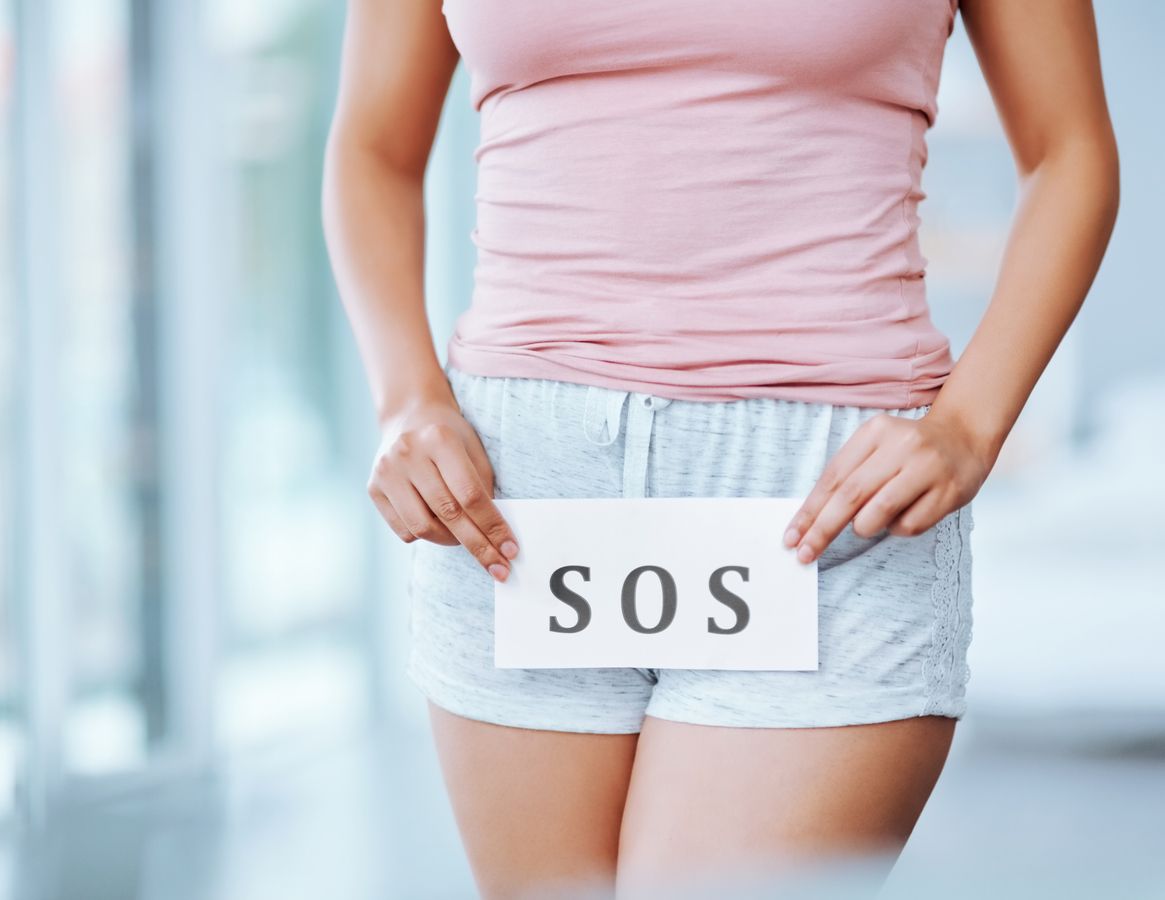
Urinary leakage (also known as urinary incontinence) is much more common in women than in men—women are actually twice as likely to experience it. It can happen when sneezing, coughing, laughing, running, during sex, or even just from hearing the sound of running water.
Mild leakage occurs when you’re able to suppress the urge to urinate or stop the flow by sitting down or crossing your legs. If you can’t control the urge and leakage occurs without warning, it may be considered more severe incontinence.
2. The 4 Main Types of Female Urinary Leakage

1. Urge Incontinence (Overactive Bladder)
Common in: Women of all ages
Urge incontinence is often caused by an overactive bladder, poor muscle coordination, or involuntary bladder contractions.
Symptoms include:
• Frequent urges to urinate
• Sudden urgency, even with only a small amount of urine
• Nighttime urination (nocturia), which disrupts sleep
• Occasional urinary leakage
2. Functional Incontinence
Common in: Elderly individuals or those with mobility or cognitive impairments
In this case, bladder function is typically normal, but due to physical limitations or cognitive issues, the person is unable to reach the toilet in time, leading to leakage.
3. Stress Incontinence
Common in: Middle-aged and pregnant women
Leakage occurs during physical activities that increase abdominal pressure—like coughing, sneezing, laughing, or lifting heavy objects.
Stress incontinence is particularly common among postpartum and menopausal women. Declining estrogen levels during menopause weaken the urethra and pelvic floor muscles, making bladder control more difficult. The combination of abdominal pressure and pelvic floor weakness makes it harder to hold in urine.
4. Overflow Incontinence
Common in: Women with diabetes, nerve damage, or neurological conditions
This occurs when the bladder fails to empty completely, and as it fills up, small amounts of urine begin to leak.
Unlike urge incontinence, overflow incontinence stems from reduced bladder activity and sensation. People with this condition often feel like they can’t empty their bladder fully, and as the bladder fills, leakage occurs—especially common in those with diabetes or nerve sensitivity issues.
免費體驗
BTL Emsella Treatment
1 Minute Self-Registration
Date should not be before minimal date
3. Is My Urinary Leakage Caused By Drinking Too Much Water?
Urinary leakage is primarily linked to bladder function, pelvic floor muscles, and the nervous system. However, fluid intake does play a role. Many women with urinary incontinence also experience hot flashes during menopause or have diabetes, leading them to drink large amounts of water—sometimes up to five liters a day—to combat dehydration or overheating. If the bladder muscles are already weakened, this can worsen the symptoms.
That said, adults should still aim to drink at least 10 cups of water daily. Avoiding water out of fear of leakage is counterproductive. Instead, it’s better to identify the root cause of the issue and address it directly.
8 Common Causes of Female Urinary Incontinence
1. Weak Pelvic Floor Muscles—Common After Childbirth
The pelvic floor supports the lower body and controls the muscles of the urethra and vagina. After childbirth, particularly multiple deliveries, these muscles can weaken and sag, reducing bladder control and sometimes even leading to prolapse of the bladder or uterus.
2. Menopause
Hormonal changes during menopause accelerate muscle aging and collagen loss. This causes the tissues around the vagina and urethra to thin and dry out, weakening the pelvic floor and reducing bladder control. Women who are less active are at higher risk.
3. Psychological Stress
Stress can lead to overactive bladder symptoms. For example, a teenage girl once developed frequent urges and incomplete emptying due to intense pressure. Chronic stress disrupts hormonal balance and affects the nervous system, increasing the risk of bladder issues.
4. Urinary Tract Infections and Other Conditions
Infections like cystitis or urethritis can trigger frequent urination and leakage. Conditions like diabetes, stroke, or spinal injuries—anything that affects nerve control—also raise the risk. Diabetic patients, in particular, often drink excessive fluids due to persistent thirst, worsening leakage symptoms.
5. Caffeine and Medication Side Effects
Caffeine, alcohol, spicy foods, and some medications can stimulate the bladder, leading to increased urgency or leakage. Reducing caffeine is helpful, but don’t cut back on water—concentrated urine can irritate the bladder and worsen the problem.
6. Constipation
Straining due to constipation increases abdominal pressure and weakens the pelvic floor. Accumulated stool in the colon can compress the bladder, contributing to stress incontinence.
7. Being Overweight
Excess weight places additional strain on the pelvic floor, especially for women with central obesity and poor muscle tone. This increases the likelihood of incontinence and overactive bladder symptoms.
8. Other Factors: Chronic Coughing & Heavy Lifting
Frequent sneezing, coughing, or lifting heavy objects increases intra-abdominal pressure, which can trigger stress incontinence.
4. When Should I See a Doctor for Urinary Leakage? Can Mild Cases Be Managed at Home?
Mild incontinence can sometimes be managed without medical treatment. If it's the first occurrence, short-lived, and clearly linked to a specific trigger (like pregnancy, menopause, or medication), lifestyle changes and pelvic floor exercises may be enough.
Start by avoiding excessive caffeine, pacing water intake, and resisting the urge to urinate immediately after feeling pressure. Pelvic floor exercises, like Kegels, can help strengthen the muscles and reduce symptoms.
However, if the leakage persists and affects sleep or daily life, it’s time to consult a doctor. Severe incontinence may require surgical treatment.
Doctor’s Tip: Kegel Exercises to Prevent Leaks
Kegel exercises, also known as pelvic floor muscle training, help strengthen the muscles that support the bladder, vagina, and rectum.
How to Do It:
1. You can do it lying down, sitting, or standing—knees slightly apart and your core relaxed.
2. Focus on your pelvic muscles, especially around the anus.
3. Squeeze as if you're trying to stop urinating or passing gas.
4. Hold for 10 seconds (or as long as you can), then relax. Repeat 5–10 times per session.
5. Daily Tips to Manage Urinary Incontinence
1. Build Healthy Bathroom Habits
Overthinking urination can lead to stress and worsen symptoms. If you have an overactive bladder, try setting a regular schedule for water intake and bathroom visits. Avoid rushing to the toilet at the first urge—try to wait 10 minutes to help retrain your bladder. A normal interval is 2–4 hours.
2. Lifestyle Tweaks That Help
Prevent constipation, maintain a healthy weight, reduce caffeine, avoid allergens that trigger coughing or sneezing, and minimize lifting heavy objects.
3. Pelvic Floor Exercises & Postpartum Care
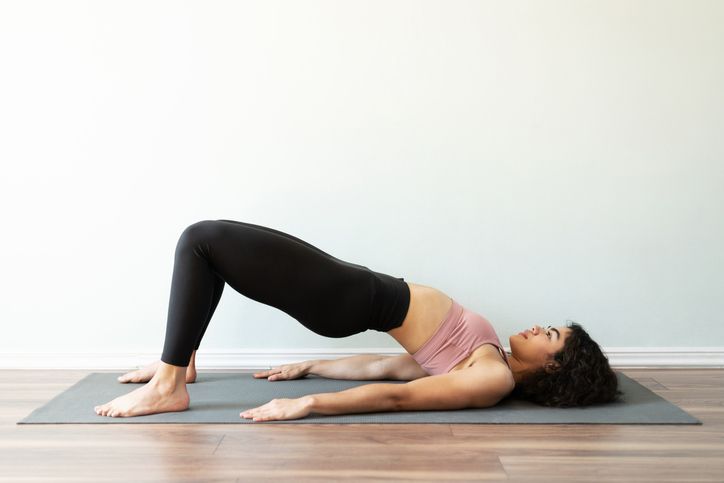
Though it may seem minor, incontinence can seriously impact quality of life. Strengthening the pelvic floor with exercises like Kegels or hip bridges helps restore control over the urethra and vagina. Postpartum women, in particular, can see major improvement with proper rehabilitation of their core and pelvic floor.
4. Avoid "Hovering" Over the Toilet or Urinating in the Shower
Many women "hover" over public toilets to avoid contact with the seat. But this engages the core muscles and increases abdominal pressure, which goes against the relaxed posture needed for urination. Over time, this can weaken the pelvic floor. Also, avoid peeing in the shower or near running water—your brain may start associating the sound with urination, which could lead to accidental leakage in the future.
免費體驗
BTL Emsella Treatment
1 Minute Self-Registration
Date should not be before minimal date
6. How Is Urinary Incontinence Treated?
Invasive Option: Minimally Invasive Surgery
For severe cases that don’t improve with lifestyle changes, surgery may be needed. The most common procedure involves placing a sling under the urethra to provide support, especially during activities that increase abdominal pressure like coughing or lifting.
Non-Invasive Options
1. Physical Therapy
Most mild to moderate cases can be improved through pelvic floor muscle training. A physiotherapist may guide you through exercises or use devices to help stimulate and strengthen the muscles.
2. "Weighted" Vaginal Training
Therapists may also use methods like electrical stimulation or inserting weighted cones into the vagina to enhance muscle strength and control.
3. Perfect Medical’s BTL Emsella Treatment
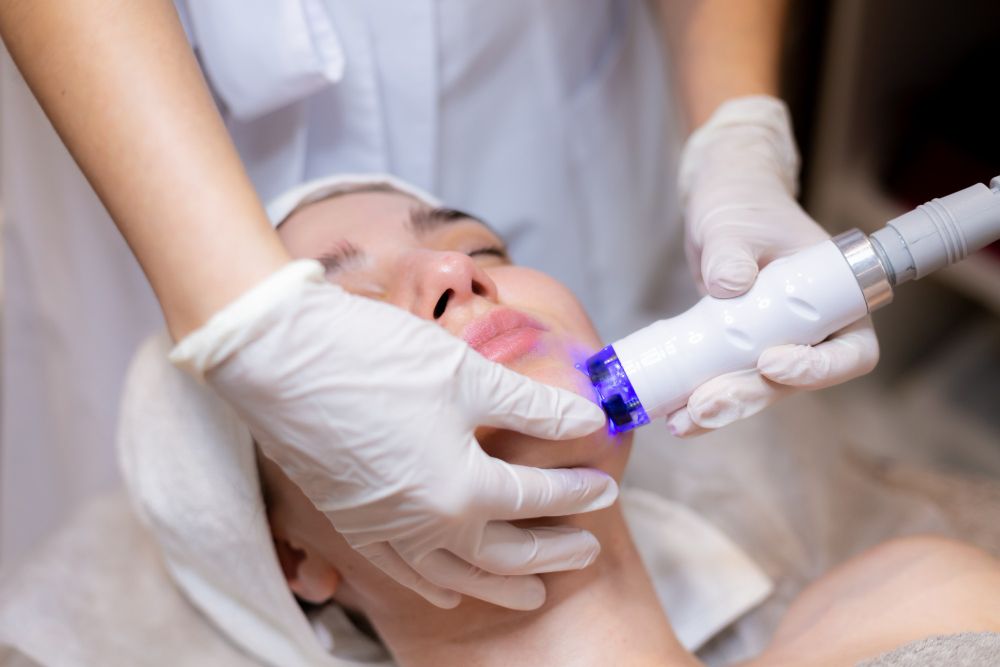
Don’t underestimate bladder and pelvic floor weakness—leakage can be distressing and isolating. Perfect Medical’s BTL Emsella Treatment uses non-invasive HIFEM (High-Intensity Focused Electromagnetic) technology to trigger rapid muscle contractions, simulating hundreds of Kegel exercises in just 30 minutes.
What to Expect
• No need to undress
• No internal devices
• Just sit comfortably for 30 minutes
• You’ll feel a gentle tightening sensation—no pain, no downtime
The treatment is designed to restore control over your pelvic muscles and help you regain confidence in both daily and intimate life. Want to try it for yourself? Click below for a free trial session—just 1 minute to sign up!
Claim Now: Perfect Medical BTL Emsella TreatmentResults may vary. Information provided by the manufacturer.
免費體驗
BTL Emsella Treatment
1 Minute Self-Registration
Date should not be before minimal date
FAQ

What causes urinary leakage?
Urinary leakage can be categorized into four main types: stress incontinence, urge incontinence, functional incontinence, and overflow incontinence. Among these, stress incontinence is the most common. It occurs when weakened pelvic floor muscles are unable to handle the added pressure from movements like lifting heavy objects, running, coughing, or sneezing. These actions increase abdominal pressure, which in turn raises pressure in the bladder and can lead to leakage due to loss of muscle control.
How does urinary leakage affect daily life?
Urinary leakage can have a serious impact on your quality of life. Many women avoid going out because they’re afraid of accidents in public. Even in hot weather, they might feel forced to wear long, dark clothing to hide any possible leaks. Some rely on pantyliners or adult diapers throughout the day, while others even resort to using towels in their underwear.
How can you improve or resolve urinary leakage?
Doctors estimate that around 80% of women with urinary leakage are dealing with mild cases—which means they can often be improved or even fully resolved with simple lifestyle changes and pelvic floor muscle exercises.
How do you do kegel exercises (pelvic floor muscle training)?
Kegel exercises—also known as pelvic floor muscle training or “lifting exercises”—are a highly effective way to strengthen the muscles around the anus, vagina, and urethra. These exercises help improve bladder control and are especially useful for managing incontinence and leakage.
What Is the BTL Emsella Treatment and How Does It Help?
Perfect Medical’s BTL Emsella Treatment uses HIFEM (High-Intensity Focused Electromagnetic) technology to stimulate the entire pelvic floor—non-invasively and without any discomfort. It triggers thousands of muscle contractions in just 30 minutes, mimicking the effects of doing hundreds of Kegel exercises in one session.