- Home
- Trend
- Weight Loss Strategies
- Acne Tips
- Hair Health Information
- Blemish Removal Tips
- Acne Scar Removal Tips
- Muscle Building Techniques
- Intimate Care Tips
- Postpartum Intimate Care
- Eye Bags Wiki
- Tips for Face Slimming
- Secret of Permanent Hair Removal
- Breast Enlargement Tips
- Cure to Snoring
- Marionette Lines
- Skin-Tightening Secrets

Is your sleep quality suffering? Is your partner kept awake every night by your loud snores? Snoring isn’t just annoying — it’s also a warning sign about your health. Don’t worry: saying goodbye to disruptive snores can start with something as simple as acupressure massage. But how exactly does massage help reduce snoring? Let’s break it down.

What Causes Snoring? How It Affects Your Sleep Quality
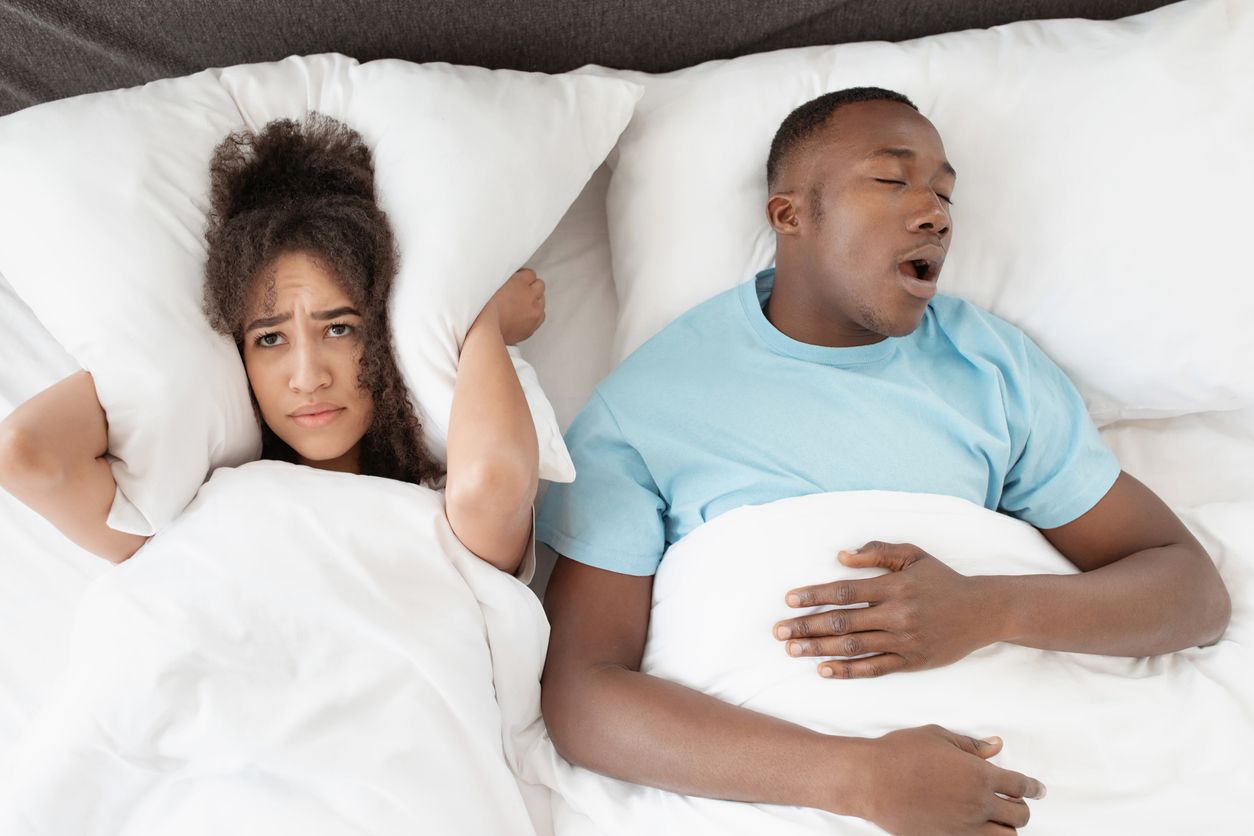
In simple terms, snoring happens when airflow passes through a narrowed airway during sleep, causing soft tissues to vibrate and produce sound. Think of air moving through a narrow tunnel — it naturally creates a “whoosh” or “humming” sound. Snoring works the same way.
Common causes of snoring include:
• Nasal congestion: From colds, allergies, rhinitis, or chronic sinusitis.
• Enlarged tongue or weak muscles: Often related to weight gain or aging.
• Structural issues in the airway: Such as enlarged tonsils or an elongated uvula.
• Lifestyle habits: Drinking alcohol or taking sedatives before bed can overly relax muscles and worsen snoring.
Types of snoring you may experience:
• Intermittent snoring: Happens occasionally, usually after drinking or when overly tired.
• Persistent snoring: Occurs nightly, often linked to chronic nasal congestion or structural airway problems.
• Obstructive Sleep Apnea (OSA): Loud, irregular snoring with pauses in breathing, leading to fatigue even after sleep.
Say Goodbye to Snoring with 3 Simple Acupressure Points
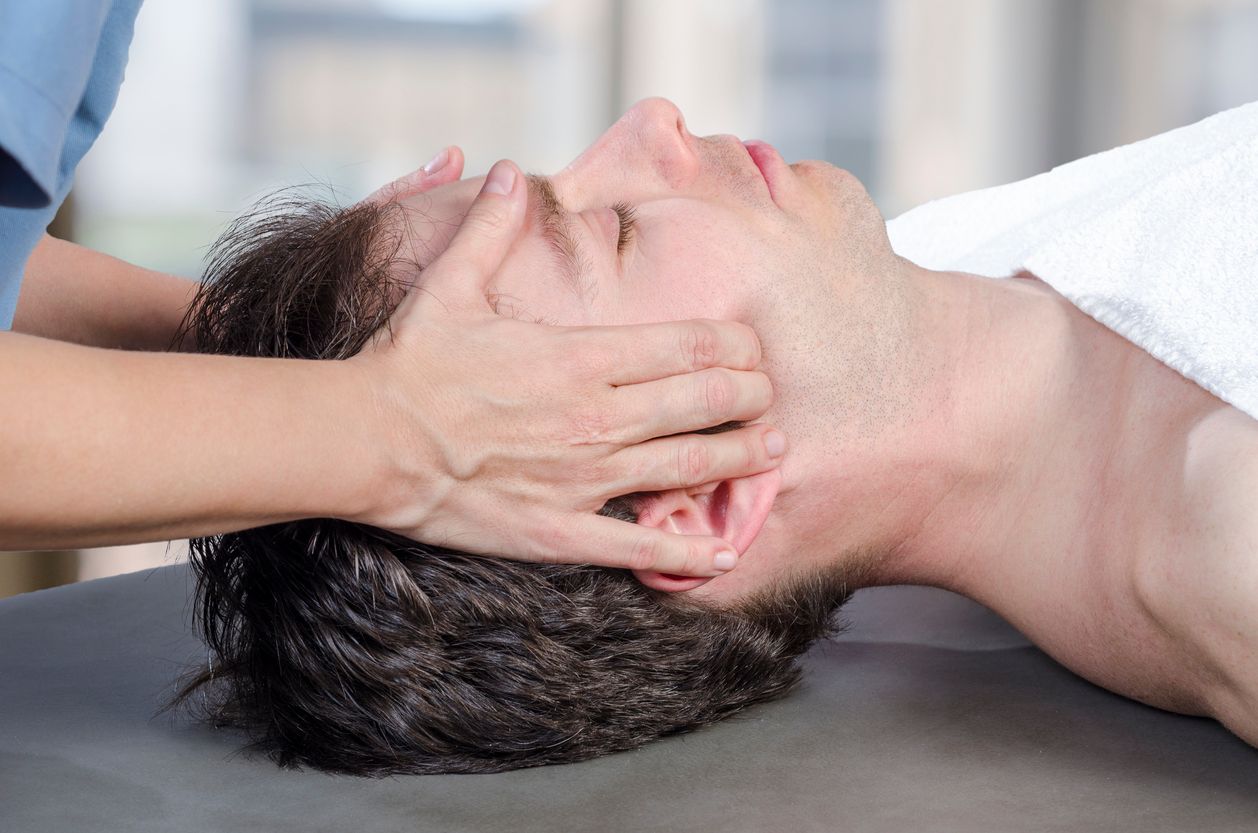
Acupressure, a traditional Chinese therapy, helps stimulate circulation, relax muscles, and open up the airways — making breathing smoother and snoring less likely.
Key acupressure points for snoring relief
Point 1: Yingxiang (迎香) — Clear nasal passages
○ Location: On either side of the nose, where laugh lines appear.
○ Massage: Press gently with fingertips in a circular motion for 1–2 minutes until you feel mild soreness.
○ Benefit: Relieves nasal congestion, eases rhinitis, and improves airflow.
Point 2: Yintang (印堂) — Relax and improve sleep quality
○ Location: Between the eyebrows.
○ Massage: Apply gentle circular pressure for 1–2 minutes.
○ Benefit: Calms the mind, reduces anxiety, and enhances sleep.
Point 3: Fengchi (風池) — Relax the neck and open the airways
○ Location: Below the base of the skull, at the hairline, in the hollow spots on both sides.
○ Massage: Press with your thumbs in a circular motion for 1–2 minutes until the neck feels relaxed.
○ Benefit: Relieves tension, eases headaches, and supports breathing.
Bonus Point: Hegu (合谷) — Overall relaxation
○ Location: On the back of the hand, between the thumb and index finger.
○ Massage: Press firmly toward the index finger side for 1–2 minutes on each hand.
○ Benefit: Helps relieve headaches, throat discomfort, and tension-related snoring.
Pro tips:
• Try using essential oils like lavender, peppermint, or eucalyptus for added relaxation.
• Best time to massage: 15–20 minutes before bed.
• Consult a doctor or Chinese medicine practitioner first, especially if pregnant or with high blood pressure.
免費體驗
Fotona 4D NightLase Snoring Treatment
1 Minute Self-Registration
Date should not be before minimal date
Beyond Acupressure: Lifestyle Changes to Reduce Snoring
• Create a bedtime routine: Adjust lighting, temperature, and humidity to improve sleep.
• Change your sleeping position: Side sleeping keeps the airway more open compared to lying on your back.
• Diet adjustments: Avoid alcohol and caffeine before bed. Eat more fruits, vegetables, and whole grains.
• Exercise regularly: Helps with weight control and strengthens breathing muscles.
• Other aids: Anti-snoring mouthguards or CPAP machines may help in specific cases (consult a doctor).
Who Is Most at Risk of Snoring or Blocked Airways?
1. Older adults
2. Overweight or obese individuals
3. People with chronic nasal allergies or congestion
4. Those with a history of sleep apnea
When Acupressure and Remedies Don’t Work: Fotona 4D NightLase Snoring Treatment
Traditional Chinese medicine often treats snoring by addressing body constitution and using massage techniques — but results vary widely. If you’ve already tried TCM, Western medicine, or countless anti-snoring gadgets without success, it’s time to learn about the Fotona 4D NightLase Snoring Treatment.
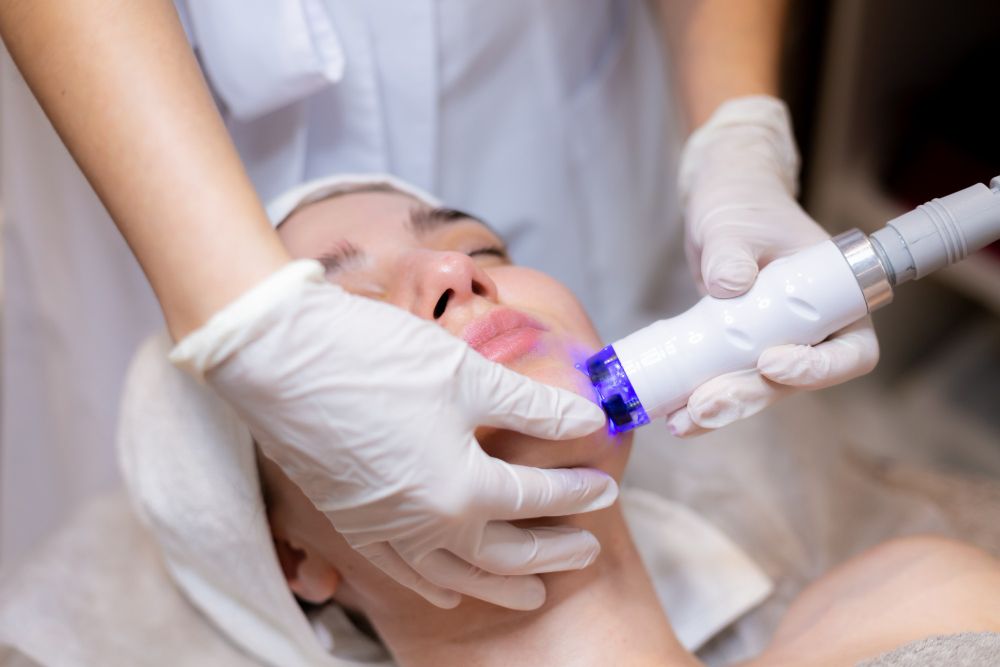
This is a non-invasive medical treatment that uses patented laser technology to gently tighten loose soft tissues, reducing airway obstruction. The result: smoother breathing, quieter nights, and better sleep for both you and your partner. The procedure is quick, painless, and highly effective — perfect for busy city lifestyles.
Benefits of Fotona 4D NightLase Snoring Treatment:
• Tightens soft tissues blocking the airway to reduce snoring
• Improves airflow and may help with sleep apnea symptoms
• Just 15 minutes per session, with results lasting up to a year
• No downtime, no side effects, and extremely safe
In fact, 80% of patients notice significant improvement after just two sessions. You can eat, drink, and return to your daily routine immediately after treatment.
Don’t let snoring ruin your health (or your partner’s sleep). Book a consultation at Perfect Medical today to discover the root cause of your snoring and explore whether the Fotona 4D NightLase Snoring Treatment is right for you.
免費體驗
Fotona 4D NightLase Snoring Treatment
1 Minute Self-Registration
Date should not be before minimal date
FAQ

Do I really need to treat snoring?
Not always, but if it affects your sleep quality or increases the risk of sleep apnea, medical evaluation is recommended.
How long does acupressure take to show results?
It varies by person, but with regular massage, results can usually be noticed within a few weeks.
When should acupressure be avoided?
It’s not recommended for pregnant women, people with high blood pressure, or those with open skin wounds.
Do anti-snoring mouthpieces work?
They may help in some cases, but must be evaluated and prescribed by a dentist. Don’t use them blindly.
Are there treatments for sleep apnea?
Yes. Once diagnosed, doctors may recommend CPAP therapy, dental devices, or even surgery, depending on severity.