- Home
- Trend
- Weight Loss Strategies
- Acne Tips
- Hair Health Information
- Blemish Removal Tips
- Acne Scar Removal Tips
- Muscle Building Techniques
- Intimate Care Tips
- Postpartum Intimate Care
- Eye Bags Wiki
- Tips for Face Slimming
- Secret of Permanent Hair Removal
- Breast Enlargement Tips
- Cure to Snoring
- Marionette Lines
- Skin-Tightening Secrets

Do you really need surgery to stop snoring? Is it risky to go under the knife? While snoring may seem harmless, it’s actually your body sending a warning—ignoring it can lead to serious consequences! To help you navigate this, we’ve compiled 9+1 snoring solutions below, plus a final “ultimate” snoring tool at the end!

1. How Does Snoring Happen?
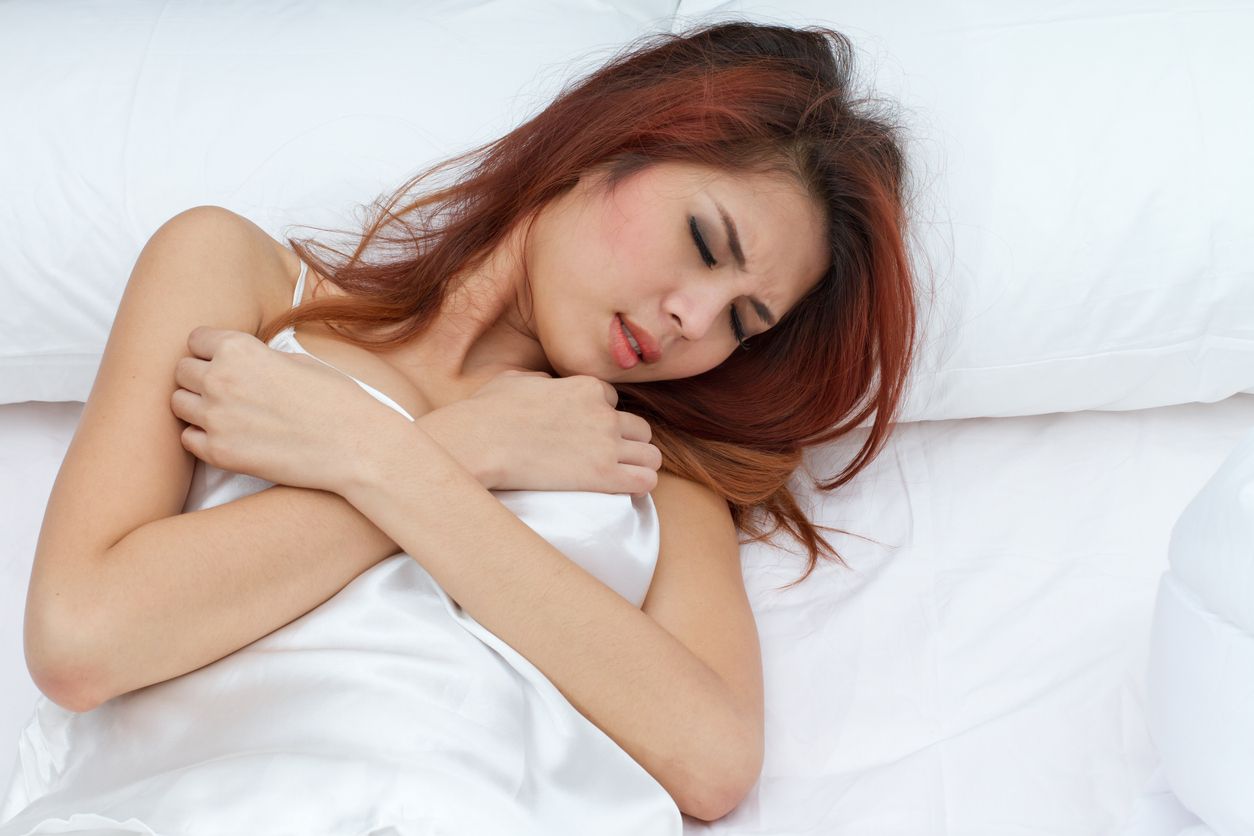
To understand snoring, we need to look at the upper airway anatomy. The upper respiratory system includes the nasal cavity, mouth, and throat. Most snoring is caused by issues in one of these areas, such as nasal congestion, rhinitis, enlarged tongue, swollen tonsils, or abnormal soft palate tissue, which obstruct airflow.
When lying flat, the soft tissue of the upper airway may collapse downward, narrowing the airway. Air passing through this restricted space creates friction, causing the tissue to vibrate—this vibration is the sound we hear as snoring, which only occurs during sleep.
2. Snoring ≠ Good Sleep
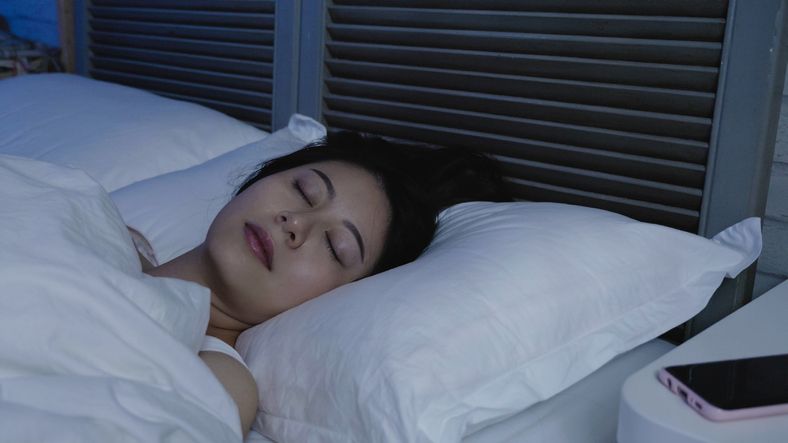
Contrary to popular belief, snoring does not indicate good sleep quality. Frequent snorers may not be resting properly. Snoring interferes with deep sleep, making it hard for the body to get adequate rest.
For snorers, deep sleep is often short-lived. The airway obstruction can cause low oxygen levels and repeated waking during the night. In severe cases, it may even lead to sleep apnea. Therefore, stopping snoring is the key to improving both your and your partner’s sleep quality.
免費體驗
Fotona 4D NightLase Snoring Treatment
1 Minute Self-Registration
Date should not be before minimal date
3. How to Identify Snoring Severity
Snoring can be graded by volume and duration:
• By volume (decibels):
Mild: 40–49 dB → occasional or intermittent snoring, quiet
Moderate: 50–59 dB → frequent snoring almost every night
Severe: 60 dB+ → loud snoring with a high risk of sleep apnea and significant airway obstruction
• By duration:
1–6 seconds → mild
6–15 seconds → moderate
15–30+ seconds → severe
Research shows 1 in 5 severe snorers may have sleep apnea.
4. How to Sleep Better and Stop Snoring: 5 Deep Sleep Benefits
Understanding sleep stages is essential:
1. Stage 1: Muscles relax, heart rate steadies, and breathing stabilizes.
2. Stage 2: Light sleep; further relaxation and drop in body temperature.
3. Stage 3: Deep sleep; body is fully relaxed and difficult to wake—this is where true rest occurs.
Snoring often prevents deep sleep because the body is constantly working to maintain airflow. Sleep apnea sufferers are even more alert, sometimes holding their breath to wake themselves.
Benefits of deep sleep:
1. Memory consolidation – Supports brain function and memory retention.
2. Organ health – Maintains normal metabolism and reduces risk of heart and kidney disease.
3. Immune system – Stronger immunity; less vulnerability to illness.
4. Muscle repair and growth – Critical for post-exercise recovery and child development.
5. Appetite regulation – Deep sleep triggers leptin production, controlling hunger; poor sleep increases appetite and risk of weight gain.
5. 10 Snoring Treatment Options: Are Surgeries Risky?
1. Uvulopalatopharyngoplasty (UPPP)
Removes or repositions the uvula and soft palate to reduce airway obstruction. Risks: bleeding, throat narrowing, voice changes, recovery takes several days.
2. Septoplasty
Corrects a deviated septum, often combined with treatment for thickened nasal tissues. Usually recommended for severe sleep apnea.
3. Tonsillectomy
Removes enlarged tonsils that block the airway. Sometimes combined with UPPP for better airflow.
4. Adenoidectomy
Typically for children under 6 with nasal obstruction or sleep apnea. Low risk but may cause mild pain or minor bleeding.
5. Orthognathic surgery
Corrects jaw alignment, adjusting oral tissues to improve breathing and reduce mouth breathing during sleep.
6. Nasal obstruction surgery
Advanced septum surgery with endoscopic guidance; bleeding controlled to <50 cc. Less post-op discomfort than standard septoplasty.
7. Laser turbinate reduction
Uses laser to shrink swollen nasal tissues. Effective but carries risks like nosebleeds, temporary smell disturbance, and infection.
8. Nasal valve reconstruction
Rebuilds collapsed or misaligned nasal valves to improve airflow; considered a minor cosmetic procedure.
9. Radiofrequency ablation (RFA)
Uses low-temperature radiofrequency to shrink and stiffen soft tissue in the airway, relieving snoring and sleep apnea.
10. Non-surgical tools
Includes nasal strips, anti-snoring sprays, CPAP machines, and sleep trackers to help manage snoring and mild sleep apnea.
免費體驗
Fotona 4D NightLase Snoring Treatment
1 Minute Self-Registration
Date should not be before minimal date
6. Not Everyone Should Have Surgery: 3 Groups to Consider
1. Teenagers – Surgery may not prevent future recurrence as the airway continues to grow.
2. Low immunity individuals – Post-op risk of infection is higher, especially after tonsil removal.
3. Overweight individuals – Snoring may be caused by neck fat, not structural issues. Weight loss can sometimes resolve snoring without surgery.
7. 4 Habits to Improve Sleep Quality and Reduce Snoring
1. Track your sleep – Use wearable sleep trackers or apps to monitor snoring and sleep patterns.
2. Optimize your sleep environment – Temperature and comfort affect deep sleep quality.
3. Ensure sufficient sleep – Aim for 6–8 hours; avoid late nights.
4. Control diet – Eat low-sugar, high-fiber foods; avoid eating right before bed.
8. Fotona 4D NightLase Snoring Treatment: Pain-Free, Effective, and Gentle
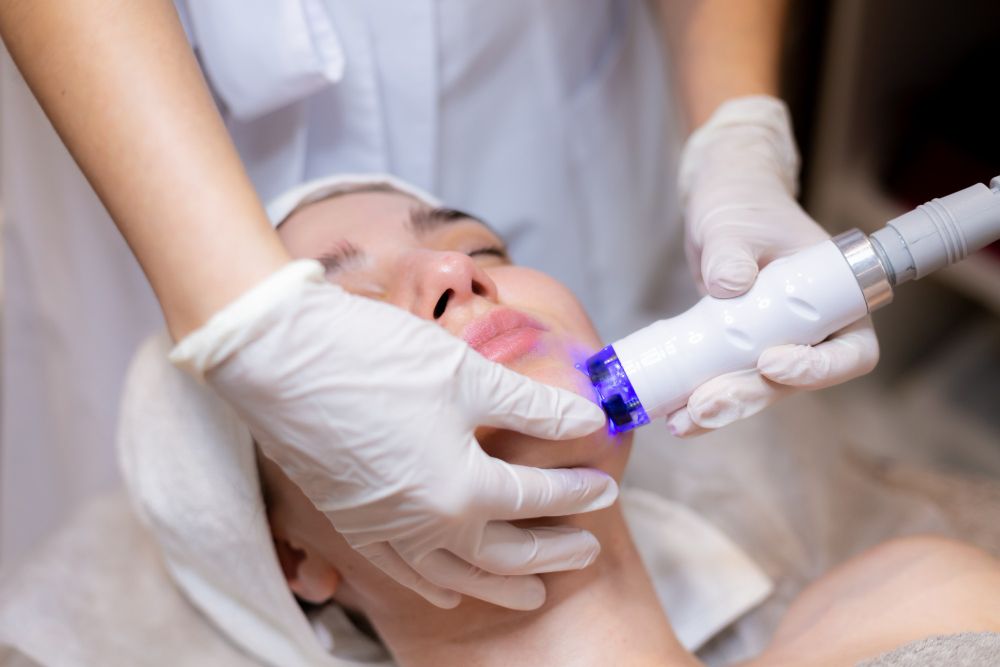
If surgery seems too extreme, try Perfect Medical’s Fotona 4D NightLase Snoring Treatment. This non-invasive NIGHTLASE™ laser treatment stimulates collagen production in oral tissues, tightening the soft palate and reducing airway obstruction.
• 80% of users see improvement after 1–2 sessions
• Safe, painless, no downtime
• Enhances sleep quality and tackles snoring at the source
Book now: Professional body analysis + Fotona 4D treatment. Bonus: whitening and moisturizing face mask for a dual benefit of better sleep and skincare. Limited slots available!
Book Your Slot: Perfect Medical Fotona 4D NightLase Snoring Treatment免費體驗
Fotona 4D NightLase Snoring Treatment
1 Minute Self-Registration
Date should not be before minimal date
FAQ

Which doctor to consult for snoring?
ENT specialists first.
How long does nasal congestion last?
Minor colds: 7–10 days; chronic congestion may indicate rhinitis.
Do nasal polyps shrink on their own?
No, surgery is typically required.
How to test sleep quality?
Use apps or sleep trackers.
Can sleep apnea be fatal?
Moderate to severe cases can cause sudden death and complications like stroke or heart attack.