- Home
- Trend
- Weight Loss Strategies
- Acne Tips
- Hair Health Information
- Blemish Removal Tips
- Acne Scar Removal Tips
- Muscle Building Techniques
- Intimate Care Tips
- Postpartum Intimate Care
- Eye Bags Wiki
- Tips for Face Slimming
- Secret of Permanent Hair Removal
- Breast Enlargement Tips
- Cure to Snoring
- Marionette Lines
- Skin-Tightening Secrets

Blocked nose, runny nose, or constant sneezing can be a real struggle—especially during seasonal changes when allergies flare up and quality of life takes a hit. The good news? Practicing proper nasal irrigation can effectively flush out allergens. Using a nasal rinse is not only safe, but also a natural way to relieve discomfort. Once you master the right technique, you’ll breathe freely again and say goodbye to chronic sinusitis.

Why Rinse Your Nose? How Nasal Irrigation Improves Allergies and Respiratory Health

Remove allergens: Saline solution helps wash away dust, pollen, and bacteria trapped in the nasal passages, easing nasal sensitivity, congestion, and runny nose.
Stay hydrated: Air conditioning and dry weather can dry out nasal tissues. With the right saline concentration, nasal rinsing keeps the nasal cavity moist and strengthens its defense against bacteria.
Relieve sinusitis symptoms: Proper rinsing helps clear mucus and reduces the risk of inflammation. For sinusitis patients, nasal irrigation is an important part of recovery.
Prevent colds: Since cold viruses often enter through the nose, regular nasal rinsing is a great preventive measure—especially during flu season.
Step-by-Step Guide: How to Use a Nasal Rinse in 6 Easy Steps

What you’ll need:
• Nasal rinse device (available at pharmacies or online)
• Saline powder or ready-to-use sterile saline solution
• Lukewarm water at about 37°C
The 6-step method:
1. Prepare the saline solution: Dissolve the saline packet in lukewarm water.
2. Lean forward slightly, tilt your head: Position yourself over the sink.
3. Gently insert the nozzle: Place it carefully into the upper nostril.
4. Breathe through your mouth and squeeze: Allow the solution to flow through and exit the opposite nostril.
5. Repeat on the other side.
6. Blow your nose gently: Avoid forceful blowing to prevent irritation.
Tips:
• Use water that is lukewarm—never too hot or too cold.
• Avoid tap water; always use sterile saline solution.
• Go slowly to prevent choking or discomfort.
• Clean your device after each use to avoid bacterial buildup.
免費體驗
Fotona 4D NightLase Snoring Treatment
1 Minute Self-Registration
Date should not be before minimal date
Types of Nasal Rinses: Which One Is Right for You?
Squeeze bottle: Great for beginners
• Works by squeezing the bottle to let saline flow into the nasal cavity.
• Simple, affordable, and beginner-friendly.
Nasal spray: Gentle and less irritating
• Atomizes saline into a fine mist.
• Ideal for sensitive nasal passages.
• Slightly more expensive, and requires careful cleaning.
Electric nasal irrigator: The high-efficiency choice
• Uses a motor to deliver a steady stream of saline.
• Strong cleaning effect, convenient to use.
• Higher cost, requires charging or batteries.
How to Choose the Right Nasal Rinse Device
| Key Factor | What to Look For |
|---|---|
| Material safety | Medical-grade silicone or PP plastic |
| Capacity | Around 200–300ml is most practical |
| Nozzle design | Smooth, rounded tips to avoid irritation |
| Replaceable parts | Easy-to-find spare nozzles or components |
| Brand reliability | Choose certified, reputable brands for safety |
Saline Powder or Nasal Spray? Understanding the Differences
Key ingredients:
• Sodium Chloride (NaCl): the main cleansing component
• Sodium Bicarbonate (NaHCO₃): helps regulate pH balance
Buying tips:
• Opt for medical-grade saline powder.
• Avoid products with fragrance or preservatives.
• If you have chronic allergies, consult a pharmacist or doctor first.
免費體驗
Fotona 4D NightLase Snoring Treatment
1 Minute Self-Registration
Date should not be before minimal date
Special Groups: Kids, Pregnant Women, and Post-Surgery Patients
Children:
• Always use a child-specific rinse device.
• Control water volume and pressure.
• Parents should assist to ensure safety.
Pregnant women:
• Can help relieve pregnancy-related rhinitis.
• Pay extra attention to hygiene during use.
• Consult your doctor if unsure.
Sinusitis patients and post-surgery care:
• Electric nasal rinses can provide stable, effective cleansing.
• Rinse daily as recommended.
• Always follow your doctor’s instructions.
Aftercare: How to Maintain Nasal Health After Rinsing
• Blow gently to avoid irritating nasal tissues.
• Use moisturizing nasal sprays to keep passages hydrated.
• Strengthen immunity through a balanced diet.
• Regularly clean and replace your rinse device and nozzles.
Struggling With Snoring as Well as Nasal Congestion?
It’s common for people with nasal congestion to also experience snoring. But here’s the catch—snoring isn’t always caused by nasal blockage. Sometimes it’s due to sagging oral tissues.
If you’ve been treating nasal issues but snoring persists, it’s time to get a professional check-up. At Perfect Medical, you can enjoy a free consultation to uncover the real cause of your snoring and get targeted treatment.
Fotona 4D NightLase Snoring Treatment
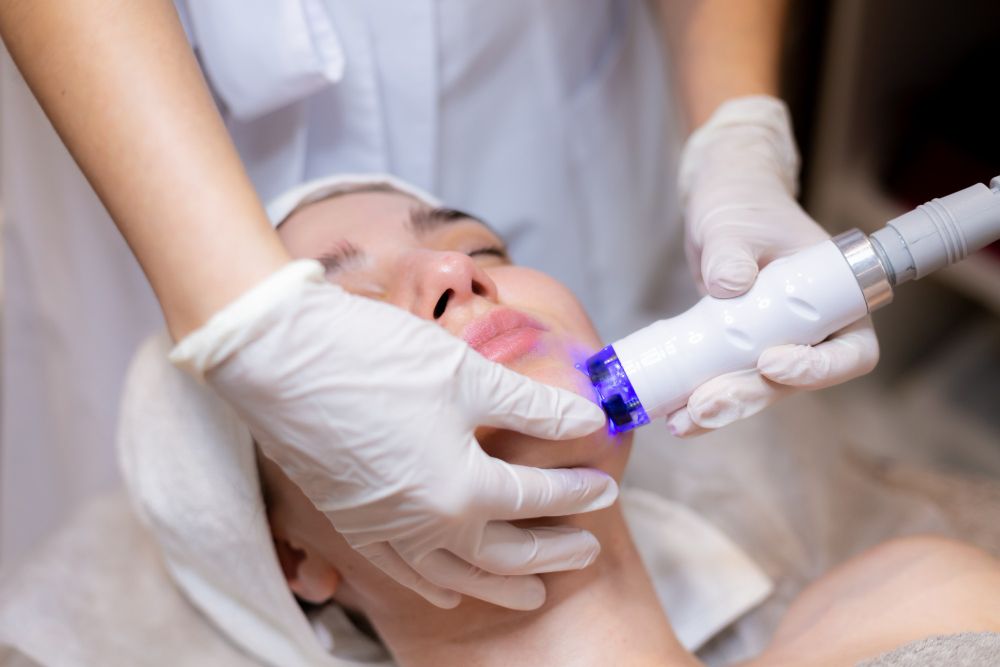
This non-invasive medical treatment uses patented laser technology to gently tighten loose oral tissues, improving airway obstruction and reducing snoring. The procedure is quick, painless, and highly effective—perfect for busy city lifestyles.
Key benefits of NightLase:
• Non-surgical patented laser tightens soft tissue to reduce snoring
• Improves airflow and may help with mild sleep apnea
• Just 15 minutes per session, with effects lasting up to a year
• No side effects and no permanent changes to body tissue
• Over 80% of patients see noticeable results after just 2 sessions
After treatment, you can immediately return to your normal activities—no downtime required. For your own health and your partner’s sleep quality, don’t wait any longer. Book your free consultation with Perfect Medical today and discover the root cause of your snoring!
免費體驗
Fotona 4D NightLase Snoring Treatment
1 Minute Self-Registration
Date should not be before minimal date
FAQ

Does nasal rinsing hurt?
No, not under normal circumstances. If you have small wounds in the nasal cavity, you may feel mild stinging.
How often should I rinse my nose?
Once or twice daily is ideal. For severe allergies, up to 3 times may be recommended.
Can I use tap water to make saline?
Not advised. Always use sterile water with the correct saline ratio.
How often should I replace my nasal rinse device?
About every 3 months, or according to the manufacturer’s instructions.
What if I feel discomfort after rinsing?
Stop immediately. If discomfort persists, consult a doctor.