- Home
- Trend
- Weight Loss Strategies
- Acne Tips
- Hair Health Information
- Blemish Removal Tips
- Acne Scar Removal Tips
- Muscle Building Techniques
- Intimate Care Tips
- Postpartum Intimate Care
- Eye Bags Wiki
- Tips for Face Slimming
- Secret of Permanent Hair Removal
- Breast Enlargement Tips
- Cure to Snoring
- Marionette Lines
- Skin-Tightening Secrets

Nasal polyps are a common ENT condition. They are benign growths that develop from abnormal overgrowth of the nasal mucosa due to chronic inflammation. These soft, droplet-shaped polyps often appear in the nasal cavity or sinuses. Unlike what many people think, nasal polyps are not tumors. However, if left untreated, they can seriously affect nasal function and overall quality of life.

Causes of Nasal Polyps: Why Do They Grow?
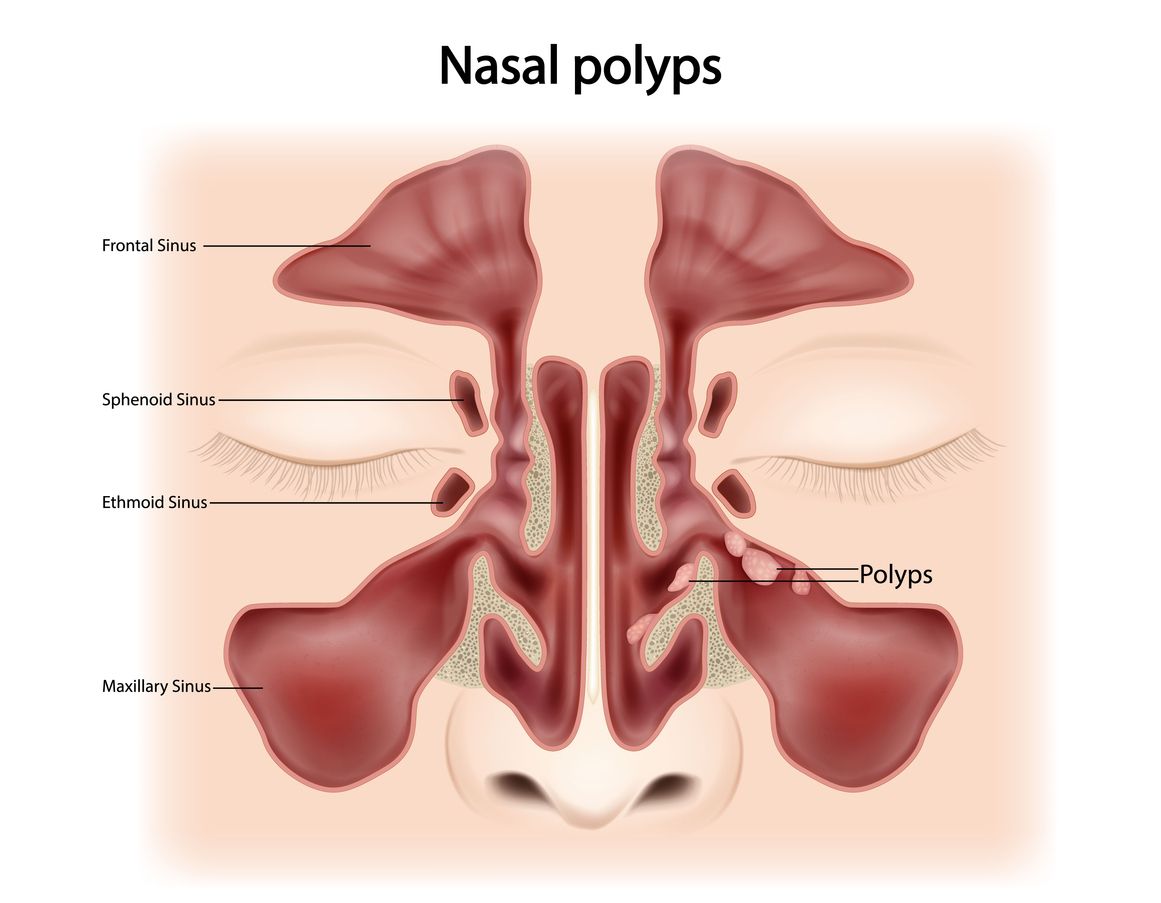
The formation of nasal polyps is mainly linked to:
• Chronic sinusitis – Recurrent inflammation irritates the mucosa, causing abnormal growth.
• Allergens and irritants – Dust mites, pollen, air pollution, and similar triggers can cause long-term mucosal reactions.
• Underlying nasal conditions – Patients with allergic rhinitis or asthma are considered high-risk.
• Genetic and immune factors – Certain genes or abnormal immune responses increase the likelihood of nasal polyps.
Who is most at risk?
Polyps can occur at any age, but are more common in adults over 30. The risk is higher among those with asthma or aspirin sensitivity. Younger individuals who experience long-term nasal congestion, runny nose, or reduced sense of smell should also consider the possibility of nasal polyps.
Symptoms of Nasal Polyps: More Than Just a Stuffy Nose

In the early stages, nasal polyps may go unnoticed as they grow slowly and don’t always cause obvious symptoms. As they enlarge, however, symptoms become increasingly pronounced:
| Symptom | Description |
|---|---|
| Nasal congestion | Blockage caused by polyps leads to breathing difficulty, sometimes affecting one or both sides of the nose. |
| Runny nose | Discharge may be clear or pus-like, often with postnasal drip or thick mucus. |
| Reduced sense of smell | Polyps block odor molecules from reaching olfactory nerves. |
| Facial pressure & headaches | Polyps pressing on the sinuses can cause discomfort or pain. |
| Sleep issues | Severe cases may trigger snoring or sleep apnea, leading to fatigue and health risks. |
| Nasal voice | The voice may sound muffled, affecting speech clarity. |
免費體驗
Fotona 4D NightLase Snoring Treatment
1 Minute Self-Registration
Date should not be before minimal date
How Are Nasal Polyps Diagnosed?
A proper diagnosis by an ENT specialist is essential, using:
• Endoscopy – A thin, lighted scope is inserted to examine the size, location, and appearance of polyps.
• Imaging tests (CT/MRI) – Useful for patients with suspected sinusitis or structural abnormalities.
• Allergy & blood tests – Help identify triggers or rule out other underlying conditions.
Treatment Options: Medication and Surgery
A. Medication – First-line, Non-invasive Approach
Best suited for mild to moderate cases:
• Steroid nasal sprays – Reduce inflammation and shrink polyps.
• Oral steroids – Short-term use can quickly reduce swelling, but require medical supervision due to side effects.
• Antibiotics/antihistamines – Manage sinus infections or allergic rhinitis.
• Biologic therapies – New targeted options for severe or recurrent cases.
B. Surgery – When Medication Isn’t Enough
If medication fails or polyps are too large, surgery may be recommended.
Functional Endoscopic Sinus Surgery (FESS): A minimally invasive procedure using an endoscope to remove abnormal tissue, restore normal breathing, and improve quality of life.
Post-Surgery Care and Prevention
Even after surgery, proper care is essential to reduce recurrence:
• Regular follow-ups with your ENT specialist
• Saline rinses or nasal sprays to keep passages clean
• Avoiding allergens and irritants
• Managing allergies and chronic inflammation at the source
免費體驗
Fotona 4D NightLase Snoring Treatment
1 Minute Self-Registration
Date should not be before minimal date
Common Myths About Nasal Polyps
| Myth | Reality |
|---|---|
| “Nasal congestion is just a cold.” | Long-term congestion should raise suspicion of polyps. |
| “Polyps always require surgery.” | Early-stage polyps may respond well to medication. |
| “Polyps always come back after surgery.” | With proper care and follow-up, recurrence can be significantly reduced. |
Blocked Nose and Snoring? Get a Professional Check-Up at Perfect Medical!
Constant nasal discomfort, congestion, or chronic sinusitis? Or do you snore heavily even when your nose feels clear? Snoring isn’t always caused by the nose — sometimes it’s due to excess soft tissue in the throat.
That’s why it’s important to get a professional assessment at Perfect Medical to identify the root cause.
Fotona 4D NightLase Snoring Treatment
A non-invasive laser treatment that gently tightens loose soft tissues in the airway to improve airflow, reduce snoring, and help restore restful sleep.
• Patented laser technology to shrink soft tissue safely
• Improves snoring and may help relieve sleep apnea symptoms
• Quick 15-minute sessions, results can last up to a year
• Safe, non-surgical, and does not permanently alter body tissues
Up to 80% of patients experience noticeable improvement after just two sessions. No downtime — you can eat, drink, and return to daily activities right away.
For the sake of your health (and your partner’s sleep!), book a free check-up with Perfect Medical today and discover the true cause of your snoring.
免費體驗
Fotona 4D NightLase Snoring Treatment
1 Minute Self-Registration
Date should not be before minimal date
FAQ

Will nasal polyps go away on their own?
No. They require medication or surgery for effective treatment.
Are nasal polyps related to cancer?
Most are benign and not directly linked to malignant tumors, but regular monitoring is recommended.
Is surgery risky?
Modern minimally invasive surgery is safe, with a short recovery period, though treatment depends on individual cases.
Can pregnant women receive treatment?
Surgery is generally not recommended during pregnancy. Any treatment plan should be carefully discussed with an ENT specialist.
How to tell the difference between nasal polyps and turbinate hypertrophy?
Only an ENT doctor using endoscopy can confirm the diagnosis, as it’s difficult to distinguish visually.