- Home
- Trend
- Weight Loss Strategies
- Acne Tips
- Hair Health Information
- Blemish Removal Tips
- Acne Scar Removal Tips
- Muscle Building Techniques
- Intimate Care Tips
- Postpartum Intimate Care
- Eye Bags Wiki
- Tips for Face Slimming
- Secret of Permanent Hair Removal
- Breast Enlargement Tips
- Cure to Snoring
- Marionette Lines
- Skin-Tightening Secrets

When nasal inflammation or allergic rhinitis flares up, symptoms like repeated sneezing, nasal congestion, runny nose, and itchy nasal passages can be overwhelming. This not only causes physical discomfort but also significantly impacts daily life and work efficiency. In a city like Hong Kong, where air pollution levels are relatively high, nasal inflammation has become almost an urban epidemic. Studies show that nine out of ten Hongkongers have experienced or are currently affected by nasal inflammation or allergic rhinitis.

Nasal Inflammation Symptoms: How Many Do You Have?
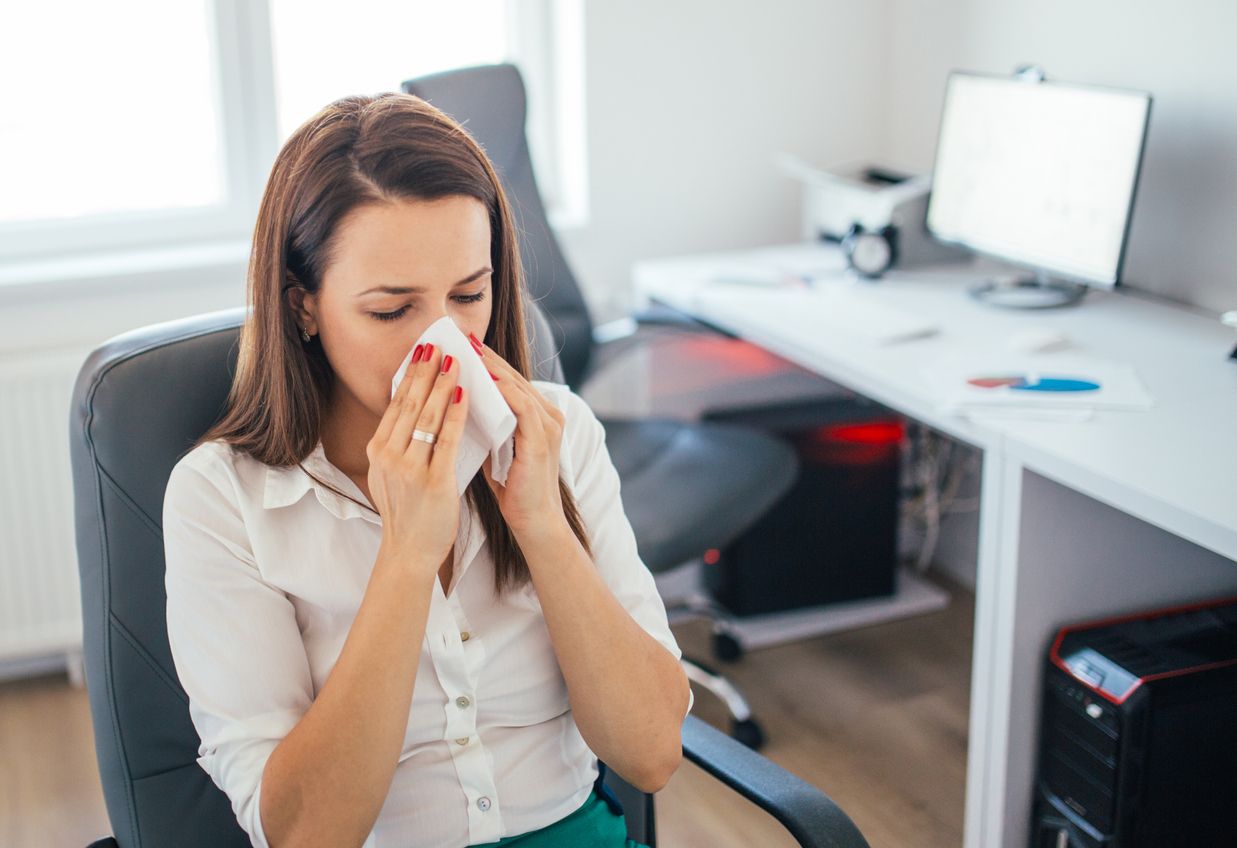
Nasal inflammation is not a single symptom—it can present in multiple ways. The most common signs of allergic rhinitis include:
• Runny nose: Clear, watery mucus, seemingly unstoppable, like turning on a tap.
• Nasal congestion: Unilateral or bilateral blockage, affecting breathing and sleep quality, often causing insomnia.
• Sneezing: Frequent sneezing bouts, especially upon waking, hard to stop.
• Itchy nose: Irritation of the nasal mucosa, causing a constant urge to scratch or rub.
• Itchy eyes: Allergic rhinitis often comes with eye symptoms—redness, itching, and tearing.
• Postnasal drip: Mucus flows down the throat, causing throat irritation or frequent clearing.
• Reduced sense of smell: Swollen nasal mucosa can impair olfactory nerves, reducing or eliminating smell perception.
• Headaches and facial pressure: Sinus inflammation may cause facial pain, forehead heaviness, and headache.
Although these symptoms may seem minor, persistent nasal inflammation can decrease quality of life, lead to viral infections, or trigger complications like sinusitis or middle ear infections. Proper management is essential.
Causes of Allergic Rhinitis: Understanding Your Triggers
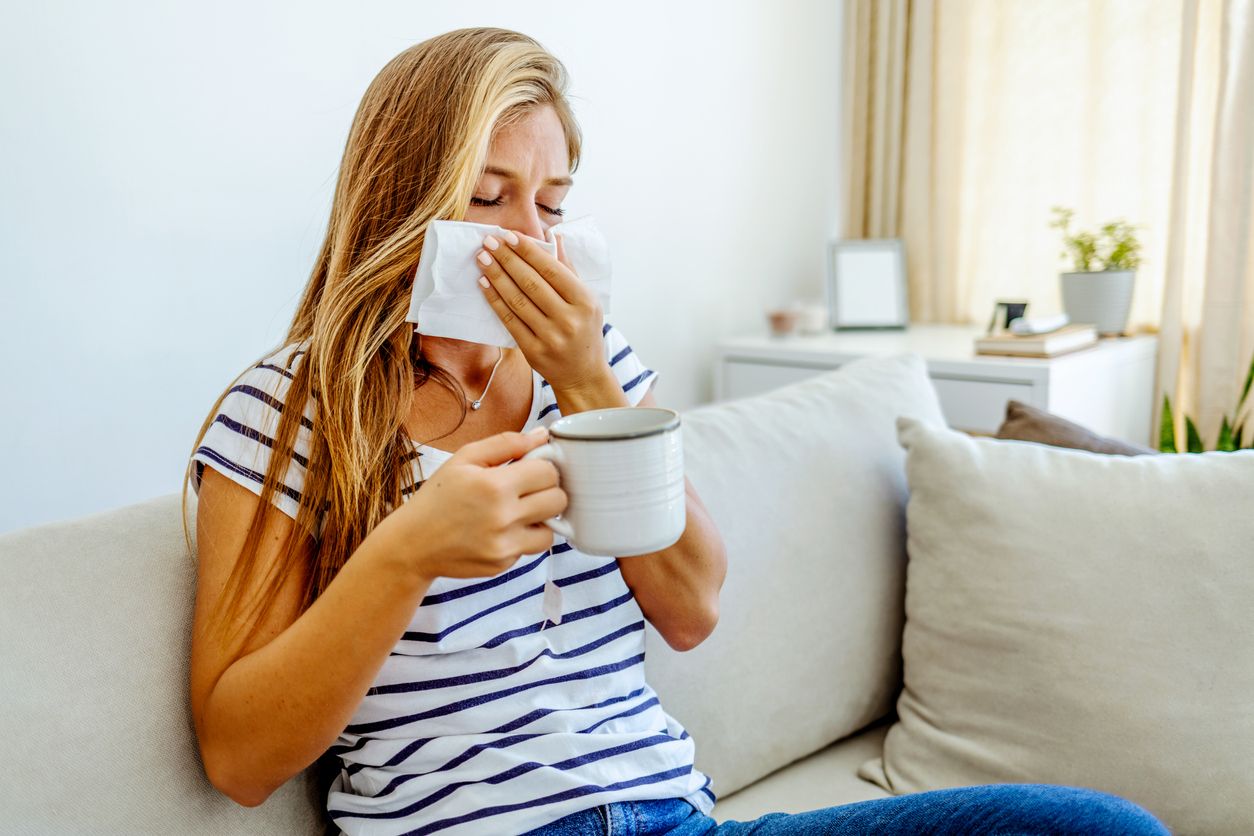
To effectively manage allergic rhinitis, it’s important to identify its causes and environmental triggers. Nasal inflammation can be classified into allergic rhinitis and non-allergic rhinitis, with additional forms caused by infections or occupational exposure.
1. Allergic Rhinitis (AR)
The most common form of nasal sensitivity, caused by:
• Exposure to allergens: Common triggers include dust mites, pollen, pet hair, mold, and cockroach droppings.
• Immune system overreaction: Contact with allergens triggers IgE antibody production, causing nasal mucosa inflammation and swelling.
• Seasonal changes: Pollen and humidity fluctuations during seasonal transitions (spring-summer or autumn-winter) can trigger symptoms.
2. Non-Allergic Rhinitis (NAR)
Not driven by immune responses, NAR has multiple causes:
• Vasomotor rhinitis: Overreaction to temperature, odors, smoke, or emotions, causing nasal blood vessel dilation.
• Medication-induced rhinitis: Long-term use of decongestant nasal sprays can lead to rebound congestion.
• Atrophic rhinitis: Shrinking nasal mucosa causes dryness and discomfort, common in older adults or post-nasal surgery patients.
• Pregnancy rhinitis: Hormonal changes can cause mucosal swelling and congestion in pregnant women.
3. Infectious Rhinitis
Viral, bacterial, or fungal infections may also cause nasal inflammation:
• Viral infections: Common colds resemble allergic rhinitis but often include sore throat and fever.
• Bacterial infections: Can cause sinusitis, with yellow-green mucus and facial tenderness or headaches.
• Fungal infections: Rare but serious, mostly in immunocompromised individuals.
4. Occupational / Chronic Rhinitis
Long-term exposure to irritants in the workplace can also trigger nasal sensitivity.
Treatments: Immediate Relief and Home Care
During flare-ups, besides medications, simple home methods can alleviate symptoms.
1. Lifestyle Adjustments
• Avoid allergens: Regularly change bed sheets, clean air-conditioner filters, and use HEPA air purifiers.
• Quit smoking and avoid secondhand smoke: Smoke irritates nasal mucosa, worsening symptoms.
• Maintain indoor airflow and humidity: Use a humidifier to prevent excessive dryness.
• Balanced diet and exercise: Boosting immunity can reduce flare frequency.
2. Home Care Techniques
• Saline nasal rinses: Using a nasal rinse pot or spray to flush out allergens and mucus.
• Warm compresses: Applying a warm towel to the nose can relieve congestion.
• Steam inhalation: Warm steam softens nasal mucus, improving airflow.
3. Medication Options
| Medication Type | Main Function | Notes |
|---|---|---|
| Antihistamines | Relieve runny nose, itching, sneezing | Some may cause drowsiness |
| Nasal sprays (steroids) | Anti-inflammatory, reduce mucosal swelling | Use short-term and follow doctor’s advice |
| Immunotherapy | Long-term improvement | Requires evaluation by a doctor |
| Antibiotics | Only for bacterial infections | Prescription required; not self-administered |
4. Surgical Options
• Septoplasty: Corrects deviated septum causing congestion.
• Partial inferior turbinate reduction: Reduces turbinate size to improve airflow.
• Endoscopic sinus surgery: Removes accumulated pus and inflamed tissue in chronic sinusitis.
免費體驗
Fotona 4D NightLase Snoring Treatment
1 Minute Self-Registration
Date should not be before minimal date
Building Allergy Resistance: Daily Habits to Prevent Nasal Inflammation
Prevention is better than cure. Strengthen your immune defense with:
• Balanced diet: Include vitamins C and D, zinc, and other antioxidants.
• Adequate sleep: Quality sleep supports immune function.
• Regular exercise: Aerobic exercise three times a week helps regulate immunity.
• Stress management: High stress weakens immunity; learn relaxation techniques.
• Clean environment: Vacuum and mop regularly to reduce dust mites.
Allergic Rhinitis is Not Incurable
Instead of passively enduring symptoms, take proactive steps. Improving lifestyle habits, using medications correctly, and seeking professional medical support can help you manage and reduce flare-ups. Even if a full cure is not possible, continuous management allows everyone to enjoy clear, comfortable breathing.
Snoring, Runny Nose, and Nasal Itch: Professional Check at Perfect Medical
Those with nasal inflammation or congestion often snore. Solving nasal congestion does not always stop snoring, which may be caused by oral tissue obstruction rather than nasal issues. For your health and your family’s sleep quality, a professional check at Perfect Medical is recommended.
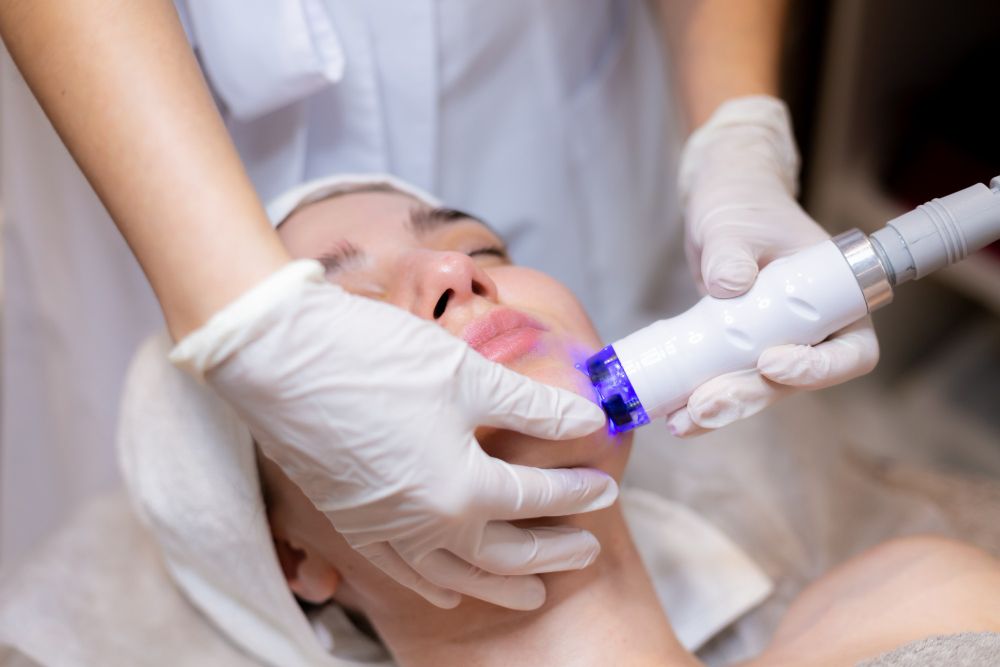
Fotona 4D Snoring Laser Treatment is a non-invasive procedure using patented laser technology to tighten soft tissue, improving airway obstruction and eliminating snoring. Fast, painless, and effective:
• Non-invasive laser tightens soft tissue to improve snoring
• Enhances airflow, may help with sleep apnea
• Only 15 minutes; effects last up to 1 year, no side effects
• Extremely safe; does not permanently alter tissue
About 80% of patients see noticeable improvement after 2 sessions, with normal daily activities unaffected.
免費體驗
Fotona 4D NightLase Snoring Treatment
1 Minute Self-Registration
Date should not be before minimal date
FAQ

1. Can nasal inflammation or allergic rhinitis affect smell?
Severe cases may reduce the sense of smell, especially if mucosa is chronically swollen or accompanied by sinusitis.
2. Can nasal inflammation or allergic rhinitis be cured?
Complete cure is difficult, but immunotherapy and lifestyle adjustments can effectively control frequency and severity of flare-ups.
3. What if I develop nasal inflammation or allergic rhinitis during pregnancy?
Natural remedies such as saline nasal rinses are recommended. If medication is needed, discuss safe options with your doctor.
4. Can nasal inflammation lead to other diseases?
Yes, untreated nasal inflammation can contribute to sinusitis, middle ear infections, or exacerbate asthma.