- Home
- Trend
- Weight Loss Strategies
- Acne Tips
- Hair Health Information
- Blemish Removal Tips
- Acne Scar Removal Tips
- Muscle Building Techniques
- Intimate Care Tips
- Postpartum Intimate Care
- Eye Bags Wiki
- Tips for Face Slimming
- Secret of Permanent Hair Removal
- Breast Enlargement Tips
- Cure to Snoring
- Marionette Lines
- Skin-Tightening Secrets

Hong Kong’s fast-paced and high-stress lifestyle has led to a relatively high proportion of people experiencing snoring problems. In recent years, with growing awareness online about the health risks linked to snoring, more young people have begun paying attention to prevention and treatment.

1. 5 Effective Ways to Reduce Snoring + 6 Helpful Devices
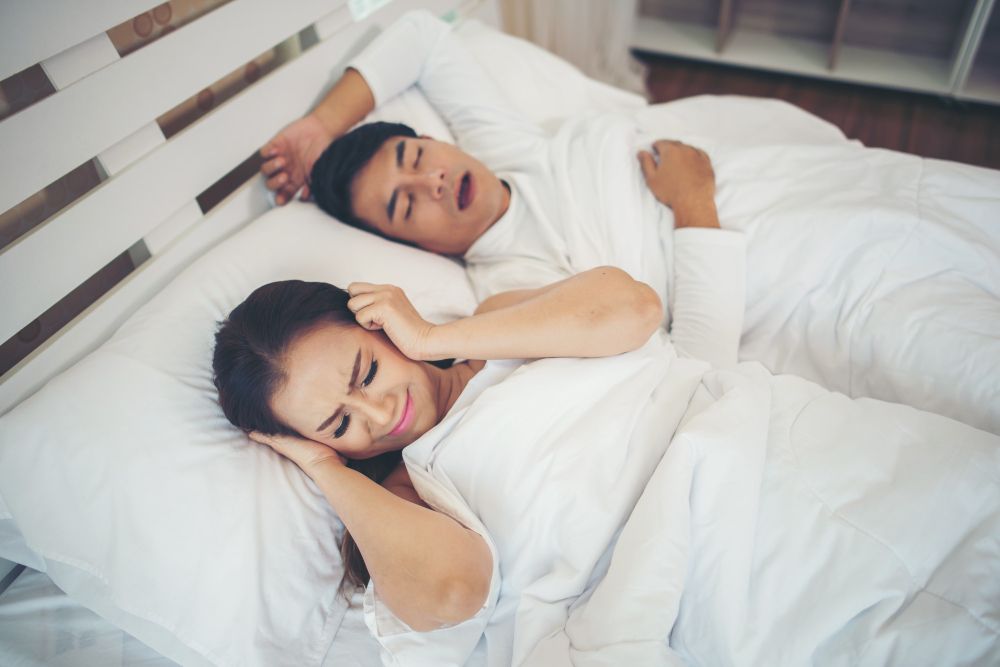
Snoring not only affects the sleep quality of the person snoring, but also disturbs their partner and family members. To protect both your health and those around you, it’s important to address the problem head-on. Here are 11 proven strategies to reduce or stop snoring:
1) Adjust Your Sleeping Position
Sleep specialists suggest that sleeping on your side instead of your back can reduce snoring by up to 60%. Side-sleeping helps keep the airway open and reduces blockage. If you’re not used to side-sleeping, try placing a round object (like a tennis ball) behind your back—when you roll onto your back, discomfort will prompt you to return to your side.
2) Lose Weight
Excess fat around the neck can narrow the airway, making breathing more difficult and increasing the chance of snoring. Even moderate weight loss has been shown to significantly improve snoring and reduce the risk of sleep apnea.
3) Cleanse Your Nasal Passages Regularly
If you often feel nasal blockage, clean your nose with saline solution before bed. This clears mucus and allergens, prevents mouth breathing, and reduces snoring. Staying hydrated also helps keep nasal passages moist.
4) Cut Down on Smoking and Alcohol
Alcohol relaxes throat muscles, narrowing the airway, while nicotine irritates and inflames the respiratory system. Reducing or quitting smoking and alcohol can greatly improve snoring.
5) Surgery (For Structural Issues)
Some people snore because of structural problems—like a deviated septum, nasal polyps, or enlarged tonsils. In such cases, surgery may be considered.
6) Snoring Strips
Applied to the lips, snoring strips encourage nasal breathing instead of mouth breathing. However, they are disposable and may not work for everyone.
7) Anti-Snoring Sprays
Around 90% of snoring originates in the throat. Anti-snoring sprays (nasal or oral) help by reducing inflammation and keeping airways moist. Experts recommend alternating usage (two or three nights on, one night off) to avoid overdependence.
8) Anti-Snoring Pillows
Special pillows support the head and neck to prevent airway collapse. Side-sleepers may need higher pillows, while back-sleepers need extra neck support. Though more expensive, they can be highly effective.
9) Snoring Chin Straps
These secure the jaw in place to encourage nasal breathing. Some find them too tight or uncomfortable, but they can help mouth breathers reduce snoring.
10) Anti-Snoring Mouthguards
Mouthguards reposition the lower jaw and tongue to keep the airway clear. Adjustable models like SnoreRx Plus are popular for their customization and effectiveness.
11) Nasal Dilators
Inserted into the nostrils, nasal dilators widen the nasal passages to increase airflow. Choose soft, comfortable models to avoid irritation.
2. 5 Recommended Anti-Snoring Products
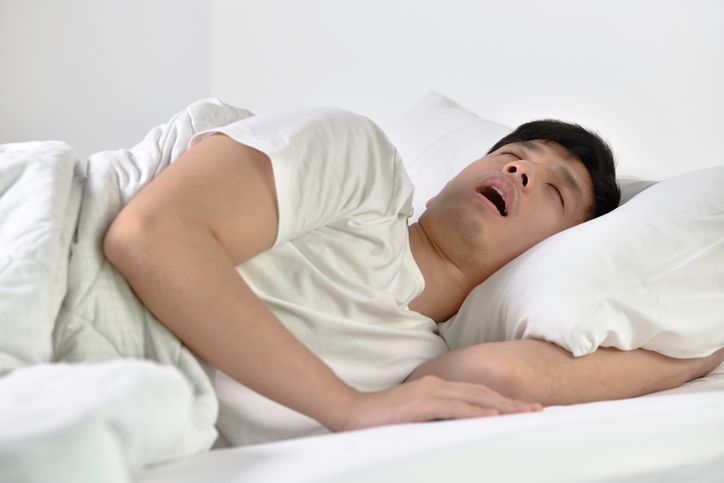
With so many snoring remedies on the market, it’s hard to choose. Here are five trusted products that stand out for their quality and effectiveness:
1. Breathe Right Nasal Strips – A best-seller in Japan, these strips reduce nasal obstruction and even come with menthol for added comfort.
2. OxyGO ResPlus CPAP Machine – A U.S.-made, affordable CPAP option at only USD $399 (about HKD $3,119), praised for its quiet operation and high value.
3. Ikeda Mohando IBIKIST Spray – A Japanese throat spray that moisturizes tissues and reduces vibration for fewer snores.
4. SnoreRx Plus Mouthguard – Adjustable up to 6mm, it’s ranked the “Best Overall Anti-Snoring Mouthguard” by the U.S. Sleep Foundation.
5. Luxome LAYR Adjustable Pillow – Highly customizable and extremely comfortable, this pillow improves sleep quality while reducing snoring.
免費體驗
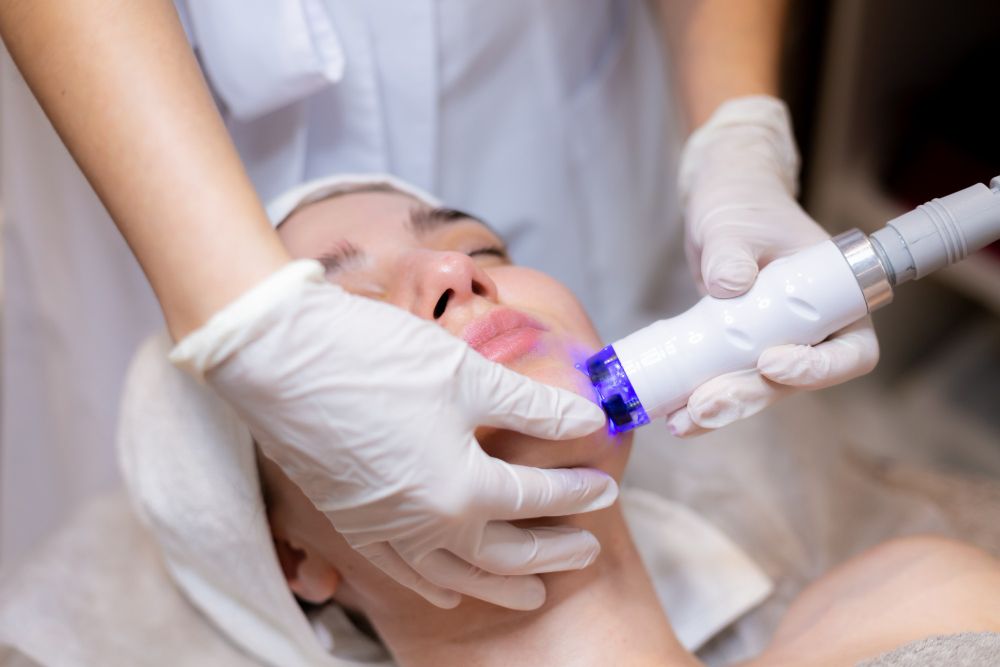
Fotona 4D NightLase Snoring Treatment
1 Minute Self-Registration
Date should not be before minimal date
3. Tailored Solutions for Different Snoring Levels
Not all snoring is the same. Here’s how to approach it depending on severity:
• Mild Snoring (40–49 dB): Start with nasal strips and sprays. If ineffective, upgrade to more advanced solutions.
• Moderate Snoring (50–59 dB): Try mouthguards and anti-snoring pillows; if no improvement, consider a CPAP machine.
• Severe Snoring (60+ dB): Don’t delay—seek a professional sleep study to assess for sleep apnea. CPAP therapy or medical intervention is strongly recommended.
4. Safe & Effective Treatment: Fotona 4D NightLase Snoring Treatment
While strips, sprays, and mouthguards can help with mild snoring, they may not be enough for more serious cases. CPAP machines can be costly, and surgery carries risks. That’s why Perfect Medical’s Fotona 4D NightLase Snoring Treatment is an ideal middle ground.
• Uses patented NIGHTLASE™ laser technology
• Tightens loose oral tissues like the uvula to reduce airway obstruction
• Non-invasive, needle-free, and surgery-free
• Over 80% of patients notice improvement after just 2 sessions
• Safe, comfortable, and quick, with no downtime
This innovative laser treatment strengthens collagen and reshapes tissues, restoring clear airways and reducing snoring at the source.
After treatment, you’ll enjoy better sleep, higher energy, and improved overall health. If snoring is affecting your quality of life, now’s the time to try Fotona 4D NightLase Snoring Treatment—and say goodbye to restless nights!
Try Now: Perfect Medical Fotona 4D NightLase Snoring Treatment免費體驗
Fotona 4D NightLase Snoring Treatment
1 Minute Self-Registration
Date should not be before minimal date
FAQ

What causes snoring?
Snoring can result from structural issues (like enlarged tonsils), age-related muscle relaxation, obesity, nasal allergies, smoking, alcohol, fatigue, or poor sleep posture. When airway tissues vibrate due to narrowing, snoring occurs.
Is snoring linked to sleep apnea?
Yes. Snoring is often a warning sign of sleep apnea—a condition where breathing stops repeatedly during sleep, sometimes 30+ times per night. Left untreated, it can cause serious health risks.
Should I buy a CPAP machine on my own?
No. Not all snorers have sleep apnea, and CPAP pressure settings must be prescribed by a doctor. Using uncertified machines can be unsafe. Always consult a specialist first.
What are the long-term health risks of snoring?
Chronic, severe snoring is linked to high blood pressure, heart disease, and oxygen deprivation during sleep, which can strain the cardiovascular system.
Should I worry if my child snores?
Yes. Persistent, loud snoring in children can affect growth and learning. Enlarged tonsils are a common cause—parents should seek medical advice promptly.