- Home
- Trend
- Weight Loss Strategies
- Acne Tips
- Hair Health Information
- Blemish Removal Tips
- Acne Scar Removal Tips
- Muscle Building Techniques
- Intimate Care Tips
- Postpartum Intimate Care
- Eye Bags Wiki
- Tips for Face Slimming
- Secret of Permanent Hair Removal
- Breast Enlargement Tips
- Cure to Snoring
- Marionette Lines
- Skin-Tightening Secrets

Taking an afternoon nap and waking up to find your colleague has recorded your snoring—it’s embarrassing, right? Snoring at home may not be a big deal, but in public, it can feel like a total “social death” moment. Many people who struggle with snoring have probably considered buying some kind of “anti-snoring gadget” to avoid such awkward situations.

1. How Does Snoring Happen?
Before rushing to buy anti-snoring products, let’s first understand what causes snoring. When we sleep, the soft tissues in the upper airway relax, narrowing or blocking airflow. As air passes through, it causes vibrations, which we hear as snoring.
This is why people who snore are often at higher risk of sleep apnea. The more the airway is blocked, the stronger the vibration, the louder the snoring, and the greater the potential harm.
Most “anti-snoring gadgets” on the market work by expanding the airway to reduce obstruction, making breathing smoother and snoring softer. However, they typically treat the symptoms, not the root cause.
Snoring or sleep apnea can lead to:
1. Disrupted sleep quality – Not only for your partner, but severe snorers may even wake up choking or startled by their own snores.
2. Daytime fatigue – Poor focus, drowsiness, and reduced work performance.
3. Health risks – Sleep apnea can cause oxygen deficiency, straining the body and increasing the risk of high blood pressure, cardiovascular disease, and more.
2. Do Anti-Snoring Strips Really Work? How Do They Work?

When people encounter a problem today, many will search online first. Unsurprisingly, if you Google “snoring solutions,” you’ll find countless “anti-snoring gadgets”—with anti-snoring strips being the most common.
These strips generally fall into two categories:
(1) Mouth Strips
Also called “mouth-breathing correction strips.” Some people breathe through their mouth while sleeping, which can push the jaw backward and worsen snoring or even cause sleep apnea. Mouth breathing also leads to dry throat, gum disease, and bad breath.
Mouth strips use medical-grade adhesive to keep the lips closed, forcing nasal breathing and reducing snoring caused by mouth breathing.
(2) Nasal Strips / Nasal Dilators
Probably the most well-known gadget—these have been around since the 2010s. Nasal dilators are placed inside the nostrils to expand them, while nasal strips are stuck across the nose with elastic bands that gently pull the nostrils open. Both aim to improve airflow and reduce snoring.
Effectiveness:
• Helpful for mild snorers, or temporary snoring due to colds or allergies.
• Less effective for serious snorers or those with throat/nasal structural issues (e.g. enlarged tonsils, nasal polyps).
• Mouth strips only work for mouth-breathing problems—not for heavy nasal snorers.
Not Suitable For:
• People with abnormal throat structure (e.g. enlarged uvula).
• Overweight individuals (fat around the neck collapses the airway when lying down).
• Older adults (weaker throat muscles make airway collapse easier).
• People with sensitive skin (risk of irritation from nightly adhesive use).
免費體驗
Fotona 4D NightLase Snoring Treatment
1 Minute Self-Registration
Date should not be before minimal date
3. Other Popular Anti-Snoring Gadgets
Besides strips, the market is full of anti-snoring gadgets. But before buying, you should understand the cause of your snoring and the principle of the product to avoid disappointment. Here are 6 common gadgets:
1. Anti-Snoring Spray
2. Some sprays shrink swollen nasal tissue (shouldn’t be overused).
Others moisturize the throat/nasal passage to reduce vibration.
Example: Ikeda Snore Spray – HK$155
1. Chin Strap
2. Supports the jaw to keep the mouth closed, reducing mouth-breathing snoring.
Made of breathable, adjustable elastic fabric.
Example: Dr. Pro Anti-Snoring Strap – HK$88
1. Mouthguard / Dental Device
2. Worn over teeth to reposition the lower jaw forward, preventing the tongue from blocking the airway.
Needs cleaning—risk of bacteria buildup.
Example: Snoreeze Oral Device – HK$480
1. Tongue Retainer
2. Holds the tongue in place to stop it collapsing backward.
Works similarly to mouthguards but can fall out at night.
3. Anti-Snoring Pillow
4. Ergonomically designed to support the neck and keep airways open, especially for back sleepers.
Example: SU-ZI AS Pillow – HK$548
1. Anti-Snoring Apps / Devices
2. Paired with wearable gadgets that detect snoring or poor sleep posture.
Emit gentle vibrations to prompt position changes.
Effectiveness varies, and lighter sleepers may find the vibrations disruptive.
Example: Sleep Cycle Alarm Clock (iPhone & Apple Watch)
4. Be Careful: Some Gadgets May Make Things Worse
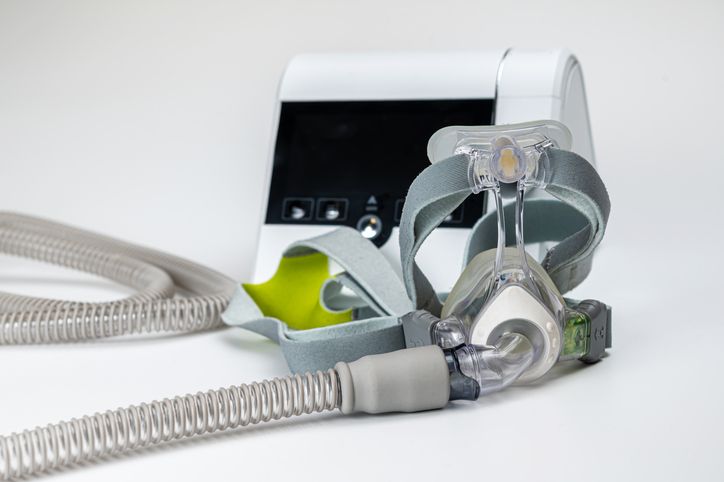
There have been cases of people buying anti-snoring gadgets online, only to end up with nasal infections or worsened conditions. Even CPAP machines—commonly prescribed for sleep apnea—should only be used under medical supervision.
If you suspect you have a snoring problem, it’s best to undergo a sleep test and seek professional advice before choosing treatment.
5. 3 Lifestyle Tips to Reduce Snoring
1. Lose weight & exercise regularly – Helps reduce fat around the neck and strengthens airway muscles.
2. Change sleep position – Sleeping on your side prevents the tongue from falling backward.
3. Strengthen throat muscles – Singing, chewing thoroughly, or specific “anti-snoring exercises” can help.
免費體驗
Fotona 4D NightLase Snoring Treatment
1 Minute Self-Registration
Date should not be before minimal date
6. Recommended Treatment: Non-Invasive Fotona 4D NightLase Snoring Treatment
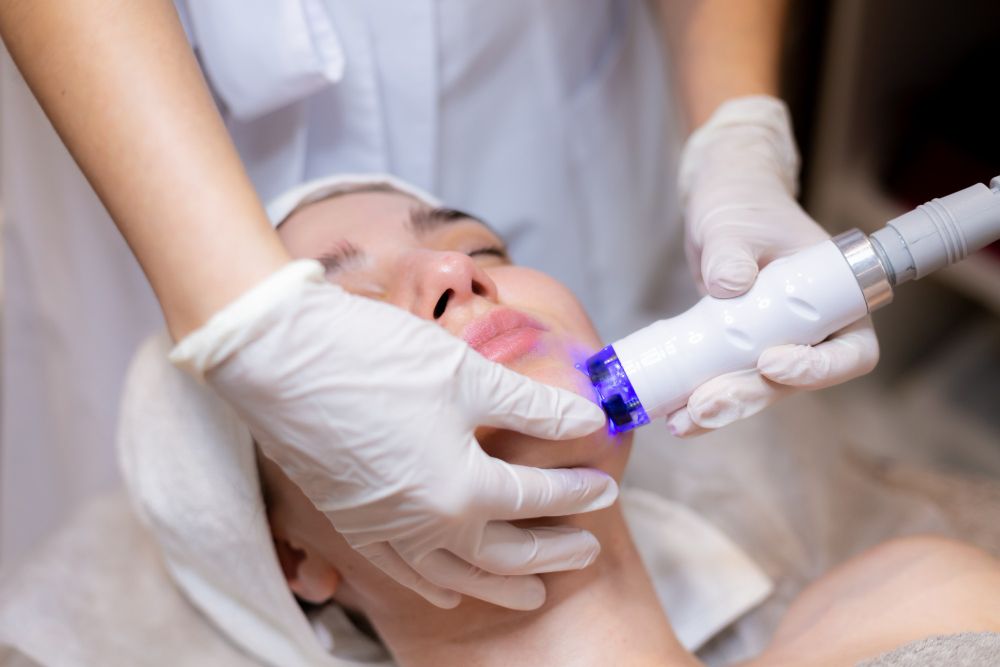
Instead of relying on gadgets that only provide temporary relief, consider Perfect Medical’s Fotona 4D NightLase Snoring Treatment.
• Uses patented laser technology to stimulate collagen production in oral tissues.
• Tightens and firms airway tissues, reducing obstruction.
• Non-invasive, painless, no downtime—you can eat, drink, and live normally right after.
• Results last up to 9 months.
• 80% of patients report significant improvement after just 2 sessions.
If snoring is affecting your life, why not try the Fotona 4D NightLase Snoring Treatment at Perfect Medical? Simply register to enjoy a free trial session.
Register Your Slot: Perfect Medical Fotona 4D NightLase Snoring Treatment免費體驗
Fotona 4D NightLase Snoring Treatment
1 Minute Self-Registration
Date should not be before minimal date
FAQ

Why do people snore?
Because airway tissues relax during sleep, narrowing airflow and causing vibrations.
What are the dangers of snoring or sleep apnea?
Poor sleep, daytime fatigue, low oxygen levels, and increased risk of cardiovascular issues.
Can anti-snoring gadgets cure snoring?
No, most only relieve symptoms temporarily. Once you stop using them, snoring returns.
Besides strips, what else can help?
CPAP, surgery, lifestyle changes—or professional treatments like Fotona 4D NightLase.
Are anti-snoring strips suitable for everyone?
Not for overweight individuals, seniors, those with throat abnormalities, or people with sensitive skin.