- Home
- Trend
- Weight Loss Strategies
- Acne Tips
- Hair Health Information
- Blemish Removal Tips
- Acne Scar Removal Tips
- Muscle Building Techniques
- Intimate Care Tips
- Postpartum Intimate Care
- Eye Bags Wiki
- Tips for Face Slimming
- Secret of Permanent Hair Removal
- Breast Enlargement Tips
- Cure to Snoring
- Marionette Lines
- Skin-Tightening Secrets

Home CPAP machines (also called sleep machines or sleep respirators) are well-known to people with severe snoring or sleep apnea, yet many still feel unsure about whether they should purchase one themselves. After all, a CPAP is a medical device — buying one without understanding its specifications, or not sourcing it from a professional supplier, can not only fail to improve snoring or sleep apnea but may even worsen the condition.

1. What Is Sleep Apnea?
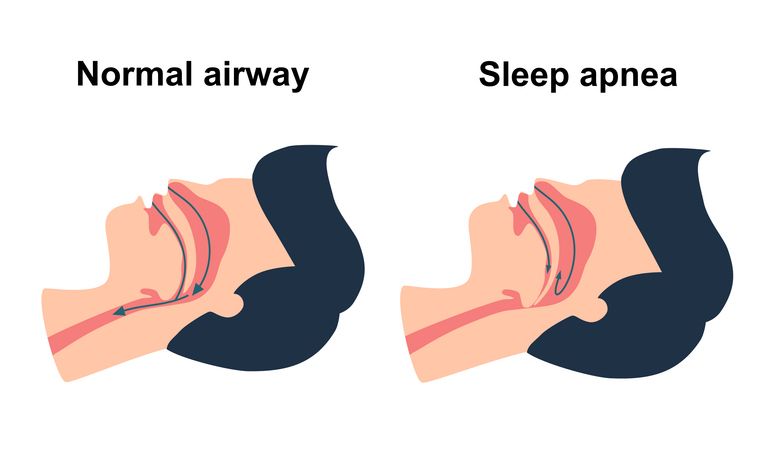
Sleep apnea (also called sleep breathing disorder) has three types:
• Obstructive Sleep Apnea (OSA)
• Central Sleep Apnea (CSA)
• Mixed Sleep Apnea
In Hong Kong, roughly 4% of middle-aged men and 2% of middle-aged women suffer from sleep apnea, most commonly obstructive sleep apnea.
Sleep apnea occurs when the upper airway is blocked, making normal breathing during sleep difficult. Breathing may temporarily stop for a few seconds up to a minute. Mild cases affect sleep quality, while severe cases can threaten overall health. Complications include cardiovascular disease, high blood pressure, heart disease, daytime fatigue, and increased risk of traffic or workplace accidents.
2. Types of CPAP Machines
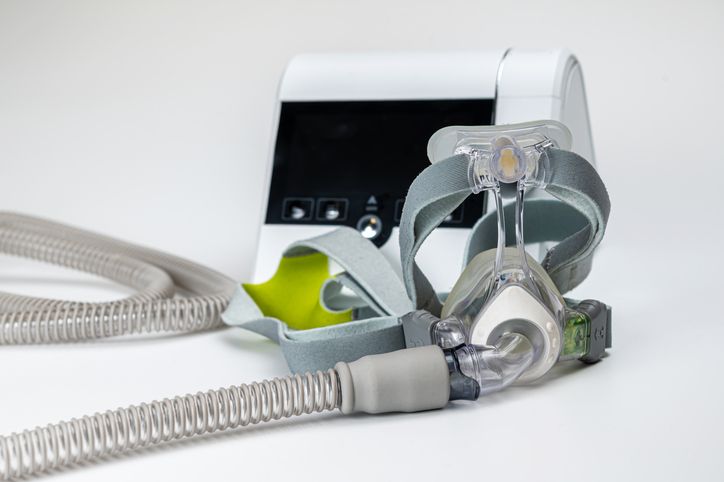
CPAP machines are among the most common and safest treatments for sleep apnea. The three main types are:
Continuous Positive Airway Pressure (CPAP) Machines
These devices work by pressurizing air and delivering it through a mask to the patient’s airway. This keeps soft tissues from collapsing, opens the airway, and prevents breathing interruptions.
1. Fixed CPAP
2. The most common and affordable type.
Preset by a doctor’s prescription to deliver constant pressure at regular intervals, keeping the airway open.
3. Auto CPAP (Smart CPAP)
4. Automatically adjusts pressure based on breathing patterns.
Higher pressure opens blocked airways; lower pressure maintains comfort once breathing is smooth.
More comfortable and improves sleep quality, but more expensive.
5. BiPAP (Bi-Level Pressure CPAP)
6. The most expensive type.
Offers higher pressure during inhalation and lower pressure during exhalation, improving oxygen intake and comfort.
免費體驗
Fotona 4D NightLase Snoring Treatment
1 Minute Self-Registration
Date should not be before minimal date
3. Can Patients Buy CPAP Machines Online?
Not recommended.
Sleep apnea varies in type and severity. Choosing the wrong CPAP machine can fail to improve symptoms or cause side effects.
Online shopping is convenient, but CPAP machines require long-term maintenance and professional guidance. There are many brands online — certified and uncertified — making after-sales service and proper support critical. Always consult a hospital or authorized supplier before buying.
4. Can CPAP Machines Cause Side Effects?
While generally safe, improper use can cause:
• Facial irritation: An ill-fitting mask may trigger allergies or rashes.
• Dry nose or mouth: May lead to nosebleeds, sneezing, or sinusitis if the humidifier is off or the mask is unsuitable.
• Stomach bloating: High pressure can cause excess air in the stomach, resulting in bloating, heartburn, or fullness.
5. Does Snoring Always Mean Sleep Apnea?
Not necessarily, but loud snoring increases the likelihood.
During sleep, relaxed soft tissues narrow the airway. Airflow may vibrate these tissues, producing snoring. Louder snoring often indicates more severe obstruction, increasing the risk of sleep apnea.
6. Can CPAP Machines Cure Snoring?
No.
CPAP machines effectively alleviate snoring and prevent breathing interruptions while in use. However, once stopped, airway obstruction may gradually return, and snoring or apnea can reoccur. Younger users may adapt better, but as age increases, airway muscles relax further, reducing the likelihood of lasting effects.
免費體驗
Fotona 4D NightLase Snoring Treatment
1 Minute Self-Registration
Date should not be before minimal date
7. Who Shouldn’t Use CPAP Machines?
Not everyone is suitable. Always consult a medical professional before purchase or use:
1. Lower airway or lung disease patients
2. Those with pneumothorax, emphysema, or diaphragm issues may worsen their condition.
3. Low blood pressure patients
4. CPAP can affect oxygen levels and blood pressure. People below 90/60 mmHg may face risks.
5. Central sleep apnea patients
6. Caused by brain injuries or strokes affecting respiratory signals. Professional guidance is required.
7. Patients with heart, brain, eye, ear, or nasal conditions
8. Uncontrolled myocardial infarction, head trauma, acute ear infections, glaucoma, rhinitis, or sinus infections.
8. Other Ways to Improve Obstructive Sleep Apnea
1. Moderate weight loss
2. Obesity increases neck fat, narrowing the airway. Exercise and diet can reduce pressure and improve airflow.
3. Anti-snoring products
4. Examples include dental appliances that reposition the lower jaw to keep the airway open. Best for mild snoring.
5. Surgery
6. Removes obstructing tissues to keep the airway open. Risk of failure or recurrence exists.
9. Want to Stop Snoring for Good? Try Fotona 4D NightLase Snoring Treatment
The Fotona 4D NightLase Snoring Treatment is a highly recommended therapy.
• Duration of effectiveness: Up to 9 months.
• How it works: Uses patented laser technology to stimulate collagen in oral tissues, tightening them and reopening the airway, reducing snoring and sleep apnea episodes.
• Benefits: Non-invasive, painless, no downtime — suitable for most snorers.
At Perfect Medical, 80% of patients see significant improvement after just two sessions.
Book a Trial: Perfect Medical Fotona 4D NightLase Snoring Treatment免費體驗
Fotona 4D NightLase Snoring Treatment
1 Minute Self-Registration
Date should not be before minimal date
FAQ

What is sleep apnea?
A condition where blocked airways narrow breathing during sleep, causing temporary pauses from a few seconds up to a minute.
How does a CPAP machine work?
It delivers pressurized airflow to open obstructed airway tissues and support the airway, improving oxygen flow and alleviating apnea.
How much does a CPAP machine cost?
Fixed CPAP: ~$3,800–$9,800
Can CPAP cure snoring?
No. Effects are temporary while in use; snoring may recur once stopped.
Any other options besides CPAP?
Weight loss, anti-snoring devices, surgery, or the Fotona 4D NightLase Snoring Treatment, which uses laser technology to tighten oral tissues, reopen the airway, and improve snoring and sleep apnea.