- Home
- Trend
- Weight Loss Strategies
- Acne Tips
- Hair Health Information
- Blemish Removal Tips
- Acne Scar Removal Tips
- Muscle Building Techniques
- Intimate Care Tips
- Postpartum Intimate Care
- Eye Bags Wiki
- Tips for Face Slimming
- Secret of Permanent Hair Removal
- Breast Enlargement Tips
- Cure to Snoring
- Marionette Lines
- Skin-Tightening Secrets

“Anti-snoring exercises” have recently become a hot topic, recommended by ENT specialist Dr. Hung-Cheng Tsang, and are gaining popularity among people troubled by snoring. Many couples know all too well how disruptive snoring can be—not only affecting sleep quality but even straining relationships. After all, once you’re asleep, it’s nearly impossible to control the volume of your snores!
To help, we’ve put together Dr. Tsang’s recommended 5-step anti-snoring exercise routine along with a full overview of treatment options. And at the end, we’ll also introduce a safe, non-invasive medical solution to stop snoring for good.

Why Do We Snore? Understanding the Physiology
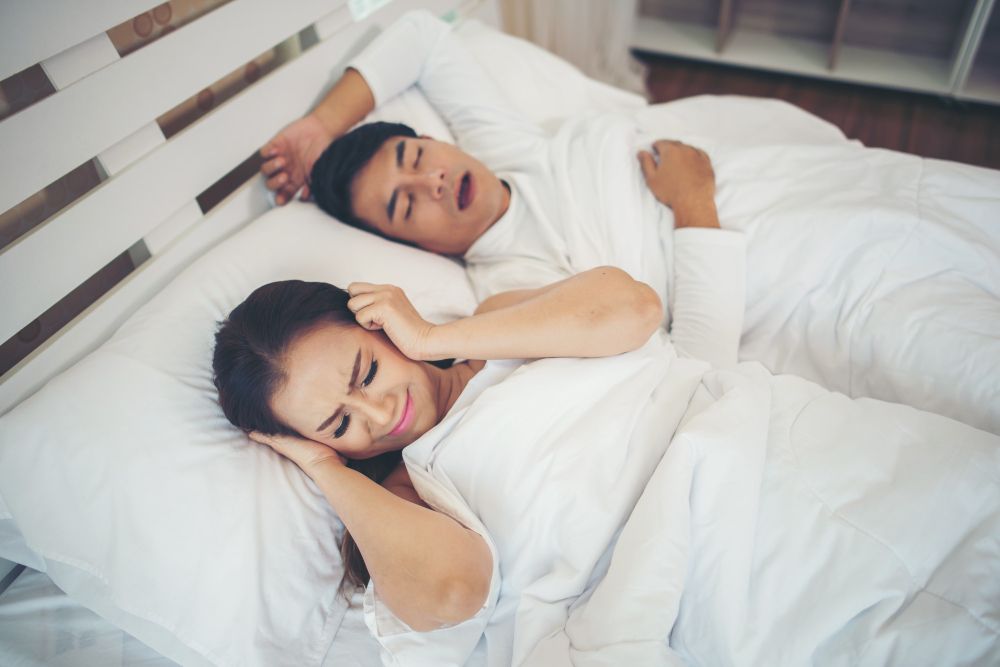
Snoring is closely linked to how freely air flows through the nasal passages and airway. According to medical studies and clinical observations, once we fall asleep, our muscles naturally relax—including those that support the airway. When the throat or nasal passages become narrowed due to muscle relaxation, fat buildup, or inflammation, airflow creates friction. This makes tissues like the soft palate, uvula, and throat vibrate, producing the sound we know as snoring.
Breathing mainly through the mouth instead of the nose, or having issues with the Eustachian tube, can further alter breathing patterns and cause structural changes in the airway, making it more prone to obstruction. Recognizing these mechanisms is the first step to tackling snoring and restoring quality sleep.
Are There Different Levels of Snoring?
Yes. Snoring can be categorized as:
• Mild – Occasional, not too loud, usually doesn’t disturb others.
• Moderate – Occurs daily with a noticeable volume, often disrupting a partner’s sleep.
• Severe – Accompanied by breathing pauses, gasping, or interrupted breathing (a red flag for sleep apnea).
Want to know where you stand? Ask a family member to observe, or use a recording app or sleep tracker. If your snoring is loud enough to disturb others, or you wake up gasping or still feeling exhausted, it’s best to consult a doctor to rule out sleep apnea.
Why Do Anti-Snoring Exercises Work? 4 Benefits for Airway Health
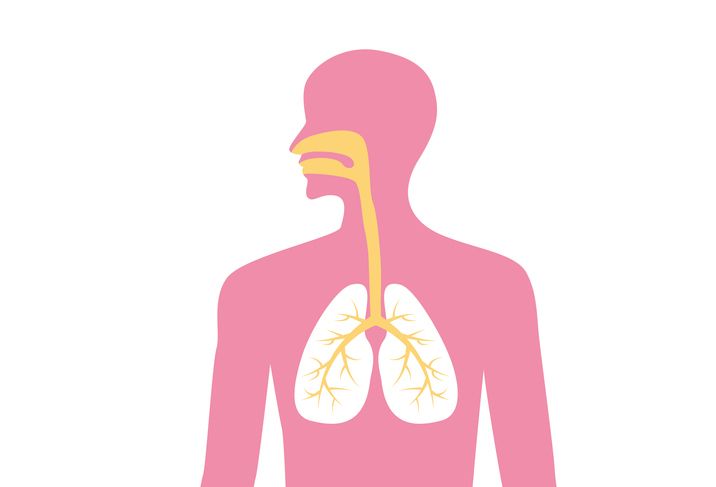
1. Strengthen airway-supporting muscles: Exercises that target the tongue, soft palate, and throat muscles reinforce airway stability, reducing collapse during sleep.
2. Improve nasal breathing: Training the nose and mouth to work more efficiently promotes nasal breathing, easing blockages that force mouth breathing.
3. Enhance lip closure and jaw stability: Many snorers sleep with their mouth open. Lip and jaw exercises help keep the mouth closed, minimizing vibration and snoring sounds.
4. Prevent sleep apnea progression: Consistent exercise can reduce the risk of sleep apnea and improve overall sleep quality, reducing fatigue and poor concentration during the day.
免費體驗
Fotona 4D NightLase Snoring Treatment
1 Minute Self-Registration
Date should not be before minimal date
Dr. Tsang’s Recommended 5-Step Anti-Snoring Exercise Routine
“Snoring isn’t just a sound problem—it’s tied to muscle weakness in the tongue, mouth, and throat,” explains Dr. Tsang. “By strengthening and repositioning these muscles, we can stabilize the airway and reduce snoring.”
Here are the key exercises (about 10–15 minutes a day is recommended):
Tongue Exercises
• Tongue Stretch: Stick your tongue out as far as possible, hold for 5 seconds, then relax. Repeat 10–15 times.
• Tongue Push: Press your tongue firmly against the roof of your mouth for 5–10 seconds, then release.
• Tongue Circles: With your mouth closed, move your tongue in a circle along the inside of your teeth (10 clockwise, 10 counter-clockwise).
Mouth & Face Exercises
• Lip Closure Training: Pucker your lips tightly for 5 seconds, then relax. Repeat 10 times.
• Smile Stretch: Smile widely and hold for 5 seconds to activate facial muscles and support airway stability.
The goal is not just to exercise individual muscles, but to retrain the entire upper airway to stay in its proper resting position, making it easier to breathe quietly during sleep.
Beyond Exercises: 6 Lifestyle & Treatment Tips to Reduce Snoring
In addition to exercises, these adjustments can further help:
1. Nasal irrigation (saline rinse): Clears allergens and mucus to keep nasal passages open.
2. Better sleep posture & aids:
- Try side-sleeping instead of lying on your back.
- Use nasal strips or dilators for short-term relief.
3. Weight management: Reduces fat around the throat, lowering airway obstruction.
4. Quit smoking & limit alcohol: Both relax airway muscles, worsening snoring.
5. Keep bedroom air moist: Use a humidifier to reduce throat dryness and nasal irritation.
Still Snoring Despite Exercises? Try Fotona 4D NightLase® – A Non-Invasive Solution
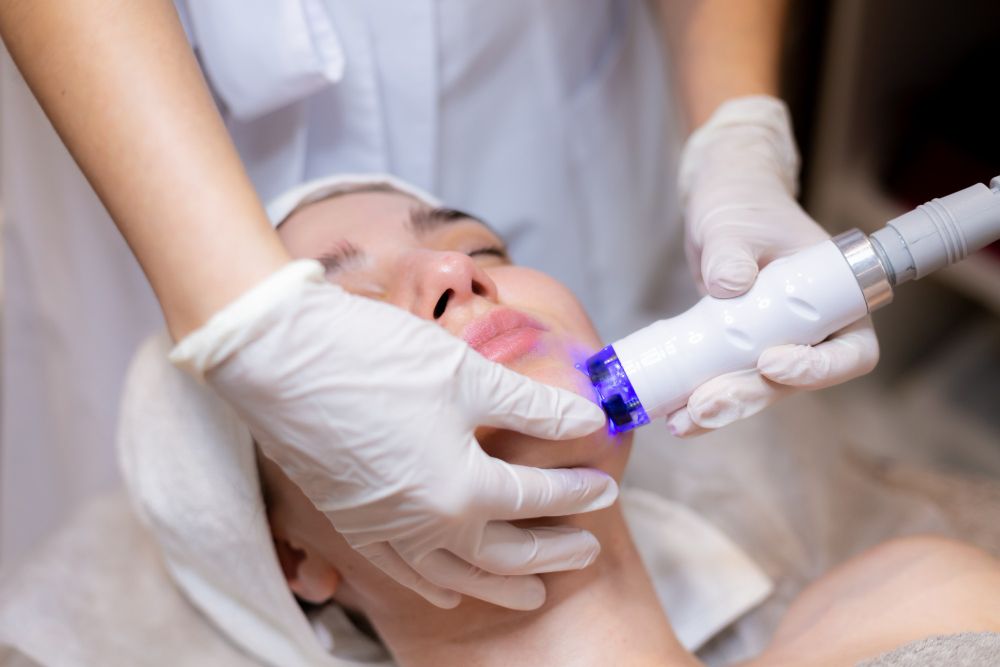
If you’ve been diligent with exercises but your partner still complains about your “snoring symphony,” don’t worry—there’s a safe, effective, and non-invasive option: Perfect Medical’s Fotona 4D NightLase Snoring treatment.
This advanced laser therapy uses gentle energy to tighten oral and throat tissues, reducing airway collapse—the root cause of snoring. It’s:
• Non-invasive – No needles, no cuts.
• Painless – Comfortable and well-tolerated.
• No downtime – You can return to normal life immediately.
By restoring natural airflow, NightLase® helps reduce or even eliminate snoring, improving both your sleep and your partner’s.
Book a consultation with Perfect Medical today and enjoy a professional body analysis + Fotona 4D NightLase® session—because restful sleep is the best gift for you and your loved ones.
免費體驗
Fotona 4D NightLase Snoring Treatment
1 Minute Self-Registration
Date should not be before minimal date
FAQ

Does snoring always mean I’m sick?
Not necessarily, but chronic snoring may be linked to health issues.
How long before exercises improve snoring?
It varies—anywhere from a few weeks to several months.
Can sleeping on my side completely stop snoring?
It helps some people, but not everyone.
Does snoring affect sleep quality?
Yes. It can cause fragmented sleep and daytime fatigue.
What’s a quick fix for snoring?
Changing sleep position or using nasal dilators may help temporarily.