- Home
- Trend
- Weight Loss Strategies
- Acne Tips
- Hair Health Information
- Blemish Removal Tips
- Acne Scar Removal Tips
- Muscle Building Techniques
- Intimate Care Tips
- Postpartum Intimate Care
- Eye Bags Wiki
- Tips for Face Slimming
- Secret of Permanent Hair Removal
- Breast Enlargement Tips
- Cure to Snoring
- Marionette Lines
- Skin-Tightening Secrets

Do you often feel stuffy even without catching a cold? Be careful—it might not be a small problem!

Blocked Nose, Snoring, Breathing Difficulties? You May Have a Deviated Septum!
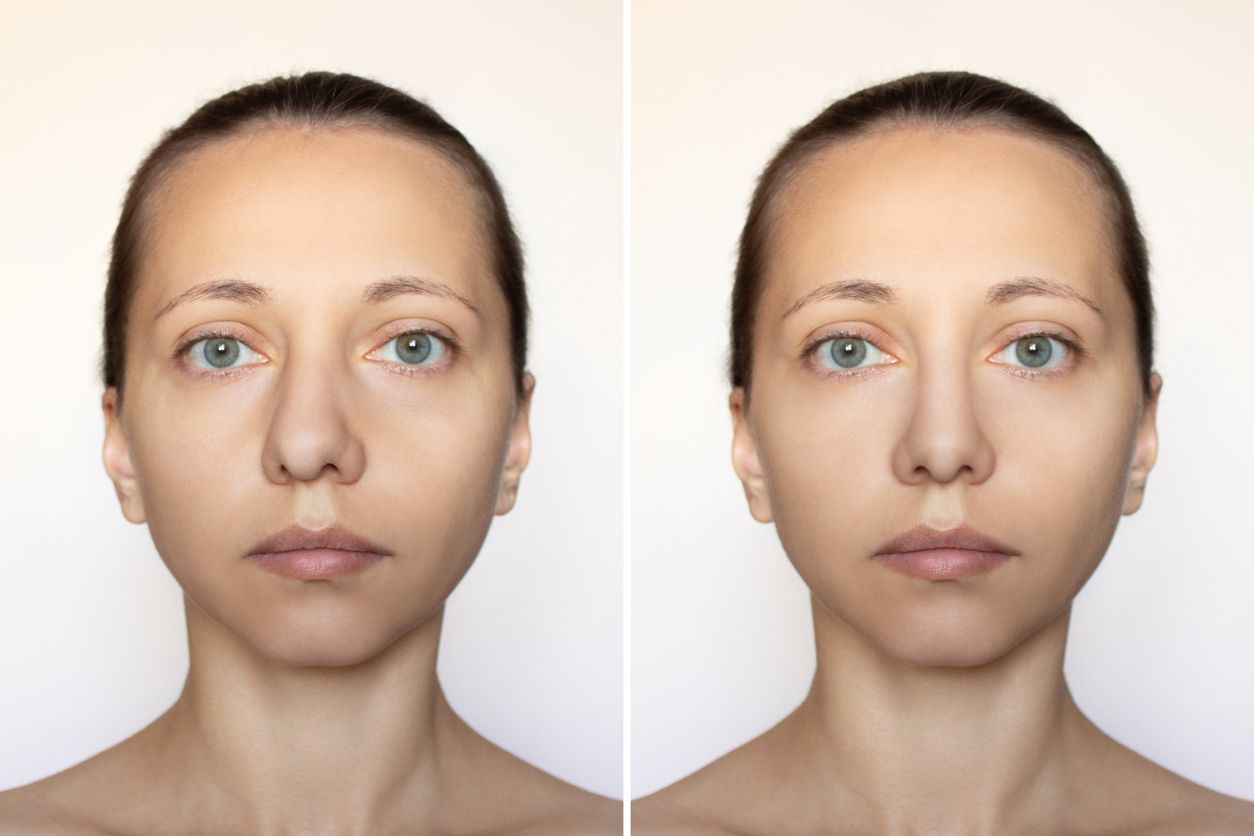
Do you often feel stuffy even without catching a cold? Be careful—it might not be a small problem! A deviated septum could be the hidden culprit. Many people suffer from long-term nasal congestion and difficulty breathing without realizing the underlying structural issue inside their nasal cavity. A deviated septum not only reduces quality of life but may also have lasting impacts on overall health.
What Exactly Is the Nasal Septum, and What Happens If It’s Deviated?
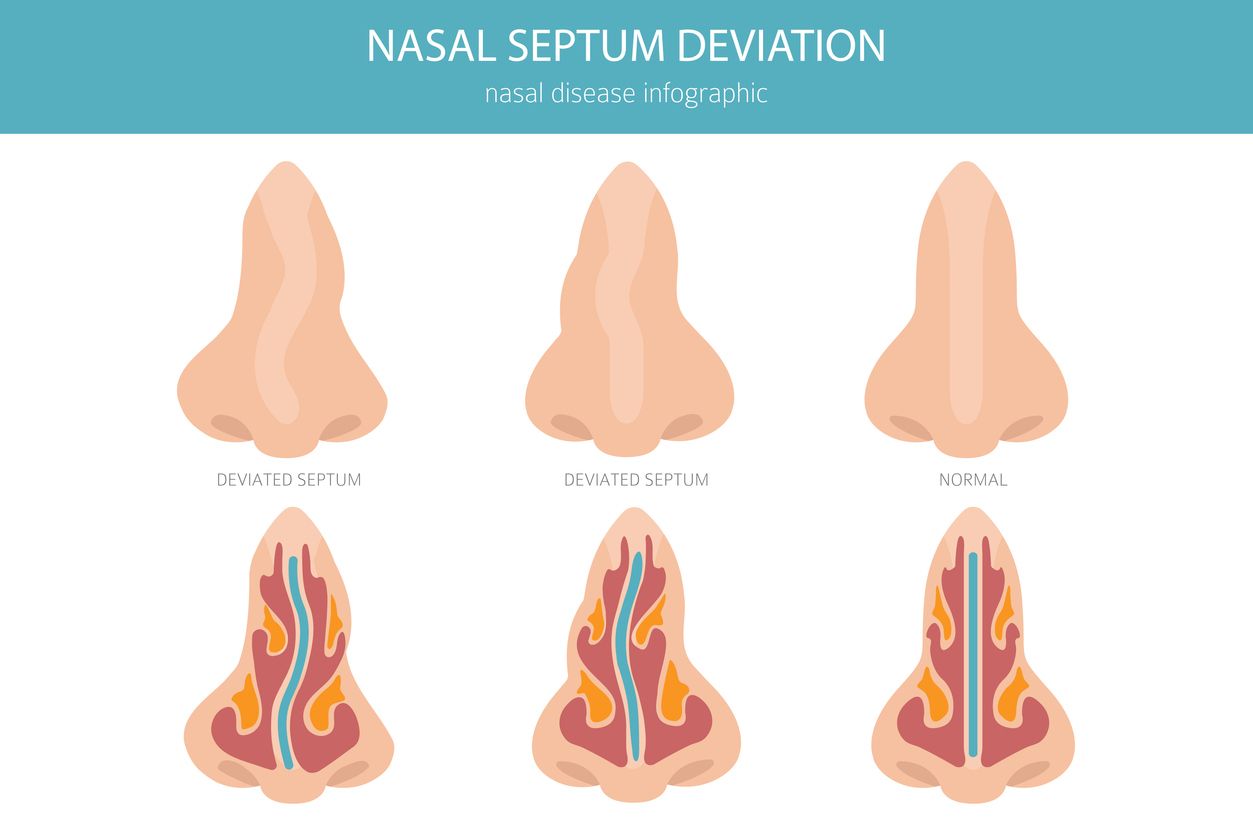
Think of the nasal septum as a “partition wall” inside your nose, dividing the nasal cavity into left and right sides. It’s made of cartilage and bone, helping direct airflow while also supporting the nose’s structure and appearance.
When the septum is bent or deviated, one or both nasal passages become narrower, leading to congestion, difficulty breathing, sleep issues, and even changes in nasal appearance.
免費體驗
Fotona 4D NightLase Snoring Treatment
1 Minute Self-Registration
Date should not be before minimal date
Why Does the Nasal Septum Become Deviated? Causes Explained
Deviations can be congenital (from birth) or acquired (develop later in life):
Congenital Causes
• Genetic predisposition: born with a deviated septum
• Uneven bone growth: cartilage and bone developing at different speeds
Acquired Causes
• Nasal injuries: from sports accidents or traffic collisions
• Aging: structural degeneration over time
What Are the Symptoms & Complications of a Deviated Septum?
Common symptoms include:
• Chronic nasal congestion, mouth breathing
• Frequent nosebleeds
• Dizziness or headaches
• Snoring and sleep disturbances
• Sinusitis or middle ear infections
• Chronic pharyngitis or bronchitis
Types of Septal Deviation (and Their Link with Rhinitis)
| Type of Deviation | Description |
|---|---|
| C-shaped | Curves to one side, causing one-sided blockage |
| S-shaped | Curves both ways, obstructing airflow on both sides |
| Caudal dislocation | Displacement of the septum’s lower end, may affect breathing and appearance |
| Bone spur/thickening | Protrusions or bony growths, worsening nasal blockage |
免費體驗
Fotona 4D NightLase Snoring Treatment
1 Minute Self-Registration
Date should not be before minimal date
Do All Deviations Require Surgery?
Not always—it depends on severity.
Non-surgical (for mild cases):
• Antihistamines
• Nasal steroid sprays
Surgical (for moderate to severe or structural issues):
1. Traditional Septoplasty – removes or reshapes the deviated section (does not alter appearance)
2. Minimally Invasive Endoscopic Surgery – small incisions, less bleeding, faster recovery
3. Functional Rhinoplasty – corrects both breathing and cosmetic issues
Surgery Comparison: Traditional vs. Endoscopic vs. Functional Rhinoplasty
| Surgery Type | Duration | Incision | Recovery | Best For |
|---|---|---|---|---|
| Septoplasty | 30–60 min | Inside nose | ~1 week | Simple nasal obstruction |
| Endoscopic | 30–60 min | Minimally invasive | Faster | Patients seeking comfort & quick recovery |
| Functional Rhinoplasty | 2–4 hrs | Open incision | 2–4 weeks | Patients with both obstruction & cosmetic concerns |
Common Myths & FAQs about Septal Deviation Treatment
Q1: Is septum surgery risky?
Risks are relatively low—mainly bleeding or temporary discomfort. When performed by professionals, it’s very safe.
Q2: Can the septum deviate again after surgery?
With proper aftercare, recurrence is rare.
Q3: Will surgery change my nose shape?
Septoplasty won’t, but functional rhinoplasty will.
Q4: Is it expensive?
Costs vary depending on clinic and procedure—best to consult an ENT specialist.
Q5: Is everyone suitable for septum surgery?
Not recommended for patients with incomplete growth or bleeding disorders.
免費體驗
Fotona 4D NightLase Snoring Treatment
1 Minute Self-Registration
Date should not be before minimal date
Hong Kong Case Studies: 3 Patients’ Real Experiences
• Mr. Wong (40): Surgery solved long-term congestion, drastically improving sleep.
• Mr. Koo (55): Post-surgery breathing was smooth, nasal allergies eased.
• Mr. Tai (28): Functional rhinoplasty improved both breathing and nasal shape.
Snoring Isn’t Always Caused by a Deviated Septum! Meet the Fotona 4D NightLase Snoring Treatment
Still snoring even when your nose feels clear? Surprisingly, snoring isn’t always due to nasal issues—it may be caused by loose tissues in the mouth or throat.
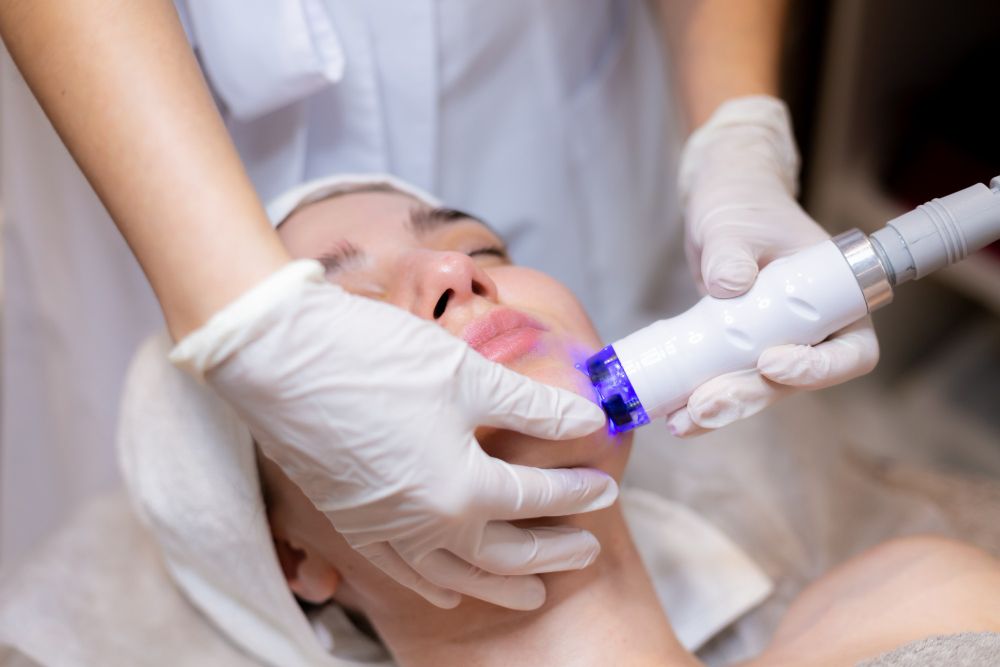
The Fotona 4D NightLase Snoring treatment is a non-invasive solution that uses patented laser technology to tighten relaxed soft tissues, reduce airway obstruction, and eliminate snoring—without surgery or downtime.
Benefits of Fotona 4D NightLase Snoring Treatment:
• Non-invasive patented laser that contracts airway tissues to ease snoring
• Improves airflow, may also help mild sleep apnea
• Quick 15-minute treatment, results lasting up to 1 year
• Painless, no side effects, extremely safe
• No permanent structural changes
Studies show 80% of patients notice improvement after just 2 sessions. Treatment is quick, doesn’t affect eating or daily activities, and fits perfectly into a busy lifestyle.
So, why keep suffering (and making your partner suffer)? Discover whether your snoring is really nose-related or not—book a professional consultation at Perfect Medical today to find out!
免費體驗
Fotona 4D NightLase Snoring Treatment
1 Minute Self-Registration
Date should not be before minimal date
FAQ

Can a deviated septum heal on its own?
No, it’s a structural issue and requires medical treatment or surgery.
Can a deviated septum affect brain function?
Chronic congestion and low oxygen levels may impact focus and memory.
Can septum deviation be prevented?
Congenital deviation cannot, but acquired ones can be reduced by avoiding nasal trauma.
Which specialist should I see?
An ENT (ear, nose, and throat) specialist.
Who is NightLase® laser suitable for?
People who want to reduce snoring, have mild sleep apnea, or wish to avoid surgery