- Home
- Trend
- Weight Loss Strategies
- Acne Tips
- Hair Health Information
- Blemish Removal Tips
- Acne Scar Removal Tips
- Muscle Building Techniques
- Intimate Care Tips
- Postpartum Intimate Care
- Eye Bags Wiki
- Tips for Face Slimming
- Secret of Permanent Hair Removal
- Breast Enlargement Tips
- Cure to Snoring
- Marionette Lines
- Skin-Tightening Secrets

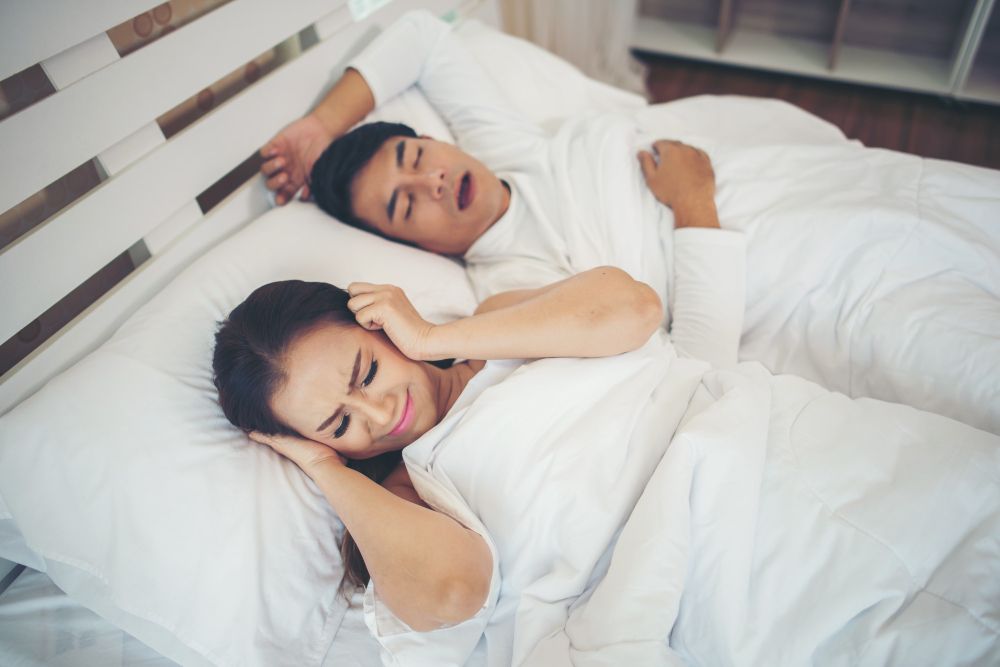
“Anti-snoring exercises” have become a trending topic in recent years. These exercises are strongly recommended by senior ENT specialist Dr. Tseng Hung-Cheng and have gained popularity among people struggling with snoring. Many individuals go to great lengths to address snoring—not only to protect their sleep quality, but also to preserve harmony in their relationships. After all, once you fall asleep, it is almost impossible to control how loud your snoring becomes.
In this article, we break down five doctor-recommended anti-snoring exercise steps, along with a comprehensive overview of effective treatment options. Stay to the end—we also introduce a powerful solution designed to help you finally stop snoring altogether.

Why Do We Snore? Understanding the Physiology Behind Snoring
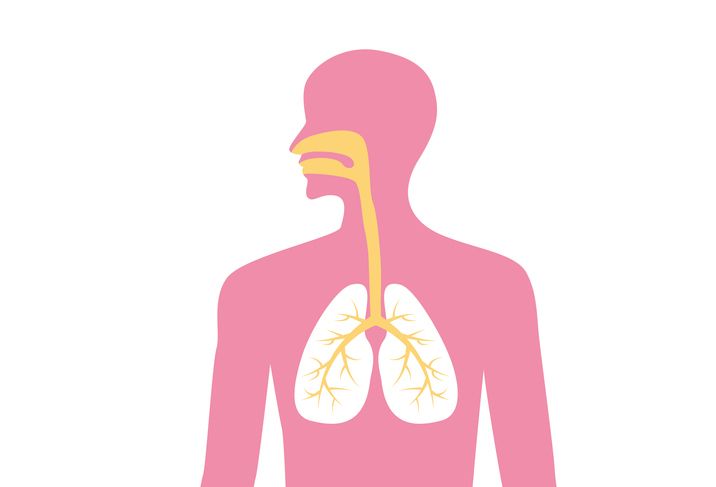
Snoring is closely linked to nasal breathing and airway patency. Medical research and clinical observations show that when we fall asleep, the muscles throughout the body relax—including those that support the airway. If areas such as the pharynx or nasopharynx become narrowed due to muscle relaxation, fat accumulation, or inflammation, airflow passing through these spaces creates friction.
This friction causes surrounding tissues—such as the soft palate, uvula, tongue base, and throat walls—to vibrate, producing the familiar snoring sound.
In addition, poor Eustachian tube function or long-term mouth breathing instead of nasal breathing can alter overall breathing patterns. Over time, this may even change oral and facial structure, further increasing the risk of airway obstruction. These combined factors affect airflow efficiency and play a critical role in the development of snoring. Understanding these mechanisms is the first step toward effective improvement and more restful sleep.
Are There Different Levels of Snoring? Simple Classification and Self-Assessment
Snoring is not a one-size-fits-all issue. Based on frequency and volume, it is generally classified into mild, moderate, and severe categories.
• Mild snoring occurs occasionally and is relatively quiet.
• Moderate snoring happens almost nightly and is loud enough to disturb a bed partner.
• Severe snoring may involve breathing pauses, gasping, or choking sounds and carries greater health risks.
To assess your own snoring, ask a family member to observe, or use a recording app or sleep tracker. If your snoring disrupts others, causes sudden awakenings, or leaves you feeling unrefreshed in the morning, it is advisable to consult a doctor to evaluate the risk of sleep apnea.
Why Are Anti-Snoring Exercises Important? Improving Airway Health Through Four Key Benefits
1. Strengthening airway support muscles
Targeted exercises for the tongue, soft palate, and pharyngeal muscles help reinforce the “framework” that keeps the airway open during sleep. Increased muscle tone reduces the risk of airway collapse caused by relaxation.
2. Improving nasal airflow and breathing patterns
Nasal congestion or postnasal drip may force people to breathe through the mouth, worsening snoring. Breathing exercises focusing on the nose and oral cavity can improve ventilation efficiency and encourage natural nasal breathing.
3. Enhancing lip closure and jaw stability
Many people snore because their mouths open during sleep, increasing vibration. Lip-closure exercises help stabilize the jaw and maintain an open airway with reduced turbulence.
4. Preventing progression of sleep-related breathing disorders
Untreated snoring may develop into sleep apnea over time. Regular anti-snoring exercises can reduce this risk, improve sleep quality, and alleviate daytime fatigue and poor concentration.
免費體驗
Fotona 4D NightLase Snoring Treatment
1 Minute Self-Registration
Date should not be before minimal date
ENT Specialist Dr. Tseng Hung-Cheng’s Recommended Anti-Snoring Exercises
Dr. Tseng emphasizes: “Snoring is not merely a noise issue. It is closely related to tongue strength, tongue position, and muscle laxity in the oropharyngeal region.”
By practicing targeted exercises, we can retrain tongue posture and oral muscle stability, prevent airway collapse, and significantly improve snoring and sleep quality.
1. Tongue Exercises: Strengthen the Core and Stabilize Tongue Position
• Tongue extension: Stick your tongue out as far as possible, hold for 5 seconds, then retract. Repeat 10–15 times to prevent the tongue from falling backward during sleep.
• Tongue-to-palate press: Press the tongue firmly against the roof of the mouth for 5–10 seconds, then relax. This improves tongue base stability.
• Tongue circles: With your mouth closed, move the tongue along the inside of the teeth in slow circular motions. Perform 10 rotations clockwise and counterclockwise to enhance flexibility.
2. Mouth and Facial Exercises: Improve Lip and Facial Stability
• Lip-closing exercise: Pucker your lips tightly for 5 seconds, then relax. Alternatively, press lips together firmly and repeat 10 times to encourage closed-mouth breathing during sleep.
• Smile and stretch: Smile as widely as possible while tightening facial muscles for 5 seconds to activate facial support muscles.
3. Purpose-Driven Training Principles
The goal of these exercises is not to isolate individual muscles, but to help the upper airway return to its optimal resting state. When the tongue is stable, lips remain closed, and airway tension is sufficient, snoring naturally improves.
Dr. Tseng recommends practicing these exercises 10–15 minutes daily and maintaining consistency to see meaningful results.
Additional Treatment Options and Lifestyle Adjustments: Six Practical Ways to Support Better Breathing and Reduce Snoring
1. Pulsating nasal irrigation
A pulsating nasal irrigator gently removes allergens, mucus, and pollutants, improving nasal congestion and postnasal drip—especially beneficial for allergy sufferers.
2. Sleep position and external aids
• Side sleeping instead of back sleeping reduces airway compression.
• Nasal dilators or anti-snoring strips help open nasal passages and improve airflow temporarily.
3. Lifestyle optimization
• Weight management: Reduces fat accumulation around the throat.
• Quit smoking and limit alcohol: Both relax airway muscles and worsen snoring.
• Maintain bedroom humidity: A humidifier reduces airway dryness and irritation.
Tried Exercises for Months With No Results? Fotona 4D NightLase Snoring Treatment—A Fast, Gentle, and Non-Invasive Solution
If you have diligently practiced exercises but your snoring persists, it may be time for a more advanced solution. Perfect Medical’s Fotona 4D NightLase Snoring Treatment offers a high-value, non-invasive aesthetic-medical approach suitable for all types of snorers.
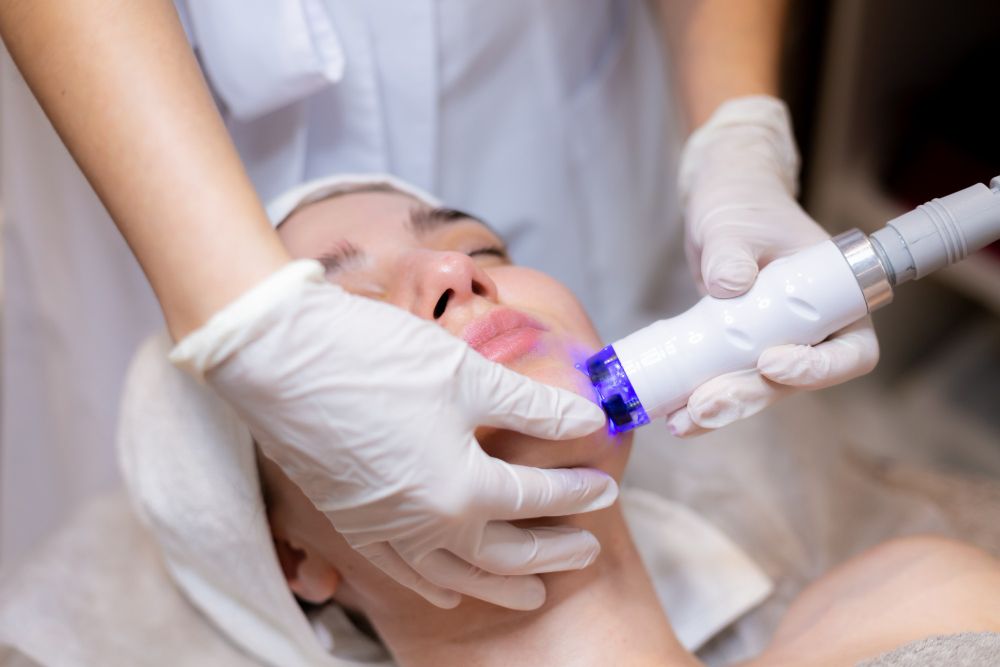
Using NIGHTLASE® laser technology, the treatment painlessly tightens relaxed airway tissue without surgery, downtime, or recovery. It targets the root cause of snoring while restoring normal breathing during sleep. As a non-invasive procedure, it carries minimal risk, no scarring, and no long-term side effects.
For the sake of your loved ones—and your own sleep—now is the time to act. Register today to enjoy a professional assessment plus Fotona 4D NightLase Snoring Treatment, and experience truly restful nights again.
免費體驗
Fotona 4D NightLase Snoring Treatment
1 Minute Self-Registration
Date should not be before minimal date
FAQ

1. Does snoring always mean illness?
Not necessarily, but persistent snoring may be linked to underlying health conditions.
2. How long does it take for exercises to improve snoring?
Results vary, but improvement typically requires several weeks to months.
3. Can side sleeping completely stop snoring?
It helps some people, but not everyone.
4. Does snoring affect sleep quality?
Yes. Snoring can disrupt sleep cycles and reduce sleep quality.
5. Are there quick ways to reduce snoring?
Changing sleep position and using nasal dilators may provide temporary relief.