- Home
- Trend
- Weight Loss Strategies
- Acne Tips
- Hair Health Information
- Blemish Removal Tips
- Acne Scar Removal Tips
- Muscle Building Techniques
- Intimate Care Tips
- Postpartum Intimate Care
- Eye Bags Wiki
- Tips for Face Slimming
- Secret of Permanent Hair Removal
- Breast Enlargement Tips
- Cure to Snoring
- Marionette Lines
- Skin-Tightening Secrets

Is your sleep quality in the red zone? Is your partner wailing beside you every night? Annoying snoring not only disrupts sleep but can also signal underlying health issues. Don’t worry—say goodbye to thunderous snoring with anti-snoring acupressure! Let’s break down why massaging certain points can relieve snoring.

What Causes Snoring? Why Your Sleep Quality Drops
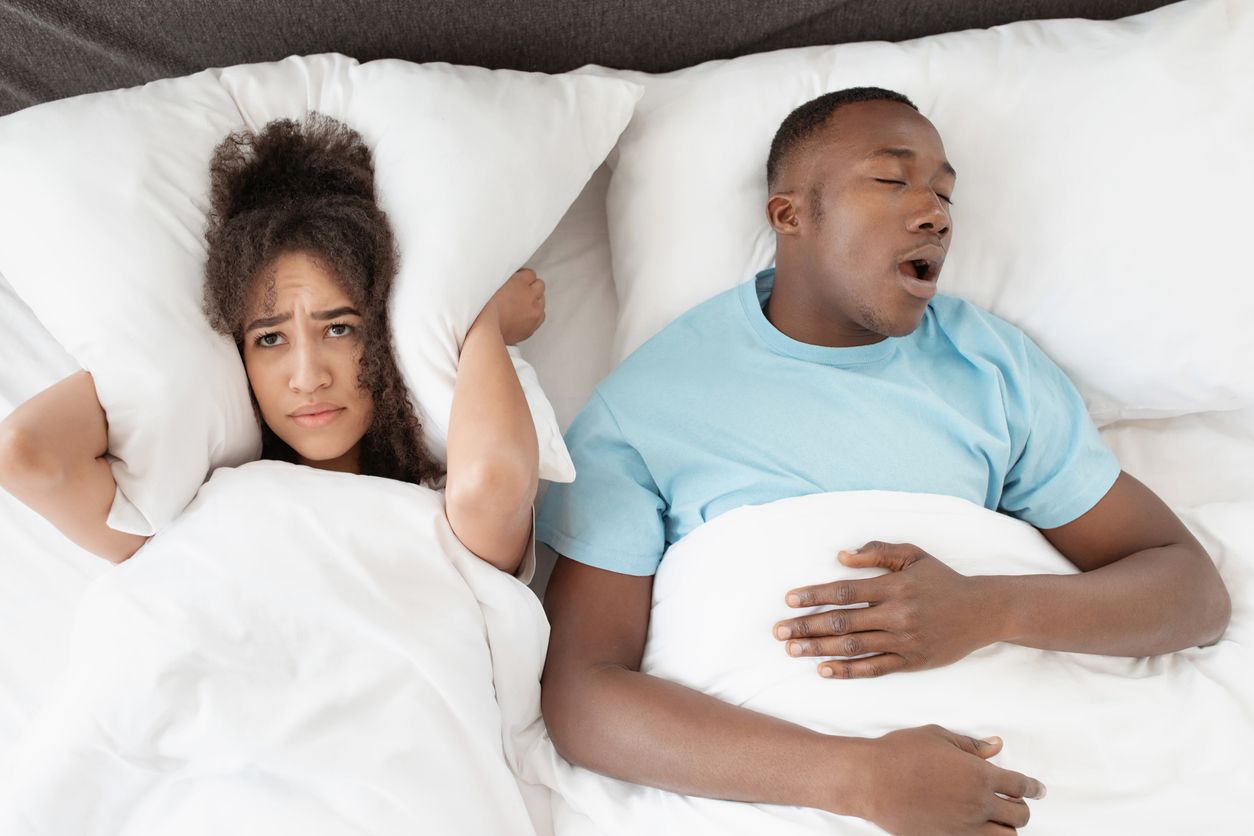
Simply put, snoring occurs when airflow passes through a narrowed airway during sleep, causing the soft tissues to vibrate and produce sound. Imagine air rushing through a tight passage—that familiar “whooshing” noise is exactly how snoring works.
Medical insights: Common causes of snoring
• Nasal congestion: Colds, allergies, rhinitis, or chronic sinusitis can block nasal passages.
• Enlarged tongue: Obesity or aging can cause tongue muscles to relax and enlarge, partially obstructing the airway.
• Abnormal airway structure: Enlarged tonsils, elongated uvula, and similar structural factors.
• Unhealthy habits: Alcohol or sedative use before bed relaxes muscles and increases snoring risk.
Check your snoring type—what kind of “snore beast” are you?
• Intermittent snoring: Occasional, often related to fatigue or alcohol.
• Persistent snoring: Nightly snoring, possibly due to chronic congestion or structural issues.
• Obstructive Sleep Apnea (OSA): Loud, irregular snoring with pauses in breathing and daytime fatigue.
Break the Snoring Curse: 3 Easy Acupressure Points Recommended by TCM Experts
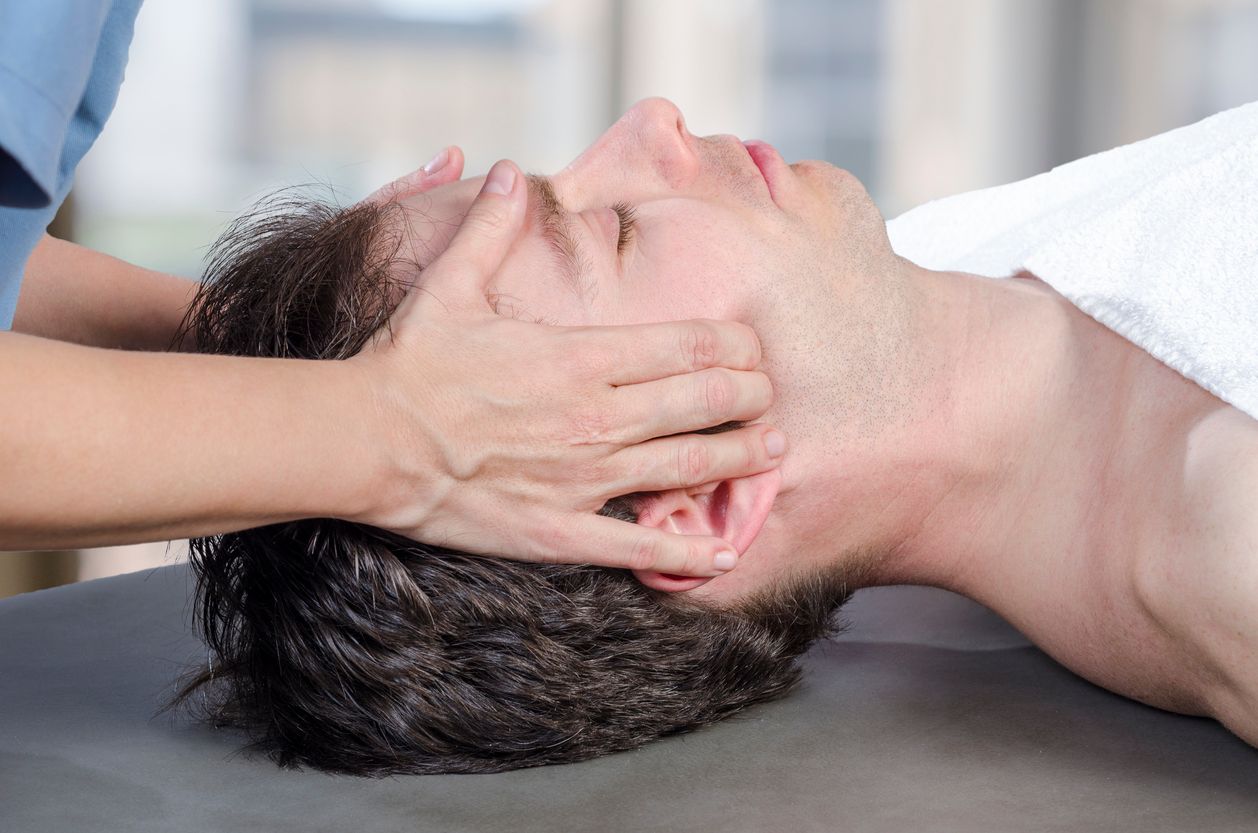
How acupressure works
Acupressure is a core part of Traditional Chinese Medicine (TCM). Stimulating specific points can improve blood circulation, relax muscles, and open up airways, helping relieve snoring. In short, it helps the body loosen tension and improve airflow.
Three key acupressure points
1. Yingxiang (LI20) – Clear nasal passages
• Location: On both sides of the nose, in the nasolabial groove—near the crease that appears when you smile.
• Technique: Use your fingertips to gently press and rub in a clockwise motion for 1–2 minutes until a mild soreness is felt.
• Benefits: Relieves nasal congestion, eases rhinitis, promotes smoother breathing.
2. Yintang – Calm the mind and improve sleep
• Location: Between the eyebrows.
• Technique: Press gently with fingertips, rub clockwise for 1–2 minutes until relaxed.
• Benefits: Calms the mind, reduces anxiety, and improves sleep quality.
3. Fengchi (GB20) – Relax neck muscles and open the airway
• Location: At the base of the skull, just above the hairline, in two depressions on either side.
• Technique: Use thumbs to press and massage in circular motions for 1–2 minutes until the shoulders and neck feel relaxed.
• Benefits: Relieves neck tension, headaches, and improves breathing comfort.
Bonus: Hegu (LI4) – Alleviate various discomforts
• Location: On the hand, between the thumb and index finger, at the highest point of the muscle when fingers are joined (“the webbing”).
• Technique: Press with the opposite thumb toward the index finger, rub 1–2 minutes; alternate hands.
• Benefits: Relieves headaches, toothaches, sore throat, cold symptoms, and helps relax the body, indirectly easing snoring caused by tension.
Tips for better results:
• Combine with essential oils like lavender, peppermint, or eucalyptus to further relax and clear airways.
• Massage 15–20 minutes before bedtime, consistently for visible results.
• Consult a professional TCM practitioner or doctor, especially pregnant women or those with hypertension.
免費體驗
Fotona 4D NightLase Snoring Treatment
1 Minute Self-Registration
Date should not be before minimal date
Beyond Acupressure: Lifestyle Changes for Chronic Sinusitis and Snoring
Sleep routine
Maintain a comfortable sleep environment, adjusting light, temperature, and humidity.
Sleeping position
Side sleeping keeps airways open and avoids back-sleep obstruction.
Dietary habits
Avoid alcohol or caffeine before bed; increase fruits, vegetables, and whole grains.
Regular exercise
Helps reduce weight and strengthens respiratory muscles.
Other aids
Mouthpieces, CPAP devices, or other tools may be appropriate—consult a professional.
Who Should Pay Extra Attention to Snoring? 4 High-Risk Groups
1. Older adults
2. Overweight or obese individuals
3. People with chronic nasal allergies or congestion
4. Individuals with a history of sleep apnea
When TCM Acupressure Isn’t Enough: Fotona 4D NightLase Snoring Treatment Solves Snoring in 15 Minutes
While TCM addresses snoring through body constitution adjustment and acupressure, results are not guaranteed for everyone. If traditional TCM, Western medicine, and various anti-snoring devices fail, it’s time to explore Fotona 4D NightLase Snoring Treatment.
About Fotona 4D NightLase Snoring Treatment
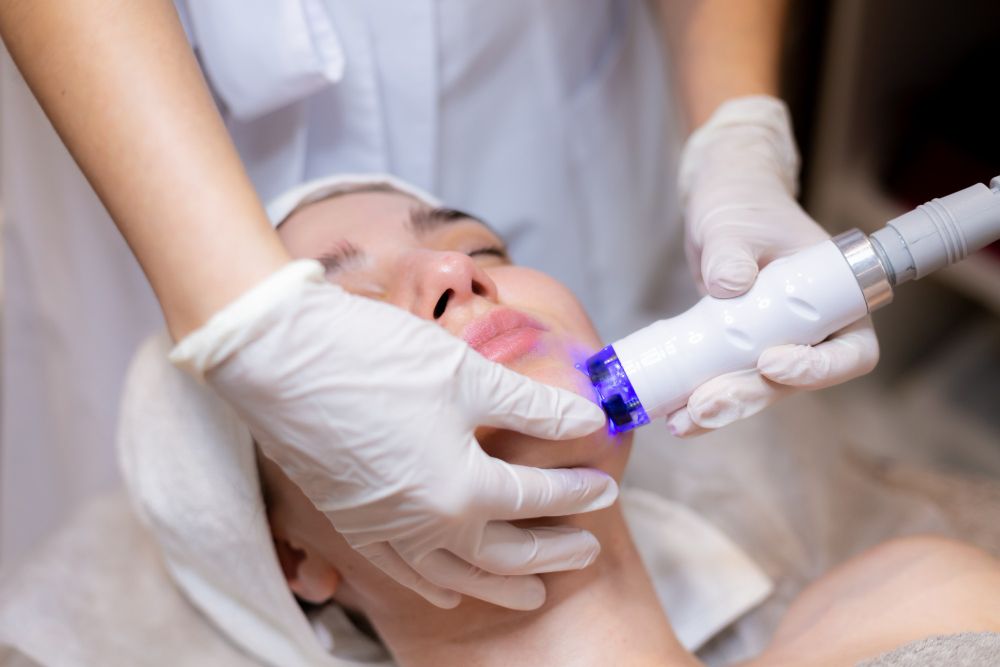
A non-invasive medical procedure using patented laser technology to tighten soft tissues and reduce airway obstruction, helping you finally sleep peacefully. Quick, painless, and highly effective—perfect for busy people in Hong Kong.
Features:
• Non-invasive laser tightens airway tissues to reduce snoring
• Improves breathing and may help with sleep apnea
• Treatment takes only 15 minutes; effects can last up to 1 year without side effects
• No permanent tissue alteration; very safe
Effectiveness: 80% of patients see significant improvement after two sessions. Normal daily activities are unaffected. Book a professional assessment at Perfect Medical to identify the root cause of your snoring and receive targeted treatment.
免費體驗
Fotona 4D NightLase Snoring Treatment
1 Minute Self-Registration
Date should not be before minimal date
FAQ

1. Does snoring always need treatment?
Not necessarily, but if it affects sleep or risks sleep apnea, medical consultation is recommended.
2. How long until acupressure is effective?
Varies by individual; consistent use over a few weeks usually shows improvement.
3. When should acupressure be avoided?
Pregnancy, hypertension, or skin injuries are contraindications.
4. Do anti-snoring mouthpieces work?
Effective only for some people and require dental assessment to determine suitability.
5. Are there treatments for sleep apnea?
Yes, once diagnosed, doctors may recommend CPAP machines, surgery, or other treatments.