- Home
- Trend
- Weight Loss Strategies
- Acne Tips
- Hair Health Information
- Blemish Removal Tips
- Acne Scar Removal Tips
- Muscle Building Techniques
- Intimate Care Tips
- Postpartum Intimate Care
- Eye Bags Wiki
- Tips for Face Slimming
- Secret of Permanent Hair Removal
- Breast Enlargement Tips
- Cure to Snoring
- Marionette Lines
- Skin-Tightening Secrets

Many people are disturbed at night by a partner’s snoring — especially for light sleepers, it can make falling asleep difficult and lower overall sleep quality. While snoring is often thought of as a sign of deep, restful sleep, in reality, it can be the body’s “alarm signal,” indicating underlying breathing problems or other health risks.

1. Is Snoring Linked to Sleep Apnea? 4 Types of People More Likely to Snore
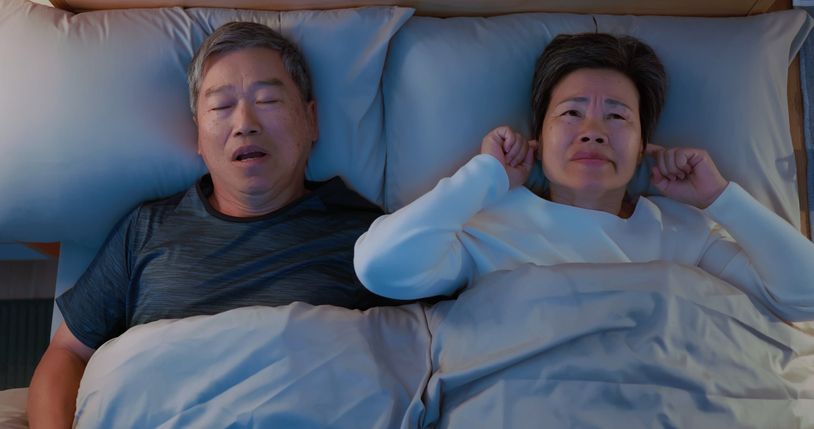
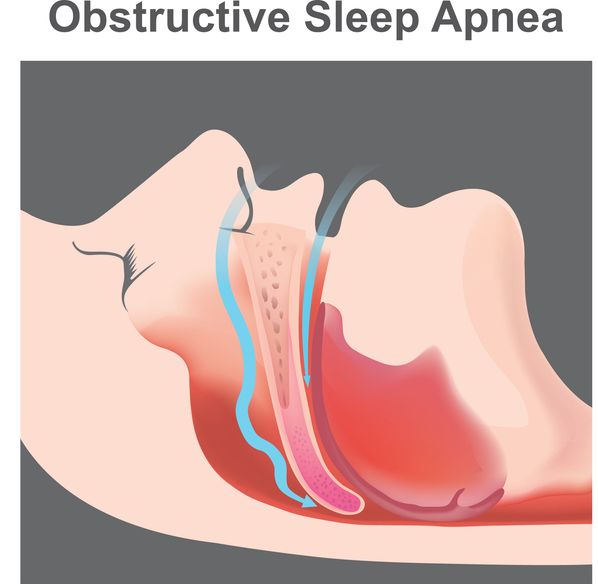
Snoring is usually caused by a narrowed or blocked airway, which can result from nasal structure issues, muscle relaxation due to excess weight, or even sleep apnea. Because sleep apnea also stems from blocked airways, snoring is one of the most obvious warning signs. Unlike simple snoring, however, sleep apnea causes breathing pauses and oxygen deprivation, which require serious medical attention.
Sleep apnea (Sleep Apnoea Syndrome) is common in Hong Kong, affecting around 2–4% of the population. By international standards, more than 5 breathing pauses per hour, each lasting over 10 seconds, qualifies as sleep apnea. Importantly, the loudness of snoring is not always linked to severity — in fact, some severe cases involve no snoring at all because the airway is completely blocked.
Blockages can occur at the nose, mouth, or tongue base, so the sound and pitch of snoring vary depending on the obstruction site. People with the following traits are more prone to snoring:
1. Nasal Allergies – Inflammation and swelling can narrow the nasal passages, often accompanied by polyps or deviated septum, which make airflow difficult and increase snoring.
2. Enlarged Tonsils – Swollen tonsils can block part of the throat, restricting airflow and causing vibrations that lead to snoring.
3. Relaxed Oral Muscles – Loose muscles in the throat and tongue can collapse during deep sleep, narrowing the airway and generating snoring sounds.
4. Short Jaw – More common in Asians, a short jaw pushes the tongue backward during sleep, making the throat more prone to obstruction.
2. What Is an Anti-Snoring Mouthguard? Can It Really Solve the Problem?
Beyond CPAP machines, dentists now offer custom-made anti-snoring mouthguards (also called mandibular advancement devices). These devices reposition the lower jaw slightly forward, expanding the airway and improving airflow during sleep.
The principle is similar to a night-time orthodontic appliance: it helps prevent soft tissue collapse, keeps the airway open, and reduces snoring. However, the effect only lasts while wearing it at night — once removed, the airway blockage returns and snoring resumes.
Compared to CPAP, mouthguards are lighter, more comfortable, and easier to adapt to, which is why they’ve grown in popularity. Dentists customize the fit to each patient’s teeth and bite for comfort and effectiveness. Worn only during sleep, they don’t affect daytime activities and can improve both the patient’s and partner’s sleep quality.
Since snoring is often a key symptom of sleep apnea, reducing snoring with a mouthguard may also help lower the risk of apnea-related complications.
免費體驗
Fotona 4D NightLase Snoring Treatment
1 Minute Self-Registration
Date should not be before minimal date
3. The 3 Types of Anti-Snoring Mouthguards
1. Ready-Made Mouthguards
Available in pharmacies and online, these are made of soft silicone and designed for convenience. They’re easy to use but not personalized, so comfort and effectiveness vary.
2. Boil-and-Bite Adjustable Mouthguards
Made from heat-softened material, these allow users to mold the guard to their teeth for a semi-custom fit. Some can be fine-tuned for tighter or looser adjustments after testing.
3. Custom-Made Mouthguards
Crafted by dentists based on detailed mouth measurements, these provide the best comfort and effectiveness. They reduce the discomfort of generic products and are more suitable for patients with serious snoring or suspected sleep apnea.
4. Are Mouthguards a One-Size-Fits-All Solution?
Not exactly. While mouthguards can help in mild snoring cases, they don’t address all causes. For example, if snoring is due to severe nasal blockages, a mouthguard won’t help. They’re also not suitable for everyone, including:
• People undergoing orthodontic treatment
• Those with loose teeth, dentures, or severe gum disease
• Patients with jaw joint problems (TMD)
• Those diagnosed with central sleep apnea or severe respiratory illness
That’s why professional assessment is crucial before relying on a mouthguard. Each person’s airway structure and snoring cause are different, so treatment must be tailored.
5. Beyond Mouthguards: The Fotona 4D NightLase Snoring Treatment
While mouthguards reposition the jaw to reduce snoring, long-term use can strain the jaw and cause discomfort or pain. Plus, their effectiveness disappears once you stop wearing them.
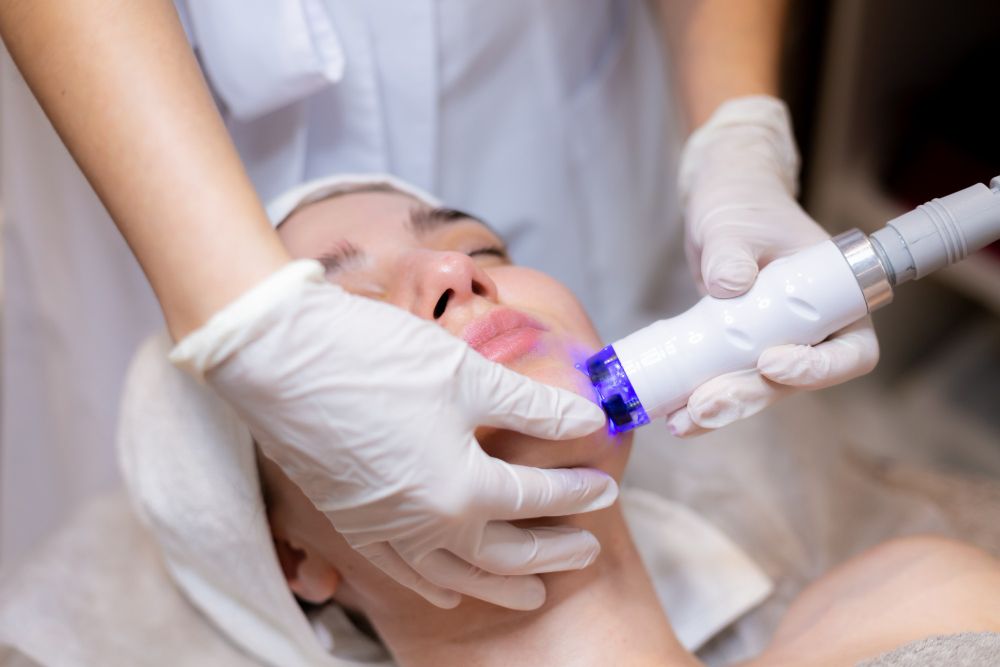
That’s where the Perfect Medical Fotona 4D NightLase Snoring Treatment stands out. Using patented NightLase™ laser technology, this non-invasive, painless treatment:
• Tightens collagen in oral tissues to restore airway openness
• Improves snoring and sleep apnea after just the first session
• Requires no downtime, with no wounds or discomfort afterward
• Offers lasting results without needing to wear a device every night
With its ability to improve blood pressure, heart health, and sleep quality, this treatment goes far beyond what mouthguards can achieve.
Book online now at Perfect Medical to enjoy a free trial session of the Fotona 4D NightLase Snoring Treatment — a safe, comfortable, and highly effective way to finally say goodbye to snoring!
Book Now: Perfect Medical Fotona 4D NightLase Snoring Treatment免費體驗
Fotona 4D NightLase Snoring Treatment
1 Minute Self-Registration
Date should not be before minimal date
FAQ

Can store-bought mouthguards replace custom-made ones?
Not recommended. Custom-made devices are tailored to fit your bite and airway structure, making them more effective and comfortable. Store-bought versions lack precision and may even cause oral hygiene problems.
Can mouthguards affect teeth alignment?
Some users may feel slight changes in bite or jaw position in the morning, but this usually fades within a few hours.
Is drooling normal when using a mouthguard?
Yes. It’s a temporary adjustment as your body produces more saliva. The issue typically improves after a few days or weeks of use.
Do mouthguards need to be replaced regularly?
Yes. Lifespan depends on material and wear. Damaged or deformed guards should be replaced promptly.
Are mouthguards suitable for children?
Caution is needed since children’s mouths are still developing. Always consult a pediatrician or dentist before use.