- Home
- Trend
- Weight Loss Strategies
- Acne Tips
- Hair Health Information
- Blemish Removal Tips
- Acne Scar Removal Tips
- Muscle Building Techniques
- Intimate Care Tips
- Postpartum Intimate Care
- Eye Bags Wiki
- Tips for Face Slimming
- Secret of Permanent Hair Removal
- Breast Enlargement Tips
- Cure to Snoring
- Marionette Lines
- Skin-Tightening Secrets

Do you or your partner suffer from loud snoring at night? The constant “rumbling” doesn’t just disrupt sleep quality — it may also cause health issues and daily life disturbances. But do anti-snore pillows actually work? Can they really solve the snoring problem? Let’s break it down clearly once and for all!

Causes of Snoring — The First Step to Solving the Problem (The Link Between Snoring and Oral/Throat Tissues)
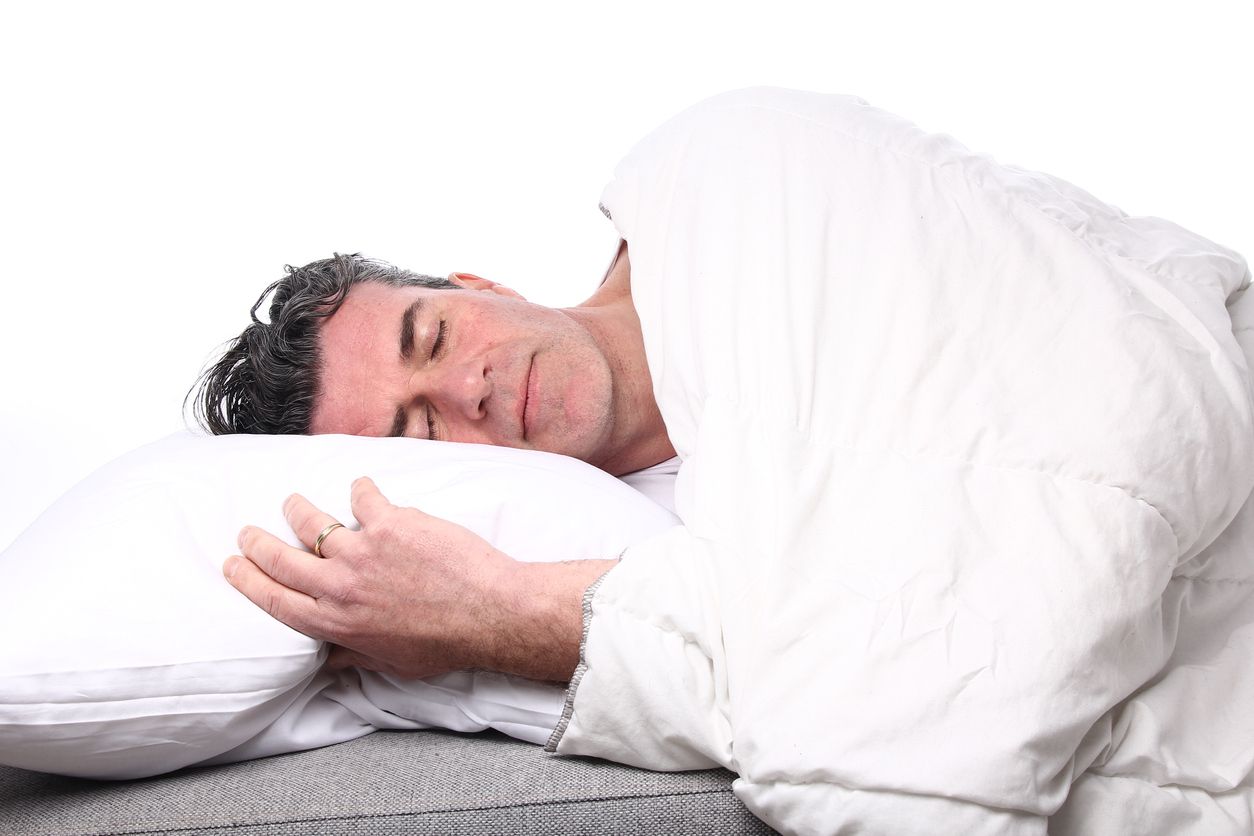
Snoring occurs when air passes through a blocked airway during sleep, causing vibrations of the oral tissues, upper airway, and throat soft tissues. Beyond being disruptive, snoring can also be an early warning sign of sleep apnea.
Common causes of snoring include:
• Airway obstruction: nasal congestion, narrow nasal passages, nasal polyps, or other structural issues.
• Relaxed soft tissue: age-related muscle weakness in the throat and neck.
• Sleeping position: sleeping on your back makes the tongue and oral tissue fall back, blocking the airway.
• Obesity: excess neck fat compresses the airway.
• Alcohol or sleeping pills: relax throat and respiratory muscles, worsening snoring.
• Allergies or rhinitis: nasal swelling and blockage.
If snoring is frequent and severe, it may reduce oxygen supply to the body, increase the risk of cardiovascular disease, and should be addressed with appropriate solutions.
Do Anti-Snore Pillows Really Work?
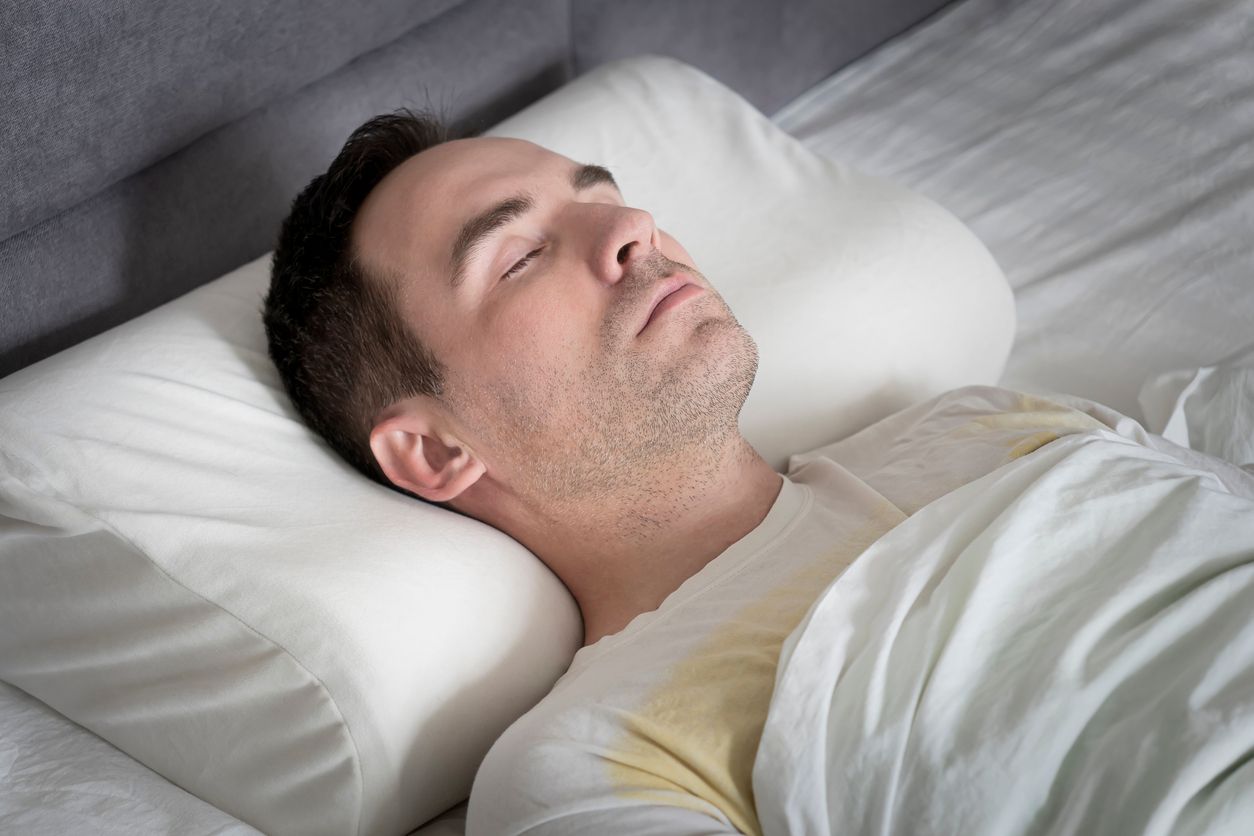
Anti-snore pillows (also called snore-control pillows) are designed to improve sleeping posture, support the cervical spine, and maintain airway openness. Their designs often feature ergonomic curves, tailored pillow shapes, and supportive pillow core materials.
Comparison of Anti-Snore Pillow, Sleep-Enhancing Pillow, and Ergonomic Pillow
| Type | Main Purpose | Design Features | Suitable For | Limitations |
|---|---|---|---|---|
| Anti-Snore Pillow | Reduce or prevent snoring | Encourages side sleeping, adjusts pillow height, prevents tongue/tissue from falling back and blocking airway | People who snore or with mild sleep apnea | Limited effect for severe snoring, requires adjustment period |
| Sleep-Enhancing Pillow | Improve overall sleep comfort and relaxation | Soft materials, good wrapping, sometimes with aromatherapy, noise reduction, or cooling fabric | People with poor sleep quality, light sleepers, relaxation seekers | Doesn’t directly solve structural snoring problems |
| Ergonomic Pillow | Neck and spine support, posture correction | Designed to follow natural neck curvature, often memory foam or latex | People with stiff neck, poor posture, long hours at a desk | Wrong fit or height may cause discomfort |
Usage Tips:
• Snorers → choose Anti-Snore Pillow (especially for back sleepers).
• Those who want deep relaxation → choose Sleep-Enhancing Pillow with aromatherapy or cooling fabrics.
• For posture and spine health → go for an Ergonomic Pillow.
Common Pillow Types
| Type | Principle | Pros | Cons |
|---|---|---|---|
| Back-Sleep Restriction Pillow | Prevents sleeping on your back to avoid tongue blockage | Affordable, effective for back-sleep snorers | Hard to adapt for habitual back sleepers |
| Side-Sleeping Guide Pillow | Guides users to side sleeping to reduce airway obstruction | Improves breathing and reduces snoring | Unusual shapes, requires adaptation |
| Smart Adjustable Pillow | Detects snoring, automatically adjusts height/angle | Tech-driven, personalized snore improvement | Expensive, needs power supply, durability varies |
Pillow Materials:
• Memory Foam: strong support, conforms to head/neck, but less breathable.
• Latex: elastic, breathable, great for humid climates, but more expensive.
• Feather/Polyfiber: soft but weak support, not suitable for neck issues.
免費體驗
Fotona 4D NightLase Snoring Treatment
1 Minute Self-Registration
Date should not be before minimal date
Picking the Right Pillow Height & Core — Building a Truly Effective Anti-Snore Pillow
For mild to moderate snoring, changing sleep posture and providing proper support can effectively reduce snoring. Many users report reduced snoring volume and improved sleep quality.
However, if snoring is caused by severe airway obstruction, tissue collapse, or sleep apnea, a pillow alone may not be enough — other snoring solutions or medical treatments may be necessary.
Doctor’s advice:
• Anti-snore pillows work best as a daily support tool to improve airway openness.
• If snoring is severe, consider professional evaluation for sleep apnea.
How to Choose the Right Pillow for Snoring — Is Japanese-Made the Best?
When choosing a pillow, consider:
• Sleeping position: back sleepers → back-restriction pillows; side sleepers → butterfly/curved designs.
• Neck support: ensure the pillow fits your neck curve.
• Material & firmness: medium-firm memory foam balances comfort and support.
• Height & resilience: matches natural neck curvature.
• Durability & hygiene: washable, breathable, antibacterial covers are better.
• Brand & reviews: check user feedback, especially from other snorers.
Beyond Pillows — Lifestyle Changes & Fotona 4D NightLase Snoring Treatment
Snoring improvement isn’t just about pillows. Other effective approaches include:
| Method | Description | Best For |
|---|---|---|
| Weight loss | Reduces neck fat, improves airway | Overweight individuals |
| Sleeping position | Avoid back sleeping, side sleeping helps airway flow | Posture-related snoring |
| Quit alcohol & smoking | Reduces airway swelling | Drinkers & smokers |
| Nasal dilators | Opens nasal passages | Nasal blockage snorers |
| Snore strips / mouthguards | Positions jaw or expands airway | Mild sleep apnea |
| Medical treatments | Surgeries or laser treatments like Fotona 4D NightLase | Severe snoring & sleep apnea |
Recommended: Fotona 4D NightLase Snoring Treatment
The Fotona 4D NightLase Snoring Treatment uses patented laser technology to gently tighten oral and throat tissues, reducing muscle laxity and airway blockage. It is non-invasive, painless, and surgery-free — a modern option for those who want a quick and effective solution.
Treatment Highlights:
• Non-invasive laser tightens soft tissues to reduce snoring
• Improves airflow, may help with sleep apnea
• 15-minute sessions, results last up to 1 year
• No downtime, safe and highly effective
Studies show that 80% of patients experience improvement after 2 sessions. You can resume normal activities immediately after treatment — perfect for busy city lifestyles.
Why let snoring ruin your nights? If you’ve tried everything and nothing works, it’s time to consider Fotona 4D NightLase Snoring Treatment and reclaim restful sleep.
Book a consultation at Perfect Medical to identify your snoring causes and explore professional solutions!
免費體驗
Fotona 4D NightLase Snoring Treatment
1 Minute Self-Registration
Date should not be before minimal date
FAQ

Are anti-snore pillows suitable for everyone?
Not necessarily. They may help mild snoring caused by sleep posture but cannot fix structural airway problems.
Which anti-snore pillow is the best?
Depends on your sleeping position, neck condition, and firmness preference. Ergonomic designs are usually recommended.
If my snoring is severe, will pillows help?
Limited effect. Severe snoring often requires medical solutions like Fotona 4D NightLase Snoring Treatment.
How long until I see results with a pillow?
Some people notice improvement within days, others may need weeks of adjustment.
Any side effects from anti-snore pillows?
Generally none, but if the pillow doesn’t match your neck curve, it may cause stiffness or discomfort.