- Home
- Trend
- Weight Loss Strategies
- Acne Tips
- Hair Health Information
- Blemish Removal Tips
- Acne Scar Removal Tips
- Muscle Building Techniques
- Intimate Care Tips
- Postpartum Intimate Care
- Eye Bags Wiki
- Tips for Face Slimming
- Secret of Permanent Hair Removal
- Breast Enlargement Tips
- Cure to Snoring
- Marionette Lines
- Skin-Tightening Secrets

Think snoring loudly means you’re sleeping soundly? Think again. Persistent snoring may be a sign of sleep apnea, a condition that can even cause sudden death in your sleep if left untreated. If you or your partner struggle with heavy snoring, this guide is for you — here’s a breakdown of 6 practical ways to stop snoring, plus an analysis of which treatments are most effective.

1. How Does Snoring Happen?
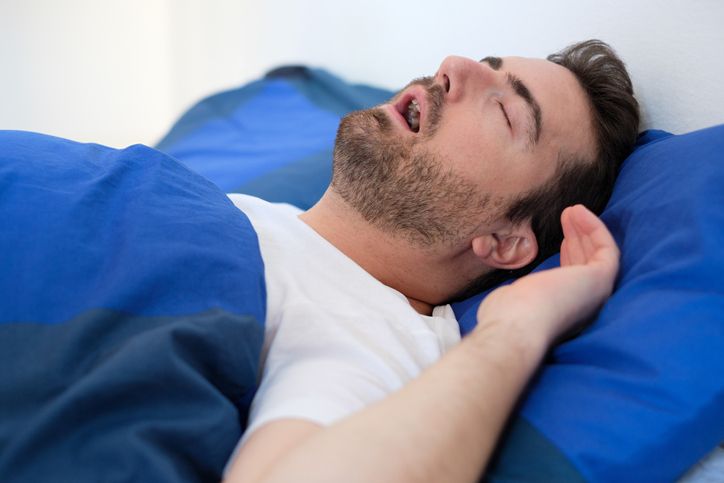
Many people assume snoring is harmless — a sign of deep sleep. But in reality, it’s often a warning signal from your body. Snoring is closely linked to sleep apnea.
When you fall asleep, the soft tissues in your upper airway relax and collapse, narrowing the passage. As air flows through, it vibrates against the tissues, producing the familiar snoring sound. The more obstructed the airway, the louder and harsher the vibrations become, and the higher the risk of developing sleep apnea.
Does snoring always mean you have sleep apnea?
Not necessarily. Louder snoring means a higher risk, but not every snorer has sleep apnea. Snoring generally falls into two categories:
• Temporary snoring caused by fatigue, colds, or nasal congestion.
• Chronic snoring linked to sleep apnea, usually caused by obesity, abnormal throat structures, or severe airway obstruction. This type often includes loud snoring and brief pauses in breathing during sleep.
Because sleep apnea affects both health and sleep quality, it should never be ignored.
Common Causes & Risk Factors of Snoring
1. Abnormal nasal or throat structure (enlarged tonsils, nasal polyps) → block the airway and cause sleep apnea.
2. Obesity → excess fat around the neck compresses and narrows the airway.
3. Colds or nasal allergies → inflammation swells nasal tissues, blocking airflow.
4. Age → airway muscles weaken with age, making collapse more likely.
5. Poor sleep posture → lying on your back allows the tongue and soft palate to obstruct the airway.
6. Pregnancy → hormonal changes and weight gain can narrow the airway.
7. Smoking, alcohol, or sedatives → relax or irritate airway muscles, increasing snoring risk.
Dangers of Snoring
• Physical health risks: Sleep apnea starves organs of oxygen, increasing the risk of high blood pressure, heart disease, and even sudden death.
• Daytime fatigue: Interrupted sleep causes drowsiness, poor focus, irritability, and even reduced sexual function.
• Relationship strain: Loud snoring disrupts your partner’s sleep, potentially damaging long-term relationships.
2. Strange Home Remedies for Snoring — Do They Work?
With so many “miracle cures” circulating online, it’s easy to wonder if any actually work. Here are three unusual folk remedies and how effective (or ineffective) they really are:
| Remedy | Method | Effectiveness |
|---|---|---|
| Peppercorn water | Steep 5–10 peppercorns in hot water before bed, drink after cooling (without eating the peppercorns). | Minimal effect. Peppercorns may temporarily clear nasal passages, but the effect fades quickly. Not recommended, especially for pregnant women. |
| Mouthwash method | Dilute 3–4 drops of mouthwash in warm water and gargle before bed. | Ineffective. Muscle relaxation is controlled by nerves, not blood flow. Gargling cannot prevent snoring. |
| Glass ball trick | Sew a small pocket onto the back of sleepwear and place a glass ball inside to prevent sleeping on your back. | Somewhat effective — forces side-sleeping, which can reduce snoring. But it’s uncomfortable and often disturbs sleep quality. |
免費體驗
Fotona 4D NightLase Snoring Treatment
1 Minute Self-Registration
Date should not be before minimal date
3. Six Proven Ways to Stop Snoring — Which One Is Best?
Forget quirky internet tricks — here are the real solutions to improve snoring and sleep apnea.
Method 1: Popular “Anti-Snoring Gadgets” — Which One Actually Works?
1. Nasal strips
2. Mouth-taping strips: Seal the lips so you breathe through your nose.
Nasal dilator strips: Stick to the nose bridge to widen nasal passages.
Drawback: Only suitable for mild snoring or nasal congestion. Not skin-friendly for sensitive users.
3. Anti-snore pillows
4. Special contour design elevates the head and neck, keeping the airway open.
Drawback: Only helps if snoring is caused by sleeping on your back.
5. Oral mouthguards
6. Worn during sleep, they adjust the lower jaw forward to prevent the tongue from blocking the airway.
Drawback: Requires cleaning to avoid bacteria. Can fall out during sleep, causing snoring to return.
Other products like anti-snoring sprays, chin straps, or nose clips exist, but most are only effective for mild cases and must be used long-term.
Method 2: Medical Devices — CPAP Machines
Continuous Positive Airway Pressure (CPAP) machines are the most common and safest medical devices for sleep apnea. They use pressurized air to keep the airway open and prevent breathing pauses.
• Caution: Not everyone is suitable (e.g., central sleep apnea patients or those with certain health issues).
• Downside: CPAP machines don’t cure snoring permanently. Once stopped, symptoms often return.
• Always consult a doctor and undergo a sleep test before purchasing.
Method 3: Surgery
Some patients consider surgery for a permanent fix. The most common is Uvulopalatopharyngoplasty (UPPP), where enlarged tonsils and soft tissues are removed to widen the airway.
• Effectiveness: Short-term results can be good, but recurrence is possible.
• Risks: Pain, difficulty swallowing, food reflux into the nose. Surgery is only recommended for severe cases.
Method 4: Natural Food Remedies
Certain foods may help mild snorers:
• Peppermint tea → reduces nasal congestion and clears mucus.
• Honey water → soothes throat inflammation and reduces airway blockage.
• Chamomile tea → calms nerves, reduces swelling, and may ease mild sleep apnea.
For moderate to severe snoring, food remedies alone are rarely enough.
Method 5: Lifestyle Changes
• Exercise & weight loss → reduces neck fat, freeing the airway. Also strengthens throat muscles.
• Better sleep habits → sleep on your side, stay hydrated, and avoid alcohol, sedatives, and smoking.
• Mouth & throat exercises → singing or chewing thoroughly can strengthen throat muscles and reduce snoring.
Method 6: Medical Aesthetic Solution — Fotona 4D NightLase Snoring Treatment
Finally, a non-invasive, innovative solution: Fotona 4D NightLase Snoring Treatment.
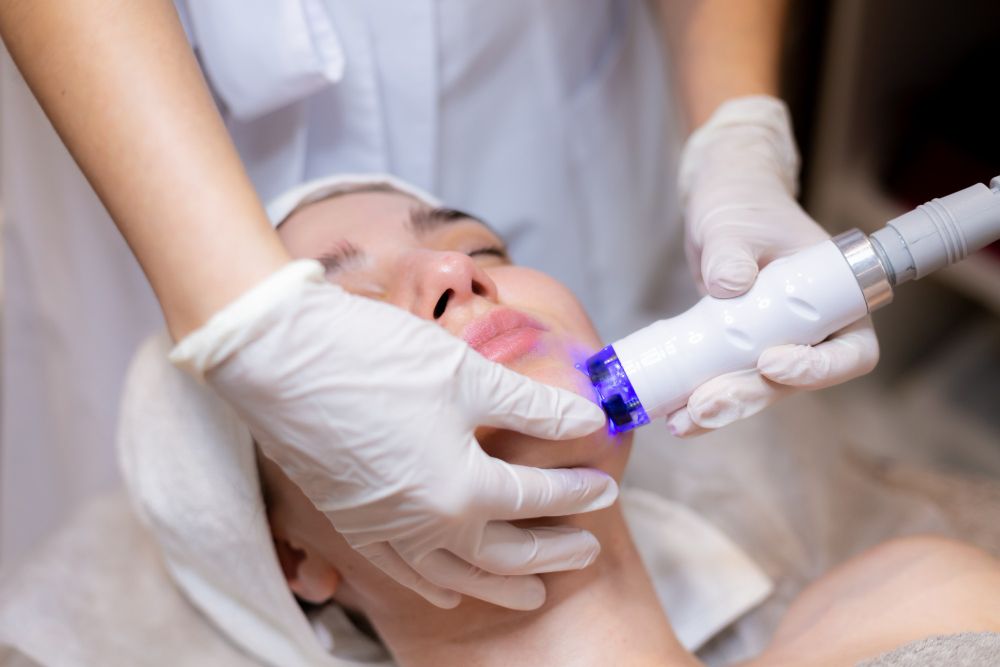
Using patented laser technology, this treatment stimulates collagen regeneration in the throat, tightening tissues and opening the airway. It helps reduce both snoring and symptoms of sleep apnea.
• Effectiveness: 80% of patients see improvement after just 2 sessions.
• Benefits: Non-invasive, painless, no downtime — you can eat, drink, and work as usual right after.
For your health and your partner’s peace of mind, now’s the best time to act. Register online today and enjoy a free trial session at Perfect Medical.
Register Online: Perfect Medical Fotona 4D NightLase Snoring Treatment免費體驗
Fotona 4D NightLase Snoring Treatment
1 Minute Self-Registration
Date should not be before minimal date
FAQ

Does snoring always mean sleep apnea?
Not always. Temporary snoring can result from fatigue, colds, or congestion. Chronic, loud snoring often signals obstructive sleep apnea and should be tested with a professional sleep study.
What’s the fastest and most effective way to stop snoring?
The Fotona 4D NightLase Snoring Treatment at Perfect Medical — a laser-based, non-invasive procedure that restores airway flow. 80% of patients improve after 2 sessions.
Do anti-snoring gadgets really work or are they just hype?
Some gadgets (like nasal dilators or mouthguards) may help mild cases. But for moderate or severe snoring, they are rarely effective long-term.
Can I buy a CPAP machine online?
Not recommended. CPAP machines are medical devices that require sleep tests and doctor guidance. The wrong settings may worsen symptoms or cause side effects.
Can food remedies cure snoring?
Mild cases may see some relief, but for anything beyond that, food alone is insufficient. Professional evaluation is strongly advised.