- Home
- Trend
- Weight Loss Strategies
- Acne Tips
- Hair Health Information
- Blemish Removal Tips
- Acne Scar Removal Tips
- Muscle Building Techniques
- Intimate Care Tips
- Postpartum Intimate Care
- Eye Bags Wiki
- Tips for Face Slimming
- Secret of Permanent Hair Removal
- Breast Enlargement Tips
- Cure to Snoring
- Marionette Lines
- Skin-Tightening Secrets
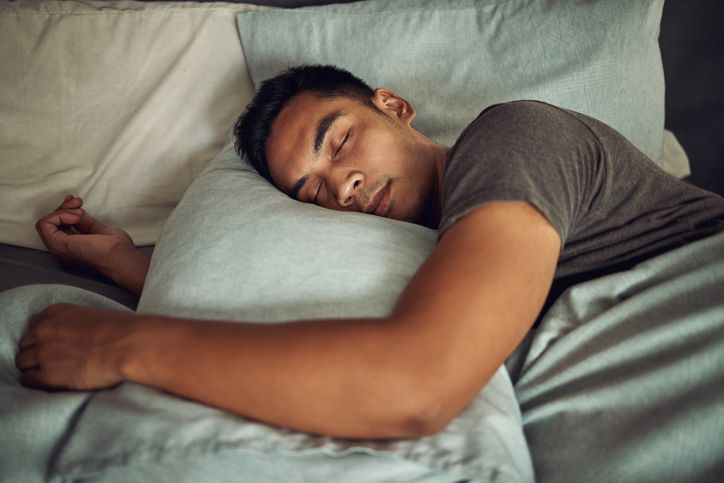

Do you know if you snore at night? Snoring isn’t normal, yet people of all ages and genders experience it. Does snoring mean you have sleep apnea? Surprisingly, severe snoring can affect sleep quality, physical health, and mental well-being!

1. 2 Ways to Check Your Snoring Severity
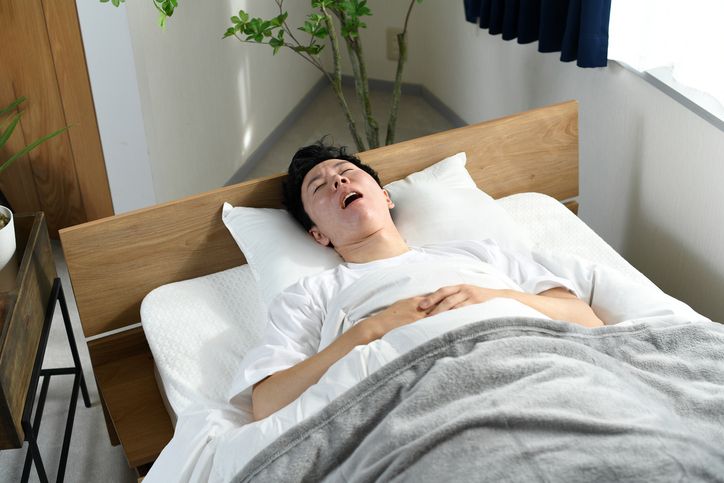
How can you know if you snore, and how severe it is? The easiest way is through your sleeping partner, but what if you sleep alone? Here are two self-assessment methods:
Method 1: Mallampati Classification
The Mallampati test measures the probability of snoring based on tongue size. Stand in front of a mirror, open your mouth, and stick out your tongue. The less visible your uvula (the little “dangling bell” at the back of your throat), the higher your risk of snoring and sleep apnea.
Mallampati Results:
• Class I: Full uvula and soft palate visible
• Class II: Most of the uvula and soft palate visible
• Class III: Only the base of uvula and soft palate visible
• Class IV: Uvula completely hidden; only hard palate visible
Method 2: Snoring Volume Detection
You can also assess severity by snoring volume. Snoring is caused by airflow vibration in the upper airway, so louder snoring indicates more obstruction. If your partner’s snoring exceeds 50 decibels, it’s a warning sign of potential sleep apnea.
2. What Causes Snoring?
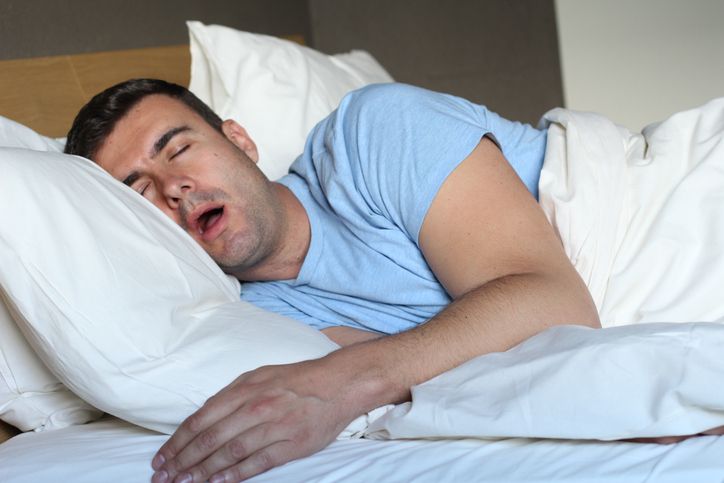
Snoring is generally caused by airway obstruction, whether due to congenital or acquired factors. Here are six common causes:
1. Throat and nasal structural abnormalities
Enlarged tonsils, nasal polyps, or other structural issues can block airflow, causing loud snoring. Severe cases can lead to obstructive sleep apnea.
2. Poor lifestyle habits
3. Obesity: Neck fat can compress the airway, especially when lying on your back.
Smoking: Nicotine narrows nasal passages.
Alcohol: Relaxes throat muscles, increasing snoring risk.
4. Poor sleep posture
Sleeping on your back allows gravity to collapse the tongue and soft palate, obstructing the airway.
5. Age
Muscle tone decreases with age, including muscles in the neck and airway, increasing snoring likelihood.
6. Pregnancy
Enlarged blood vessels in the nasal passages and increased weight can restrict airflow.
7. Illness
8. Nasal congestion from colds can block airflow.
Central sleep apnea occurs when the brain fails to send proper signals to breathe during sleep, unrelated to physical obstruction.
免費體驗
Fotona 4D NightLase Snoring Treatment
1 Minute Self-Registration
Date should not be before minimal date
3. What Are the Effects of Snoring?
Snoring affects more than just sleep quality—it can impact physical health, mental alertness, and relationships:
1. Physical health
Snoring can lead to airway obstruction, interrupted breathing, and low blood oxygen, increasing the risk of hypertension, arrhythmia, cardiovascular disease, and even sudden death.
2. Mental alertness
Insufficient deep sleep causes daytime fatigue, which can be dangerous for drivers or operators of heavy machinery.
3. Relationships
Loud snoring can disrupt a partner’s sleep, sometimes leading couples to sleep separately, which may strain the relationship.
4. 4 Effective Anti-Snoring Methods: The Root Cause Solutions
You can choose a method depending on your snoring situation. The four most effective approaches are:
1. Improve sleep posture
Side-sleeping reduces airway obstruction caused by gravity, alleviating snoring.
2. Improve lifestyle habits
3. Weight loss can reduce neck fat and ease airway obstruction.
Quitting smoking and alcohol can help if snoring is lifestyle-related.
4. Use anti-snoring products
Devices include oral appliances, nasal dilators, anti-snoring mouthpieces, and CPAP machines. These work by expanding or preventing airway obstruction. Seek professional advice to choose the right device.
5. Tested method: Fotona 4D NightLase Snoring Treatment
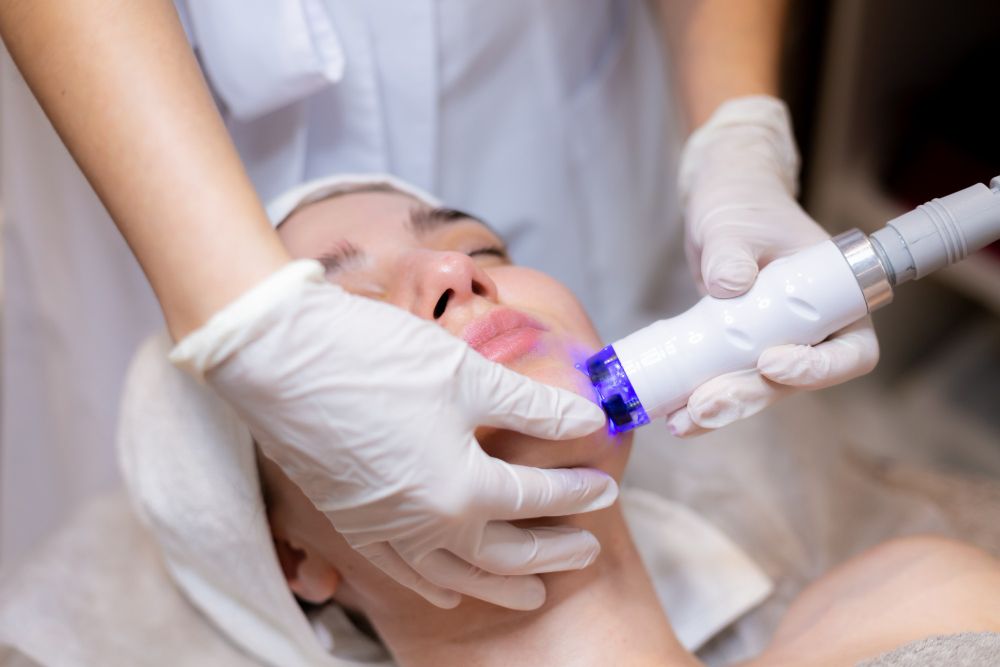
Many have tried nasal strips or anti-snoring mouthpieces with little effect. The Perfect Medical Fotona 4D NightLase Snoring Treatment is a painless, non-invasive treatment that stimulates oral tissues to produce more collagen, tightening soft tissue and restoring smooth airflow.
Experience Highlights:
• Low-heat, safe, and comfortable
• Treatment explained in detail by the therapist
• Warm sensation only, no pain
For women struggling with persistent snoring, it's highly recommended to try out this treatment.
Book Yours Now: Perfect Medical Fotona 4D NightLase Snoring Treatment免費體驗
Fotona 4D NightLase Snoring Treatment
1 Minute Self-Registration
Date should not be before minimal date
FAQ

Which doctor to consult for snoring?
ENT specialists first.
How long does nasal congestion last?
Minor colds: 7–10 days; chronic congestion may indicate rhinitis.
Do nasal polyps shrink on their own?
No, surgery is typically required.
How to test sleep quality?
Use apps or sleep trackers.
Can sleep apnea be fatal?
Moderate to severe cases can cause sudden death and complications like stroke or heart attack.